On the 75th anniversary of the death of John Jarmain, let us celebrate the immortal voices of two of our most cerebally gritty War Poets
O send me great opponents! Day by day The precious hours like vacant windows passed, The petty vision & the soft delay. These bring defeat & rust the sword we bear, Diminish each bright purpose, till at last All’s wasted, & the heart’s too dull to care. John Jarmain
On the 26th of this month it shall be seventy-five years exactly since the death of Major John Jarmain, killed-in-action in Normandy during the Allied reconquista of France. The major was a poet, & his death took place at Ste Honorine in Chardonnerette, a commune celebrated before the war as the most beautiful in the Calvados. His second-in-command at the time, John Paul Kaestlin, described the shared loss of one of English poetry’s succinctly sublime stars, at the tender age of 33.
I was awakened at 5 in the morning by his batman in a state of obvious agitation. The major had been hurt; he thought seriously. They had left together at 4 o’clock in his jeep. All was perfectly quiet as they drove over the crest & down the long incline to Honorine; but, as luck would have it, on arrival at the village they found the tanks still moving out into position. The noise had attracted the Hun & a mortar concentration had come over as they reached & were held up at the cross-roads. Jarmain, walking, had dived for a slit-trench by the roadside. He never got there. I got down to Honorine as fast as I could make it. By now, however, it was fully light, & I had to walk most of the way. When I got there he had been dead for some time, & there had evidently been no hope. A piece of shrapnel had entered the base of the skull & he had died, while being evacuated, without regaining consciousness.
Jarmain was buried in the 6th Airborne Cemetery at Ranville. He has been remembered since as a leader, a hero & also a poet of the purest calibre. He left the world a desperately slender collection, among which stand poems that should rank alongside those of Owen & Sassoon among those memorials from the front-line that present an unmisted eyeglass into what it was like to actually fight in those terrible two World Wars of the early 20th Century. For the Great War Poets, especially after 1917, war poetry was all about recording the awful bloodshed & senseless loss of life; when death flew over a battlefield in a thousand & one ways to ravage & maim- the sonic boom of a shrapnel shell was one, turning insides to jelly just before they are pierced by hundred slices of jagged iron hurtling through them at 7000 miles an hour. Asphyxiation is another, gripped by the throat by the fierce hands of an enemy soldier whose bullets had all been spent, & whose bayonet had snapped. By Jarmain’s poetry, the blood and guts had been replaced by a pathos even more effective at touching the reader’s spirit.
Men prove their purpose, in the dangerous hour,
Their brief excelling brilliance is disclosed:
When threatened most the soul puts forth its flower John Jarmain
Jarmain’s poetry flourished in the North African desert, distilling his experiences in the gaps between battle to the light of a doover’s candle. These magical lines were then sent back to England in numbered airmail letters to his wife. He served in the Eighth Army, with the 51st Highland Division, in whose ranks was a Scottish intelligence officer called Hamish Henderson. Jarmain would have attended Henderson’s lectures & briefings, but what they talked about together is unknown to us. We possess no Edward Trelawney here, jotting down the conversations of Byron & Shelley in Pisa, but what we do know is that Jarmain & Henderson are two supremely talented poets, whose works concerning the Desert War are priceless gems in the treasury of English poetry.
In John Jarmain’s work, the mud of the Somme is replaced by desert landscape. Jarmain becomes a connoisseur of sand as he studies its shapes and shifting colours under different climatic conditions Professor Tim Kendall
John Jarmain
Poetically, one can really feel the Italian influence in the anima of Jarmain – he had visited the country many times & spoke near fluent Italian. He also produced one novel in his brief lifetime, Priddy Barrows, published by Collins in the year of his death. If novels are an oblique window into an author’s mind, then the following passage could tell us all we need to know about Jarmain’s personality.
I don’t think he could explain himself, in fact I’m sure he couldn’t. I don’t believe he knows himself why he does as he does. But I’m perfectly sure that once he’s said he’ll do a thing he’ll do it, & no one on earth will stop him. He’s queer.
The best way to appreciate Jarmain is through James Crowden’s 2012 book, Flowers in the Minefields, which places a delicious biograph alongside the poems, with the whole being perfectly embellished by photographs, commentaries & contemporaneous biographical material. The overall experience of the book is like finding the body of a dead soldier blown apart by a land-mine, & putting the pieces back together in the most human – well Frankenstinian – way possible.
Among Jarmain’s poetical offerings, twelve poems in particular stand out as a momentous record of the soldier’s experience. Henderson is different, he survived the war & lived a long life, but it is in his war poetry that his best writings lie. There are two streams flowing from Henderson’s craft; his ballads were on the lips of every soldiers’ singing, especially one composed for the Christmas celebrations in Cairo, 1942, a skit on the ruling house of Egypt & the corrupt British colonial administration that supported it. Sung to the national anthem of Egypt, the Allied soldiers picked it up with fervent enthusiasm, & despite the phraseology appearing wildly ridiculous (&unprintable) to we 21st centuryites, it retains for erudite posterity the vernacular of the time, of how the soldiers communicated with words. Another ballad was the indignantly brilliant ‘Ballad of the D-Day Dodgers,’ composed in response to a condescending remark by Lady Astor about troops on the Mediterranean front. In an insane speech, she had suggested that those soldiers who were bogged down by the mountain fighting in Italy were in some way avoiding the invasion of Normandy.
We’re the D-Day Dodgers, out in Italy –
Always on the vino, always on the spree.
8th Army scroungers and their tanks
We live in Rome – among the yanks.
We are the D-Day Dodgers, way out in Italy…
Naple and Cassino were taken in our stride,
We didn’t go to fight there – we went there for the ride.
Anzio and Sango were just names
We only went there to look for dames –
The artful D Day-Dodgers, way out in Italy
Henderson’s ‘Elegies for the Dead in Cyrenaica,’ begun fragmentedly in Autumn 1942 & published in 1947, was his tribute to the war in North Africa. Composed in gluts within such recollective moments as when pole-axed by dysentery, the Eelgies are full of compassion for the victimisation of ordinary soldiers, constantly bubbling with an unvisceral, yet emotional truth. When the Elegies are lain beside Jarmain’s poetry, the comblended whole forms a concise reflection of what it was truly like to fight in the desert, a colourful diaspora of experiences to colour in the gaps on those grainy black & white cinereels from the 1940s. By cherry-picking the best of these – sometimes in passages, sometimes whole poems – & laying them by Jarmain’s sublime dozen, we may create the most valuable of poetical testaments to war, composed by the last of those to experience men murdering men on an industrial scale.
I’ve walked this brazen clanging path
In flesh’s brittle arrogance
To chance the simple hazard, death,
Regretting only this, my rash
Ambitious wish in verse to write
A true & valued testament. Hamish Henderson
Among Henderson’s Elegies, his 7th, Seven Good Germans discusses the backgrounds of enemy soldiers, those ‘seven poor bastards,‘ buried in the desert. The title bounces with deepest irony off the shadowy barrack-proverb, ‘the only good German is a dead one,‘ & Henderson yanks the humanity out of the indifferences of slaughter with such awesome poetry as;
The third had been a farm-hand in the March of Silesia
& had come to the desert as fresh fodder for machine guns
His dates are inscribed on the files, & on the cross-piece
Henderson had found it hard to get this particular poem published in the stuffy literary environs of the ‘Cairo Cage’ & the Salamander Oasis magazine. ‘My Elegy for the German Dead,’ he wrote in a letter to John Spiers, Spring 1943, ‘has been turned down by the Cairo censor – so I hear – from the editors of Orientations, because such morbid writings have a depressing effect on troops! What a laugh. However, it may be more expedient in every way to publish it after the war.’ That Henderson was kept out of the magazines shows how much his work really matters – for the truth suppressed is the greatest truth of all. Of his refusal to bend to the literary conventions of the day, Henderson scribbled a cutting paragraph is his personal copy of Orientations for May 1942.
When I gave them poetry that was neither Audenry nor Spenderish but coarse, sensual, numinous & song-like, acknowledging as influences Lorca, Heine, Clare, Dunbar & Burns & drawing much vigour from my association with Scots & Irish working class people, they squealed & scooted
Middle: General Sir Benard Montgomery – ‘Monty’
Towards the end of the summer of 1942, General Bernard Montgomery arrived in North Africa to take command of the Eighth Army. Rommel, the ‘Desert Fox,’ had been running rampant all over the desert, but would be finally stopped in late October by the British & Commonwealth troops in a furious, world-hinging battle named after an obscure train station 40 miles from Cairo – El Alamein. The 51st Highland Division fought in the battle, & it is in the terrifying white heat of its slaughter that the English poet Jarmain & the Scottish makar Henderson became, one would say, true poets of war.
There are many dead in the brutish desert,
who lie uneasy
among the scrub in this landscape of half-wit
stunted ill-will. For the dead land is insatiate
and necrophilous. The sand is blowing about still.
Many who for various reasons, or because
of mere unanswerable compulsion, came here
and fought among the clutching gravestones,
shivered and sweated,
cried out, suffered thirst, were stoically silent, cursed
the spittering machine-guns, were homesick for Europe
and fast embedded in quicksand of Africa
agonized and died.
And sleep now. Sleep here the sleep of dust. Hamish Henderson
Jarmain was certainly ready to compose war poetry, for he had gone to school in Shrewsbury Owenlike Wilfred twenty years before him. A deep part of Jarmain’s spirit was aware of both his ability & sensibility to match that genius-bard of the Great War. Time, it seemed, had randomly chosen the period of his poetry’s burgeoning in which to enact a new great slaughter. Time had called him to be a witness poet, whose moral responsibility to speak for the dead would transpose into words, with articulate beauty, the brutality & discordance of war. He – & Hamish Henderson of course – now had a dual duty; to fight for the country & to sing for its dead!
I have read the poems with real interest & mounting admiration Professor Jon Stallworthy
“If I must die, forget these hands of mine / That touched your body into tiny flames,” were two staggeringly authentic lines composed by Jarmain to his second wife, Beryl, in early 1939. In them we have this poet’s encapsulation – he would wear the tradition (Brooke’s ‘If I should die, think only this of me’) of the art, while carving his own beauties in the rock.
Let us now look focus on one moment in the historiography of the two poets; at certain poems, passages of poems & the odd bit of prose which tell a small sliver of the story of that famous battle at Alamein, fought in furnace heat, which prevented the Nazi flag being draped over the pyramids.
INTERLUDE
Opening of an Offensive
(a) the waiting
Armour has foregathered, snuffling
through tourbillions of fine dust.
The crews don’t speak much. They’ve had
last brew-up before battle. The tawny
deadland lies in silence
not yet smashed by salvoes.
No sound reaches us
from the African constellations.
The low ridge is too quiet.
But no fear we’re sleeping,
no need to remind us
that the nervous fingers of the searchlights
are nearly meeting & time is flickering
& this I think in a few minutes
while the whole power crouches for the spring.
X-20 in thirty seconds. Then begin
(b) the barrage
Henderson describes the intense bombardment of the German lines which marked the opening of the battle, an epic moment in which minute details would embed themselves into his receptive psyche. For Henderson, the sight of two searchlights crossing in the skies at the start of the battle evoked the saltire of Saint Andrew, & gave the 51st an almost hallowed role in the battle. Henderson would actually be wounded, leaping into a slit trench to avoid a stuka attack, a momentary dashing which damaged ligaments & vertebrae to plague him through the rest of his life. Another Scottish poet was also wounded at Alamein, Sorley Maclean, blown 30 feet through the air by a landmine going off in his vicinity. He was wounded in the leg and broke several bones in his feet, but would survive to become one of Scotland’s greatest 20th century poets.
Whatever his desire of mishap,
his innocence or malignity,
he showed no pleasure in his death
below the Ruweisat Ridge. Sorley MacLean
A bombadier during the battle, F.E. Hughes, submitted the following piece to a title called ‘Poems from the Desert,’ a World War II anthology of Eighth Army poems of which Monty introduced as compsed, ‘at the very time that the Desert Army was wholly engaged in hitting Rommel & all his forces “Right out of Africa for Six.”
There’s a Devil in the dawn –
Horrific spawn of last night’s hideous moon,
That hung above the gun’s inferno
And smiled on men who died too soon.
There’s a Devil in the dawn –
See him fawn on those who served him well,
Who, blinded, deafened, breathed the cordite reek,
Fed the ravening guns, and swore that it was hell.
The Devil will demand his pay
In blood to-day; but those who pass in sunlight will
not see the Moon
Serenely light a desert hell for men who live
And smile on those who die too soon.
The next brief masterpiece of a poem, ‘At a War Grave,’ was composed by Jarmain towards the very end of the battle, after visiting the grave of his good friend Ebenezer Ell, slain by an 88 shell.
No grave is rich, the dust that herein lies
Beneath this white cross mixing with the sand
Was vital once, with skill of eye and hand
And speed of brain. These will not re-arise
These riches, nor will they be replaced;
They are lost and nothing now, and here is left
Only a worthless corpse of sense bereft,
Symbol of death, and sacrifice and waste.
An even greater friend of Ebenezer Lee was Harry Garrett, a sergeant in the 51st Highland Division, who experienced the horror of seeing Ebenezer blown to bits beside during the battle. This near-miss was one of many which earned him the nickname, ‘Lucky Harry,’ among whose charming, grounded verses we may read;
I knew that death is but a door.
I knew what we were fighting for:
Peace for the kids, our brothers freed,
A kinder world, a cleaner breed.
I’m but the son my mother bore,
A simple man, and nothing more.
But – God of strength and gentleness,
Be pleased to make me nothing less.
Help me, O God, when Death is near
To mock the haggard face of fear,
That when I fall – if fall I must –
My soul may triumph in the Dust.
Harry Garrett
From the general wastings of life through war, the emotional explosions of Jarmain & Henderson have flown from the desert into eternity. Among them stands Jarmain’s rightfully widely-anthologized poem, El Alamein. It was composed 5 months after the events described, during a different battle, the mauling at Mareth in Tunisia. In an essay contained in Crowden’s book, by a battery captian called Joe Dean, we can see the poem being composed;
I remember an evening during the battle of Mareth when by the light of his parrafin lamp he was struggling with a poem on the battle of Alamein
One expects that the shock of Alamein had subsided, leaving fresh memories encrusting in his creative storehouses. It would only take the sounds of battle to shake them from their beds.
El Alamein
There are flowers now, they say, at Alamein;
Yes, flowers in the minefields now.
So those that come to view that vacant scene,
Where death remains and agony has been
Will find the lilies grow –
Flowers, and nothing that we know.
So they rang the bells for us and Alamein,
Bells which we could not hear:
And to those that heard the bells what could it mean,
That name of loss and pride, El Alamein?
– Not the murk and harm of war,
But their hope, their own warm prayer.
It will become a staid historic name,
That crazy sea of sand!
Like Troy or Agincourt its single fame
Will be the garland for our brow, our claim,
On us a fleck of glory to the end:
And there our dead will keep their holy ground.
But this is not the place that we recall,
The crowded desert crossed with foaming tracks,
The one blotched building, lacking half a wall,
The grey-faced men, sand powdered over all;
The tanks, the guns, the trucks,
The black, dark-smoking wrecks.
So be it: none but us has known that land:
El Alamein will still be only ours
And those ten days of chaos in the sand.
Others will come who cannot understand,
Will halt beside the rusty minefield wires
And find there – flowers.
I shall leave this essay with one final poem, which blew anonymously into a slit trench at El Afhelia during a heavy bombardment. It was only a couple of weeks after El Alamein, the Desert Fox & his Afrika Korps were still visciously snarling like a freshly wounded lion. It appeared as the closing piece in the ‘Poems from the Desert’ anthology.
A Soldier—His Prayer
Stay with me, God. The night is dark,
The night is cold: my little spark
Of courage dies. The night is long;
Be with me God, and make me strong.
I love a game; I love a fight.
I hate the dark; I love the light.
I love my child; I love my wife.
I am no coward. I love Life,
Life with its change of mood and shade.
I want to live. I’m not afraid,
But me and mine are hard to part;
Oh, unknown God, lift up my heart.
You stilled the waters at Dunkirk
And saved Your servants. All Your work
Is wonderful, dear God. You strode
Before us down that dreadful road.
We were alone, and hope had fled;
We loved our country and our dead.
And could not shame them; so we stayed
The course and were not much afraid.
Dear God that nightmare road! And then
That sea! We got there—we were men.
My eyes were blind, my feet were torn,
My soul sang like a bird at dawn.
I knew that death is but a door.
I knew what we were fighting for:
Peace for the kids, our brothers freed,
A kinder world, a cleaner breed.
I’m but the son my mother bore,
A simple man, and nothing more.
But—God of strength and gentleness,
Be pleased to make me nothing less.
Help me, O God, when Death is near
to mock the haggard face of fear,
That when I fall—if fall I must—
My soul may triumph in the Dust.
John Jarmaine & Hamish Henderson are two blooms of the same plant, a sweet-smelling desert asphodel whose wafting fragrance touches the souls of all who near it. Away from the sands, Henderson lived a long & fruitful life, reinigorating the Scottish folk music tradition & embellishing his nation’s striving for independence with his poetical insight. Jarmaine was not so lucky, but it in his posthomous life that still speaks to us all. In 2013, a cache of 150 letters written by Jarmain to Beryl hwas discovered in a family bureau. In them we see the originals of his poems, & also his voice as a man, who described his situation in the desert as being one with, “everything liberally sprinkled and intermixed with sand. Can you picture it all?” These letters can only serve to give the future a much wider insight to the one that we have to hand. James Crowden’s book is an excellent start, but I am sure as the decades & centuries flow by, that every word written by Jarmain’s hand will take on some form of quasi-religious status as we look back on one of the last true poets of the ‘archaic’ human dispensity for mass, murderous warfare.
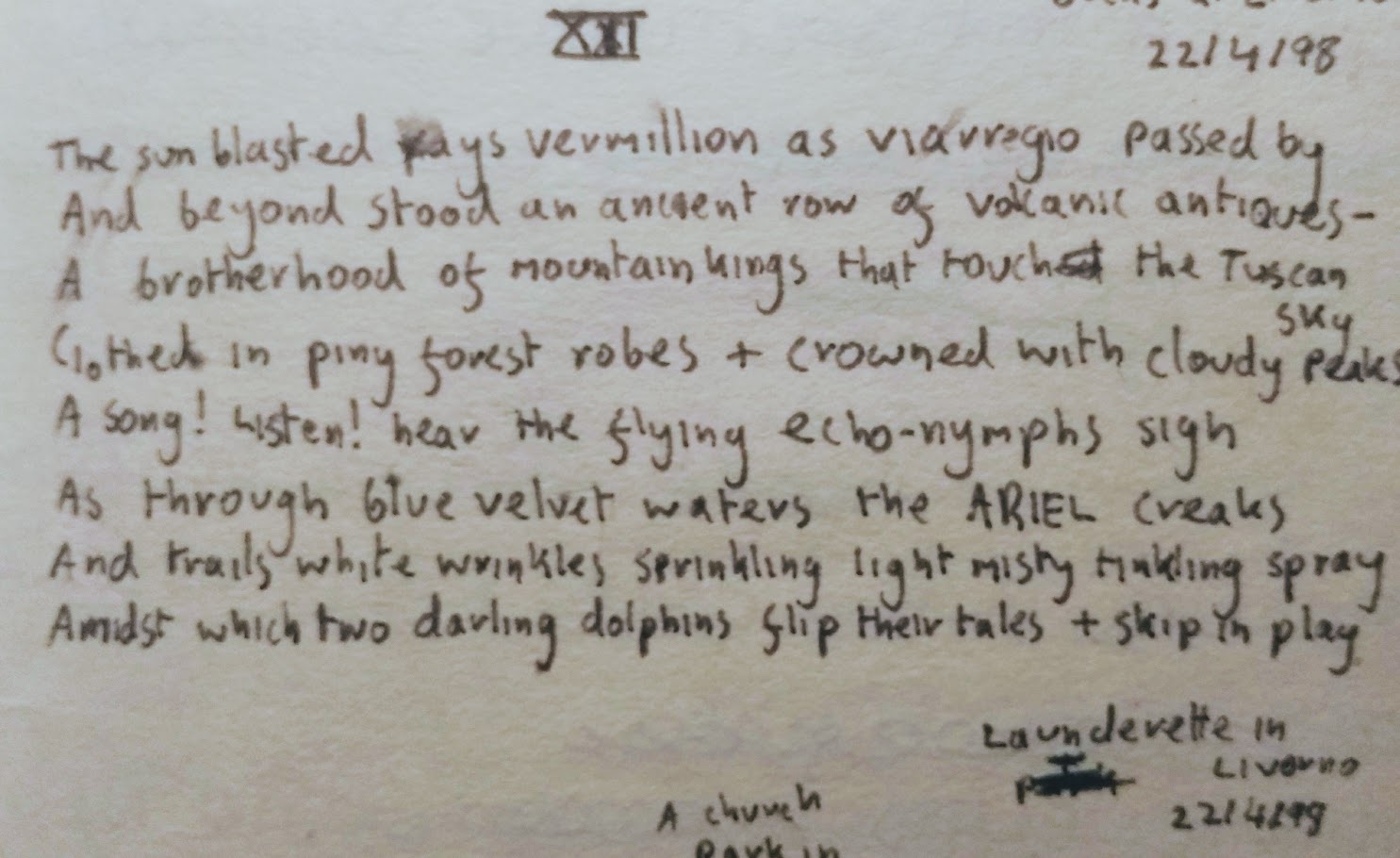
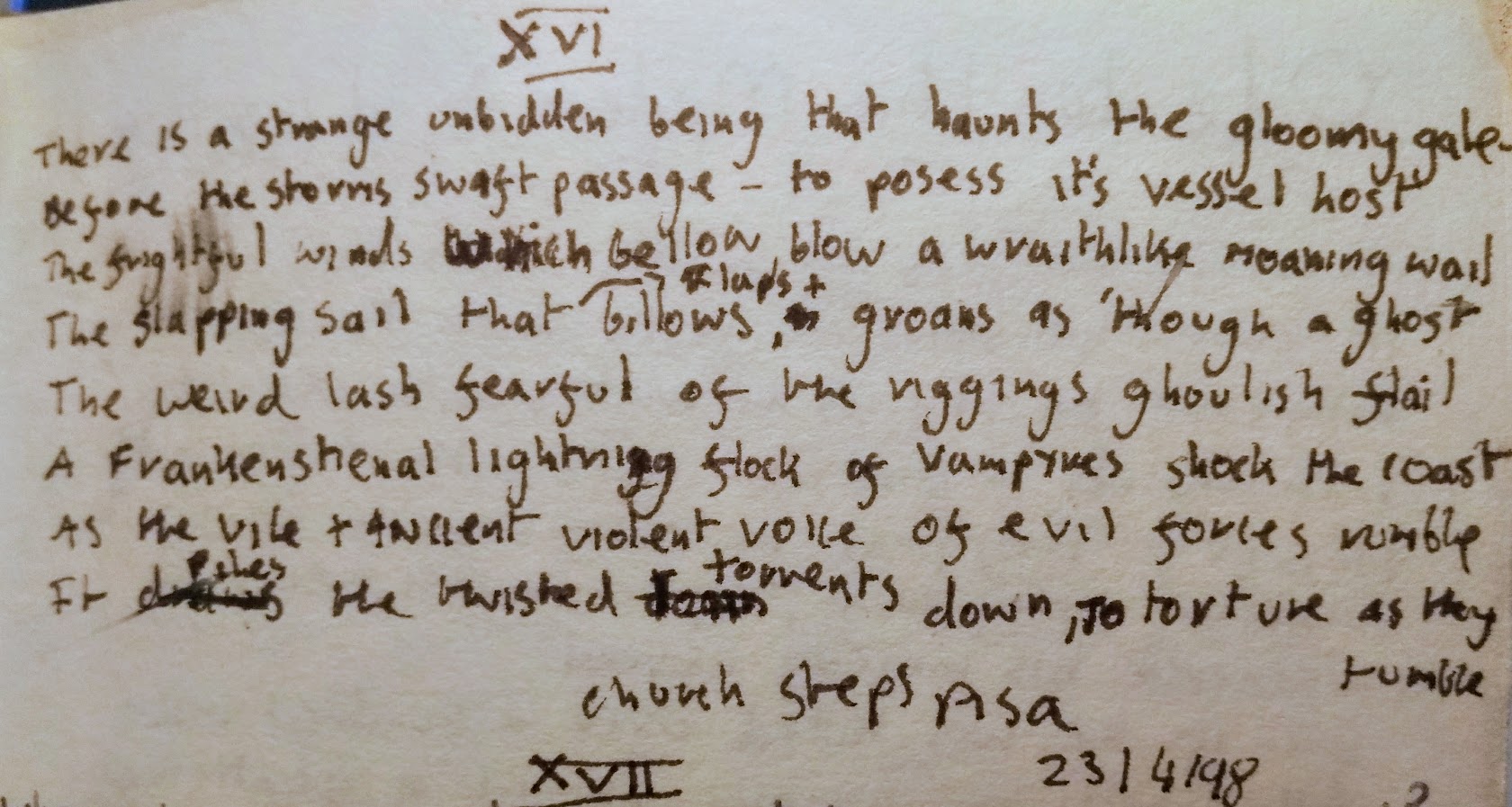
Continuing Damian Beeson Bullen’s retrospective adventure through the journey that made him a poet…
MONDAY 27th APRIL 1998
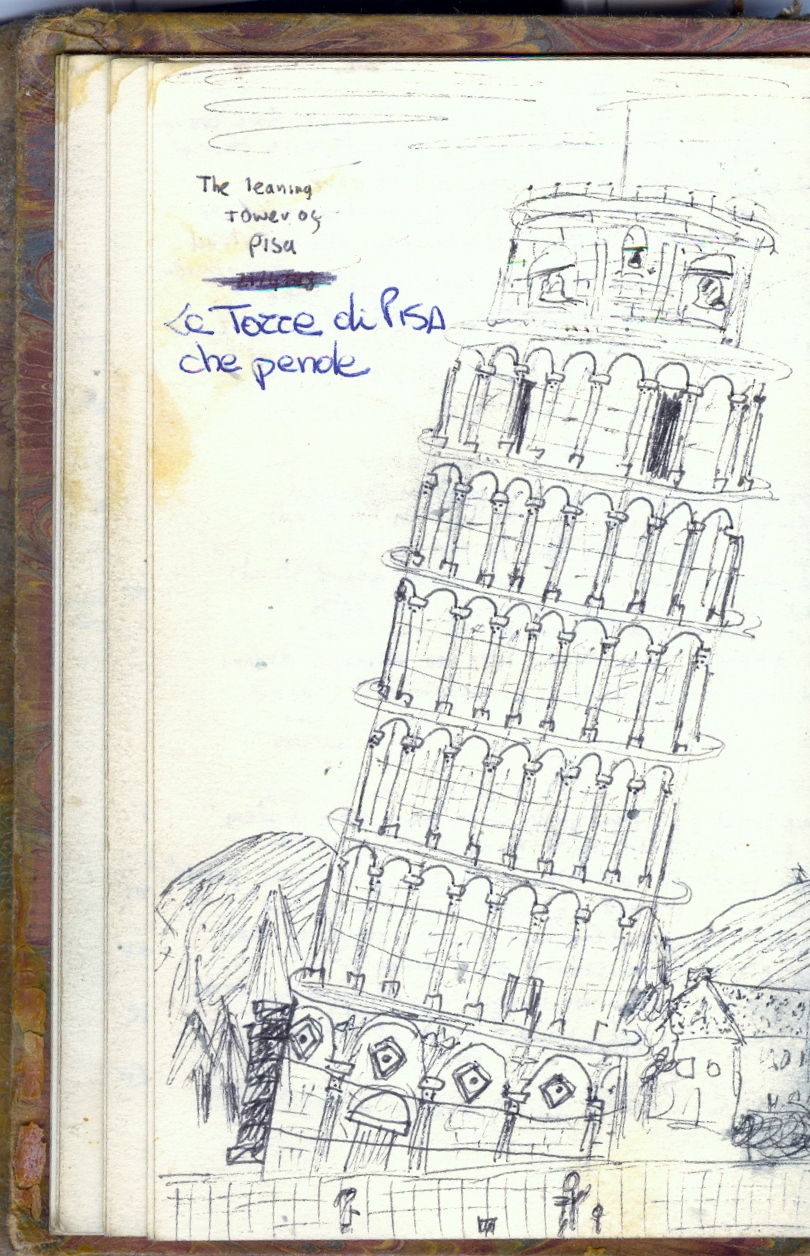
A policeman woke me up, a la Saturday, & went to the usual spot. Jesse was there snoring & Kapitano went off to get stoned. Slept another couple of hours, then went for one last walk around Pisa. Found out last Saturday’s football scores – its an Arsenal championship & touch & go on Burnley’s relegation issues. Then I said goodbye to the gang & actually broke free! I’d never expected to spend ten days in Pisa, but I did & they were mentally funny!
On the way to the stazione I had a bit of wine with a Yugoslavian who had escaped from the civil war in 1991, who very kindly taught me a little Italian. After this I bought a new writing book (4500 lira) & a pencil (500 lira). I was going to steal them, but my good angel took over. I’ve got some important poetry to write & its better I do it with a clean karmic conscience.
I had a couple of hours or so to kill before my train to La Spezia, so I made out an itinerary & sorted my bags. In short, I have a few day’s food, very little money – my emergency tenner plus 3,800 lira including 3000 from Kapitano as a parting gift – & a desire to write some beautiful poetry!
After 10 days’ skill rust, the train jump was touch & go at moments, but successful in the end. The journey was cool, sticking my head out of an open window & feeling the intercity wind rush through my hair. The sky was severely overcast, the mountains obscured in a rolling sea-mist, then I sensed it was time to hide in a toilet. I timed it wrong & emerged face-to-face with the conductor. He went ‘uh’ & pointed to his ticket. I went ‘uh’ & gestured down the carriage, in which direction I went before hiding in another toilet. This made me edgy, so I got off one stop early.
It was now beginning to rain. I bought some water, but pinched some vegetables, & caught a bus to La Spezia. The ride was OK, & allowed me to absorb the scenery. Then, as I caught my first glimpse of the bay – the Gulf of Poets – I felt a mad, poetic rush tingling thro’ my body.
The bus wound along the coast, thro’ Lerici & its ‘Hotel Shelley’ & into busy looking La Spezia, where I quickly caught another bus for Portovenere, my main destination on this leg of my writing tour. This new bus wound around the northern curve of the bay, which was looking really cool. The scene was spoil’d a little by the modern docks, altho’ the warships were charming.
Eventually we arrived in the ‘centro’ of Portovenere, where I hopped off the bus into a shower. I quickly sprinted to a dry-spot, full of rubbish & stray cats. At this point I was definitely NOT buzzin’ off my excursion. The rain stopp’d soon enough, however, & I took my first look at the town.
Portovenere – Port of Venus – is an old wall’d place, the main street being about 10 feet wide, if that, & lined with shops. The place was very quiet, & after a couple of minutes walking I arrived at an old church & medieval ramparts. It was all very poetic & I was moved by the colour of the place – the most violent greys I’ve ever seen. At the end of the village I look’d out over the sea, where angry-looking folding clouds beckon’d more rain.
I scrambl’d down to some rocks, where I ate a small meal while watching the sea roll & thrash its wild sprays as it crash’d against the rocks. I then climb’d some more rocks behind me to the right, where on a jagged promontory I sat like a wizard inspired, rattling thro’ a new stanza for ‘The Death of Shelley.’
Having chang’d my mind about sleeping by the ocean (I was bound to get wet), I made my bed in an old building, dry & windproof, then took a little stroll along the boat-lined seafront. Out across bay the scatter’d lights of various settlements marked mankind, including a largish island just off the coast of Portovenere. I think I will swim across. According to a plaque at a place called ‘Byron’s Grotto,’ the poet swam the width of the entire bay once. The Gulf of Poets indeed!
I had a quick cappuccino & work’d out my stay in the area would be three days -’til the end of this journal & the end of April – & perhaps my money! I then return’d to my bed where, after a scare with a screaming cat, I fell asleep to the wish-wash of waves.
The clifftop where a poet was born
THURSDAY 28TH APRIL
A busy day indeed! Awoke quite rough in a dusty place – I could have pick’d a better spot actually – & breakfasted on one of my pre-prepared butties. A was almost on auto-pilot as I blindly got on a bus to La Spezia, half-asleep & bleary-eyed.
On re-arrival in La Spezia, I asked a couple of folk & discovered where Shelley’s final home was – San Terenzo. I also did a spot of shopping; some lovely bread & few eggs, two of which would smash before the end of the day. Back in Portovenere, I spent the afternoon wandering about, climbing the steep steps of Portovenere a thousand times, & found these amazing caves just along the cliffs. I proceeded to move all my stuff there, intending to sleep there come nightfall.
I then made a visit to Le Grazie, the wee bay before Portovenere, where I bought wine cigarettes & had a very enchanting walk around an old Roman villa. It was then back to Portovenere & my swim to the island I saw yesterday. The waves were quite powerful, but I made it there & back, where I was greeted by screaming Italian schoolgirls.
The poet at Byron’s Grotto, 2012
The physical effort had left me craving sugar, so I went to the local shop on the edge of town to pinch some chocolate. I got out OK, & sat outside chomping it over the sea a little too blatantly. Suddenly the owner appeared on my shoulder & order’d me to pay – fair enough, & he could have given me to the cops.
By late afternoon I was busy preparing an evening’s fire. The caves were cool; a rocky quarry with lots of nooks & crannies to explore, plus a center-piece rusting truck. I also had a magnificent view of Portovenere & the long expanse of the Mediterranean, when to the crash of waves of rocks I was fill’d with the spirit of poetry.
I prepared everything I needed to cook a meal that night, then with about an hour or so of sunlight left I decided to make for the highest cliff I could see. I had arm’d myself with a pen, a book of Shelley’s poetry to read & also write in, plus the all-important wine.
Shoving everything down the back of my pants I had a great time climbing up the rocky cliff, when at any time I could have fallen to my doom. It seemed like a wall of vegetation had been thrown up to keep out humans, but I defied it & got through with only a couple of cuts. My jumper kept out the rest.
I wander up the coastline for to muse,
Set up my camp in the cliffside quarry,
Resplendent in luscious blue sea-side views,
Round the chapel of Portovenere,
For here, tonight, my life & art shall fuse
& I, awakened to my destiny,
Prepare for the sun to set ‘low the line,
By buildin’ fire, entrin’ town, stealin’ wine.
With topless bottle of red in my hand
Up the cliff-face I scamper with the might
Of some fabled hero from Plato’s land.
I claim the top, where gulls in freedoms flight,
Silhouette the settin’ sun, a wide band
Of gold spread cross azure seas, from this height
I muse on the rippling sea meadows blue –
This evening gives birth to a poet true.
I pause to reflect on the life I knew,
Nice house, nice job, nice girl, nice skunk, nice deal
& compare it to these skies & seas of blue
And this sense of assurity I feel.
At joinin’ the elite, select brave few
No more a cog on the soul grindin’ wheel.
Besides, England does my fuckin’ brain in
& I bet, as I write, it is rainin’.
When I could go no further I found myself on a ledge about 300 feet above the sea, watching the gulls swoop & the sun going down. I was in perfect solitude & thoroughly inspired, & flew thro’ a few new stanzas. In the ever-fading twilight I set off back, but came across a path that led upwards & onwards over the cliffs for miles. So, in search of adventure & poetical ascension I too the way.
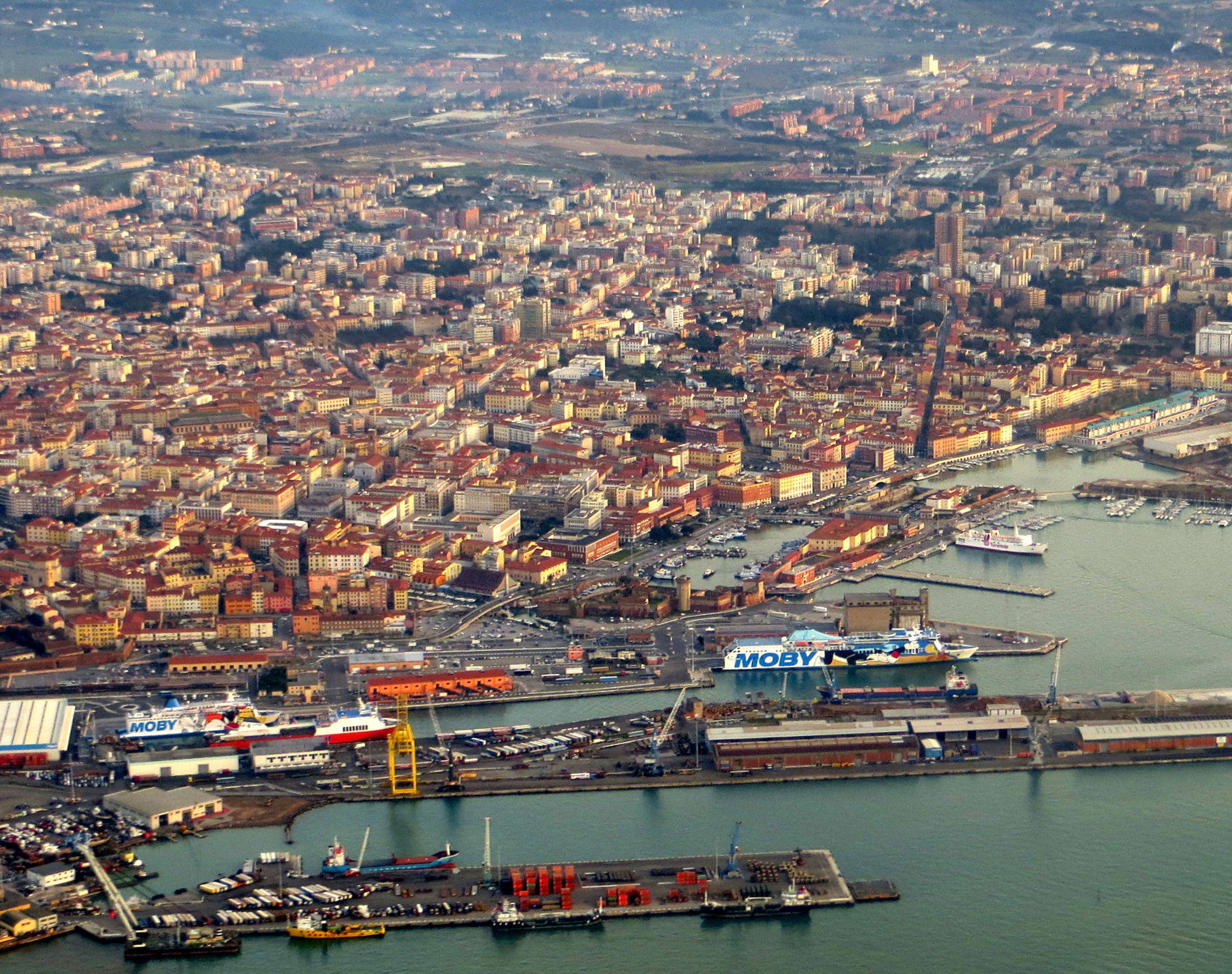
I pass’d some abandon’d buildings – how they got the stone up there I’ll never know -, then reach’d a TV ariel station thingy. I leapt a few feet onto its roof & took in the panorama. The whole Gulf of Poets was lit up, with a sailboat lit up quite splendidly at its center, & I could even make out the lights of Livorno, way down the coastline.
By now it was almost dark, so I descended back down along the path, gaining another stanza en route. I enter’d Portovenere tipsily singing, “COME ON YOU CLARETS!”, which echoed around the mountains & disturb’d some dogs. I nestled at the foot of the castle for yet another stanza, before plunging into town for even more composition. It was then that my pen finally ran out, so I made my way up those bloody steps one last time & back to my cave.
I lit the fire & cook’d up some noodles, veg & an egg. Another egg & a sandwich had mysteriously disappeared! It tasted gorgeous, & was topp’d off with cake & chocolate & the rest of the wine. A suitable, celebratory feast for being a poet & being alive!
In the firelight I manage to finish off the first canto of my poem. It truly was a magnificent night & made me believe that the life I have chosen is a worthy one. Poetry contains the essence of life itself, & a life of poetry is a life well lived. With this in mind I went to bed satisfied & fell into a sound, profound slumber.
WEDNESDAY 29TH APRIL
Woke up in quite a good state, & just lay in my makeshift bed for a while, staring at the cavernous ceiling. I then emerged & spent a couple of hours writing up neatly last night’s work, which I read aloud on the clifftop to the roar of waves. The day was hot & cloudy, & about 2 in the afternoon, after a quick sketch of the church, & packing up all my stuff, I made my way to the bus-stop. It was time to leave Portovenere.
The bus took me all the way around the bay – through Le Spezia & into wee San Terenzo. On arriving I stash’d my bags on a sloping, forested hill – there was nowhere else to do it – for houses filled all the flat terrain. I took a stroll to the seafront, quite pretty but not rivetingly amazing. I can see what Shelley saw in it, tho’, its very relaxed out of the way.
The bay here is quite small – I could see Portovenere in the distance, & Lerici just along the coast. The best bit, of course, was Shelley’s last house – still standing. The Casa Magni was very enthralling, & I read the plaques & chilled in front of it for a while, in the sun, feeling pretty good about myself.
San Terezno
I decided to prepare for another night of poetics, & walk’d along the bay to Lerici – a similar place to San Terezno, but a little bigger. I bought bread, fags & more 30p cartons of wine, & stole some veg, leaving me 13,000 lira. This part of the Gulf of Poets was thick with small sailing boats, & extremely quiet – not as resorty as Portovenere, but I guess it might my way back to busy up in the Summer.
I made my way back to the place I stash’d my bags, a quite pretty spot surrounded in snowdrop like flowers. I prepared a fire, played my guitar & then, just as the sun was gradually falling, I went on an appetite-building walk. I found a lovely & secluded sandy beach where I chill’d for a while thinking about my poem, then returned to my ‘site’ to light the fire & cooked up a crude but hearty ‘woodman’s slop.’
I then made up a bottle of wine from a carton & went back to the house to write some poetry. Alas, soon after I arrived it began to rain, so I ran back to the site, grabb’d my stuff & moved to a hut near by which I’d scouted earlier in the day as a potential sleep-spot. This turn’d out to be a good move as the rain began lashing it down, belting off the corrugated roof. It was, however, all proper buzzin’ as I drank my wine & composed poetry – the first two stanzas of the second canto of my poem.
THURSDAY 30TH APRIL
This is my final entry in this journal. A time to reflect on what has been quite an interesting month; my first foreign holiday for years & my first ‘real’ traveling experience. I have visited five countries, sampl’d many cuisines & alcohols, got stoned more than a few times, created literature, jump’d trains with some proficiency, & ate like a king.
I awoke in the woodshed to a world still raining severely. I snuggl’d down in artistic defiance spent a few hours writing, reading & completing last night’s sleeping. The rain just kept on coming all day – never really stopping til 10PM. I knew a full day in as shed would not be very good for the muse, so at about 2PM – in a relatively brief lull in the weather – I braved the outside world.
I began to hop on & off busses, riding around for a bit & composing poetry on cardboard with a blunt pencil crayon, until I reach’d Sarzana. I look’d at the places the trains went to & saw that Luni was only a few minutes away. Apparently there was an ampitheatre there, which I’d read in a visitor’s guide I’fd pick’d up at La Spezia. So I got myself there, admiring my very fine – if a little patchy – new beard in the toilet.
On arriving at Luni it was still raining, but I trudged the half mile to the site, climb’d over the fence & chill’d out amid the impressive ampitheatre. It always amazes me how civilized the Romans were – but if their society can break down, so can ours!
On the way back to San Terezno I pinch’d some bratwurst from a supermarket, along with wine & bread which I bought, then prepared for a long wait at the stazione. It was one of those two trains a day, middle of nowhere places, but to my surprise a train duly arrived in just a couple of minutes, & a few minutes later was back in my shed! All my stuff was still there, & only a little damp!
I changed shows & headed straight back out – I had the muse – for La Spezia, arm’d with wine, a new pen I’d pinched from a lottery place,& some proper writing paper. I wander’d about the city for a bit, writing away by the palm-tree lined, boat-congested harbour, then in the peace of a park.
I was taking my poem to the height of imagination – Xanadu. Coleridge had had a glimpse of it once. In another of those trippy moments that occur in my life, just as I got to the stanza that describ’d a poet’s heaven, I arrived at a bus-stop & there on a poster was the word, XANDAU. Trippy, eh?
I was soon back in my shaky, comfy shed, eating a hearty feast of bread & a tin of tomatoes, which I’d laced with soy sauce & pepper. And so, reflections on April – there are too many & I am too drunk. Ciao April 1998, we had a good ‘un.
A couple of Augusts ago, the same weekend that Burnley were playing Spurs away at Wembley Stadium would coincide with the Notting Hill Carnival. This was the perfect occasion to visit London with my newly acquired American wife for our first time together. After a deli-lunch on Primrose Hill, I thought we could plunge within the city’s sweatbox in the direction of Leicester Square, for I wanted to show her something cool. Unfortunately, the cool thing wasn’t there any more, or rather they weren’t there, those floor-embedded metal plates which showed you how far away & in which direction the capital of each of the British Empire’s former colonies & dependencies lay. For a moment my soul was pricked by sadness & regret for the end of the imperial adventure, a sentiment which is, according to a new book co-authored by Danny Dorling & Sally Tomlinson, one of the chief motivating forces behind Brexit.
University. A school, where all the arts and faculties are taught and studied, and where, in the view of some news-sheets and political hacks, there are seditious lectures against Brexit – Harry Eyres & George Myerson
Before the book arrived at my desk, I thought I’d check out some other reviews. To my astonishment, they were rather over-vitriolic, which I find an instant red flag to the reviewer’s nerves being twanged. Investigating further, I discovered one reviewer was a tweeter in support of Tommy Robinson & another – Patrick Maguire of the New Statesman – had obtained a “First class dissertation on the political significance of Enoch Powell’s classical scholarship.” For those who do not know, Enoch Powell was a right nob-head racist politician from the 1960s. After reading the book myself, I found the essence of these heavily politicized reviews was to find one point out of a 1000 accurate & insightful statements, & waste half their review-ink attacking the research in order to diminish the other 999.
Why would you allow a handful of billionaires to poison your national conversation with disinformation—either directly through the tabloids they own, or indirectly, by using those newspapers to intimidate the public broadcaster? Why would you allow them to use their papers to build up and co-opt politicians peddling those lies? Why would you let them get away with this stuff about “foreign judges” and the need to “take back control” when Britain’s own public opinion is routinely manipulated by five or six unaccountable rich white men, themselves either foreigners or foreign-domiciled? – Joris Luyendijk
So to the book itself, the crowning erudite cherry on the Brexit Book cake. Rule Britannia: Brexit & the End of Empire was published in November 2018, & is a yardstick zeitgeistograph still relevant 6 months later, when nothing much has actually happened in a Brexit process suffering delay after delay, & also eroding the traditional parties’ powers as seen in the recent local elections. Its authors are both Oxbridge connected scholars, but coming from a non-Etonian angle. This enables a refreshing honesty to talk about what they have observed in the leadership factories of Britain, which create situations where the present Tory cabinet has no representative from the working, & even middle, classes.
Danny Dorling
The chief seam of the authors’ investigations is that certain influential elements among the British were suffering a terrible hangover after losing the Empire. As the profits from imperial ‘tribute’ disappeared – i.e. those one-sided trade deals with the colonies – the country decided to bed down with the European Union for financial security. Roll on four decades, & with old colonial families hankering for the glory days, coupled with an imminent European Parliament cut-down on tax-avoidance by the super-rich, & bo-oom! you’ve got the self-interest dream-team that masterminded Brexit. Of course, the democratic rights of 17 million voters had to be fooled & manipulated, but luckily the old ‘blame the immigrants’ carpet was safely tucked in Enoch Powell’s cupboards, & was rolled out to great fanfare by the Leave-dominated press. In essence, all the crap the British are experiencing right now is to preserve a few family fortunes. Time will look back on this period & say what the Leave vote really meant was an abandoning of a sinking ship by intelligent & skilful immigrant workers, who chose to Leave a place of insults & scapegoating.
The Brexitier’s bus outside parliament.
Eight years ago we were worried about the BNP. Four years ago we were worried about UKIP. Now it is the conservatives themselves who are the driving force behind division & fear – Concerned Parent
The British Empire had its nasty moments – its a century since Amritsar, two since Peterloo. It let the Irish starve & heavily compensated the slave-traders on the abolishment of that dreadful business. While plundering a quarter of the world for its own gain, the Empire also created a syllabus of eugenicized fictions for its children – the white race was superior, & among the white races the British was defiantly the best. This created natural condescensions in the British consciousness, when the domestic underclass & the imperial over-class united in a sense of patriotic superiority. ‘This rotten alliance,’ say the authors, ‘still exists in the twenty-first century and goes some way to explaining the xenophobia, racism and hostility that is such an obvious part of our British heritage.’
With the inevitable maturing of the Human psyche, British education will actually focus on the waves of immigration which created its rich DNA, from the Belgic tribes of Ceasar’s day, to the Polish influx in recent years. Unfortunately, jingoism still jangles in school texts, especially in the old classrooms of the nation’s elderly voters, the majority of whom opted for Leave in 2016. Another majority vote was an eye-opener. Coming from Burnley (the Spurs game was 1-1, by the way), I’ve had absolute bell-ends remark that my townsfolk were responsible for Brexit, & I kind of went along with it. Danny & Sally’s research quash the myth, explaining that the Brexitiers were basically slightly less well-off Tories from a relatively immigrant-free Middle England, wondering why they weren’t doing as well as other Tories across the land. Brilliant!
The UK sits on its own as a rich economy that experienced a strong economic performance while the real wages of its workers dropped – Valentina Romei
Sally Tomlinson
Rule Britannia is a real eye-opener of a book, a lucid text complemented by lots of lovely graphs, maps & diagrams. As I read it, I really enjoyed how many paragraphs finish with a punchline of divergent thought, like the final turn’d couplet in an Elizabethen sonnet. The tale we are told presents in a pretty unarguable fashion how the rich are getting richer via measures of draconian austerity, working the poor so hard – & into a state of weakness – that they will not be able to protest against acts of clear theft perpetrated by the increasingly wealthy. I mean, we’re never told this by the press, but how can a Britain of 2019 see a rise in death-rates, child poverty & infant mortality. We are also informed of British society’s being left behind by a more progressive mainland, leaving me with the conclusion ‘why on earth would we actually want to leave.‘ But the authors do retain optimism, explaining how Brexit might be the kick up the arse we all need, the great opening up of the British psyche when, ‘there is a great hope that we will learn from our mistakes & become better people.’ It is indeed high time we British discovered the scandalous truths behind the appropriation of wealth by the rich at the expense of the vast majority. The ‘Remainers’ – I personally believe we should be bringing down barriers not putting them up – should also take solace in the fact that 71 percent of under 25s – the country’s future – voted to remain in Europe.
When a country decides to invest in arms, rather than in education, housing, the environment & health services fort its people, it is depriving a whole generation of the right to prosperity & happiness Oscar Arias Sanchez
The gates of Trinty college cambridge (the richest in all of England). Again people sleeping in tents outside. This college is about to do a “mini-Brexit” and attempt to privatise its pension scheme to be the first to leave the all university wide scheme (which could then lead to it leaving for the UK higher education system…)
The only drawback of this book is that although the authors rightly paint Britain as a place of drudgery & misery for the masses, the evidence they present is only cool comment & cold statistic. There is no experiences of wandering around the estates of Hull, North Peckham, Paisley & Burnley Wood. A little more research into who these ‘kind’ of leave-voters were would have complemented their theory & presented a more kaleidoscopic & believable solution. But what they have focused on, one cannot deny is perfectly sound, informative & page-turningly entertaining, a brief sample of which I shall present in aphorismic fashion.
QUOTES FROM THE BOOK
Delusions of grandeur are essential to rule over an empire. A people have to fool themselves, & to be fooled, into believing that they are special enough to rule over huge multitudes of others
When you destroy the textile industry in one continent, after enslaving people from a second continent and forcing them to pick cotton in a third continent to be woven in Manchester, all to make a profit, you are receiving tribute
When its people fail to adapt, an empire mentality remains a long time. Especially when it is it not clear to many people in the UK by whom or what the empire was defeated
Many of the British elite came to believe that the British were personally the pinnacle of humanity, & particular families in Britain were at the very top of that pinnacle
The last time pay fell as much as it has fallen recently was during the 1860s & 1870s… life expectancy in the UK has stalled in a way that, like pay falls, has not been seen since the 1860s. It is projected that an extra million years of life will be lost by 2058 if these trends are not altered.
Some of those who consider themselves elite can often be rather dim. They talk of themselves as ‘privileged,’ to have been selectively educated, whereas the real privilege is to be educated among all your peers. How can you understand other people if you have never properly mixed with them?
It is actually a privilege not to have been sent to a boarding school or taught old-fashioned arrogant ideas. It is a privilege to get to know your mum & dad as you grow up rather than seeing the nanny and house master as your substitute parents
Just one of the many problems the British have is the amount of money they spend attempting to retain the advantage of a small elite whose children are seen to deserve their privilege. That requires their parents to prevent too many lower-class children joining their group, going to their schools, their universities, taking their jobs & buying similarly impressive homes
What is the point in sending your children to a grammar or private school if later they have to compete with children from good comprehensives who know more about life than your children do? No wonder so many Conservatives hate comprehensives
When India, & then most of the colonies in Africa, won their freedom, The British race found themselves suddenly becoming much poorer. They blamed the trade unions & socialists in the 1970s. To try to maintain their position, from 1979 onwards they cut the pay of the poorest in a myriad of ways & vilified immigrants in the newspapers they owned or influenced
The British had been distracted from the rise in equality & the consequent poverty that grew with it by decades of innuendo & then outright propaganda suggesting that immigration was the main source of most of their woes.
In Britain, as soon as economic recovery began, the rich pocketed all the proceeds – at the expense of the large majority. Such a scenario is only achievable with uncontrolled greed at the very top & a prevailing spirit of meanness
The whole idea of being just one of 28 European states, & having to cooperate & compromise, rather than lording it over them, had never gone down well with the manufactured British psyche.
Part of the reason Britain has been so happy to welcome in the super-rich from other countries is that extremely rich people currently bankroll political parties, especially when that is in their direct financial interest – if they can successfully lobby for lowered taxation & regulation, that’s money well spent
The Leave campaign also had the uncosted support of Rupert Murdoch & most of British tabloid newspapers, as well as the Telegraph & Sunday Telegraph
The key vote for leave came from the English home counties and the narrow band of counties that surround them
In short, then, Tory England voted Britain out. These were areas that had often loyally voted Conservative for decades, but economically were not doing anything like as well as other Tory areas, which cannot have seemed right to many people living there
Older, less well-off, less well-educated Tory Britain was where the most votes for Brexit were. It cannot be said often enough. It was not Sunderland or Stoke that swung it.
They desperately wanted Britain to leave. But even they were shocked that Leave won on the first attempt. In a way it was a little too early for them. They were not prepared for their victory, & did not know what to do with it.
Whatever kind of Brexit occurs – hard, soft, or even cancellation and staying in the European Union – Britain will be much diminished by the Brexit process
Dublin is currently experiencing a building boom as firms quietly relocate to Europe’s only other English-speaking state
The future of farming in Britain has been cast into great uncertainty, as the UK may well not be able to replicate the EU farming subsidies in future, & at the same time fund its National Health Service & keep its taxes low for the rich & its efficient industrial & service sectors as they currently are. Something is going to have to give
Today we are all the detritus, the debris of empire, & we have to build a new raft from that
As the immigrants are no longer arriving in enough numbers to be blamed, the attention will increasingly be focused on the rich & the greedy
Partly as a result of Brexit, the next generation will soon have a far better idea of the sins, misconceptions & ignorance of their fathers, & hence will be relieved when the UK cease to be a significant military power. It is for the next generation to make Britain decent, to make Britain human & to consign the empire’s triumphant song to history.
Continuing a series of classic essays on literature. This month sees one of the Romantics reflect his work in assembling the famous collection – Minstrelsy of the Scottish Border
The invention of printing necessarily occasioned the downfall of the Order of Minstrels, already reduced to contempt by their own bad habits, by the disrepute attached to their profession, and by the laws calculated to repress their licence. When the Metrical Romances were very many of them in the hands of every one, the occupation of those who made their living by reciting them was in some degree abolished, and the minstrels either disappeared altogether, or sunk into mere musicians, whose utmost acquaintance with poetry was being able to sing a ballad.
But the taste for popular poetry did not decay with the class of men by whom it had been for some generations practised and preserved. Not only did the simple old ballads retain their ground, though circulated by the new art of printing, instead of being preserved by recitation; but in the Garlands, and similar collections for general sale, the authors aimed at a more ornamental and regular style of poetry than had been attempted by the old minstrels, whose composition, if not extemporaneous, was seldom committed to writing, and was not, therefore, susceptible of accurate revision. This was the more necessary, as even the popular poetry was now feeling the effects arising from the advance of knowledge, and the revival of the study of the learned languages, with all the elegance and refinement which it induced.
In short, the general progress of the country led to an improvement in the department of popular poetry, tending both to soften and melodise the language employed, and to ornament the diction beyond that of the rude minstrels, to whom such topics of composition had been originally abandoned. The monotony of the ancient recitals was, for the same causes, altered and improved upon. The eternal descriptions of battles, and of love dilemmas, which, to satiety, filled the old romances with trivial repetition, were retrenched. If any one wishes to compare the two eras of lyrical poetry, a few verses taken from one of the latest minstrel ballads, and one of the earliest that were written for the press, will afford him, in some degree, the power of doing so.
The facility of versification, and of poetical diction, is decidedly in favour of the moderns, as might reasonably be expected from the improved taste, and enlarged knowledge, of an age which abounded to such a degree in poetry, and of a character so imaginative as was the Elizabethan era. The poetry addressed to the populace, and enjoyed by them alone, was animated by the spirit that was breathed around. We may cite Shakespeare’s unquestionable and decisive evidence in this respect. In Twelfth Night he describes a popular ballad, with a beauty and precision which no one but himself could have affixed to its character; and the whole constitutes the strongest appeal in favour of that species of poetry which is written to suit the taste of the public in general, and is most naturally preserved by oral tradition.
The expressions of Sir Philip Sidney, an unquestionable judge of poetry, flourishing in Elizabeth’s golden reign, and drawing around him, like a magnet, the most distinguished poets of the age, amongst whom we need only name Shakespeare and Spenser, still show something to regret when he compared the highly wrought and richly ornamented poetry of his own time with the ruder but more energetic diction of ‘Chevy Chase.’[6] His words, often quoted, cannot yet be dispensed with on the present occasion. They are a chapter in the history of ancient poetry. ‘Certainly,’ says the brave knight, ‘I must confess my own barbarousness; I never heard the old song of Percy and Douglas, that I found not my heart more moved than with a trumpet. And yet it is sung by some blind crowder, with no rougher voice than rude style, which being so evil apparelled in the dust and cobwebs of that uncivil age, what would it work, trimmed in the gorgeous eloquence of Pindar?’
If we inquire more particularly what were the peculiar charms by which the old minstrel ballad produced an effect like a trumpet-sound upon the bosom of a real son of chivalry, we may not be wrong in ascribing it to the extreme simplicity with which the narrative moves forward, neglecting all the more minute ornaments of speech and diction, to the grand object of enforcing on the hearer a striking and affecting catastrophe. The author seems too serious in his wish to affect the audience, to allow himself to be drawn aside by anything which can, either by its tenor, or the manner in which it is spoken, have the perverse effect of distracting attention from the catastrophe.
Such grand and serious beauties, however, occurred but rarely to the old minstrels; and, in order to find them, it became necessary to struggle through long passages of monotony, languor, and inanity. Unfortunately it also happened, that those who, like Sidney, could ascertain, feel, and do full justice to the beauties of the heroic ballad, were few, compared to the numbers who could be sensible of the trite verbiage of a bald passage, or the ludicrous effect of an absurd rhyme. In England, accordingly, the popular ballad fell into contempt during the seventeenth century; and although in remote counties[8] its inspiration was occasionally the source of a few verses, it seems to have become almost entirely obsolete in the capital. Even the Civil Wars, which gave so much occasion for poetry, produced rather song and satire, than the ballad or popular epic. The curious reader may satisfy himself on this point, should he wish to ascertain the truth of the allegation, by looking through D’Urfey’s large and curious collection, when he will be aware that the few ballads which it contains are the most ancient productions in the book, and very seldom take their date after the commencement of the seventeenth century.
In Scotland, on the contrary, the old minstrel ballad long continued to preserve its popularity. Even the last contests of Jacobitism were recited with great vigour in ballads of the time, the authors of some of which are known and remembered; nor is there a more spirited ballad preserved than that of Mr. Skirving (father of Skirving the artist), upon the battle of Prestonpans, so late as 1745. But this was owing to circumstances connected with the habits of the people in a remote and rude country, which could not exist in the richer and wealthier provinces of England.
The poet, perhaps, most capable, by verses, lines, even single words, to relieve and heighten the character of ancient poetry, was the Scottish bard Robert Burns. We are not here speaking of the avowed lyrical poems of his own composition, which he communicated to Mr. George Thomson, but of the manner in which he recomposed and repaired the old songs and fragments, for the collection of Johnson and others, when, if his memory supplied the theme, or general subject of the song, such as it existed in Scottish lore, his genius contributed that part which was to give life and immortality to the whole. If this praise should be thought extravagant, the reader may compare his splendid lyric, ‘My Heart’s in the Highlands,’ with the tame and scarcely half-intelligible remains of that song as preserved by Peter Buchan. Or, what is perhaps a still more magnificent example of what we mean: ‘Macpherson’s Farewell,’ with all its spirit and grandeur, as repaired by Burns, may be collated with the original poem called ‘Macpherson’s Lament,’ or sometimes the ‘Ruffian’s Rant.’ In Burns’s brilliant rifacimento, the same strain of wild ideas is expressed as we find in the original; but with an infusion of the savage and impassioned spirit of Highland chivalry, which gives a splendor to the composition, of which we find not a trace in the rudeness of the ancient ditty. I can bear witness to the older verses having been current while I was a child, but I never knew a line of the inspired edition of the Ayrshire bard until the appearance of Johnson’s Museum.
Lee Ann Roripaugh’s new collection effortlessly evokes the brutal powers of nature untrammelled & human emotions devastated by disaster
I thoroughly enjoy a themed collection of poetry, the Vishnu Upanishads, Ted Hughes’ Crow, even John Maserfield’s Salt-Water Poems & Ballads; so went into the reading of Lee Ann Roripaugh’s Tsunami vs. the Fukushima 50 with an appreciative bias. There is a certain nuance to the form which I enjoy when done well – it is not easy to make a themed collection hold a reader’s attention, for oftentimes a poet will get lost in the cul-de-sac housing schemes of their inspirations. However, ‘Tsunami’ actually transcends the form, a thought-splintered foray into the plosive destruction & pitiless aftermath of the March 2011 Tohoku earthquake & tsunami, which led to the Fukushima Daiichi nuclear disaster.
pulverized cities flung back
to water like sprinkled furikake
her radio-waved wake
an awful flower blossoming
Roripaugh tells the story through a personified tsunami, its effect on nature, & the human fall-out of tragic events both water-slaughtery & wrought by the radioactive chaos after Fukushima. As a poet, her wordplay is practically phenomenal, combining mimesi in startling combinations, like a talented skald getting drunk in a European court, coining exciting new kennings from the play-stuff of their exotic surrounds. In her opening poem, for example, we see the ‘annihilatrix’ ‘Mechatsunami’ described as ‘shellacked wings unclung / from stacticky black elytra.‘ I mean that is just a stunning couplet.
I’ve seen many terrible things:
cages filled with withered songbirds,
horses left to starve in their stalls,
an abandoned puppy that grew
too big for the chain around its neck
As the collection unfolds we are treated to a delicate diaspora of delights; lovely lists explore subjects like the Goblin Market of Rossetti; a soul captivated by nature paints what it sees with a vivid serenity; the terrible aspects of human loss rip thro’ our mentalities with a single spin of a shuriken-phrase. The following passage is a perfect example of Rosipaugh’s ability to weave the epic waste of life & liberty into her visionary free verse;
at first, I concentrated very hard
on trying to see my feet, to know
if I was a ghost or not, but when
sneakers filled with foot bones
began to surface in the Pacific,
I stopped thinking these thoughts
My favourite poem in the collection was ‘Hulk Smash’ a cinematic & pathosean dirge thro’ a father’s pathetic quest to find his missing daughter in ‘a toxic garbage dump’ where he searched for her ‘every month / in the five-hour increments / allowed by radiation guidelines.‘ In the age of Netflix, this is what modern poetry should really be doing, making us all mind movies, & Roripaugh activates the mental mechanisms sublimely. When the collection is knitted together, the overall effect is rather like the Lusiads of Luís Vaz de Camões, an epyllionic journey full of constant stimuli, where at one point we may lament ‘the gwa gwa gaw of frogs / stopped from invisible ponds‘ & at another hear a young lassie called Hisako declare;
it’s not like I ever asked
to come here and live
in this drafty prefab box
of corrugated metal
with my silent old granny
By the end of the book, I felt I had just been the weightless passenger on Roripaugh’s precious back as she free-soloed one of the minor slopes of Parnassus. Will she attempt one of the trickier faces? I do hope so, because her talent is unique. I cannot think of a poet since that of the anonymous composer of the Anglo-Saxon Chronicle’s ‘Brunanburh’ entry for 937 that has been able to condense so much of the aforementioned kenning quality into their lines. Roripaugh is also a master of moods, whose multiple shades spiral with voluminous variety as the story & stories are told. This is a book of high innovation on a level that you’re not quite sure where, but you know its happening – an excellent, excellent piece.
Continuing Damian Beeson Bullen’s retrospective adventure through the journey that made him a poet…
Friday 24th April, 1998
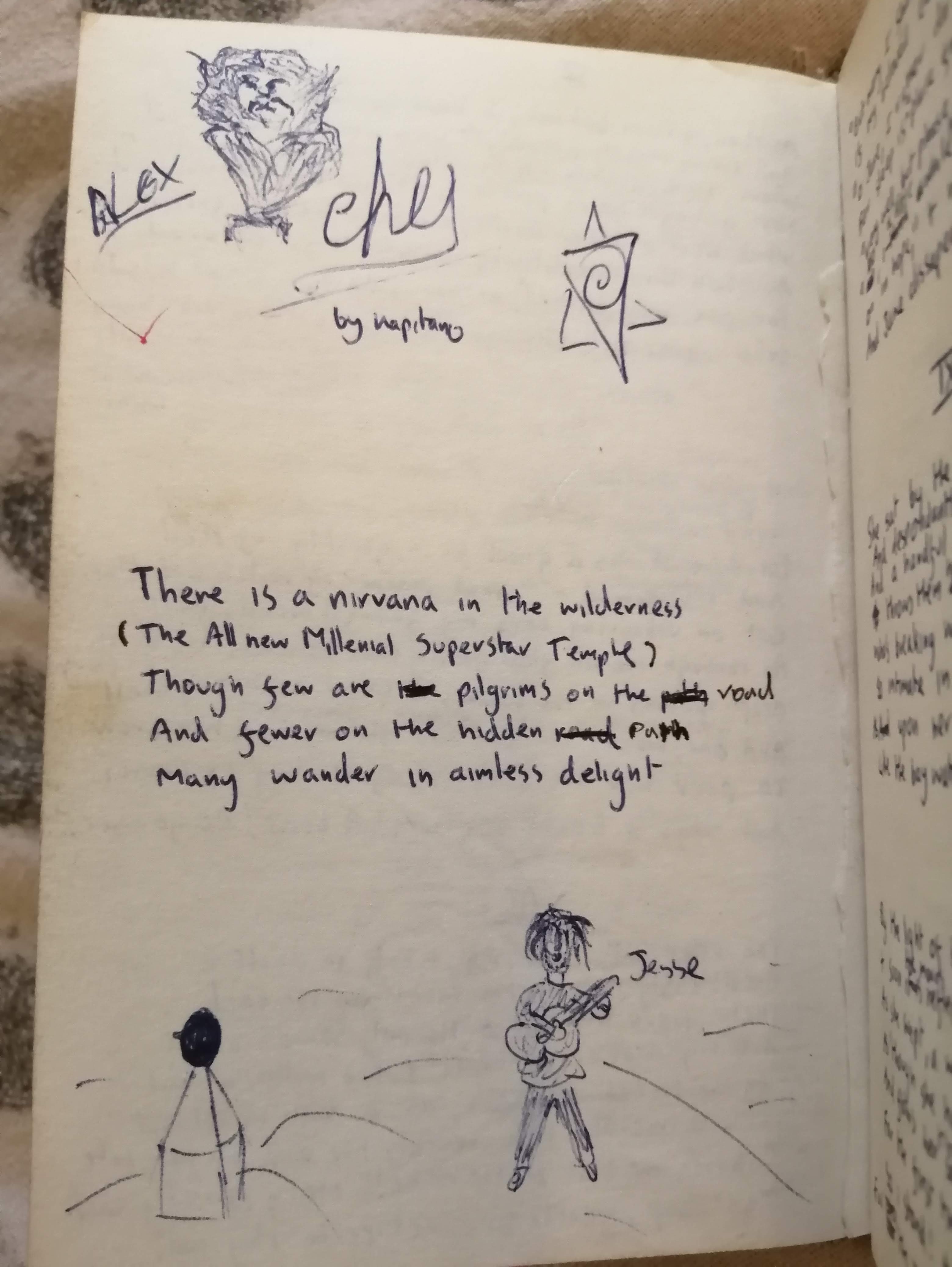
Another hot & pleasant day. Woke up at the Macanera, where Jesse spent half an hour searching for titbits. He found 2200 lira, 2 joints & about 3 joints worth of solid. Unfortunately he was so pissed last night that he lost his new guitar. Easy come, easy go!
We wander’d along the riverbank shouting ‘Kaptiano‘, until we found him asleep in some bushes. We quickly got a session going – vino & weed, while Kapitano made some cool South American style fires using an impossibly small amount of wood. We talked about shamanism & the Chilean mountains & peyote, Kapitano sure has traveled a lot, ain’t that the truth. He then blew my mind by having a whistling conversation with some nearby birds – amazing stuff!
Kapitano then split last night’s money 3 ways – I ended up with 6000 lira which felt wrong – but he’s the boss. We went to a different place for dinner – lots of seconds, it was quite empty. Over the plates Kapitano gave me my first formal lesson in Italians. It is as very noble language & it would be an honour to learn it. To be honest I’ve never had a faculty for foreign languages, but its worth giving it a go. I’d love to come back & spend more time in Italy. Maybe write some sonnets or something. Living among the Italians is a brilliant way to learn, but the only drawback is that my teacher is Chilean. I am sure I’ll be sounding rather unusual to the locals – a mixture of Burnley & Andes Chilean.
Managed a few more stanzas in a day which simply flew by. I had a cappucino & stuff, but the rest of the day was a blur. I dozed on a train platform for a bit – interspersed with having a jam with a cool Italian lad in transit – then at 10PM we moved from the stazione back into town.
Pisan Spring
I walk amidst the decadence
Fading from vain magnificence
Under an April Tuscan shower
& May’s sunny majestic sunny flower
& sometimes I startle the doves
From statues the wanderer loves
& the streets antique
Lend the days a certain, sensual mystique
Oft of the glorious Pisan sunset softly I shall speak
Tomorrow I think will be my last full day with Kapitano – I’m heading off to where my poem takes me.
I did a bit of busking, but not enough for any surplus cash – just enough for vino & fags, Went to sleep o the platform again for the night.
Saturday 25th April
Got moved from our sleeping spot in the early hours by a copper – so went & grabbed a few more zzzs at the normal spot. Had lunch, then found a nice shady spot to chillax all day. Gained some y-fronts & a new t-shirt, plus my 3rd new pair of Italian shoes! Spent the day musing & composing more odes. Didn’t do any Shelley stuff as I’m having a day off. I will travel to Le Spezia tomorrow for solitude & focus. 10 days have just flown by here in Pisa, but a guy must move on eventually. I saw some pictures in a magazine of La Spezia – it looks beautiful.
The River Arno is a gentle thing
As it makes his way from the Florentine Hills,
& is clean & as fresh as Spring,
Being bless’d with a music soft, serene,
Like the chorus of church bells that ring
Out over an evening Pisan scene,
At about 6, we headed back into the centre, where a concert was just finishing. Its Liberation Day. They were playing Pomp & Circumstance by Elgar (Land of Hope & Glory) just as I arrived. I got bored after a bit, so went off to skethc the sunset. It was more or less the same one that Shelley spoke of when Byron said he thought Venetian sunsets were incomparable. Shelley retorted;
Stand on the marble bridge, cast your eye if you are not dazzled on its river glowing as with fire, then followed the graceful curve of the palaces on the Lung Arno till the arch is naved by the massy dungeon tower, forming in dark relief, & tell me if anything can surpass a sunset at Pisa
As night fell, we began to busk again – with an Italian lass collecting instead of Kapitano – but a string snapped quite early on. I got a bit stroppy I felt a little wierded out & ended up taking my guitar to the riverside where I strummed an EEGA chord sequence, watching a bat fly about & fish leap from the Arno – all quite spooky & I was clad head to toe in black.
Kapitano worked like a madman without me – I’d had the cheek to call him lazy, so take that back. He is a fucking excellent guy, & my time with him has been an experience to say the least. With the wine flowing freely, for once I just sat & watched him at work – it was more comedy than anything. Everyone who handed over money was laughing. His play was my old pair of shoes, placed in the middle of the road, priced at 1000 lira (30p). He kept saying they were Leonardo di Caprio’s shoes & by the end of the night he had made 50,000 lira & he’d even picked up a woman.Her name was Sonja -she was a a bit rough like. He even borrowed my new sleeping bag to make the maternal bed!
I am not setting off tomorrow – it will be Monday after stocking up an my food store. I’ll find something else to do tomorrow, no problemo!
Sunday 26th April
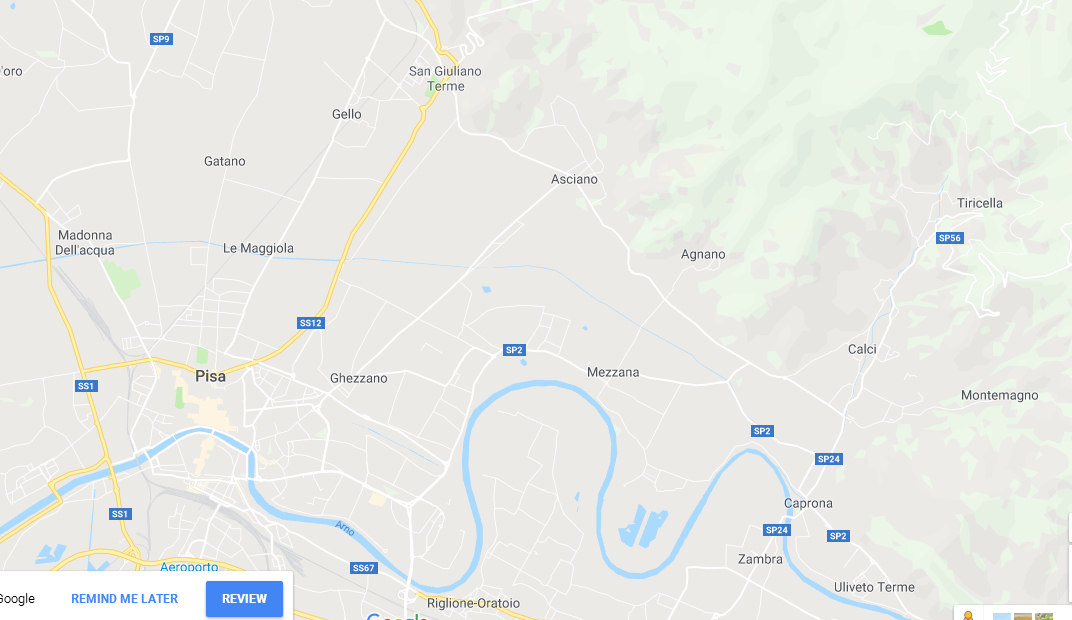
Quite an interesting day, perhaps a monumental one. The day began by waking up to see Jesse had got into bed with Kapitano’s new woman! Kapitano kept calling him ‘mother fucker’ all morning. I ate & made up a little lunch, then set off for a day in the Tuscan countryside. I wasn’t sure exactly where, but I read that Shelley had once lived in San Guilliano, & when I saw it was only 10 minutes away by train, I knew I had to go.
Our stay the baths of San Giuliano was shortened by an accident. At the foot of our garden ran the canal that communicated between the Serchio & the Arno. The Serchio overflowed its banks, &, breaking its bounds, this canal also overflowed; all this part of the country is below the level of its rivers, & the consequence was that itvwas speedily flooded. The rising waters filled the Square of the Baths, in the lower part of which our house was situated.The canal overflowed in the garden behind; the rising waters o either side at last burst ope the doors, & , meeting in the house, rose to the height of six feet. It was a picturesque sight at night to see the peasants driving the cattle from the plains below to the hills above the Baths. A fire was kept up to guide them across the ford; & the forms of the men & the animals showed in dark relief against the red glare of the flame, which was reflected again in the waters that filled the Square. Mary Shelley
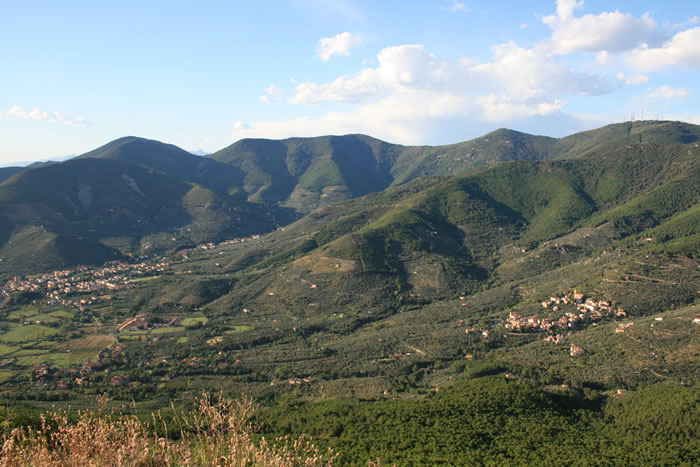
So I got on the train, & like all trains in Italy it was covered in graffiti. They look cool, actually, & its definitely a smart way to got your artwork noticed. I hid in the toilet for all the wee way, & soon found myself walking into small yet stylish San Gulliano. It was flanked by beautifully flowing mountains & so, so quiet. It might have been because it was a Sunday, but it was peaceful as fuck!
With a ta-da moment I discovered that the main, arcing street was called Via P.Shelley, & a wall bust, inscribed in Italian, indicated where his house is/was. I just chilled awhile in front of it, sending my mind back to the Romantic days. I could picture him wandering about, musing away. It was here that he wrote Adonais.
I went for a cappuccino, & started to walk thro’ the town in the direction of the mountains which I intended to climb. En route I came across a place called OPERA SA GUILLIANO. There was an old guy outside drinking wine at a table with a flower on it. I asked him if I could look inside – & he said yes! To my disappointment that was no opera, just a pretty smelly set of flats. Turns out the word opera also means ‘communal house.’ On stepping outside, however, teh old guy nabb’d me, sat me down & started feeding me. He was called Franco, a 60 year old retired chef, & the food he laid on was fantastic – which also means I can save my sandwich until tomorrow. I was given a hearty meal of bread, beans, liver. kidneys & onions – all soaked in oil He even brought our a whole pig’s leg’s worth of ham.
So I spent a good 5 hours with him, dining at his mini-restaurant, quaffing litres of fine Tuscan vino rosso, watching six street cats laze in the shade. It was fun, & Franco also enjoyed the experience – he was quite lonely I think. He babbled in to me in Italian, while I kept nodding & going ‘si’ in the right places. – we smoked loads of fags & even talked about the war!
I jump a train to San Guilliano
To walk on Shelley’s mountains, but instead
I’ll sit in the street with old man Franco,
He ploughs me with red, risotto & bread,
Plus a whole sow’s leg – my stomach doth blow,
Tho’ we hardly understand a word said,
We converse about the war, England, life,
Italy, poetry & his dead wife.
I picked up a few more words of Italian – I’m determined even more to learn the language – & loved basking in the sun! I spent a lot of moey today – well 6000 lira, but it was cool. We said farewell after more wine in a bar, where he tried to sell my last tenner to a coupel of guys as a souvenier – by which time I realised the guy was a bit crazy actually. But the fella even gave me food to take away with – a great day!
I was back at the station for my last night in Pisa by 7pm. I left a bit of graffiti there, reading ‘Burnley Football Club ‘ – plus a map of England & an appropriate arrow pointing to East Lancashire. The inscription continued
Up The Clarets R.I.P. Percy Bysshe Shelley (1792-1822)
As I was composing a cool ode, to the Modern Day Gentlemen, Kapitano turns up all panicky! wherevere ye go, walk with nobility. He had nearly called the police because I was missing!? We ate at the stazione – where I stacked up on a sandwich & fruit for my trip. We then returned to our spot by the river to busk.
This time Kapitano & Megadeth’s play was a piece of street art in the road – fruit & veg arranged very neatly in a circle. It worked a treat. For me, I was busy running plans through my mind for about an hour. It caused me a little consternation, but I eventually settled in at least going to La Spezia tomorrow. So i snapped out of it & started to jam with Max – only 4 strings on the guitar – it was fuckin’ class. There’s no better place to jam than in the streets & I came up with a funk-ass bass line.
Kapitano & Jesse have fallen out big time, & he kept calling him a mother fuck at sporadic intervals during our talk about vampyres & the like. Slept on the platform again & had a a few moments like when I wrote the Rock & Roll Wars – ie thinking of things constantly then rushing out of bed to write them down. It drove me a little crazy in Portsmouth (you should have seen the worksheets) – but this time I’m injecting more control.
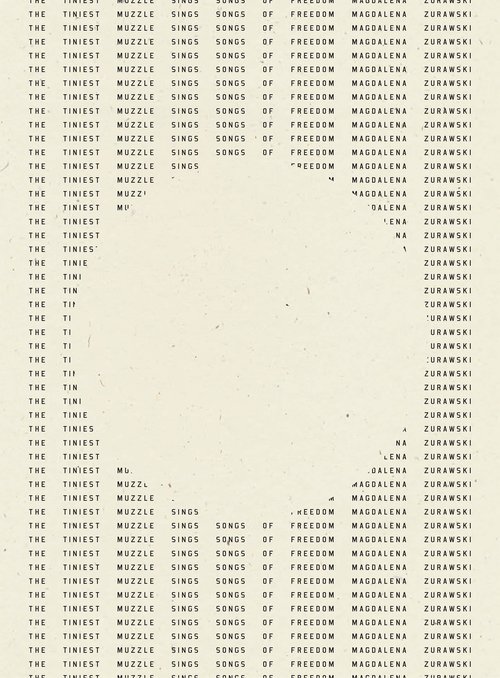
The poetry of Magdalena Zurawski has enter’d the poetic firmament, where her star radiates with talent & personality
Magdalena Zurawski is a poet’s poet, a disseminator of the vocation into the very lines of her craft. “The poem is a pair of eyes,” she tells us in Natural Skin, “moving a nose down a page.” We do not read her work to be taken upon fantastic journeys in exotic climes, or to ride the dragon’s back of passionate love. No, we read Zurawski to lie awhile beside her awkward genius, revel in her race-fit wordplay, & to examine the evidence left behind by the world through her almost mournful eye-piece; “the shapes of foreign spoons, the lightly different cut of shirt worn by men over 50.”
Zurawaski is a recent revelation, usher’d into the public consciousness by Litmus Press, when her debut collection, Companion Animal, won the 2016 Norma Farber First Book Award. Three years later, Wave Books are releasing THE TINIEST MUZZLE SINGS SONGS OF FREEDOM, a collection of 42 poems of varying life, but all deliver’d via the voracious appetite for the well-woven word-verve which Zurawski innately possesses.
Her collection is a series of abstractly European movie shorts, flashing with inspired images in eclectic combinations. ‘Someplace in your Mouth’ is an excellent example, which opens with
When the line of heads continued
through the city in a sliver
of tattered oxygen
The poems vary in length & measure, & her stanza blocks are aesthetically pleasing at all times, if a little tough to read at times. However, the more you enter her worldscape, the more you are drawn in, & the more her book becomes something of a page-turner. The reader becomes assiduously addicted to her characteristic & assured uncertainties as she teleports us into her orbit with passages such as
Oh, to have birds cooing,
bells ringing, tofu frying, and unusually
high energy levels!
I loved the pastoral punk of ‘Summer In The Network Of Privileged Carports,’ the sensual cravings of ‘Ladies Love Adjuncts’ & the staccato philosophising of ‘Does My Lip Limp?‘, but it is when Zurawski is translating the poetic experience that she really shines. In ‘The Problem‘ we see how ‘the musculature’ of her hand, ‘could no longer speed the pen to my thoughts,‘ while in the opening to ‘It’s Hard To Be A Saint,‘ she tells us;
I was sympathetic to language, but often
it shrugged me and kept other lovers.
I crawled through the commas of
Romanticism and rejected the rhythms,
though sometimes at night I could feel
a little sad.
There is a subtle prettiness to Magdalena Zurawski’s poetry, which shudders into moments of extreme & sublime majestie, such as the passage in ‘The Tiny Aches‘ with which I shall close the Mumble’s review of a cathartically sensitive poet & her transcendent art.
…Four a.m. keeps ringing
Its spidery snare and all the stars are
your own headache cemented in our most ancient fears.
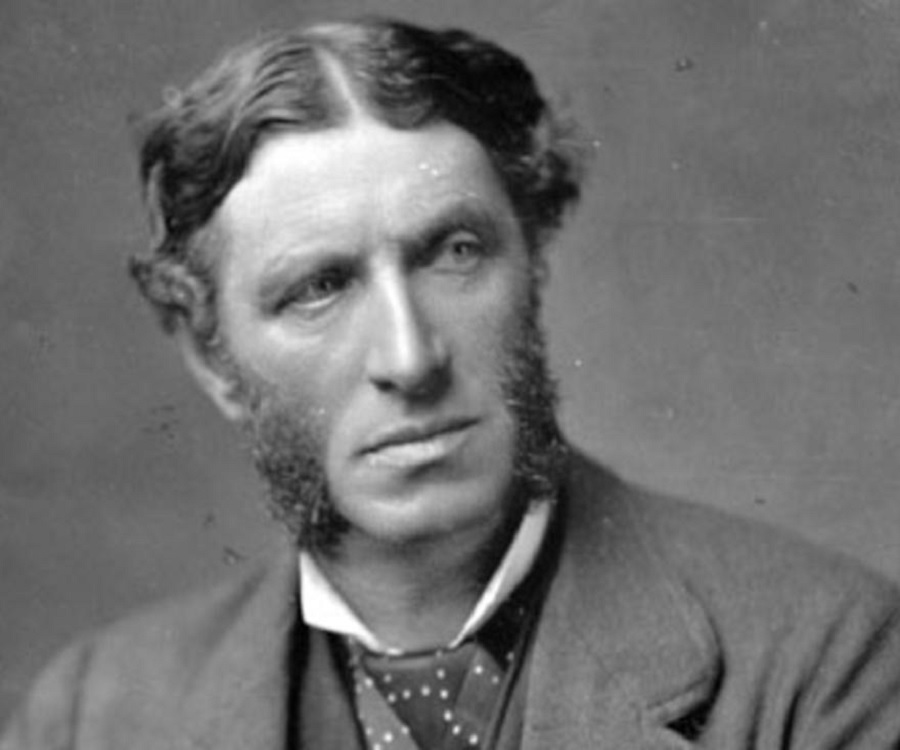
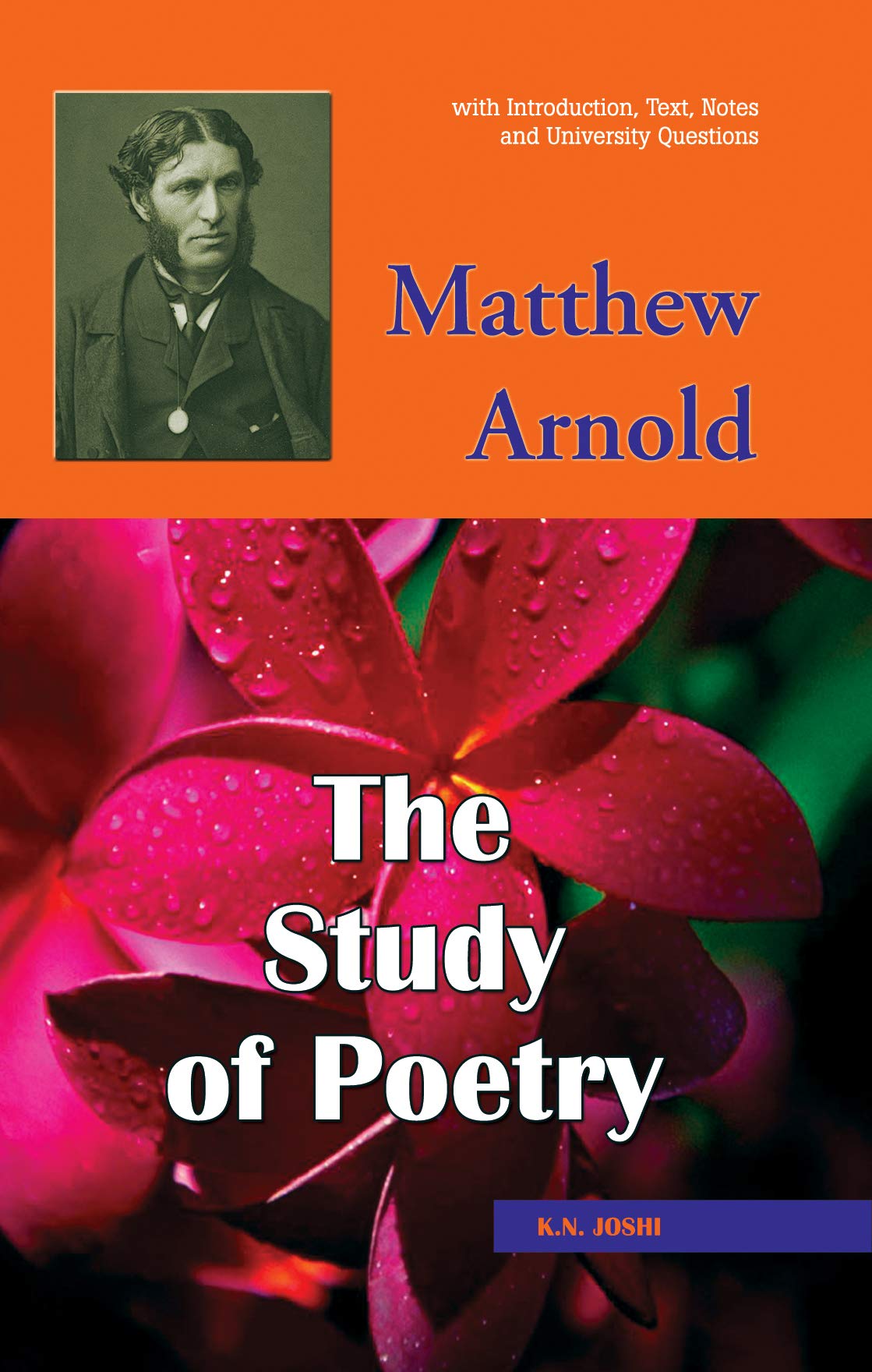
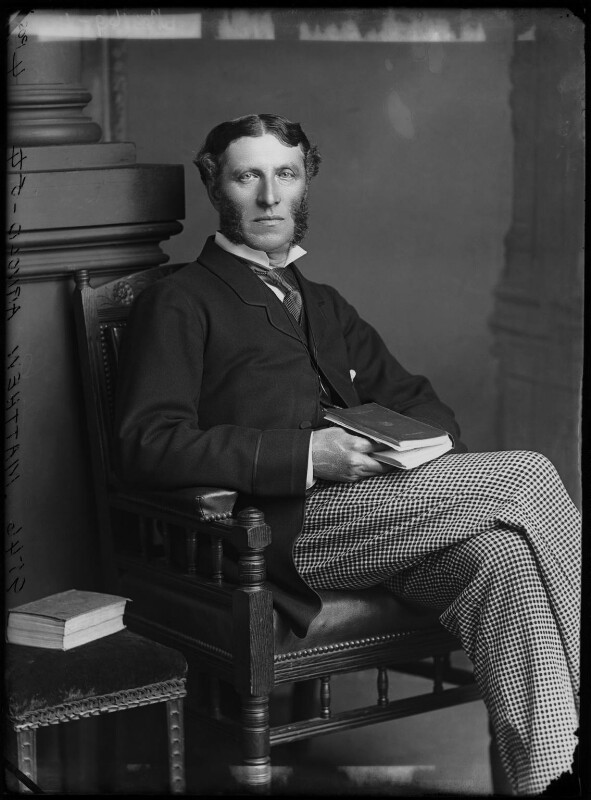
Continuing a series of classic essays on literature. This month sees one of the greatest Victoria poets pontificate upon the poetic art – originally published as the introduction to T. H. Ward’s anthology, The English Poets (1880)…
The future of poetry is immense, because in poetry, where it is worthy of its high destinies, our race, as time goes on, will find an ever surer and surer stay. There is not a creed which is not shaken, not an accredited dogma which is not shown to be questionable, not a received tradition which does not threaten to dissolve. Our religion has materialised itself in the fact, in the supposed fact; it has attached its emotion to the fact, and now the fact is failing it. But for poetry the idea is everything; the rest is a world of illusion, of divine illusion. Poetry attaches its emotion to the idea; the idea is the fact. The strongest part of our religion to-day is its unconscious poetry.
If we conceive thus highly of the destinies of poetry, we must also set our standard for poetry high, since poetry, to be capable of fulfilling such high destinies, must be poetry of a high order of excellence. For in poetry the distinction between excellent and inferior, sound and unsound or only half-sound, true and untrue or only half-true, is of paramount importance. It is of paramount importance because of the high destinies of poetry.
The best poetry is what we want; the best poetry will be found to have a power of forming, sustaining, and delighting us, as nothing else can. A clearer, deeper sense of the best in poetry, and of the strength and joy to be drawn from it, is the most precious benefit which we can gather from a poetical collection such as the present. And yet in the very nature and conduct of such a collection there is inevitably something which tends to obscure in us the consciousness of what our benefit should be, and to distract us from the pursuit of it. We should therefore steadily set it before our minds at the outset, and should compel ourselves to revert constantly to the thought of it as we proceed.
Yes; constantly in reading poetry, a sense for the best, the really excellent, and of the strength and joy to be drawn from it, should be present in our minds and should govern our estimate of what we read. But this real estimate, the only true one, is liable to be superseded, if we are not watchful, by two other kinds of estimate, the historic estimate and the personal estimate, both of which are fallacious. A poet or a poem may count to us historically, they may count to us on grounds personal to ourselves, and they may count to us really. They may count to us historically. The course of development of a nation’s language, thought, and poetry, is profoundly interesting; and by regarding a poet’s work as a stage in this course of development we may easily bring ourselves to make it of more importance as poetry than in itself it really is, we may come to use a language of quite exaggerated praise in criticising it; in short, to overrate it. So arises in our poetic judgments the fallacy caused by the estimate which we may call historic. Then, again, a poet or poem may count to us on grounds personal to ourselves. Our personal affinities, likings and circumstances, have great power to sway our estimate of this or that poet’s work, and to make us attach more importance to it as poetry than in itself it really possesses, because to us it is, or has been, of high importance. Here also we overrate the object of our interest, and apply to it a language of praise which is quite exaggerated. And thus we get the source of a second fallacy in our poetic judgments—the fallacy caused by an estimate which we may call personal.
Both fallacies are natural. It is evident how naturally the study of the history and development of poetry may incline a man to pause over reputations and works once conspicuous but now obscure, and to quarrel with a careless public for skipping, in obedience to mere tradition and habit, from one famous name or work in its national poetry to another, ignorant of what it misses, and of the reason for keeping what it keeps, and of the whole process of growth in its poetry. The French have become diligent students of their own early poetry, which they long neglected; the study makes many of them dissatisfied with their so-called classical poetry, the court-tragedy of the seventeenth century, a poetry which Pellisson long ago reproached with its want of the true poetic stamp, with its politesse stérile et rampante [sterile and bombastic politeness—ed.], but which nevertheless has reigned in France as absolutely as if it had been the perfection of classical poetry indeed. The dissatisfaction is natural; yet a lively and accomplished critic, M. Charles d’Héricault, the editor of Clément Marot, goes too far when he says that “the cloud of glory playing round a classic is a mist as dangerous to the future of a literature as it is intolerable for the purposes of history.” “It hinders,” he goes on, “it hinders us from seeing more than one single point, the culminating and exceptional point; the summary, fictitious and arbitrary, of a thought and of a work. It substitutes a halo for a physiognomy, it puts a statue where there was once a man, and hiding from us all trace of the labour, the attempts, the weaknesses, the failures, it claims not study but veneration; it does not show us how the thing is done, it imposes upon us a model. Above all, for the historian this creation of classic personages is inadmissible; for it withdraws the poet from his time, from his proper life, it breaks historical relationships, it blinds criticism by conventional admiration, and renders the investigation of literary origins unacceptable. It gives us a human personage no longer but a God seated immovable amidst His perfect work, like Jupiter on Olympus; and hardly will it be possible for the young student to whom such work is exhibited at such a distance from him, to believe that it did not issue ready—made from that divine head.”
All this is brilliantly and tellingly said, but we must plead for a distinction. Everything depends on the reality of a poet’s classic character. If he is a dubious classic, let us sift him; if he is a false classic, let us explode him. But if he is a real classic, if his work belongs to the class of the very best (for this is the true and right meaning of the word classic, classical), then the great thing for us is to feel and enjoy his work as deeply as ever we can, and to appreciate the wide difference between it and all work which has not the same high character. This is what is salutary, this is what is formative; this is the great benefit to be got from the study of poetry. Everything which interferes with it, which hinders it, is injurious. True, we must read our classic with open eyes, and not with eyes blinded with superstition; we must perceive when his work comes short, when it drops out of the class of the very best, and we must rate it, in such cases, at its proper value. But the use of this negative criticism is not in itself, it is entirely in its enabling us to have a clearer sense and a deeper enjoyment of what is truly excellent. To trace the labour, the attempts, the weaknesses, the failures of a genuine classic, to acquaint oneself with his time and his life and his historical relationships, is mere literary dilettantism unless it has that clear sense and deeper enjoyment for its end. It may be said that the more we know about a classic the better we shall enjoy him; and, if we lived as long as Methuselah and had all of us heads of perfect clearness and wills of perfect steadfastness, this might be true in fact as it is plausible in theory. But the case here is much the same as the case with the Greek and Latin studies of our schoolboys. The elaborate philological groundwork which we require them to lay is in theory an admirable preparation for appreciating the Greek and Latin authors worthily. The more thoroughly we lay the groundwork, the better we shall be able, it may be said, to enjoy the authors. True, if time were not so short, and schoolboys wits not so soon tired and their power of attention exhausted; only, as it is, the elaborate philological preparation goes on, but the authors are little known and less enjoyed. So with the investigator of “historic origins” in poetry. He ought to enjoy the true classic all the better for his investigations; he often is distracted from the enjoyment of the best, and with the less good he overbusies himself, and is prone to over-rate it in proportion to the trouble which it has cost him.
The idea of tracing historic origins and historical relationships cannot be absent from a compilation like the present. And naturally the poets to be exhibited in it will be assigned to those persons for exhibition who are known to prize them highly, rather than to those who have no special inclination towards them. Moreover, the very occupation with an author, and the business of exhibiting him, disposes us to affirm and amplify his importance. In the present work, therefore, we are sure of frequent temptation to adopt the historic estimate, or the personal estimate, and to forget the real estimate; which latter, nevertheless, we must employ if we are to make poetry yield us its full benefit. So high is that benefit, the benefit of clearly feeling and of deeply enjoying the really excellent, the truly classic in poetry, that we do well, I say, to set it fixedly before our minds as our object in studying poets and poetry, and to make the desire of attaining it the one principle to which, as the Imitation says, whatever we may read or come to know, we always return.
At any rate the end to which the method and the estimate are designed to lead, and from leading to which, if they do lead to it, they get their whole value,—the benefit of being able clearly to feel and deeply to enjoy the best, the truly classic, in poetry,—is an end, let me say it once more at parting, of supreme importance. We are often told that an era is opening in which we are to see multitudes of a common sort of readers, and masses of a common sort of literature; that such readers do not want and could not relish anything better than such literature, and that to provide it is becoming a vast and profitable industry. Even if good literature entirely lost currency with the world, it would still be abundantly worth while to continue to enjoy it by oneself. But it never will lose currency with the world, in spite of monetary appearances; it never will lose supremacy. Currency and supremacy are insured to it, not indeed by the world’s deliberate and conscious choice, but by something far deeper,—by the instinct of self-preservation in humanity.
The essay continues with a historical survey upon famous poets
Continuing Damian Beeson Bullen’s retrospective adventure through the journey that made him a poet…
Monday 20th April, 1998
Woke up with the sun streaming into my face! Put on a clean t-shirt given to me yesterday, turn’d up the collars like a genuine romantic poet, got 2000 lira off Kaptiano, then went off for a cappucino. En route I saw Ariel the sax-player – who was having a sneaky wash at a street fountain – & captured another stanza as I strode. The pace of the poem is quite slow, actually, with me having to squeeze in moments of inspirations between floods of madness.
After lunch the day took off. I borrow’d Megadeth’s bycycle, bagg’d some food, a bottle of water, my blanket curtain & a couple of books (my Shelley & my notebook), slipp’d on my shades & shorts, left my bags with Kapitano, & set off on my bike ride. My spirit soar’d as I broke free of the mad Pisan hustle-bustle streets, & took to the open roads. My destination was somewhere in the mountains that loom’d over Pisa, & I literally headed for the hills. As I rode along the right side of the road (wrong to me), the countryside was rather flat. I noticed pretty flocks of wild flowers by the sides oft he road as I pass’d through idyllic villages. At the start of the mountains a tower topp’d a huge cliff – but it was a little off-track & I made a mental note to visit at some later date.
The road started to climb into a sort of loop of mountains, with houses stretching up the sides, & lots of olive groves on level platforms, like steps. I stopp’d for water in a peaceful cemetary. Each grave was well-tended & blooming with flowers, like a garden of graves. I’m sure this image will infiltrate my poem at a later date.
Back in the saddle, the road wound thro’ the loveliest houses, always uphill & very sleepy. The people hardly notic’d me pass them. I eventually could ride no further, & chain’d the bike to a bridge over a gurgling river, from which point I started an ascent of a peak. The sun was blaring down (about time too), so I took my shirt off & bask’d in the Italian sun. I first came across an old barn, then pick’d my way up thro’ a piny forest. It was quite weird, really – all the trees seems burnt, cover’d in black charcoal.
After a while, I climb’d some rocks & got my first serious view. It ran all the way down to the valley. It was great, but I knew there was more to come. I pick’d up quite a firm a stick & made my arduous way to the first ‘peak,’ where to my delight the the mountain sloped onwards to its proper summit. So I carried on, & the view kept getting better. I only had a pair of pumps on, tho’, but apart from standing on a couple of snapp’d off trees, a thistly brush & one rocky bump, I made it thro’ the day quite well.
Not long after I climb’d up the hardest part of my ascent (scampering up a rocky formation) I was greeted with my prize – the most amazing view I’ve ever seen. I made my camp at the peak & buzz’d off the panorama which stretch’d from Livorno to Le Spezia – my poem’s entire stomping ground. As snakes & lizards, insects & wild flowers all did their thing, to the ringings of church bells echoing thr’o the valley, I fully embraced the view. I could see Pisa & its tower embedded in a completely flat plain, thro’ which the river Arno wound a meandering course lazily to the sea. From the peaks Pisa appears as a small town, its white leaning tower a tiny bristle on its face. The city is not that big at all, rather like Chichester in Southern England, & it is amazing to discover that in its hey-day the city once ruled a widely-scattered Meditteranean empire. Now, the sea has retreated from this fading maritime jewel, leaving only the tower to draw the attention of the world.
Across the valley the mountains were amazing, & I was almost as high as the clouds, which stretched all fluffy & puffified. I bellow’d a great ‘hellloooooo’ to a hang-glider rising on the mountain air currents, then spread out my blanket & tuck’d into my food stash. This consisted of a sandwich, cake, 2 oranges & an apple, curtesy of the nuns. I also worked on a little poetry, but could only manage one stanza; I couldn’t really settle with the place being so cool.
After a while it was time to descend, this time by a different route, following a road that wound through an (unburnt) pine forest. I pass’d by the most picturesque houses, all surrounded by olive groves, & thoroughly enjoying – so it seem’d being sited in the bosom of the mountains. An idela retreat from the follies of mankind.
As I zoom’d downhill I whistl’d Honky-Tonk Woman by the Rolling Stones. I also had a better look at the tower I’d seen earlier. On closer inspection the cliffs were actually quarried slopes, & the tower was full of grafitti. The alternate view of the plain it commanded, however, was extremely relishable.
On my return to Pisa I got a bit lost, via a mad 15th century viaduct, but I eventually managed to give Megadeth his bike back & rejoin the gang. I bought a new string for 3500 lira, leaving me 50,000 lira & £10 sterling left. Ate ravenously at the stazione, then busk’d for an hour before I collaps’d unconscious over my guitar – drunk, ston’d & exhausted.
Kapitano is talking about fruit-picking & drug-selling in the summer; I shan’t be with him, but its interesting to see how he survives. It appears we move to Livorno tomorrow, which is good timing for my poem. Today’s ride really help’d stir things up in my mentalities – the Muse is coming calling – its a wondrous thing!
Tuesday 21st April, 1998
Usual routine in the morning, but woke a little earlier & managed a couple of stanzas. I’m really getting into the swing of things now. It turn’d out that we would be leaving for Livorno in the evening, after stazione pasta, so we spent the day basking in the sun, & for the first time didn’t drink wine! I felt satisfied just to be kicking back tanning my skin into an improved, blackhead-free complexion, while at home everyone’s a bit chilly, like!
The day pass’d quite dreamlike – I got a couple more stanzas & even managed to sketch the leaning tower of Pisa! Art is always a hit or miss affair with me – mainly a miss – but it turne’d out quite good, I think. Even Kapitano was impress’d.
At about 7 we got the evening’s wine in (4 litres) & watched the sun go down by the Arno. It was very pleasant, my last sunrise in Pisa, the houses silhouetting against a vibrant, violet sky. I even penned an ode, I’d never done one before, but was very pleased with it;
Megadeth’s translation
“You are always writing – writing, writing, writing,” noticed Kapitano every day.
“I am a poet,” I would reply before buring my head once more in my notebook.
Once the sun had set we busk’d up a little cash, then had our food at the stazione, with me stocking up on loads of goodies just in case. It was time for the train to Livorno, a journey that would only take 20 minutes. Kapitano was a natural train jumper (of course) & we had arrived for free. I rang up Ruth, a bit too drunk, & have vowed not to do it again. Plus I can;t afford it, I broke into my 50,000 lira note to do so, & I’m also vowing now not to spend any more non-essential, non-survival money.
Soon I am back in bohemian swing
Musin away, one long mellow daydream.
By the side of the Arno sometime sing
Or bathe in the sun embracin ice-cream
Or busk to the world as a poet-king
Or party hard with Kapitano’s team.
How life is forever tender to me
Now I’ve tasted the breath of Italy.
We trudged thro’ the port city of Livorno, which was a pain as I was weigh’d down by ALL my stuff. Its a lot different to Pisa – wide streets & a heavy atmosphere. Ah well, at least I made it here & I’m up to the right place in my poem to be writing about Livorno, so maybe its just fate!
Livorno is also the place where my poem, ‘The Death of Shelley,’ begins. The year is 1822 & Shelley has just been to visit Lord Byron in Pisa. The previous year what amounted to a poetic colony had existed there, but time had fragmented their group & now the Shelleys had set up home further up the coast at Lerici, near La Spezia. Their small yet enchanting villa was lapped by the sea & the poet intended to sail there with Edward Williams, the friend who co-habitated with him in their idyllic home. Their wives were expecting them & indeed they were both looking forward to returning home.
In my world, we found a church to sleep next to, with Kapitano putting out his hat for money in the morning, & I settl’d into sleep in my different, stone-matress’d bed.
Wednesday 22nd April, 1998
Woke early in Livorno, about 08.30, so went for a little stroll to the docks. It was mostly uninteresting, not as pleasanat a vibe as Portsmouth, but I did get a rather fine stanza, & being on the spot really help’d the flow.
When the others awoke, we went to a church, where after registering I got a shower (aaaaahhhh!) & some new clothes (double aaaahhhh!) & a meal ticket for 3 days! Free food, stuff & sunshine – Italy is wicked! We then went to a launderette for an hour to watch some Italian music channel – quite a silly thing to do, but I did manage another stanza.
Next was a park for a chillout by a church, where Kapitano did his normal ritual of pouring out a bit of wine on first opening, for his dead alcoholic pals back home. It was now 6PM, when we trudged back to the first church & got a magnificent meal – sausages, bread, beans, biscuits, coffee, etc! We ate it in a room full of Italian drop-outs – Down & Out in Livorno & Pisa!
Feeling quite bloated, we went into Livorno’s shopping area to busk (Jesse had wandered off somewhere else), but had little luck. Unlike Pisa, where everyone is chanell’d down one street, Livorno is much larger & more spread out! We did make enough for some more wine, however, which me & Kapitano drank in a friendly little bar while watching the Italy v Paraguay game. Next up was the Cosby show dubb’d in Italian, yet still, if not even more so, funny!
We eventually went back to our original starting point to got some sleep. Kapitano says we go back to Pisa tomorrow & I’m very glad about it. Livorno’s a bit, well, dull, far removed from what I feel is the real Italy. Too modern & too ordered, where overmanicured women wandered the fashionable high street shops & visiting sailors buy sunglasses for the girl in the next port.
Thursday 23rd April, 1998
I woke up & found Jesse had rejoined us, sporting his own guitar. Kapitano said, ‘lets go,’ almost straight away, & like a sheep I follow’d, hiding in the train toilets. It felt a little weird coming back to the same stomping grund, a bit poetically restrictive perhaps, but I don’t spend any money in Pisa so I shouldn’t complain.
We spent the day outside a different church, & slowly but surely I got piss’d & began to busk. The best time was after 6PM, when the locals had finish’d their prayers, with Jesse waiting outside the doors while I sang Oasis – what a team!
Composing while drunk = messy text
After all the religiosa had left, I turn’d the notch up via some supervino energy, Jesse jamming eccentrically on lead guitar, Maximillion (i.e. Megadeth) on oooos & aahhs, with Kapitano also getting into the performance stride like a shaman, we turn’d the streets into a massive party! The boys were back in town & it must have looked really wild to the passers-by, especially this middle-aged American couple who pass’d us at our wailing banshee peak.
While the woman whose shop was right next to the door looked on in disbelief, the money began to pour in. Then it was time for food at the stazione, more wine, & even a new pair of shoes from the nuns, before we trundl’d back into town for one last bit of busking. On the way to the centre I met an interesting American girl from Brooklyn who play’d guitar & sang quite well. I also enjoyed speaking English for once – its healthy for the soul.
We busk’d for a while, until about 2AM, when we decided to go to the macanera. As we trudg’d there we bump’d into Megadeth, but the place was unfortunately shut. So Kapitano disappears into some bushes & starts snoring almost at once – so me & Jesse found the same place from last week where we slept, & collapsed into a drunken dream.
Danny Dorling is coming to Brighton to explain just what the hell is going on in mid-Brexit Britain…
Hello Danny, so where are you from & where are you at, geographically speaking?
I’m from Oxford, born and bred. Left the city at 18 and went to live in Newcastle upon Tyne for ten years. I think it was Ian Brown who said “Its not where you’re from – it’s where you’re at” – or some such. I’m 51, i have lived in the North for 23 years, roughly half of the years I can remember and most of my adult life. I lived in Bristol for three years and New Zealand for five months.
When did you first realise you had a gift for writing?
About a year ago. Honestly. I find writing hard. I did not learn to read until I was eight years old. But I have things I want to say. In books you can say what you want to say in a way you can’t do when writing academic papers (I used to do a lot of those).
Are there any particular catalysts which set you off on a writing binge?
Working with a lovely group of people in Bristol, 1996-1999 where we met in pubs and wrote books together. We ignored what the university wanted us to do and just did what we thought we should do – but in our spare time.Two of the three (Dave Gordon and George Davey Smith) were older than me and had an idea of what they were doing! The younger one, Mary Shaw, could actually write properly, which did help – and she was enthusiastic and very thoughtful. I say younger as she was about six weeks younger than me I think! She now teaches.
When you are authoring a book, how meticulous is your research?
Meticulous with the data, but not with the reading. I do read a lot. I skim read a book a day (on average) and I seriously read a book every two weeks. My room at work is full of books, thousands. I get sent a lot for free and it feels like a crime not to read them. But there is so much you could read that I always feel inadequate over having not read enough. Usually my co-authors are better read than me. With the data – there basically is no excuse for making a mistake as often what I do with data is quite easy. And I am a bit obsessive about not making a mistake. Most of my books are full of diagrams which I usually put up for free on the web, for example these are the ones in Rule Britannia.
You’re stranded on a desert island for an indeterminate amount of time with only three books – what would they be?
Definitely not the bible. I was made to read that in Sunday school (which I hated as a result as I had only just learnt to read). And no Shakespeare. I was made to read (some of) that later at secondary school. Having to read Shakespeare at school made me appreciate maths, not English. As I would have a lot of time I’d choose some books I would never otherwise read – a translation of the Buddhist Diamonds Sutra or some book like that, although I would probably regret that pompous cerebral choice as I would already be bored; then possibly something I really should have read and never have – anything by Jane Austin ( a collected works?); and then a book on how to make the perfect sandcastle on the island’s beach (which would, of course, be washed away with each tide each evening).
You have recently releas’d ‘Rule Britannia’ – can you tell us about the book?
I have just emailed you a PDF – have a look. It’s an attempt to try to work out why the UK is now very odd. The first EU country to try to leave the EU is the UK; possibly the last to try to leave for some time. Sally and I try to work out – why us? Why are we strange? Why don’t we know we are strange? Just how strange are we? And so on and on.
What is the state of social inequality in Britain in 2019, & how has it changed since the occasion you first became concern’d?
I was probably first concerned when at school; but more so since. It has got worse. 2018 may have been the year of “Peak Inequality” in the UK (but then I would say that as I published a book with that title. As house prices fall in much of the south of England in 2019 wealth inequality falls slightly. People hardly notice. It is a little like how 1920 was a little more equitable than 1919. Few people noticed then that we were just beginning to become more equal. But, of course things are also getting worse. Two people who went to my school died when homeless in Oxford at the start of this year (2019). They were both younger than me. You don’t expect children in your school to later die in the city they grew up in for want of a home.
How did you find working with Sally Tomlinson?
Lovely. She doesn’t worry. I have not met anyone who worries less than Sally.
The book has a message of hope – can you condense that message into a single paragraph?
A single sentence: When the old and those in charge make a big mistake, as they did in the UK by taking the country to war in 1914, and as they did with the Suez crisis, and as they will again some day, the young see that the old and those in charge are fallible – and start to both demand and secure a better future.
You will be giving a talk on the book at the Brighton Fringe, how did you get the gig?
I didn’t know it was the Fringe. I just knew it was in Brighton. A friend, Mike McCarthy, got it me.
What are your own thoughts on that romantic, seagirt city?
It’s where a Prince of Wales had to go to get his leg over and get inebriated in peace – I think that is the first thing that comes to mind.
What does the rest of 2019 hold in store for Danny Dorling?
A lot more talk to people about Brexit; and listening. I’m sick of the sound of my own voice – but I think Brexit is really interesting – so I ask people what they think again and again over time – and I listen to the answers changing over time and – I think – a country, this country (England), is slowly coming to see itself differently. Brexit is knocking the brass off and exposing the bigotry fr what it is. Later, in 2019, at some point I get to make some sandcastles on a beach somewhere (Brighton beach is terrible for that – no sand). And I am working on a new book called ’slowdown’ – slowly.

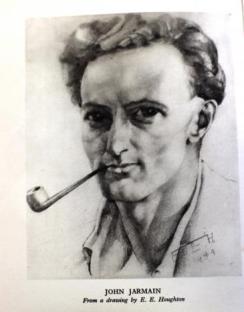
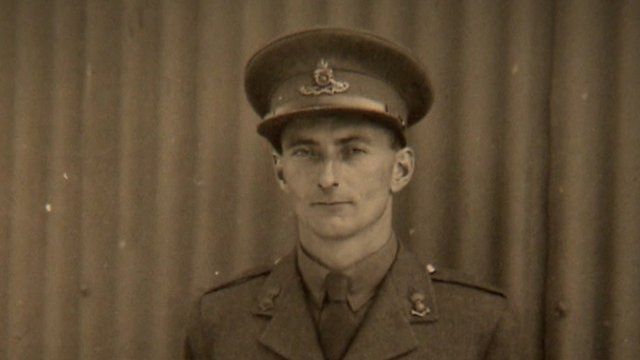
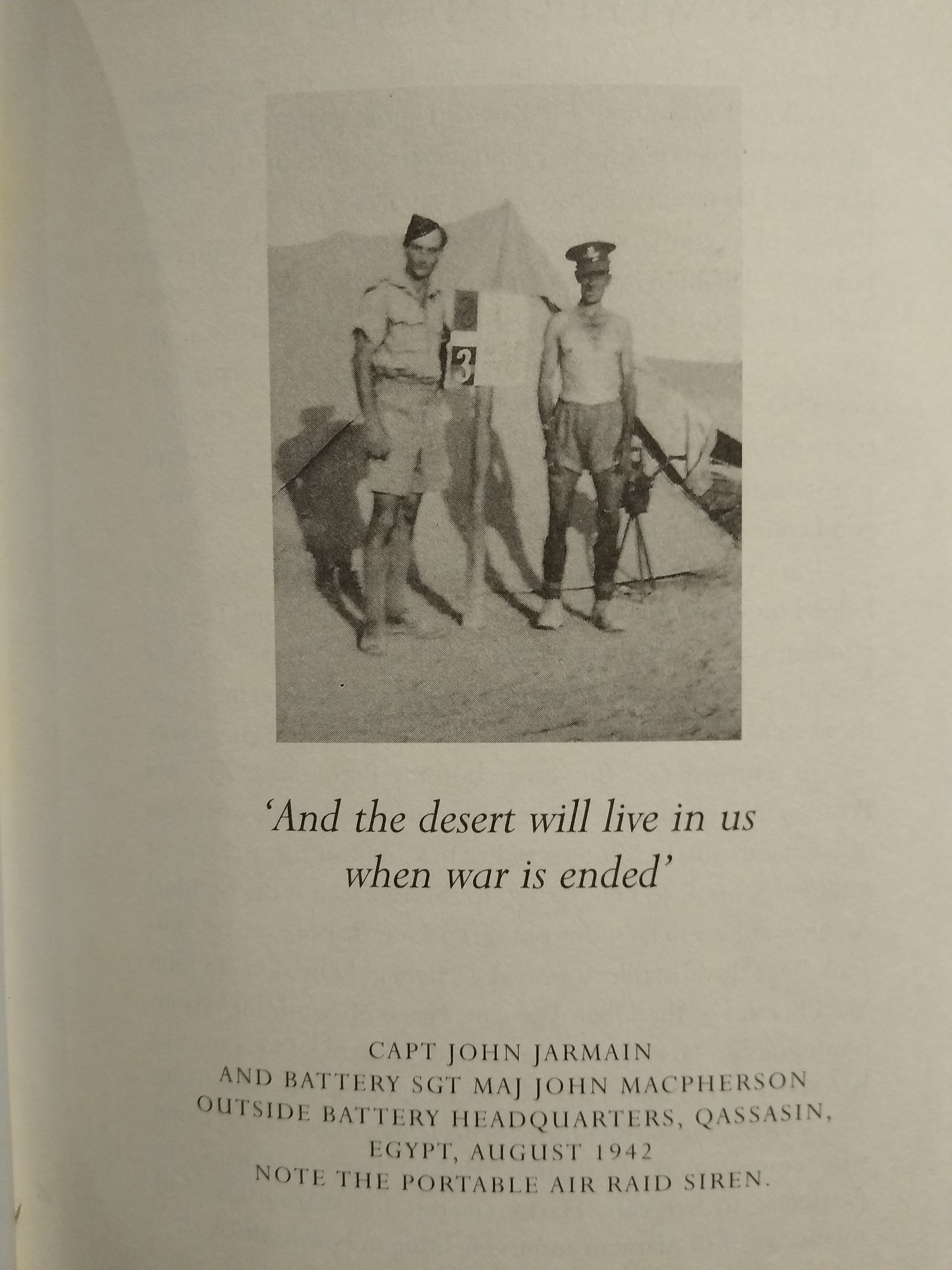 The best way to appreciate Jarmain is through James Crowden’s 2012 book, Flowers in the Minefields, which places a delicious biograph alongside the poems, with the whole being perfectly embellished by photographs, commentaries & contemporaneous biographical material. The overall experience of the book is like finding the body of a dead soldier blown apart by a land-mine, & putting the pieces back together in the most human – well Frankenstinian – way possible.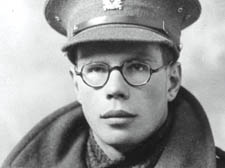
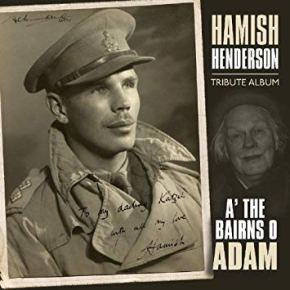
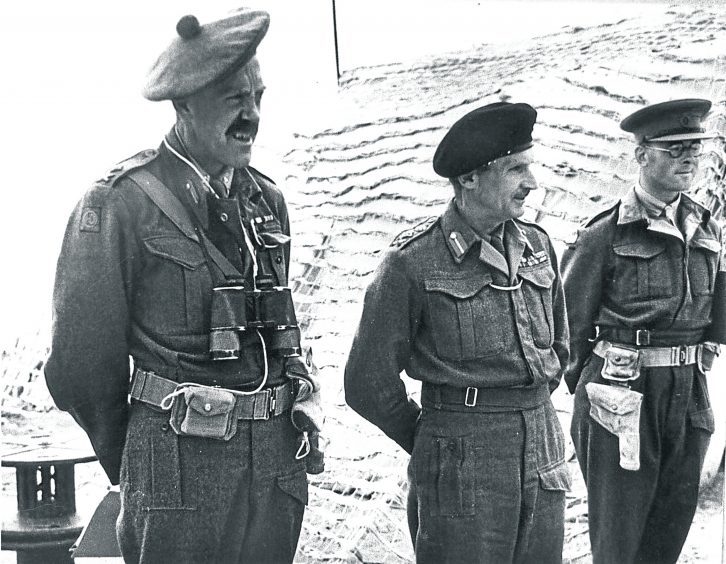
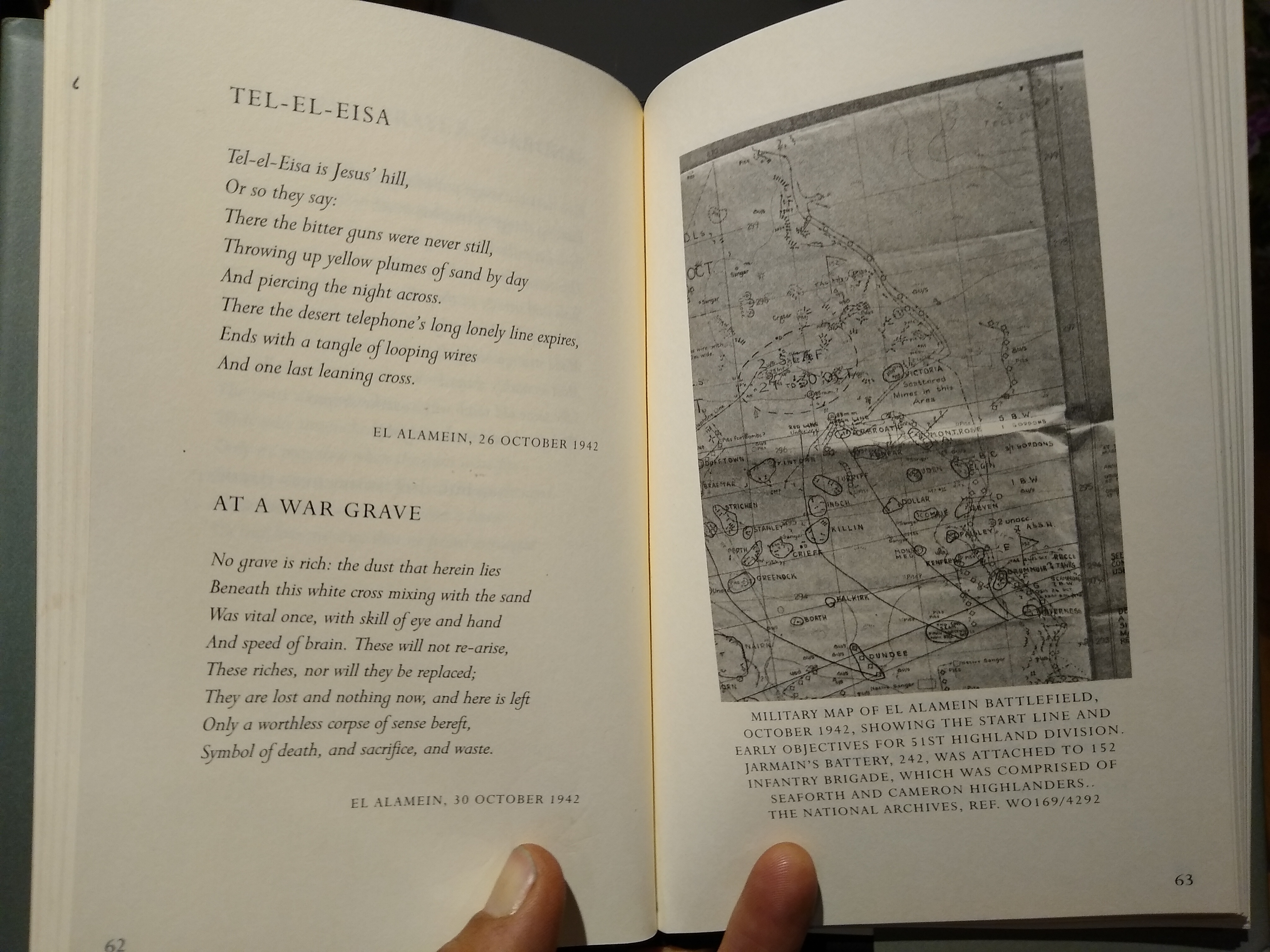


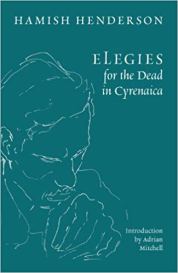
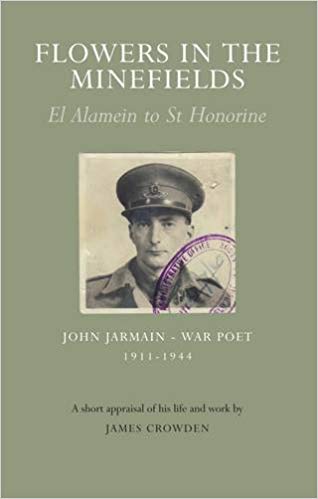
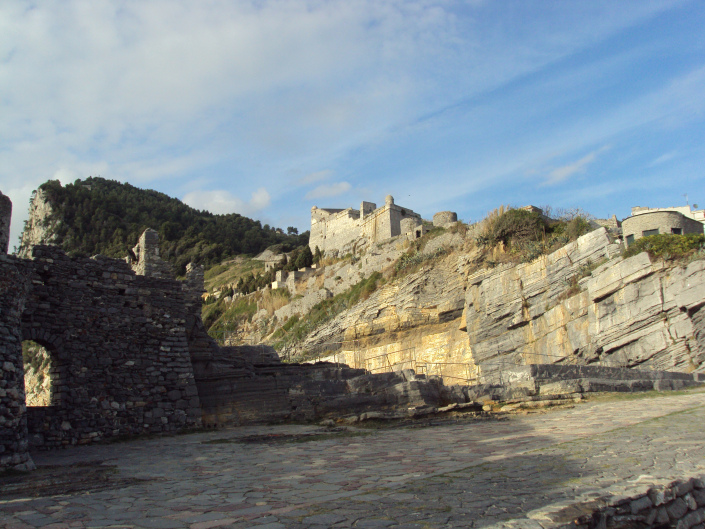
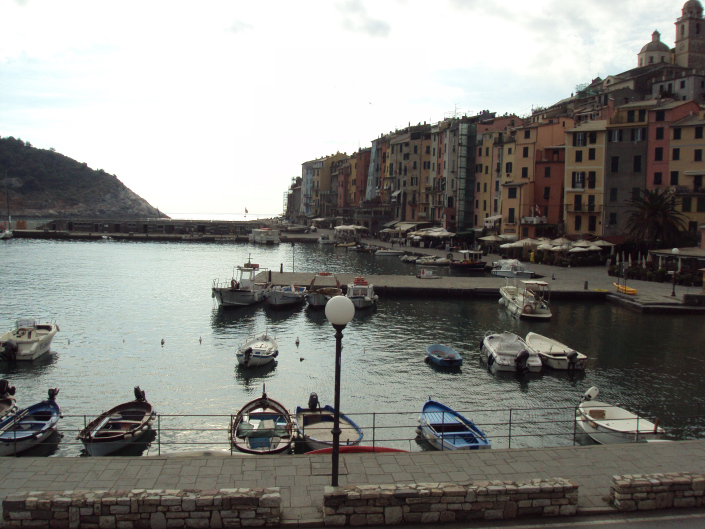
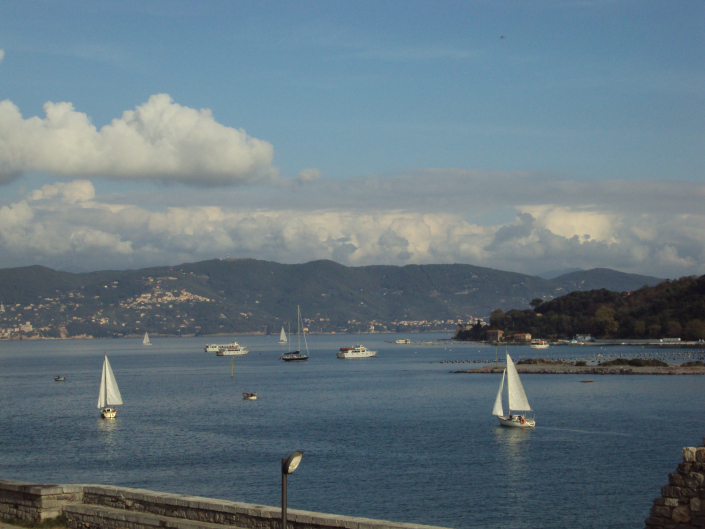
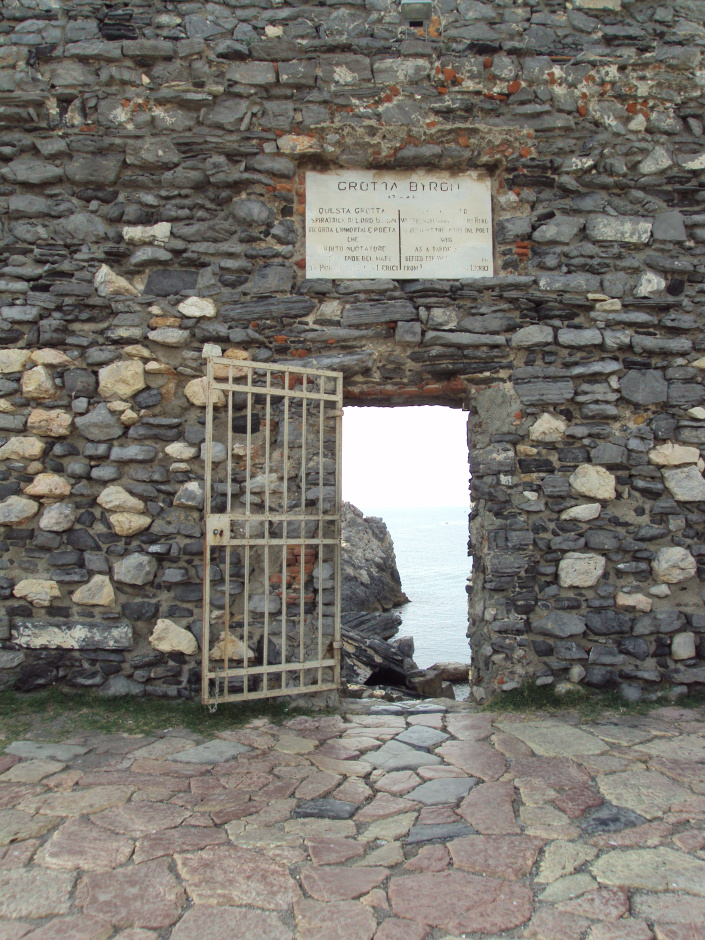
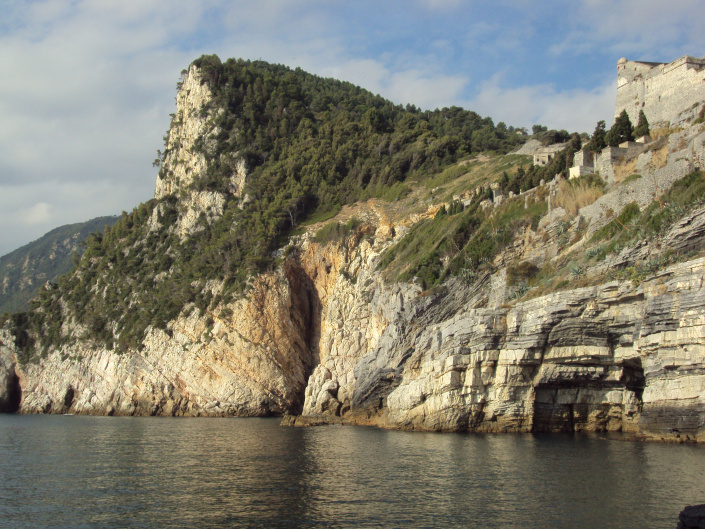

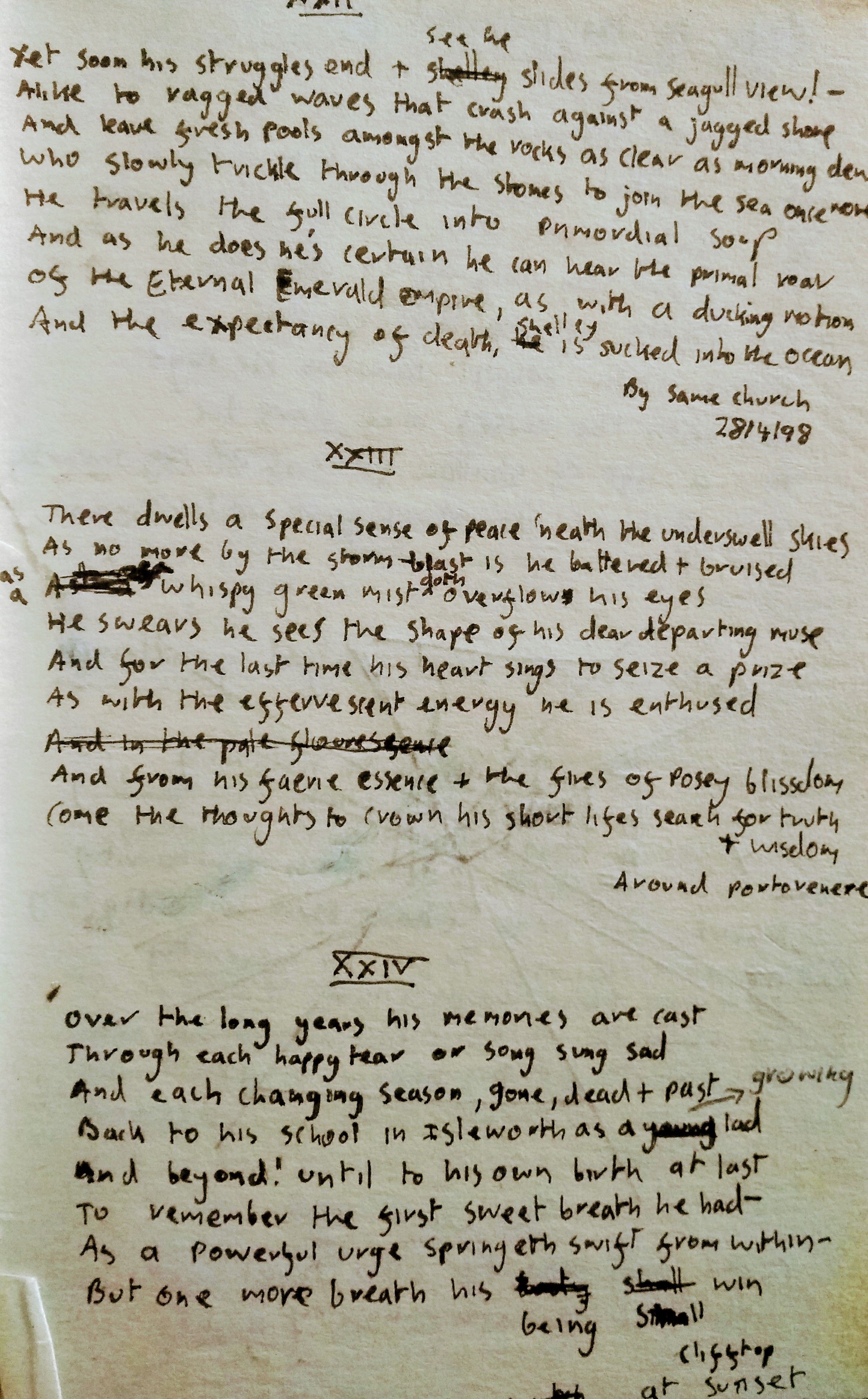
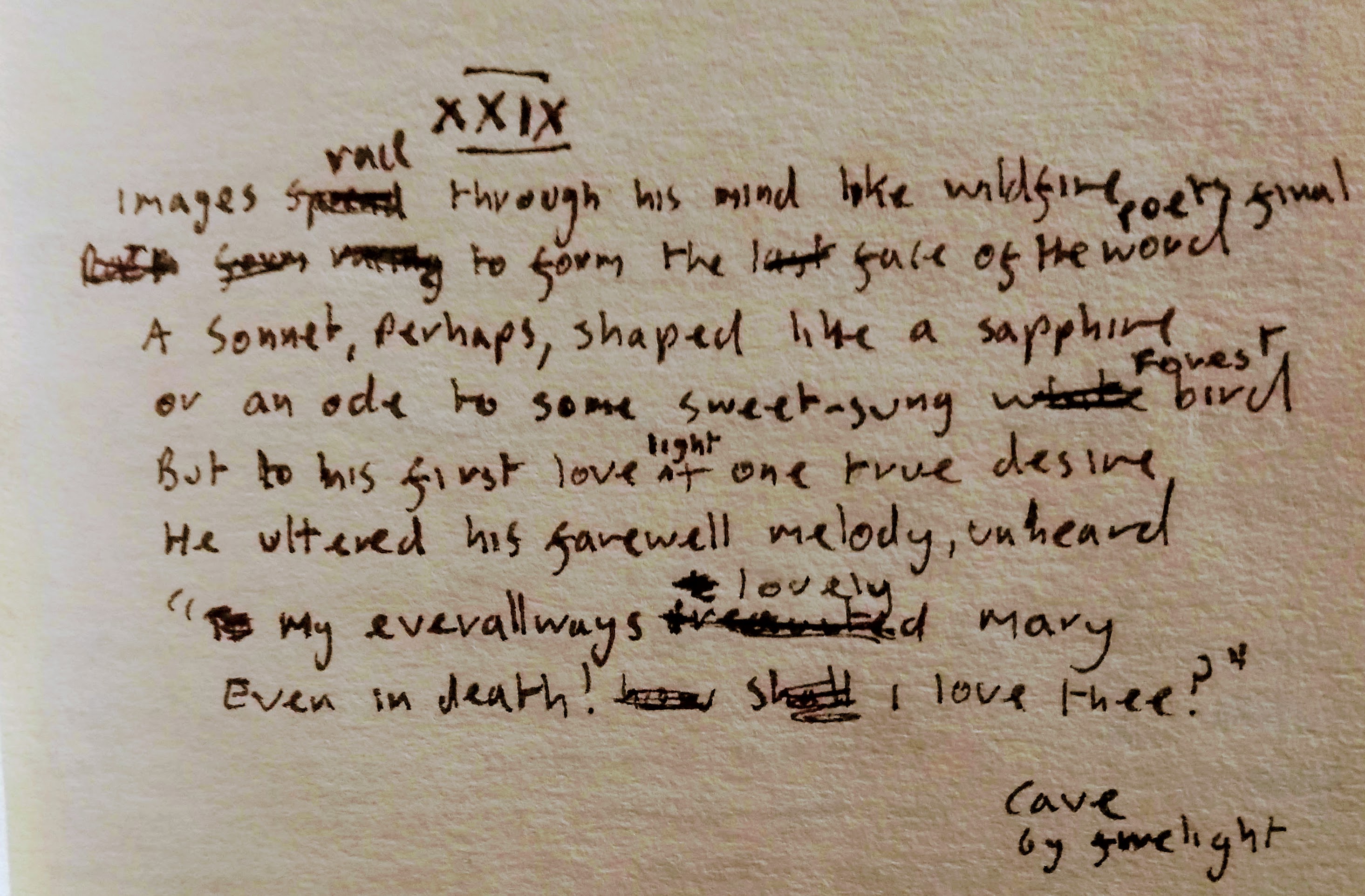


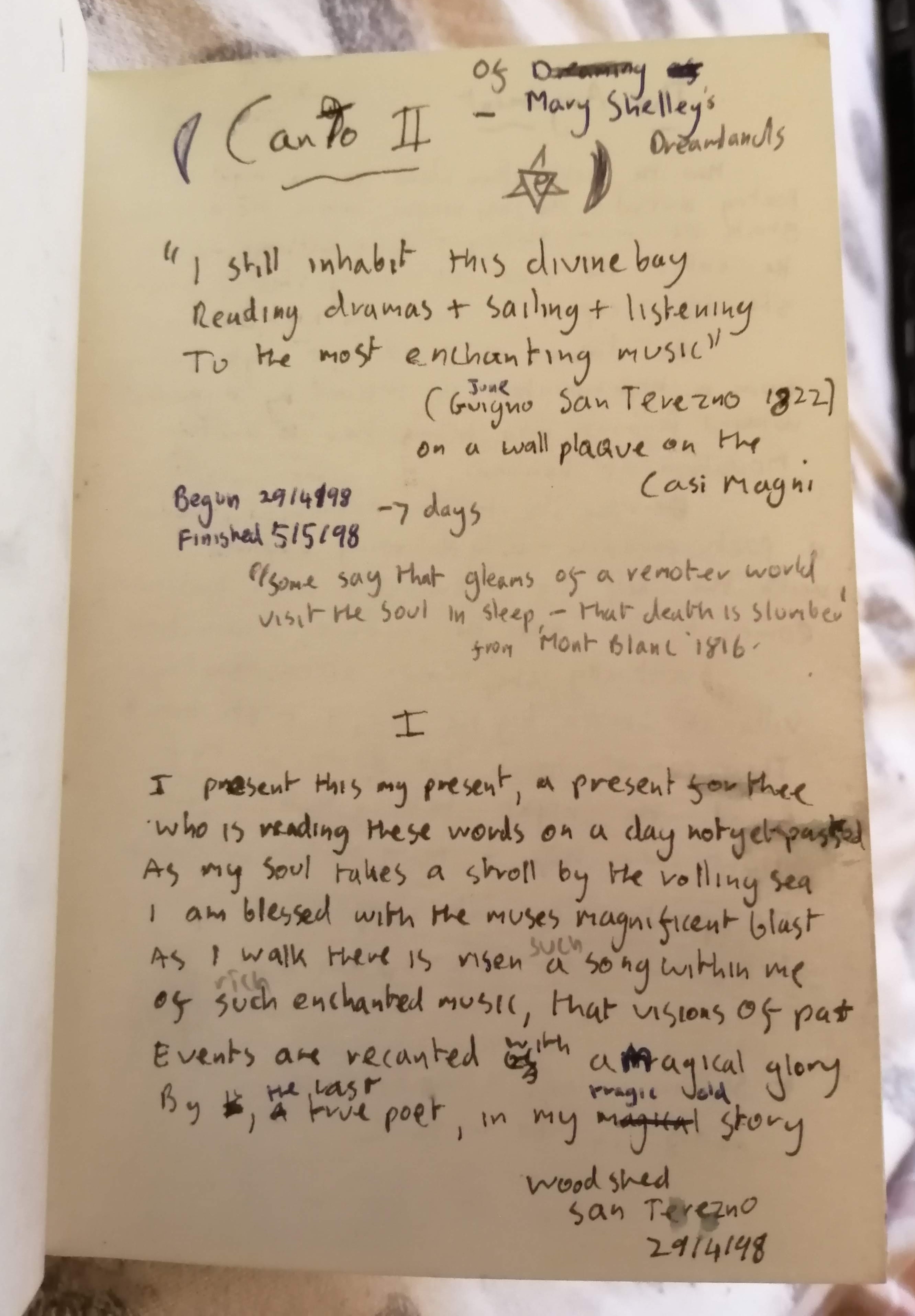

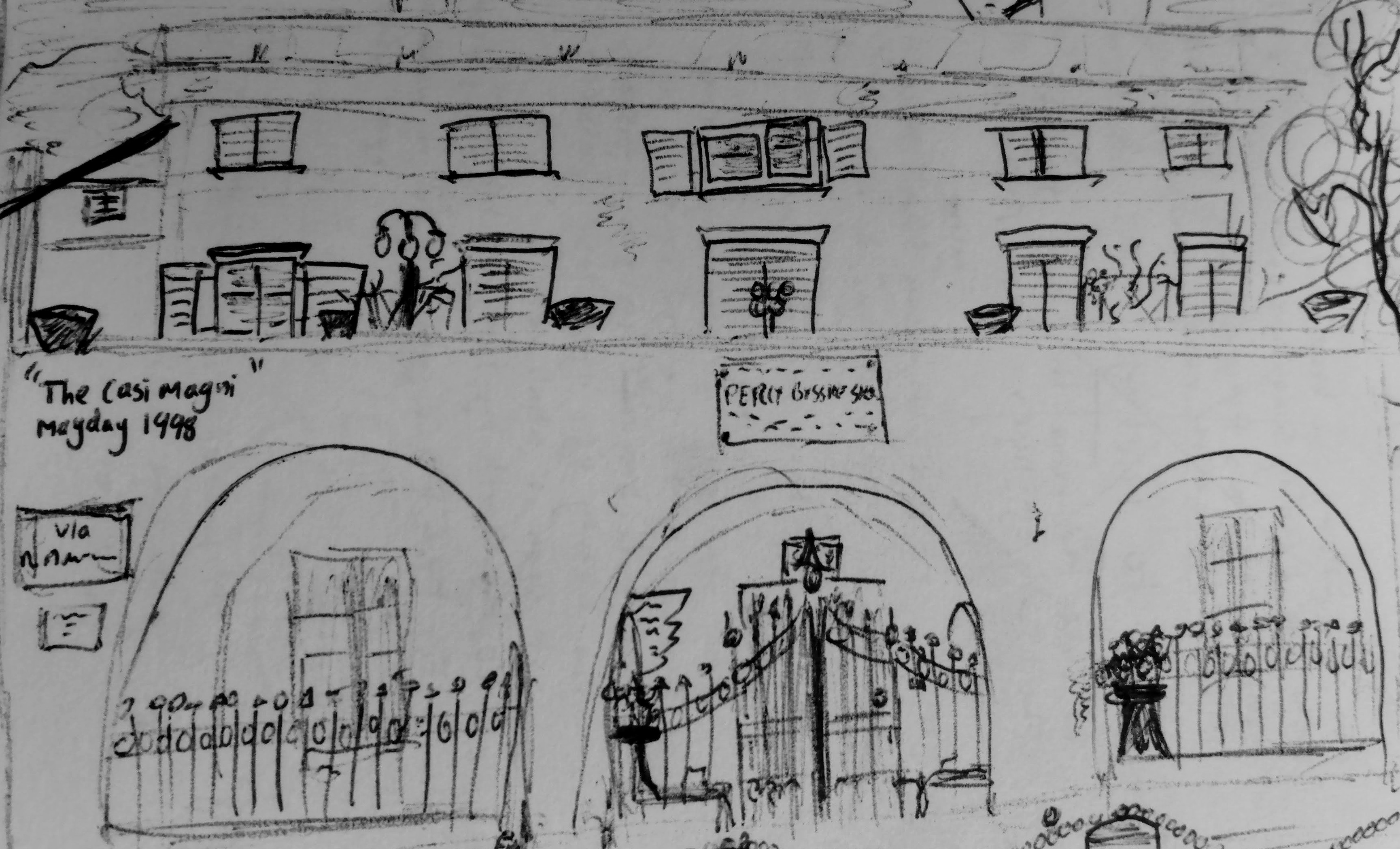
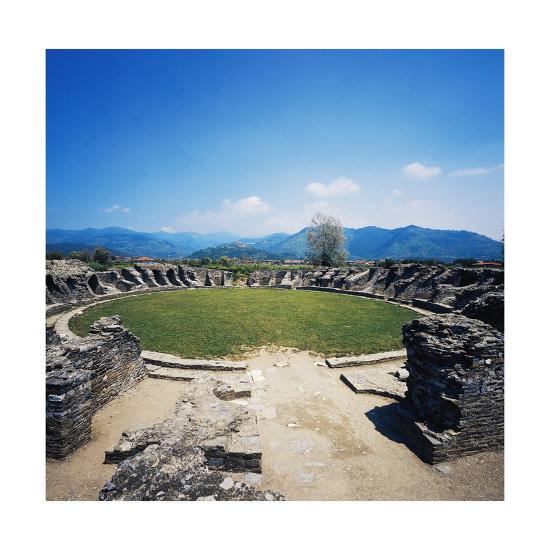
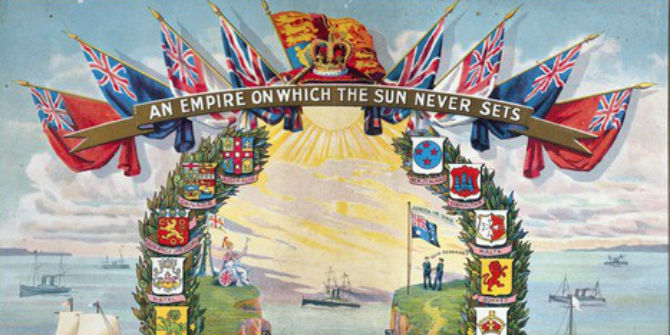




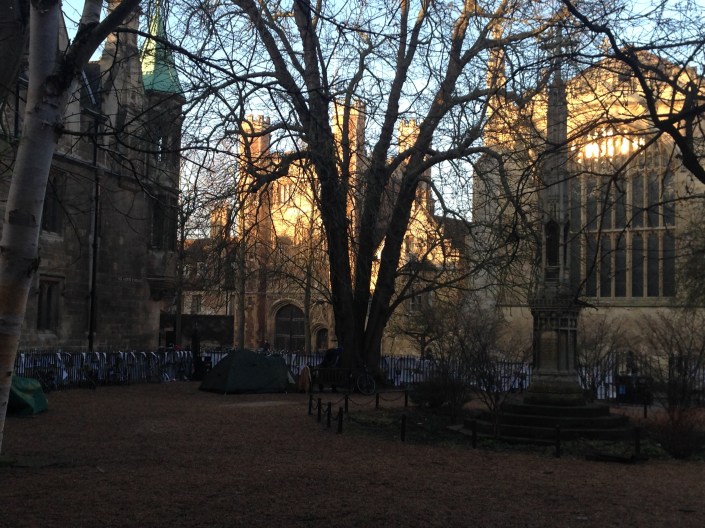

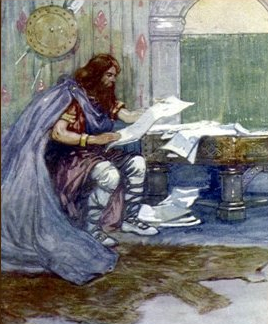
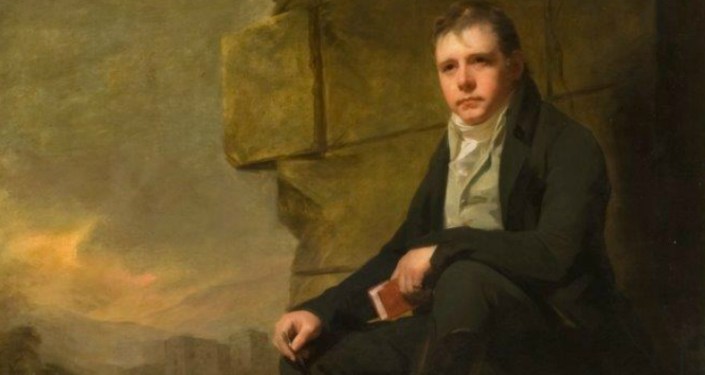
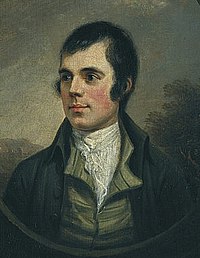

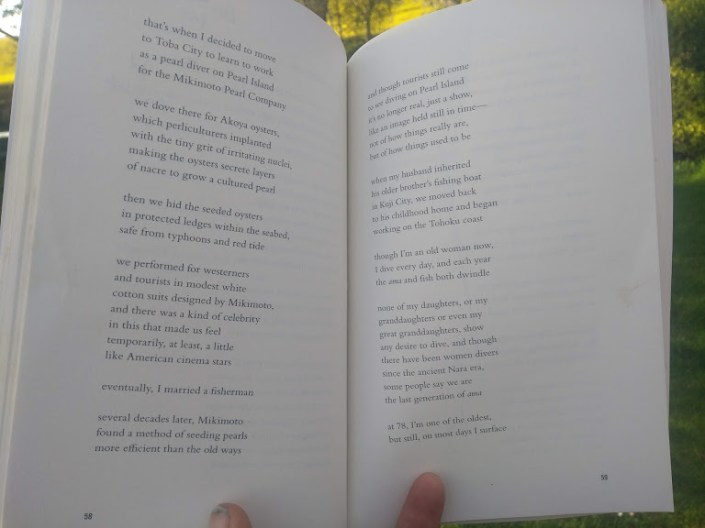
 My favourite poem in the collection was ‘Hulk Smash’ a cinematic & pathosean dirge thro’ a father’s pathetic quest to find his missing daughter in ‘a toxic garbage dump’ where he searched for her ‘every month / in the five-hour increments / allowed by radiation guidelines.‘ In the age of Netflix, this is what modern poetry should really be doing, making us all mind movies, & Roripaugh activates the mental mechanisms sublimely. When the collection is knitted together, the overall effect is rather like the Lusiads of Luís Vaz de Camões, an epyllionic journey full of constant stimuli, where at one point we may lament ‘the gwa gwa gaw of frogs / stopped from invisible ponds‘ & at another hear a young lassie called Hisako declare;
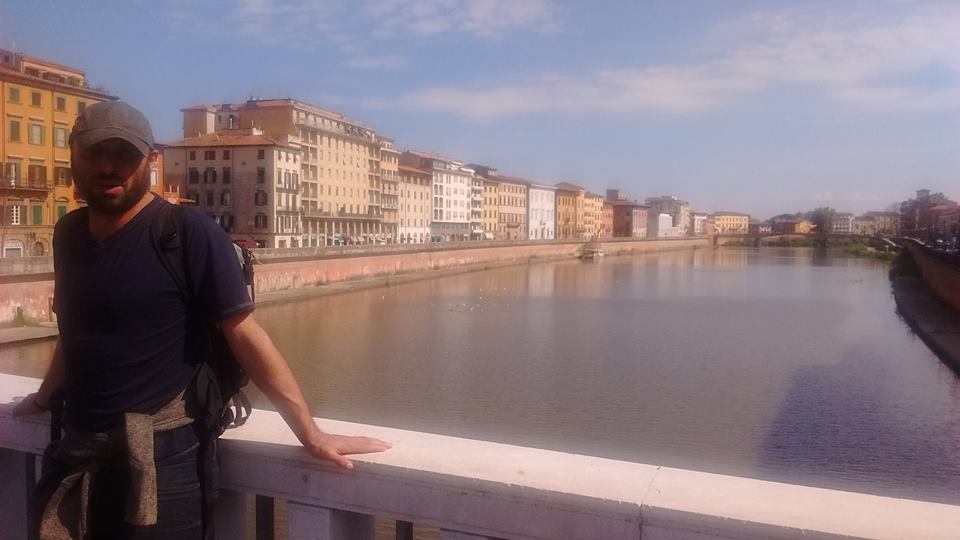
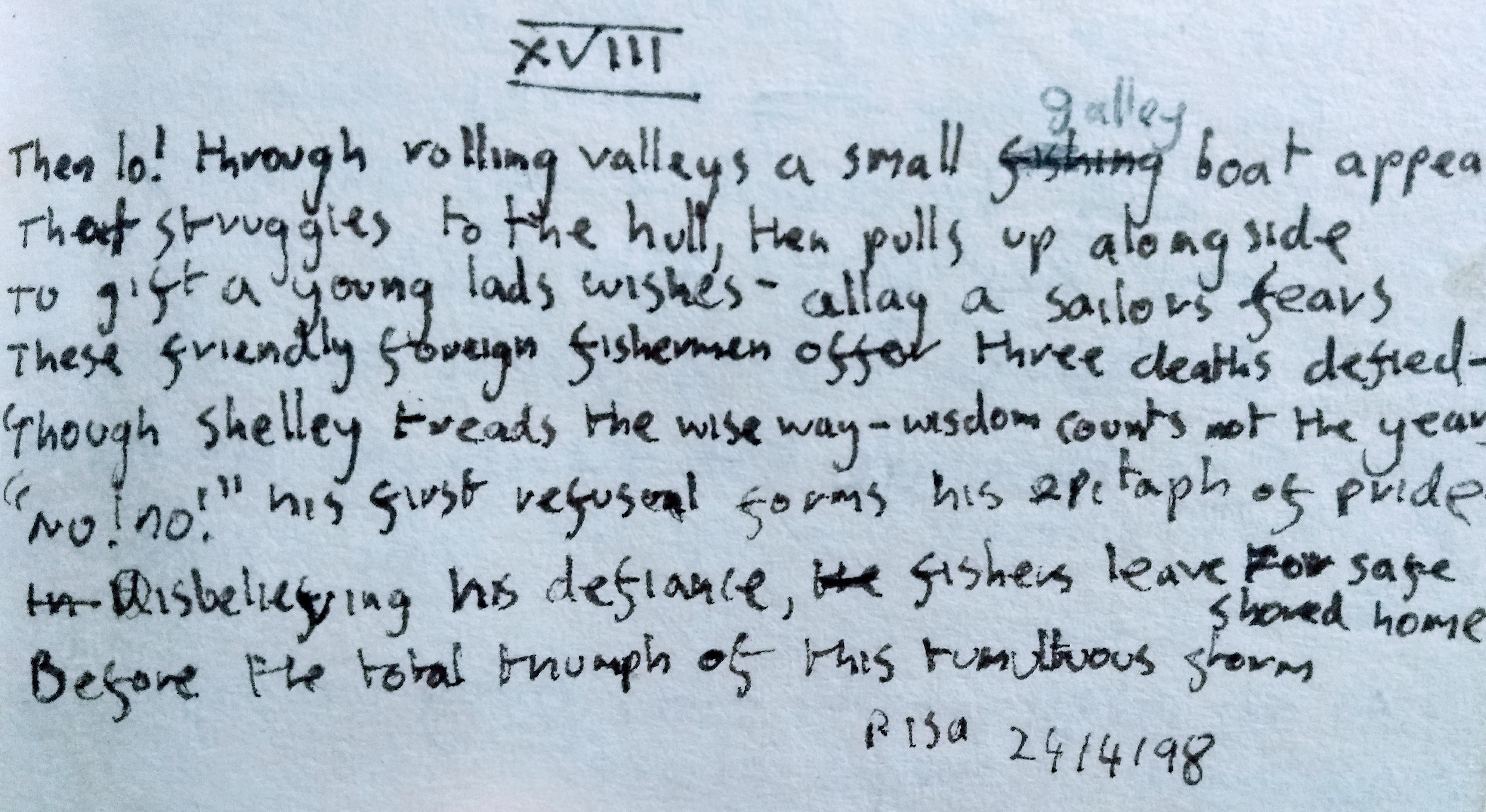
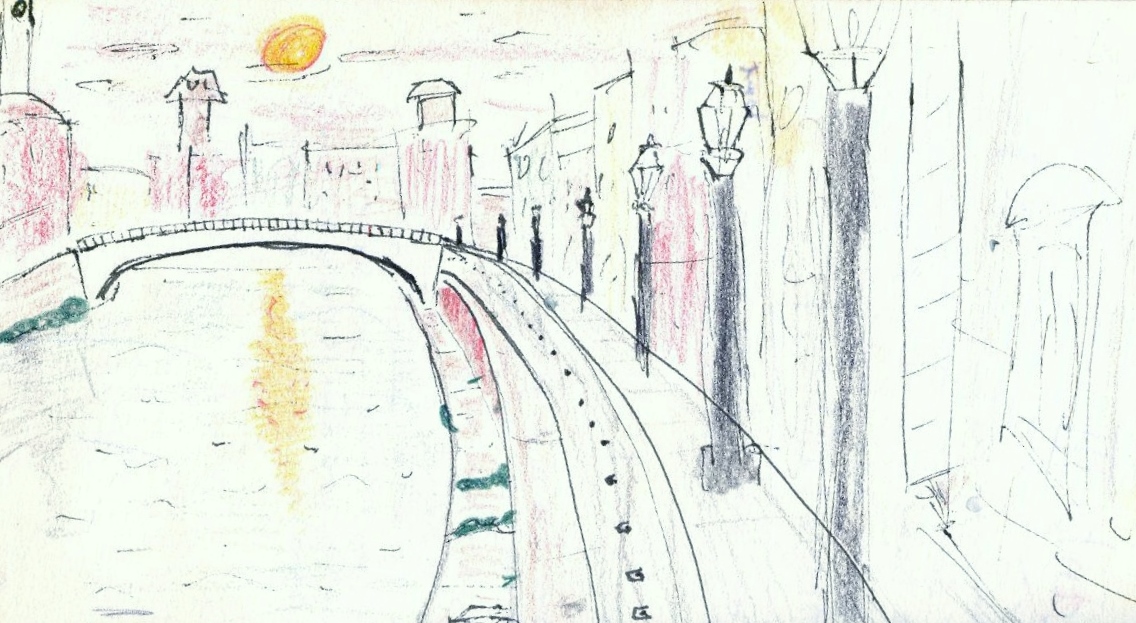
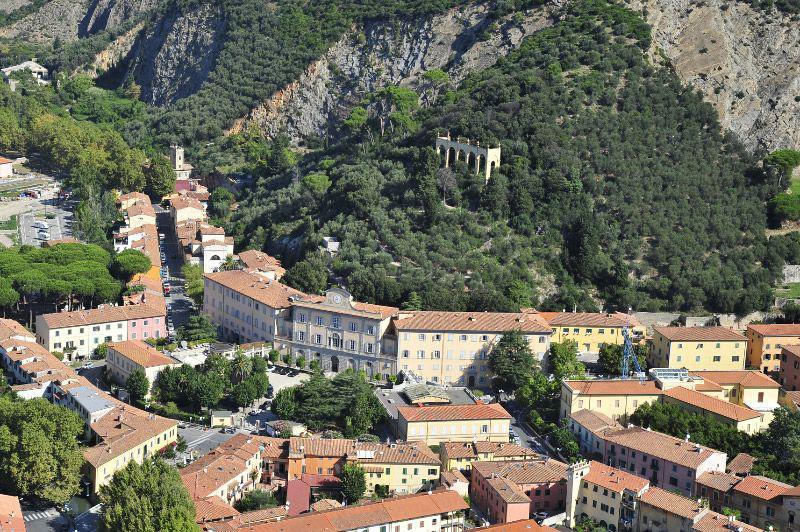
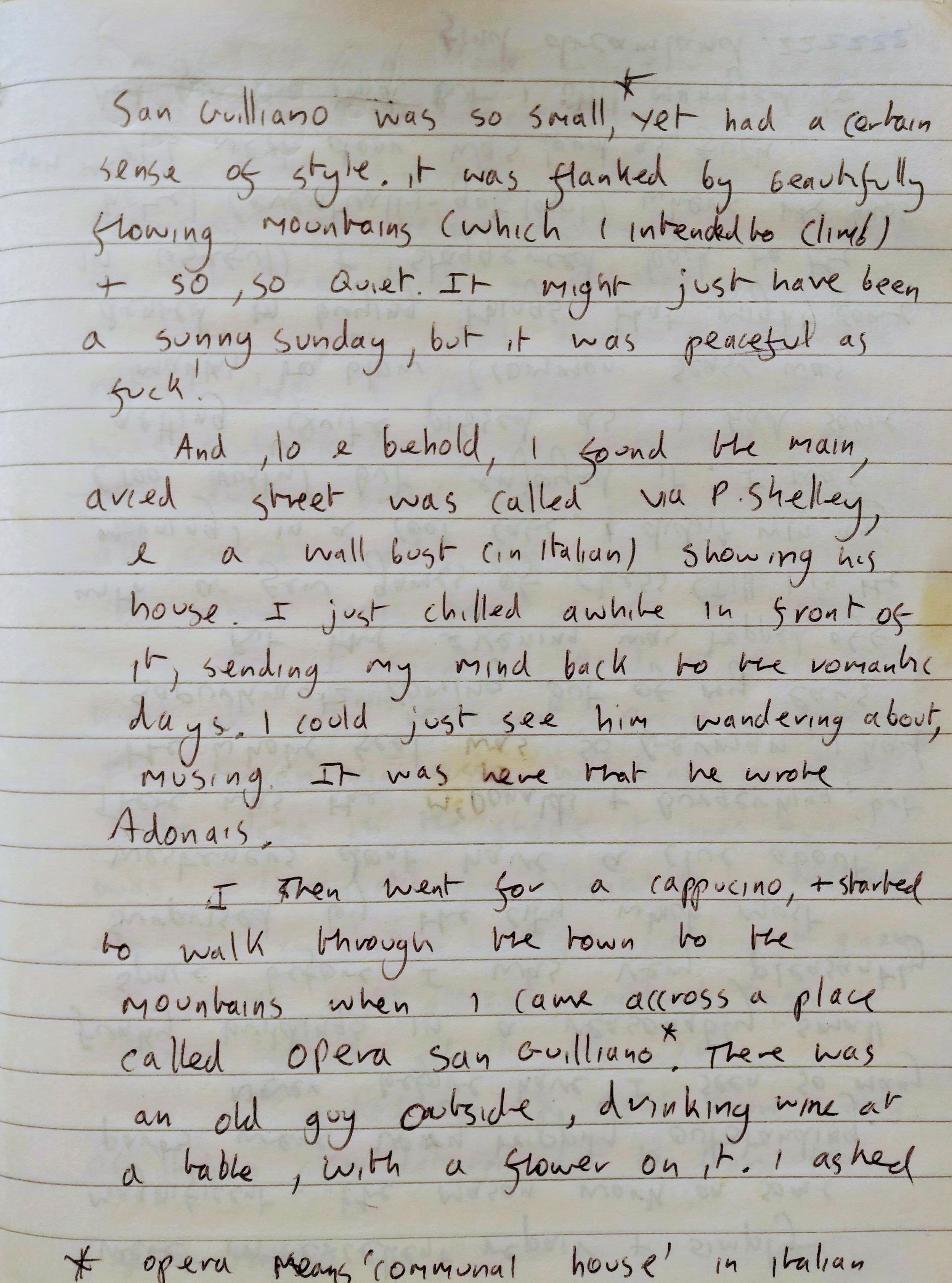
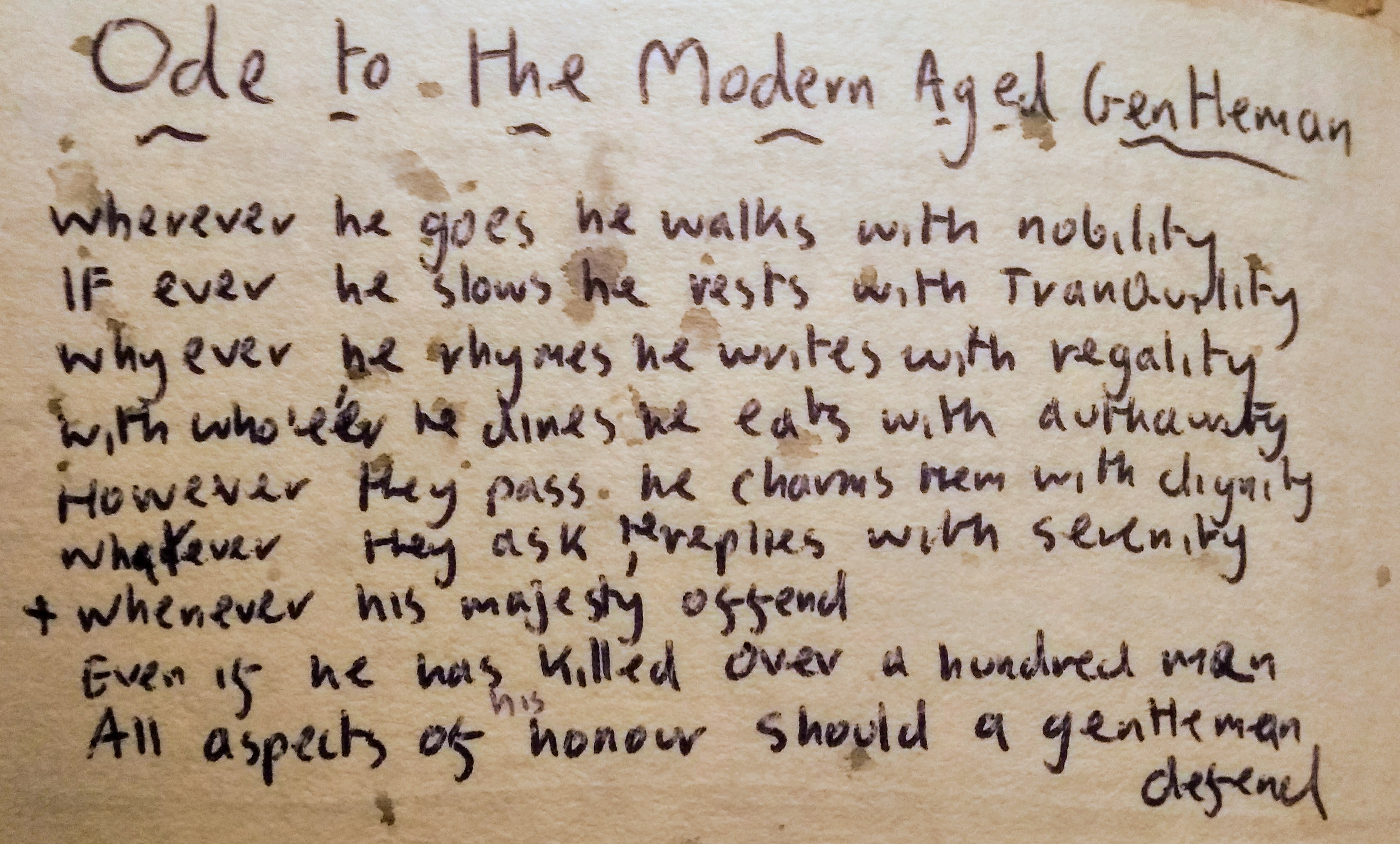


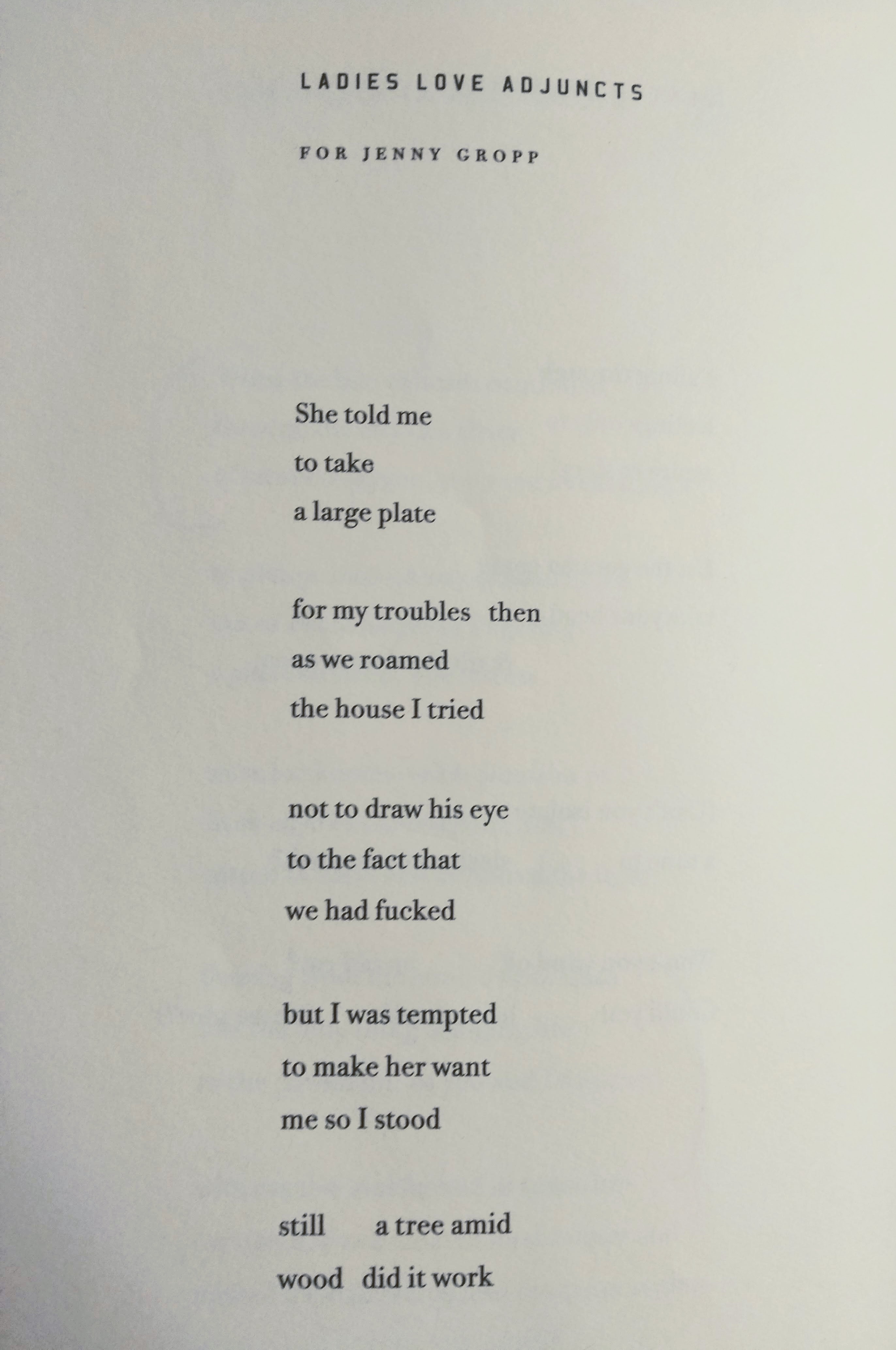

 I loved the pastoral punk of ‘Summer In The Network Of Privileged Carports,’ the sensual cravings of ‘Ladies Love Adjuncts’ & the staccato philosophising of ‘Does My Lip Limp?‘, but it is when Zurawski is translating the poetic experience that she really shines. In ‘The Problem‘ we see how ‘the musculature’ of her hand, ‘could no longer speed the pen to my thoughts,‘ while in the opening to ‘It’s Hard To Be A Saint,‘ she tells us;