Birth of a Poet 8: Rome, then Home
Concluding the 1998 European adventure
Which made Damian Beeson Bullen a poet
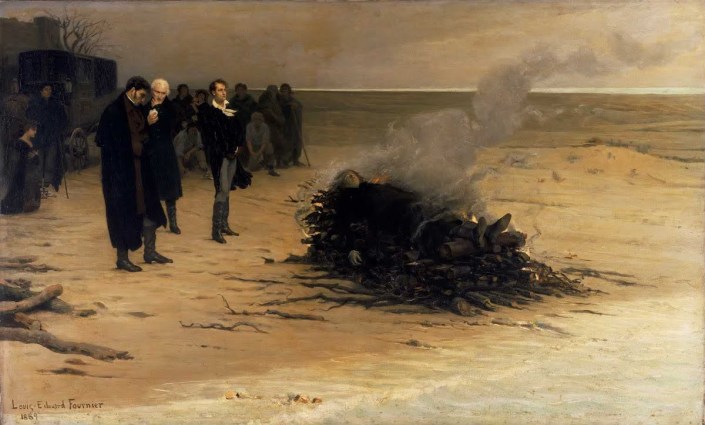
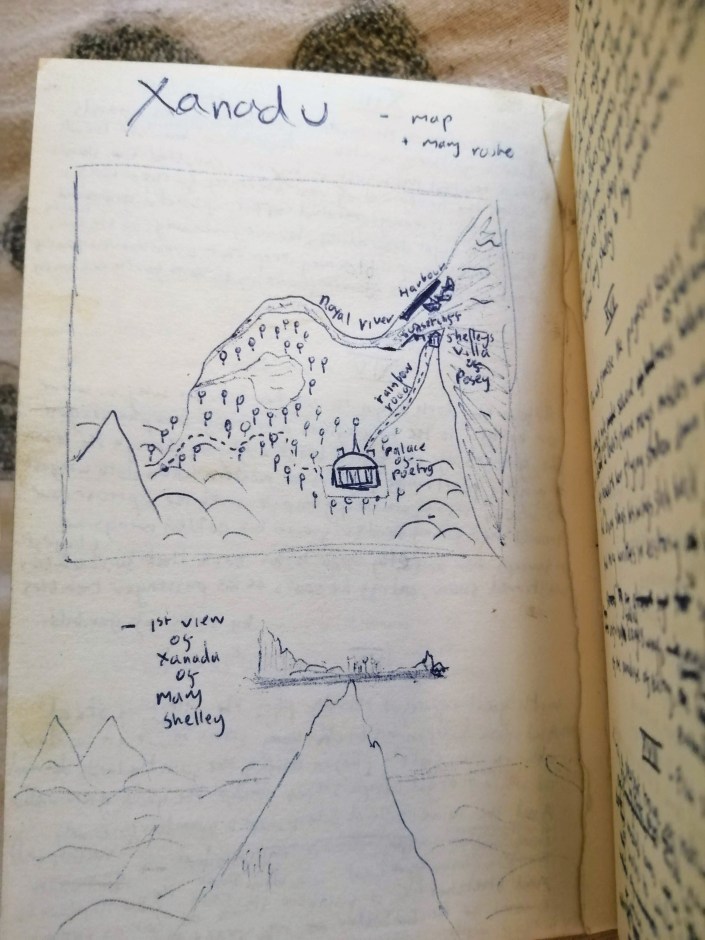
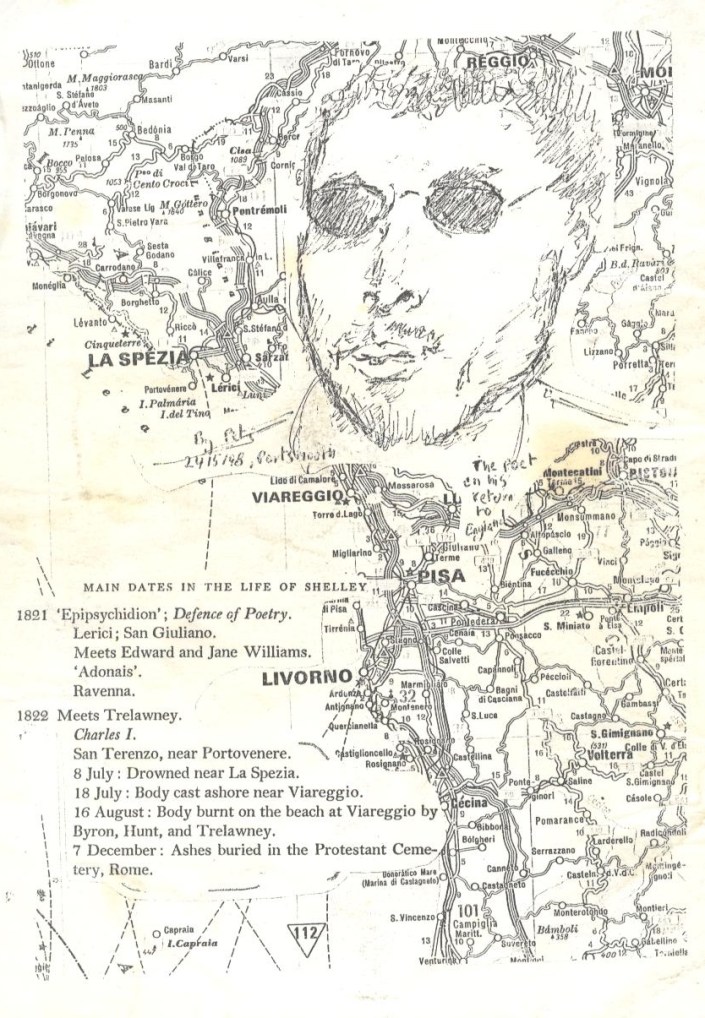
I am writing this in 2019, from my memory rather than typing up journals ad verbum. I will perform some of the telling with those stanzas of Ottova Rima I composed in Portsmouth, through the summer of 1999, as in them are my brightest recollections. As a general outline to my next few weeks on the road, from Le Spezia I first called in at Viareggio, a few miles down the coast, to the very spot where Shelley’s corpse was washed up & burnt, the painting of which began the whole ‘The Death of Shelley’ quest in the first place. I slept in my sleeping bag & built a little fire if I recall.
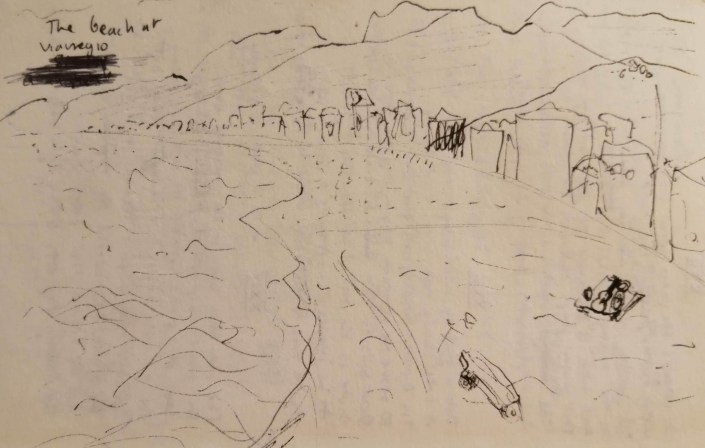
These were the very waters in which Shelley had drowned. He had been caught by one of the freak, sudden, snap-storms which lash this portion of the golden Tuscan coast. One of their number had consumed Shelley & his two companions, leaving forever a poet’s watery shrine. Shelley, in fact, had never learnt to swim. He was also an extemely proud individual & his turning away of help from the Italian fishermen while in the middle of the storm sealed the fate of himself, Edward Williams’ & the young Italian lad they had taken with them. These two factors had combined once before, upon Lake Geneva in 1816. Then, it was Shelley & Byron who were out sailing & caught by a sudden squall. Ther boat began to sink & Byron, being a swimmer strong enough to swim the Hellspont between Europa & Asia, offered to rescue his friend. But Shelley was adamant he would not be rescued & determined himself on going down with the boat. It took Byron’s invocation of Mary Shelley’s name to compel Shelley to consent to his rescue, but once on dry land he would never really get over this abashment of his pride.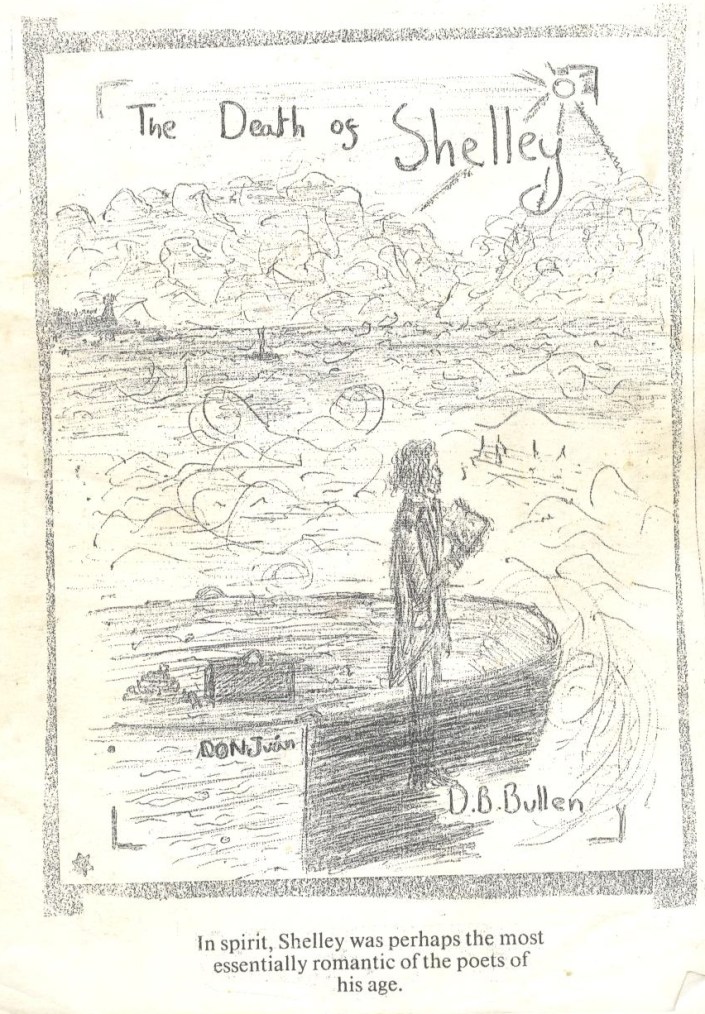
(from) THE DEATH OF SHELLEY (1998)- Canto 3
Twas Leigh Hunt who came on O so fast,
Bringing bad news to below Byron’s window,
“By George, George, we have found him at last,
Wash’d up on the sands of Viareggio,
The anxious waitings of these ten days pass’d,
Bares sad fruit as his fate we now now!”
“Very well,” said his lordship, “We sleep here tonight,
Then tomorrow we rise & ride with first light.”Onwards, onwards, onwards rides the plot,
Soon all of the players shall be in their place;
Past the hovels of Viareggio two horses trot
As tho’ drawing a hearse at a funeral pace,
They reach the long beach, ever humid & hot,
Today the sands lie like a dead, desert waste,
Then stride to the side of the shimmering sea –
Awaiting with handshakes is grim-faced Trelawney!In the minute of which a lonely lifetime lasts
The swollen sands are stack’d into a heap,
Hunt stands agape, Byron stands aghast
As Shelley is unslumber’d from his sunken sleep
In horrid exhumation! his life’s light has pass’d,
Leaves a crack’d & blacken’d corpse where rotting flesh-things creep,
“Is – is – that a body?” Byron whispers, bleeding white,
“Aye!” sighs Trelawney, “Tis not a pretty sight!”With quickening quiet comes the onrushing roar
Of the hush’d seawashes in violences,
Shelley’s featherlite frame two young brutes bore,
Carried to the pyre amidst silences,
& crown’d! Hunt begins to over him pour
Frankincense & other oily essences –
A poet soon burning upon the gutted gyre,
His soul to the stars, his body to the fire.
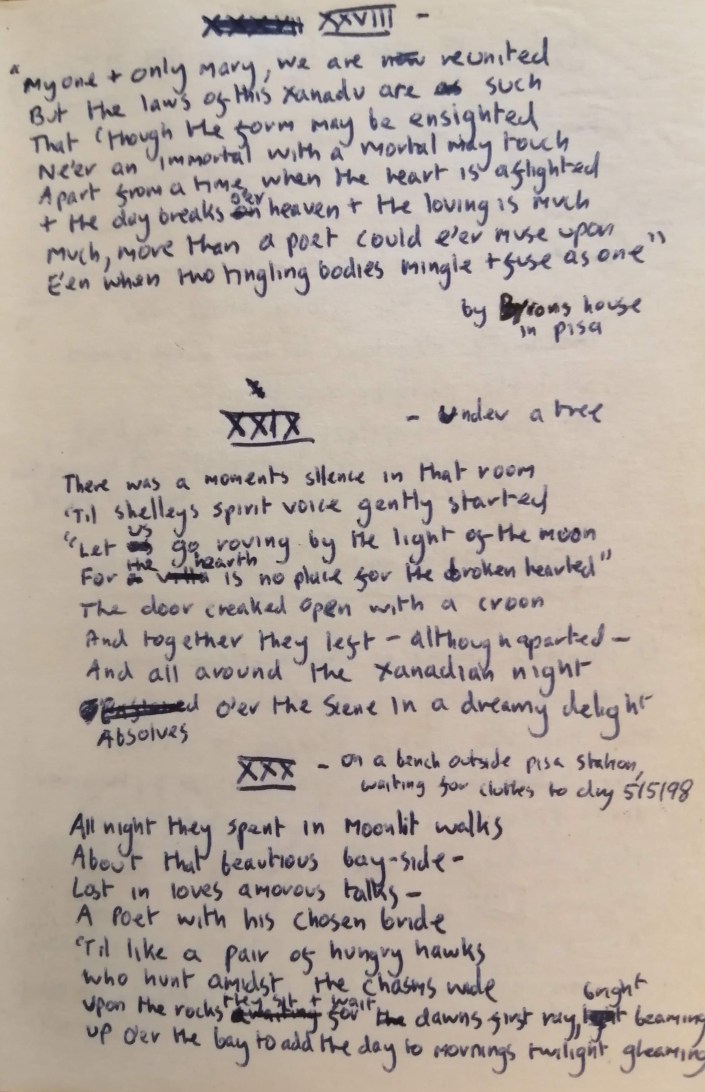
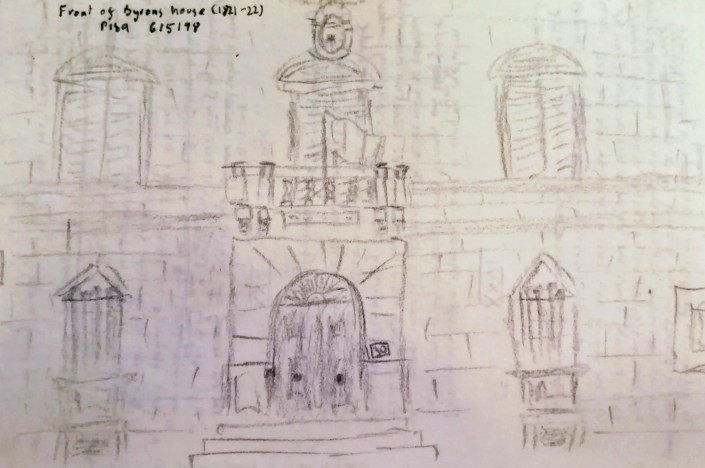
From Viareggio I spent a few more days in Pisa with the boys & my music, while hurtling thro’ canto 2 of my poem, which took only a week. Pisa is a perfect size, with everywhere walkable in about half an hour or so. The legacy of its empire is notable in its many noble buildings & beautiful churches. It is no wonder, then, that Byron & Shelley chose it as their place of residence. During my own stay I would often sit outside Byron’s old house & watch the sun set into the Arno, with its delicious blend of colours. Then, as I concluded the canto by Byron’s house, I was ready to go to Rome.
Heading down south on the click-clack train track
Its two AM, the conductor finds me
With a bag of books, the rags on my back
And in my hands a copy of Shelley.
I expect a Hampshire inspector’s flak
But he hands me his poetic pity –
Six hours later, the twilight before dawn,
I walk the streets of Rome awaitin’ morn.

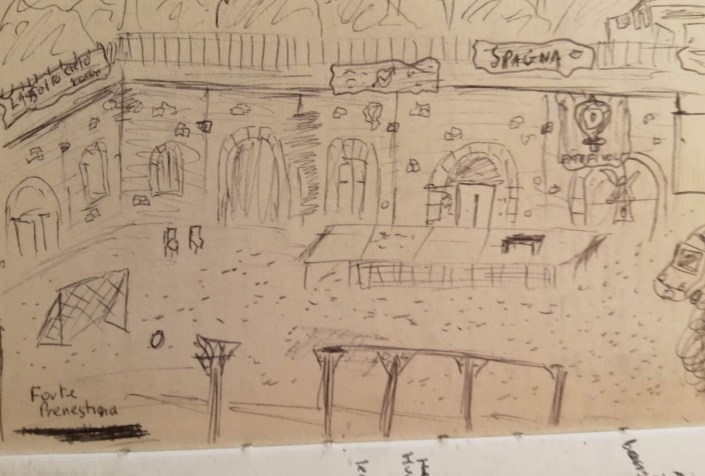
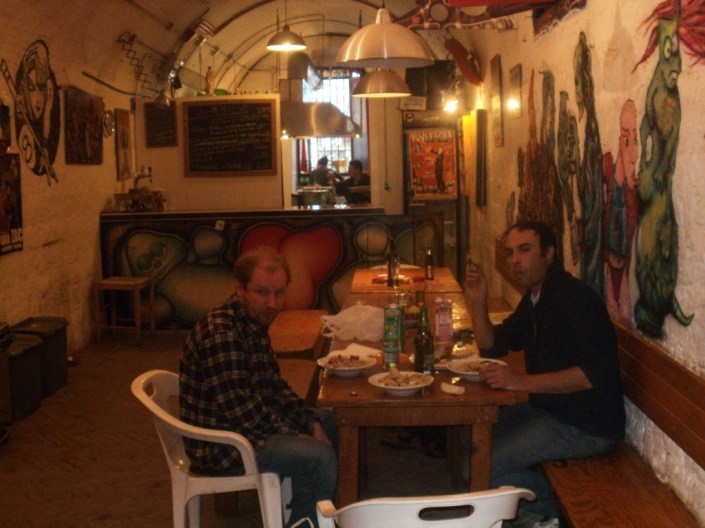
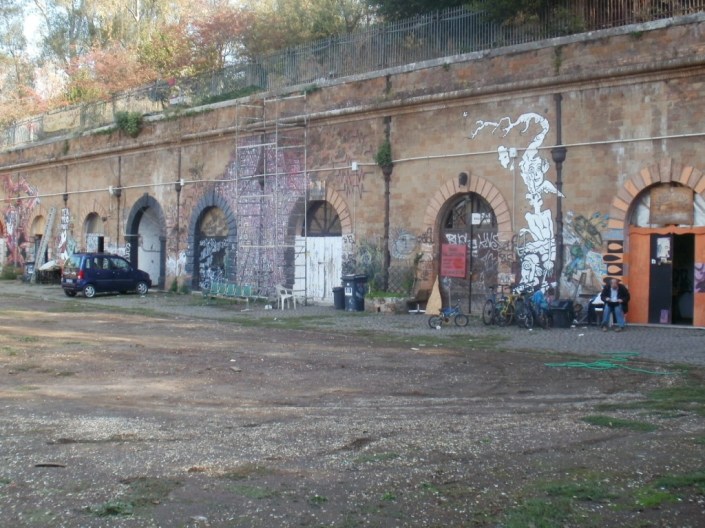
I had chatted to Megadeth previously, who gave me two addresses – one for free nun’s food & another for the Forte Prenestina – a place where I could & has always been an oasis for me at the heart of the city ever since. I was only there last October reviewing a play, for example. I also went to see a play not far from the fort which starred a beautiful young actress I’d met on the lawn by the tower of Pisa. A delightful experience which found a way into my poem & my heart. On what was to be my last full day there I met a gorgeous young actress named Manuela, & we spent the day in perfect harmony. She was travelling with a show & had performed in Pisa the previous night. On discovering we were both bound for the capital the next day, it was agreed that I would come along to see the play. Here is a stanza I wrote to remember the occasion.
She is to me as the first star of eve
With ocean eyes & smile of teeth pearl white,
And breasts & bum like you wouldn’t believe,
My heart melteth at the sensual sight
Of beauties first essence, which I receive
In raptures, as we, by the Arno’s flight
Are as one with the sweet serene sundown –
“Meet me in Rome,” we kiss & she leaves town.
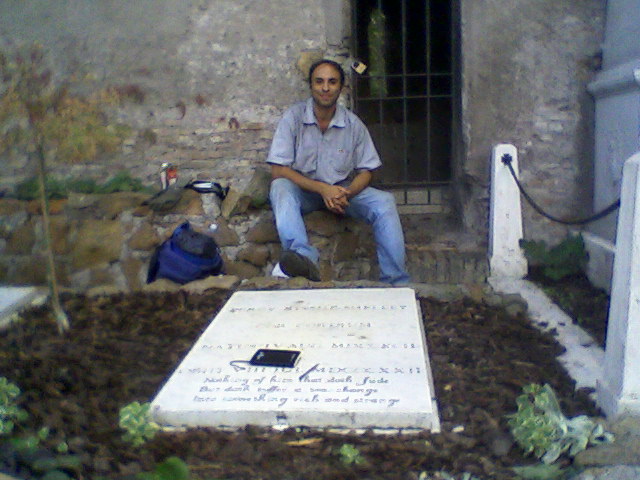
As I completed ‘The Death of Shelley’ in the Protestant Cemetary in Rome, on my beloved grandmother’s birthday (16th May), after two months of travel I was seriously ready to get home. I was penniless at the time, except for the emergency ten pound note which I had held in reserve, plus a tin of Hungarian beef I had been carrying with me since Budapest. After cashing in my money I immediately bought an ice-cream, reducing my funds by a further pound. Obviously this was not enough to get me home, but I had dodged the fares on trains from Belgium to Budapest & all the way to Rome, so felt confident of hitting the Channel coast at least.
I cash’d in my emergency tenner,
& with canned beef I bought in Hungary,
To busk up a little extra lira,
I hunger’d up the length of Italy
Whereon my last evensongs of Pisa,
Already it all seem’d a memory,
For Kapitano had moved on to France
To work the World Cup with a beggar’s dance.
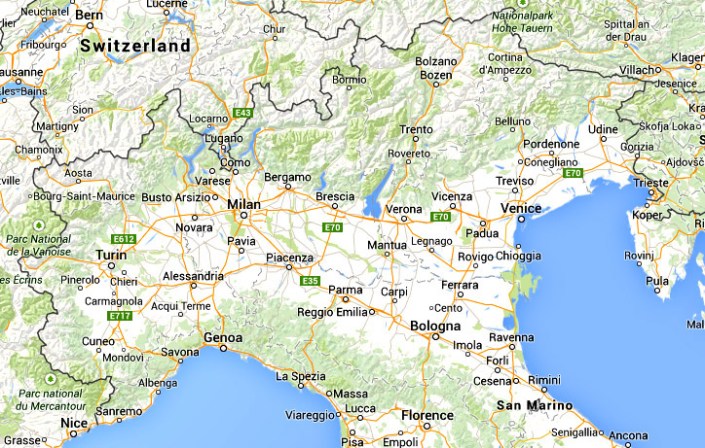
I managed to jump trains all the way to Turin, stopping off in Pisa for one last romantic night of busking. From Turin my plan was to catch a train to the French border & from there make my way to Calais. However, things did not go to plan, for as my next train pulled into its destination, I was surprised to see, not a small border station, but tall statues, gorgeous pillars & a vast marble floor. Then in huge letters above me I read the words MILANO. I was now over two hundred miles off course in completely the wrong direction. Cursing my stupidity & sheer bad luck I got out my map & worked on another plan. The quickest way home was north through Switzerland & Germany, so I caught the last train that night toward the Swiss border.
So leaving gentle Arno to her flow,
Jumping trains to an uncertain future,
I once again view’d Viareggio,
Le Spezia, then pass’d thro Genoa,
Spent sunset in the streets of Torino,
Then caught a sleeper to the French border –
But travel does not always go to plan,
Somehow my train had landed to Milan!
The atmosphere on that journey was surreal, tracing the outline of the Italian alps as they sat black against the moonless gloom. It was sometime after midnight when I pulled up to Switzerland, & cheerily made my way to passport control. Unfortunately, when asked how much money I had I could only offer a few lira & a tin of Hungarian beef, & was promptly refused entry. The policeman planted a no entry stamp on the back of the page which sported my signature & address in Britain. Then he walked me to the border & tossed me into Italy, past a number of curious Italian police.
I was now sev’ral hundred miles of course,
& how it happen’d did not understand,
But youth is driven by a hidden force,
& made me jump a train to Switzerland
At whose harsh border found a smart resource
For they had rejected me out of hand –
I look’d like a tramp – past midnight grew tense,
Until I found a hole shewn from the fence.
Being twenty-one at the time, & in no position to be stuck at the border, I proceeded to tear out the page with the no entry stamp, find a hole in the fence & sneak into Switzerland. I made my way thro the empty streets like someone who had just escaped from Colditz, returning once again to the train station. There, while looking on the times of trains, I suddenly heard a “HALT!” & turned to see the same Swiss policeman who had thrown me out fumbling at his holster for his gun, which was soon trained on me. It is a strange sensation to have a gun aimed at you & so I thrust my hands in the air & awaited my fate. This was an ignominous kick up the ass, literally, back into Italy past the laughing Italian gaurds.
This was the final straw for me, & so once again returning through the hole in the fence I travelled into Switzerland for another five miles to the next station & waited for a train. The sun was just beginning to rise at this point, with dawn ever brightening the scene. Unluckily for me this made me visible & I began to worry as a police car suddenly began to drive toward the station, park up & eject two burly looking men.
“Your passport please?” they asked on discovering my nationality. I could tell they knew something was wrong, but looking through the passport could find nothing. It was very difficult to hold back the cheer as they gave me back my passport & drove away. However, that cheer did come when the 5 am train arrived & whisked me North.
Things would soon take another curious turn. I made Zurich safely enough, & pottered around on the trams for an hour or two, before catching a train to the capital, Bern. However, the mornings exertions had worn me down & I soon fell asleep, instead of jumping the train. Imagine my surprise, then, to be woken up at Bern by the conductor & two policemen, who frogmarched me off the train into a room at the station. From there I was taken to a holding cell, shared by four West Africans & a Kosovan, all in the country illegally. All there was top do there is eat the megre meals, take an hours exercise a day & watch endless reels of MTV. Fortunately for me I had a passport & it was soon decided that I would be deported.
I shyall always carry one incident with me. Not long after being locked up I desired the return of my notebooks & pen. After pouring my soul into the composition of the Death of Shelley, I wanted the manuscript close to me. The thought of it being lost by the Swiss autharities rankled me, & besides, there were a few corrections that needed making. So I began to press the contact button in order to get its return, but my request was refused. This wound me up, so I proceeded to tap out a percussive rythym on the buzzer, which I knew would infuriate the gaurds. A few moments later I had been taken to a solitary cell of confinement – & still no notebook! So I proceeded to go through the first album by the stone roses at the top of my voice, acapella style with bongo accompaniament, & got as far as She Bangs the Drums before five massively-forearmed gaurds burst in with a flurry of punches, calming me down somewhat.This I completely ignored & insisted on the return of my notebook. Finally my protestations were heard & I was given the poem & immediately fell as quiet as a mouse.
They marched me on a fancy Swiss Air Jet,
Handcuffed until the very last moment,
For I had slipped right thro their border net,
Back to mine own contree had to be sent,
On fine french wine my flight home growing wet
& thanks to their filthy rich government –
I had thirty-five pounds worth of Swiss Francs,
To sexy stewardesses kiss’d my thanks.
Two mornings later I was taken from the station, placed in a cell upon a train & transported to Zurich, where I was given twenty-five pounds in Swiss Franxcs & a seat on a swiss air jet bound for London. The cuffs were finally taken off me at the entrance to the plane, from where I found a nice window seat & helped myself to the free wine the attractive stewardesses insisted on giving me. Two hours later I had landed home in Heathrow, a little worse for wear from the wine but immensely relieved to be home. Whether it was enormous luck or not, ever since that moment I have been convinced that, if the poet will devote himself to the art, then the muses will always look after their own.
That evening I turned up at my pal’s house in Hackney and finally opened my tin of Hungarian beef. I can’t recall it’s taste too well, I think it was good enough. Maybe I should have waited to sober up off the Swiss wine to fully appreciate it!
PASSPORT POST-SCRIPT
I travelled widely following those amazing few days that whisked me from Rome to London, & had only ever had one bit of trouble with what is, in essence, an invalid passport. In 2004 I sailed through the enigmatic archipelago to the East of Stockholm & across the Baltic sea to Tallin, the charming capital of Estonia. I was making my way to the city to visit some friends of mine, & was very much looking forward to arriving. Unfortunately, at passport control I was very laisez faire about the matter & chose the rather podgy, matron like battleaxe of a woman to show my documents to, resulting in the denial of entry. I quick call to the British embassy resulted in them agreeing to get me a new one – but this would have reduced my vodka drinking funds & also given the nasty Swiss border gaurd an eventual karmic victory. With my friends waiting for me it was quickly agreed that I would go with them to the embassy & leave my bags at the port, collecting them later on when I had a new passport. Once inside the country, & suitably fortified on strong Finnish vodka, I decided to try my luck back at the port – especially as I remembered the five ecstasy tablets that I had left in my luggage!
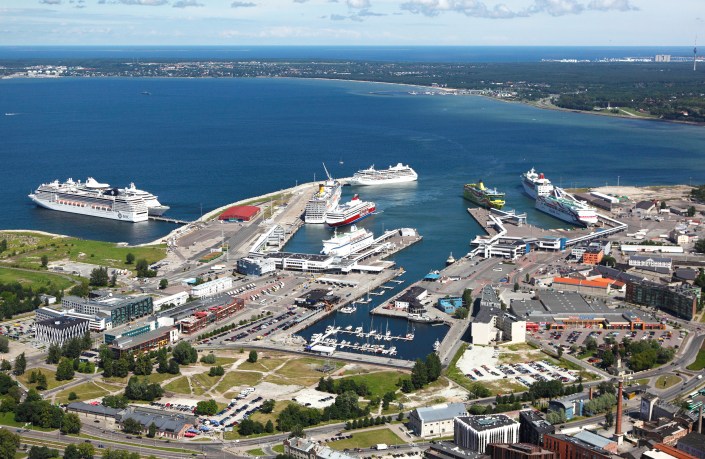
On return to the harbour, past the leviathian soviet architecture & enigmatic Estonia city walls, I was delighted to find different members of staff in the room where my bags were. I quickly smiled, picked them up & hurriedly made my way tout of the complex, only to bump into the very woman who had denied me entry in the first place.
“So you have got a new passport,” she said.
“Ehh! yes,” I quickly answered.
“Then welcome to Estonia!” she said & I was off in a taxi in a flash.
THE BIRTH OF A POET
************************
Remembering Mikey Smith
Linton Kwesi Johnson, Roger Robinson & Anthony Wall
Edinburgh International Book Festival
Sun 18 Aug, The New York Times Main Theater
With typical insouciance the dapper master of reggae poetry graciously bats aside the initial question of compere, Jamacain-raised author Leone Ross. He takes to the mic, regaling the Book Festival’s reverential, po-faced audience with the best known work of his friend and fellow genre-founding father, Mikey Smith.
Mi Cyann Believe it
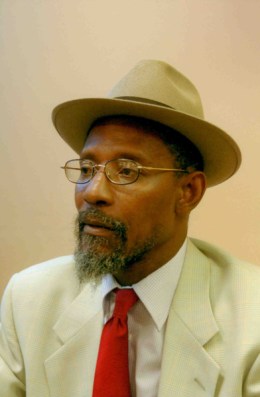
Mikey Smith – social worker, writer, died in murky circumstances at a political rally in ’83 – composed a strident paean to the Jamaican diaspora, specifically those who landed on these shores. Smith’s first visit to Britain was documented in the 1982 film Upon Westminster Bridge by BAFTA-winning film maker Antony Wall – who was also on the Book Fest’s three-strong panel. The other being all round chief Rocker Roger Robinson.
Robinson, a protean talent, is affectionately teased for his whippersnapper status in the eyes of the godfather of Jamaican patois, who later delivers a blistering ‘half-poem, half-rant’ referencing Grenfel Tower and Windrush issues that LKJ avers ‘show us how far we have to go ‘ Happily it seems the legacy of LKJ and Mikey Smith is in safe hands.
Anthony Wall contributed a port-stained whine about the plethora oflLiterary festivals, the horrors of free wine, and the insight that Mikey Smith was not only the most important poet of the 20th Century, but almost as good as some English poets; whilst reducing the immeasurable contribution of the man recoiling beside him to absurdity by describing it as a ‘A fuck you to the man as we would call him.’ I kid you not!
After 15 minutes of inchoate waffling, the following Q&A consisted of the usual ‘I love you, you’re great, you saved my life sycophancy,’ along with the inevitable posh nob bleating a surreally unconnected anecdote about a pony before, RR ripped it up and finally LKJ himself had the audiences’ eyes brimming with his peroration to his dead father .
A true master
Irish Adam
Lin Anderson and Jacob Ross: Forensic Cops Delve into Horror
Edinburgh International Book Festival
20th August 2019
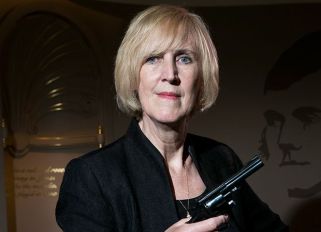
Lin Anderson, well known in Scotland as a Tartan Noir crime novelist and screen writer, has just published Sins of the Dead, her fourteenth book in the Rhona McLeod series. She is also the cofounder of Scotland’s annual festival of crime writing, ‘Bloody Scotland’. Anderson was born in Greenock, but with her latest novel located on the Isle of Skye in the west of Scotland, it was an inspired move to pair her for a discussion with fellow crime writer Jacob Ross. Currently living in Leeds, but born in Grenada, Ross has just finished ‘Black Rain Falling’, a crime novel set in the ‘fictional’ Caribbean island of Camaho. Following on from The Bone Readers, Black Rain Falling is the second book in his four-book series, the Camaho Quartet. The name is a nod to ‘Camerhogne’, the original Kalinago people’s name for Grenada. Ross has been a master of the short story form for several decades now, and is a polymath of the literary world; working also as an editor, creative writing tutor and judge. Al Hunter confidently chaired a lively and playful discussion that successfully drew out the author’s motivations and struggles in the process of writing crime fiction.
There are strong similarities between the protagonists of each book, though carrying out their work on either side of the Atlantic. Rhona MacLeod and Michael ‘Digger’ Digson are both forensic scientists, who have sidekicks with their own strong and memorable characters. There are also similarities in both authors’ approach to language and their defence of their use of local dialect in their writing. Ross has been speaking of this for many years, suggesting that the reader should not be patronised in order to enjoy a book. Anderson spoke of her jealousy at the musicality and rhythm of Caribbean cadence and yet both shared their fights with agents and publishers to keep important words and phrases that, if replaced with standard English, would lose the nuance, the emotion and the exactness of the cultural reference. Ross appealed to the sophistication of British readers who delight in the beauty of a different turn of phrase and will willingly work a little to understand unfamiliar words. Anderson shared her insistence that the evocative Scots word ‘boaked’ could and would not be replaced with the English word ‘gagged’. The conversation turned to the liberal amount of swearing in both books, and knowing both Grenada and Glasgow pretty well, I know it would be hard to ‘keep it real’ without some effing and blinding. Chair Al Senter wondered whether our more liberal times allowed for this, and the audience chuckled at Ross’ 85 year old mother’s disapproval, exclaiming that “I did not bring you up like that!”, but Ross pointed out the irony in taking offence at taboo language while simultaneously enjoying gory details of grisly violence. Often writers mention the strange freedom that comes with the death of their parents, and for Anderson the embarrassment had come from writing about sex.
 Ross began his writing career with several collections of short stories, and began to move across to novel writing with his 2008 novel Pynter Bender, about a blind, mystical young boy growing up in Grenada during the oppressive regime of Grenada’s first Prime Minister Eric Gairy. He confessed to being rather snobbish about the ‘crime genre’, of which he knew little until he turned to writing crime fiction. A choice made from noticing that the Caribbean had no crime novels to speak of, even though, as he said wryly, ‘we certainly have the resources’. He remained sceptical about two thirds into writing the novel, when he was struck by the huge range of possibility that the genre gives to comment on everything from relationships and society to human nature. At the bidding of his doctor son, he took on the formidable task of thoroughly researching the world of a forensic osteologist, a challenge that he surprisingly began to relish, having been a biology teacher once upon a time. It wasn’t just the intricacies of human biology that fascinated him, but the changes in the law that required evidence rather than mere suspicion to try a case adequately. He was also fascinated by the instances where loyalty and justice are in conflict, which forces some tough questions about reality. Also a former teacher, Anderson grew up with a protective Detective Inspector father and took a forensic science course at Glasgow University, the experience and knowledge of which endears her to forensic scientists who appreciate the authenticity of her stories. They were both invited to read from their books. Ross’ new book, Black Rain Falling, is not available until March, so we were only able to snatch a tantalising glimpse of book two, which reveals much more of the proper but formidable character Ms Stanislaus.
Ross instead read from the beginning of The Bone Readers where he hints of the struggles of Digger the reluctant forensic scientist, instantly plunging us into the heated atmosphere of a murderous fight in ‘Camaho’. Known for his sparse style honed from writing short stories, no word is wasted. Anderson’s pieces were inspired by a walk with her friend’s dog on the Isle of Skye. The rich description of the pieces transported us to a forlorn area up in the woods, where the hoarse call of the bird and the dog’s insistent whining made us shiver in anticipation. It was a relief to meet a happy looking Blaze the collie and its owner mingling with the crowds at the book signing table a few minutes later.
Lisa Williams
Studying the Zeitgeist through the Words of our Authors

Edinburgh International Book Festival
2019
Authors are like the yardstick of an age. It cannot be denied that we live in fairly tumultuous times – no one is being bombed or anything, but the unregulated powers of the internet in an increasingly media-driven populist world is not helping the well-being, both physical & mental, of the planet. In response, I picked out three talks at the Edinburgh International Book Fest to see what our intelligentsia had to make of this ‘insanely atomized individualised world {David Greenblatt}.’
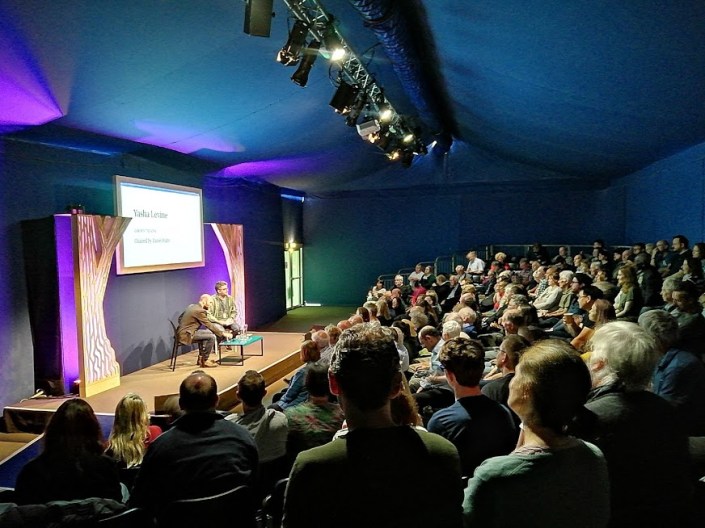
Yasha Levine was first on my radar, a Russian emigre to America, who recited the snippet-history of the internet, of how most technological inventions originate in the American Military & are sold off into private hands. His theme was how, just as the Soviet eutopia failed, so the internet dream of peaceful & co-operative global harmony has been usurped by oligarchs & weaponized in our times. The internet is a powerful force which shapes society, & just as the American military devised the internet to manage its growing global empire, its pretty much doing the same thing today through its proxy, big business, which is in essence both an aspect & an instrument of the state. Levine explain’d perfectly how we are becoming A-social beings, fed a constant stream of subliminal messages that are non-compatable with a democracy; allowing oursleves to be controlled, our thoughts corrupted by advertisers who study populations & buy our eyeball time in a constant quest to make us consume stuff we don’t really need.
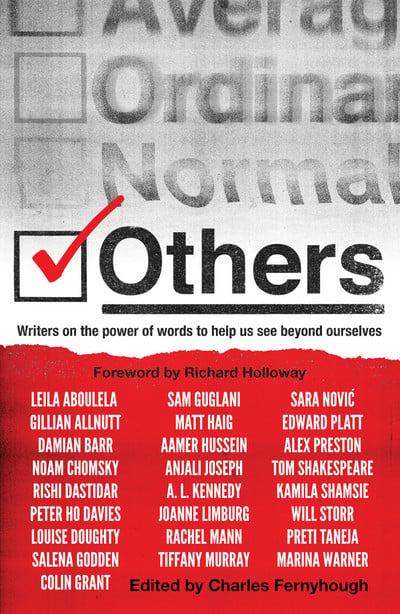 My next talk was based on a book called Others, brought into existence by Charles Fernyhough & containing the writings of a great number of like-minded authors, all opposed to the hate-insipring agenda of the aforementioned media-driven populism. Their remit was to, ‘explore the power of words to help us to see the world as others see it, and to reveal some of the strangeness of our own selves. Through stories, poems, memoirs and essays, we look at otherness in a variety of its forms, from the dividing lines of politics and the anonymising forces of city life, through the disputed identities of disability, gender and neurodiversity, to the catastrophic imbalances of power that stands in the way of social equality.’
Accompanying Fernyhough were Colin Grant, Marina Warner & Will Storr, who gave a session which, although preaching the Otherness of the world, felt more like a chit-chat straight from the Green Room. It didn’t help when Colin Grant began celebrating having his Caribbean accent pomelled out of him by public school & his ‘ascension’ to the Middle-Classes. Of the information acquired from the four-way talk, the most meaningful came from Marina Warner, a veritable Dame of the British Empire, & President of the Royal Society of Literature. She highlighted how refugees have no language in common with their ‘saviours’ – the Nigerians who speak English are a rarity, really – which, she explains, holds back the human spirit’s natural capacity to dismiss all previous misconceptions at point of contact. There are a distinct lack of entry points, she tells us, & suggests song-sharing as a solution, from which should spring a fusion of memories & shared experiences. Instead, the sentiment I gained from this, and my Western-Eastern Divan talk the other day, was that we must finally create the Universal Language to open up the Universal Soul. Once the Fringe is finished, I think I might just get to work on it.

The third of my trio of talks was David Greenblatt, an incredibly passionate, intelligent & eloquent speaker, if a little over-florid in his prose. His new book is all about how football has taken up, in the last twenty years, a place of global hegemony, becominc a tool of socio-political control in pretty much the same way as the internet. According to Greenblatt, this last bastion of human drama is being used for money, power & influence, with modern football revealing some of the more unappealing attributes of capitalism, such as South America being hollowed out by the richer European leagues. He tells us how oligarchs are now in control of football, just as they run the internet. As I listened intently, I realised how football is simply a mirror to the world we live in today – where austerity measures are forcing councils to sell off grass-root playing fields, while Alexis Sanchez is on half-a-million a week for being a bit of a damp squib at Man United.
Greenblatt’s talk was full of fun facts – 100 million Indonesians watch their rather mediocre national team on TV; European football makes more money than its publishing, it was illegal to play football as a woman in Brazil up to the year 1979, & so on. His endearing message was that we should build a world where the outcomes of life AND football matches should be determined by strength, talent & belief; not money, power & influence.
Damian Beeson Bullen
The Divan Sessions: The West-Eastern Divan
Edinburgh International Book Festival
Wednesday 14th August 2019
2019 sees the 200th anniversary of Goethe’s West-Eastern Divan, his last major body of poetry. In 1814 Goethe, arguably Germany’s greatest ever polymath & poet, had found a spiritual twin with the Persian Hafiz, extracts from whose ‘Divan’ are still recited in Iran today. The Thiruvalluvar of the Caspian Sea. On first receiving a complete translation of those remarkable & poetically pure lyrics of Hafiz – he hadn’t bitten previously on the snippets appearing piecemeal in journals here & there – Goethe declared;
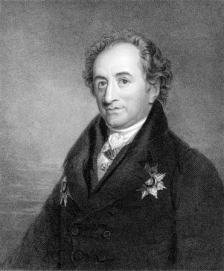
I was obliged to come to terms with them in a productive manner or I should never have been able to hold my own in the face of such a powerful phenomenon… everything that had been stored away & nurtured in my mind & that bore a similarity either in sense or substance made itds mark, & all the more forcefully, so that I felt an absolute necessity to flee from the real world
Goethe’s complex transliteration of the living spirit of Hafiz manifested itself as one of the first European attempts to connect with the poetry of the Orient, to create a poetic dialogue between East and West. The Bhagadavad Gita was unknown in Europe at this time, for example. In recent years, the crucial publishing house, Gingko, have embarked on quite an an epic project, publishing a new translation into English by Professor Eric Ormsby, while commissioning a fascinating project called The New Divan.
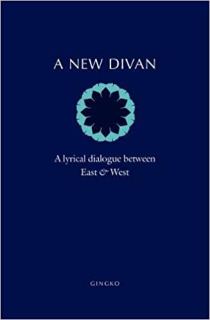
The latter text brings together 24 poets from West and East in a dialogue exploring otherness, including Don Paterson, Kathleen Jamie, Robin Robertson, Jamie McKendrick, Antonella Anedda, Chloe Aridjis, Sean O’Brien, Narguess Farzad, Jo Shapcott and Gilles Ortlieb. This ambitious anthology brings together new poems by twenty-four leading poets – 12 from the ‘East’ and 12 from the ‘West’ – in a truly international poetic dialogue inspired by the culture of the Other. The poets come from across the East (from Morocco to Turkey, Syria to Afghanistan) and from across the West (from Germany to Mexico, Estonia to Brazil). The new poems respond to the titles of the twelve books of Goethe’s original Divan, including ‘The Poet’, ‘Love’, ‘Ill-humour’, ‘The Cup-Bearer’, ‘The Tyrant’ and ‘Paradise’, and draw on the distinctive poetic forms of the cultures of the poets taking part. Twenty-two English-language poets have created English versions of the poems not originally written in English, either by direct translation or by working with a literal translation.
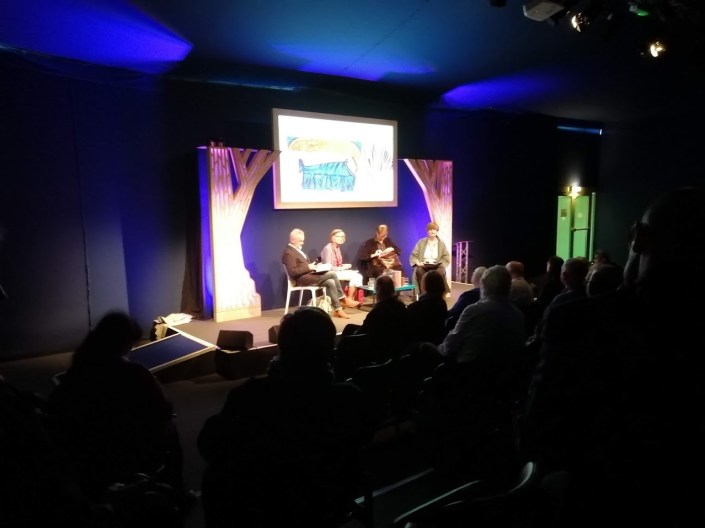
Since the early twentieth century, Iran witnessesd a bewildering variety of literary borowings from Western traditions. A hundred years later we are come full circle, it seems. The tidal surge sent out by Goethe has returned to its initial impulse. In this bicentennial year I would hear much about the two Divans, spending a delightful hour with Persian academic Narguess Farzad, Scottish poet Robin Robertson and Goethe expert Jan Wagner, chaired by Haus Publishing’s Barbara Schwepcke. Ghazals were read out in German & Persian (simply divine to hear) & the unrhyming Robertson (less divine to hear), while the strenuous efforts behind the creation of the extraordinary project that is the New Divan were fully divulged. The end result left me with two thoughts – the first being that poetry possesses a universal joy, the second that it seems an awful lot of effort to create something like this. Perhaps the powers & attentions of such a Samgam of international poets would be better suited to creating & perfecting the Universal language of humanity instead. Of course, every one of Babel’s tongues will be cherished & possibly curated forever, but projects such as the New Divan are very much like the UN where an excess of time & money are spent upon translations & their translators.
Damian Beeson Bullen
Derek Owusu and Johny Pitts
Edinburgh International Book Festival
10th August 2019
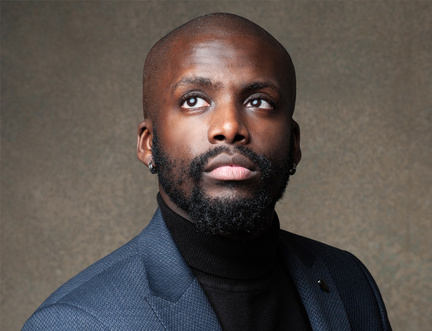
DeRay Mckesson, the celebrated American Black Lives Matter activist, and ‘officially listed’ chair, quoted from authors Derek Owusu and Johny Pitts before handing his role over to British TV and radio presenter Gemma Cairney. She instigated and sustained a palpably uplifting and celebratory current throughout the talk about defeating white supremacy, yet it wasn’t fully clear until the end why this was so important. Introducing herself not by her full name, but with more general joyful declarations of “I love being mixed-race!” and “I love being British!” statements that audience members will receive differently depending on their experience and political outlook. Those of us ‘complexly British’ often need to stamp our identification forcefully before others intrude in the process. We are part of the nation whether other fellow British like it or not, and a display of patriotism represents a complicated defiance in the face of those who might tell us to go ‘home’ in the openly racist atmosphere to which Britain has now returned. The ensuing conversation between two Black British male authors, Derek Owusu and Johny Pitts teased out the complications and commonalities within the multiplicities of Black European lives, to redress the flattening of lives to two-dimensional caricatures by writers with limited understanding and to acknowledge the effects of enduring legacies of colonialism across the continent.
Derek Owusu, contributor and editor of ‘Safe: On Black British men reclaiming space’, is part of the multi-award winning literature podcast Mostly Lit. He has written essays and poetry for a variety of magazines, and aside from Safe, has recently been working on a book of poetry based on London life. While compiling the podcast content, he observed the dearth of Black British male writers. His close friend Yomi Adegoke, one of the authors of seminal Slay in Your Lane, encouraged and assisted Owusu to bring this anthology to fruition. Pitt’s travelogue Afropean: Notes from Black Europe was born out of an interactive website where commentators’ tips on travel as a Black traveller exchanged knowledge of Black communities across the breadth of Europe. However, a range of influences encouraged Pitts to write the book; from a stranger mistaking him for a traveller on a train to Frankfurt, his connection to Black culture through his Brooklyn-born father and his longing to remain part of Europe rather than be marooned on an island where recession and Brexit are driving his white working-class friends to increasingly casual racism. Interesting, that three people of Black heritage in their 30s, no doubt like many others, have been lulled into a sense of Britain being a ‘post-racial’, happily multicultural society and shocked at the epidemic of virulent racism.
So maybe it was just as well that Cairney insisted on encouraging all of us to focus on the joyous benefits of reading literature by Black British men, to no doubt steer us away from the unspoken shadows of moral duty, aid and charity that hover around efforts towards that much abused and almost meaningless term, diversity. Yet, these are the short cut buzzwords that serve their use at times, and she threw out the challenge to the audience to think of ways to diversify the UK’s reading audience. Caribbean and African families have a strong tradition of encouraging literacy and generally insist on effort and discipline from their children. However, although research shows Black children are the most prepared for school at 5, British schools particularly fail Black boys in a number of ways. Often an early interest in reading begins to wane in a British environment, partly due to the low expectations teachers have of Black boys, but also due to the lack of culturally relevant reading material. Owusu explained that the Black boys he works with will eagerly read self-help books about motivational mindsets and wealth creation that they consider to be useful to their lives, but, as Pitts pointed out, these books come with their own pitfalls of striving for individual success over that of the community and ignoring the realities of structural discrimination.
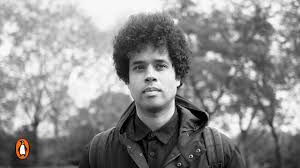
It took a while to portray a sense of what the books themselves were about, and the conversation took a snaking route to their contents. The puritanical, serious side of me was beginning to feel irritated with what I perceived as a focus on trivialities. “Disco is my religion”, stated the chair. And then I remembered. And listened. Balance is important. Hope is important. Pleasure is important. Maintaining refuges of joy have always been vital to Black people’s survival. Music and dance have always been important, not only as a release, or to the strengthening of community bonds, but also as a link to collective African systems of spirituality that have always been rooted in transcendent rituals of music and dance. As Owusu pointed out, the discrimination at white owned clubs and the criminalisation of Black ones, creeping gentrification and the gobbling up of public space all combine to increase the urgency of creating new ‘safe’ spaces within which to exist. Conversation turned to accessing the publishing industry with its notorious gatekeepers, praising musician Stormzy’s decision to accept unsolicited submissions for his imprint #Merky Books in order to remove the significant barrier of finding an agent. There are serious issues with pigeonholing in the marketing of books by BAME authors which prevents a wider audience from seeing certain stories as ‘universal stories’. Pitts reminded us that keyholes to literature are often in the everyday, as he recalled how the lyrics of Blackstar’s song Thieves in the Night lead him to the work of Toni Morrison.
Owusu has gathered a range of talented writers for his anthology, including the well-known Courttia Newland and Musa Okwonga. Safe will take you on a journey of themes and locations around the U.K., as Owusu was keen to avoid being London-centric. Afropean lends an ear to Black communities right across Europe, as his book blurb states, ‘through council estates, political spaces, train stations, tour groups and underground arts scenes’. I loved the insistence by Pitts that to progress, the overworn individualism of ‘doing you’ or ‘doing me’ needs to reconfigured as ‘doing us’. Owusu and Cairney also paid testament to the boost that comes from generous, inclusive creative networks, similar to those in the Harlem Renaissance. Black authors can utilise friendly criticism from others who share similar cultural references and outlooks. The talk ended unconventionally, which took a few people unawares. Instead of time for the usual Q and A, both authors had a chance to read from their books. Derek chose his own touching tale of moving at a tender age between his foster and biological families, where even his toys berated his stern mother. Johny’s excerpt gave us a glimpse of Jimmy, a Black American man searching for an elusive dream of freedom on a walking tour in Paris. We laughed as Johny recounted Jimmy’s whispered recollections, well out of earshot of his wife, about his life-changing romance with ‘Bey’ey’ as a teenager stationed in Scotland. In his recollection, after a night of passion that followed drinks in the pub, he walks down the stairs of Betty’s family home near Holy Loch. Ready to face an angry white family and ‘to run and get my ass out of there’, he was shocked at being greeted with warm smiles and an invitation to join in the family breakfast. Gemma Cairney is right. Let us embrace one other and feel the joy in togetherness.
Lisa Williams
The Inspirational Activist: DeRay Mckesson
Edinburgh International Book Festival
11th August 2019
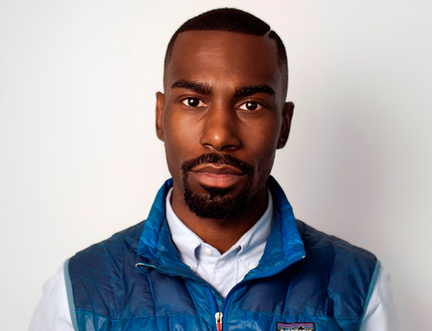
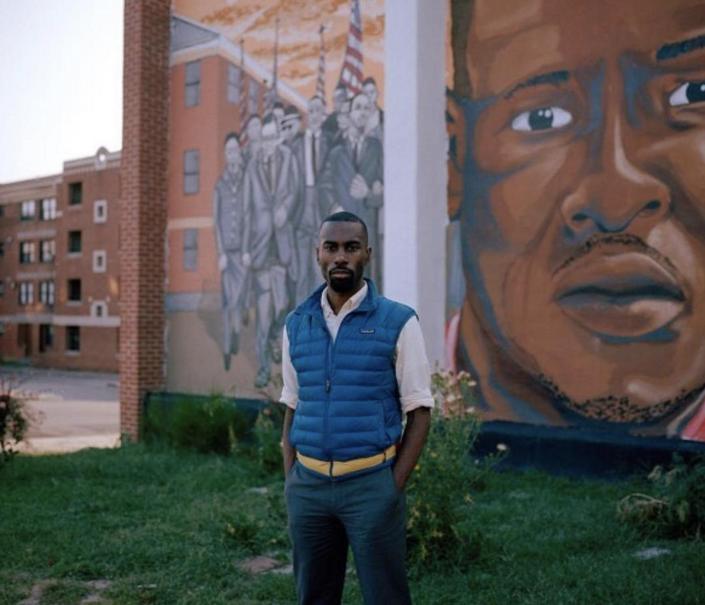
DeRay Mckesson is admired by people the world over for drawing attention to the alarming spate of killings of Black people by police in the U.S. Killings that have often been catalysed by minor misdemeanours or unwarranted suspicions, like those of Tamir Rice, a baby-faced 12 year old boy playing with a toy gun in a park. Mckesson came to international attention when he joined the 400 day-long protests by activists in Ferguson, Missouri after the death of unarmed teen Michael Brown at the hands of the police in 2014. He gave up his career in education to dedicate his time to speaking out about racially-disproportionate police brutality and incarceration rates in the U.S. Since the release of his book in 2018, On the Other Side of Freedom: The Case for Hope, he’s had a little respite from the three long years of speaking about the protests and defending the need for them. He admitted that writing the book was still a tough, exhausting process, especially when his editor covered his first draft in red ink. One essay that was left out of the book was about the rituals that developed around the relentless death of citizens at the hands of the police, particularly the heightened emotions experienced at the finality of closing an open casket. Suicides among Black youth in America are rampant, and the tragic reality of closing a child-size casket on a 7th grader who had hanged himself cut Mckesson to pieces. Change since the Ferguson protests is seen in the conversations that can now be had around the disproportionate number of deaths of Black people at the hands of American police, but the ugly truth is that the rate of police killings has actually increased since the protests. Yet, Mckesson suggests that the Black Lives Matter movement will likely follow the trend of the more general Civil Rights protests of the 1960s that saw a ten-year delay before changes were written into policy and law. DeRay is holding a dream; and that is to get to a point where we naturally feel safe in the presence of the police. Is that not their job? To keep us safe?
Language is important, because conceptual change allows us to imagine a different future. Yet a piece of the puzzle is taking the energy of the streets into the corridors of power, which is why Mckesson made a last-minute run for local office in Baltimore in 2016. He explains in detail how he was elaborately and thoroughly hacked, outed on Wiki leaks, and arrested in Baton Rouge. Twitter banned the man who was attempting to raise money online to organise his assassination. No wonder he’s tired. He warns us to remember that conversations can be read on Twitter without needing an account. Since that time, his influence has grown to the extent where he has been named the ‘celebrity activist’, that, he said with a laugh, he would rather replace with ‘an activist with a platform’. He makes another distinction to a majority white audience; the ideal of being a white ‘accomplice’ to Black struggle rather than the disputed ‘ally’, because being an accomplice demands proximity, action and sacrifice to do as much as they are capable of doing. The big question to white people is, “What are you willing to risk so that people can experience freedom from racism?”
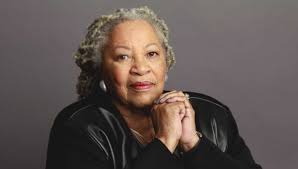
Due to her recent passing, the memory of Toni Morrison and her work has been invoked several times during the first couple of days of the Book Festival, showing what a huge influence she has been on Black and other people across the world. Ms Morrison famously spoke of racism as a distraction, and Mckesson describes racism as also being a deception. White privilege is often denied because whiteness itself is insidious. He distinguishes between whiteness and white people, particularly because a white person can either accept or choose to disrupt those systems that perpetuate white supremacy. He borrows author Ibram X. Kendi’s conceptualisation of whiteness as a ‘power construct’ rather than ‘social construct’. It’s likely that if more people understood the historical construction of the abstract concept of ‘whiteness’ by scholars in European universities several centuries ago, conveniently justifying the development of racialized chattel slavery, it would be easier to dismantle the enduring idea of race. Intersectionality is key in any social justice movement, as Mckesson discussed while chairing Kendi’s event the previous day. Black Lives Matter was started by Garza, Cullors and Tometi, three Black women, two of them Queer, who prioritised intersectional justice based on the work of earlier Black Queer activists, positing BLM as a wide-ranging liberation movement. Law professor and activist Kimberle Crenshaw, who coined the concept of ‘intersectionality’ close to 30 years ago, uses the platform #SayHerName to remind us that Black women are also disproportionately targeted by the police, and often sexually assaulted by police and in the prison system itself.
The idea that a ‘post-racial society’ was ushered in with the Obama presidency was rash at the time; and unsurprisingly since proven to be a fallacy. Obama came up short when it came to addressing policy change, but this is often attributed to the entrenched power structures surrounding an American president. It was interesting to hear Mckesson’s account of the civil rights leaders who spared Obama the truth in meetings, some claiming that a ‘revolution of love’ is all that was needed. Mckesson reminds us that a third of all people killed by a stranger in the US are killed by a police officer, and more are people arrested for weed-related offences than for all violent crimes combined. There is much work to be done, and it can’t fall solely on the shoulders of Black people. The topic of self or group care always comes up in Black activist circles, as the rigours of direct activism takes a toll on mental health. He suggested, only half-jokingly, that after the trauma of Ferguson, donations should have gone towards therapy sessions for all the activists. He makes sure to spend time with loved ones and children to stay balanced, for joy guards against burnout and forms part of the resistance. He encouraged us to interrogate our individual psychological issues in order to do this demanding work to the best of our ability, and that we can all start, just like many big movements started, with a conversation at our kitchen table. In the meantime, check out the work being done across the US, including the police reform initiative that Mckesson is part of, Campaign Zero. Luckily, so far, our police are rarely armed, but seeing as Scotland has its own issues with racist attacks, murders and police brutality (see the unresolved Sheku Bayoh case) sometimes it’s helpful to look across the pond for inspiration.
Lisa Williams
Darren McGarvey AKA Loki: Scotland Today

The Stand New Town Theatre
Aug 12-25 (16.50)
Loki McGarvey is an artist that has weathered more than his fair share of hard knocks, from alcohol addiction and crime, Loki has emerged from the ranks of Glasgow’s underclass to become the voice of the beaten generation. Initially through his power as a wordsmith, recanting truthful poetry inspired by the challenges faced by people that have been failed by the machine, making a name for himself as a vocal activist to become one of Scotland’s national treasures. Both in literary circles and as a performance rapper. Being at the forefront of Glasgow’s bustling music scene along with Mark McGhee of The Girobabies and Colonel Mustard and Dijon Five. Between them they have amassed an increasingly large following of lovely people. Why? Because they have the balls to speak the truth and have the talent to carry it. Voices of solution to a very real problem. The secret of that success is Grace, good karma and above all, making an effort to be part of the solution. Evolving his skill as a writer, his first published book, Poverty Safari, won the Orwell Literary Prize launching him to international acclaim. A true hero of our times that speaks common sense, the thoughts of decent people everywhere.
A comedy club is a strange place in which to house this amazing talent, because the content of which flows with ease and grace from the mouth of Loki, is far from funny. Rather an exploration of what is truly sad and unjust in not so Great Britain at the moment. With the gap between rich and poor widening to levels not seen since the Second World War and the disadvantaged becoming even more disadvantaged as a result.
Today was not so much a performance but a sermon on the pitfalls of suddenly hitting the big time and having the readies that go with it. Comparative wealth. At this time of year Edinburgh doesn’t have a social conscience.The problems get swept under the carpet as wealthy tourists flock to the capital. to experience the original and best performance art festival in the world. So it was no surprise to find the theatre filled with people on the same wavelength (not a comedy crowd), listening with depth to every word that came out of Loki’s mouth. Its an uncomfortable truth that resonates with the people who are suffering it also. And in Austerity Britain that is just about everyone that isnae a Tory. Everyone in the audience could relate to Loki because Loki speaks of humanity and that is his appeal. A graceful voice of truth. A very gifted man indeed.
Mark ‘Divine’ Calvert

An Interview with Bróccán Tyzack-Carlin

On the temporal bridge between comedy & spoken-word stands Bróccán Tyzack-Carlin
Hello Bróccán, first things first, where are you from & where are you at, geographically speaking?
Hello The Mumble. Geographically speaking, I am from the North-East’s premier seaside getaway spot, Hartlepool and I am currently living in the North-East’s premier seaside getaway spot, Hartlepool.
When did you realise you were a performer?
Probably when I was about 8 years old and experienced my first theatrical injustice after being robbed of the part of Buttons. I swore to come out on top and went on to appear in not one, not ten, but SIX different pantomime later in life.
Can you tell us about the Durham Revue & your role with them?
Yeah, the Revue is Durham University’s main sketch comedy troupe. I was a writer and performer with them which was a whole load of fun. We got to perform all over the country in theatres that were far too large and nice and we had a full run at Underbelly for Edinburgh Fringe. Laugh Actually, the show we took up, won the Derek Award for Best Sketch Comedy show as well which was a treat and a half.
What is your ideal Sunday afternoon?
Swimming!
You’re bringing a show to this year’s Edinburgh Fringe; can you tell us about it?
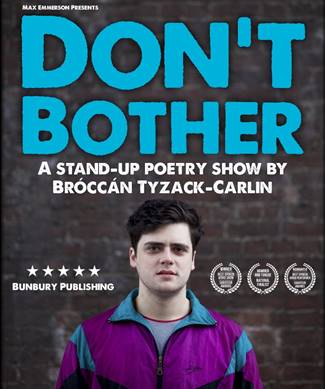
Yeah it’s my debut solo show and it’s called “Don’t Bother”. It’s a unique mix of spoken word and stand-up comedy. It’s mainly surrealist comedy poetry and observations but also includes a bizarre narrative that comments on the direction that fringe shows seem to be heading in and what the pitfalls of that might be.
So its comedy & spoken word, where do you place the demarcation line?
It’s kind of hard to say because the way I write is that the spoken word pieces are an extension of the joke. I pretty much write a stand up segment in which the poetry serves as a punchline. It’s similar to how someone like Tim Minchin uses music, but in place of songs there’s poems.
Where, when & why did you conceive Don’t Bother?
I wrote the show last June after I was offered an hour long slot at a fringe festival in Nottingham. I was looking at all my content and thinking of a way that I could retroactively fit a narrative or superfluous overriding theme to the things I’d written in order to justify its own existence. But then I realised that that was pretty dumb and that I shouldn’t bother. Instead I decided to write a show that embraced the fact that it was all varied material, whilst also highlighting the absurdity of feeling the need to tie everything seamlessly together.
From which inspirations have you drawn for your show?
I’m a big fan of Stewart Lee, Tim Key and Bo Burnham and I think there’s elements of each of them that I really like and subconsciously include into my writing.
You won Best Spoken Word Show at this year’s Sabateur Awards, how did that make you feel?
I was genuinely very, very surprised. It’s a national award and I was up against some big names so the fact that enough people had enjoyed the show for it to get nominated was great. It was something else to actually win.
What’s the last thing you do before you step out on stage?
Thirteen Hail Mary’s and a quick recount of the intense B-boy choreography that opens the show.
You’ve got 20 seconds to sell the play to somebody in the streets of Edinburgh, what would you say?
It’s a 5-star, award winning hour of comedy that blends spoken word and stand-up in a unique way. And for the teenage audience members, I floss at the beginning!
Don’t Bother
Underbelly, Bristo Square,
July 31-Aug 26 (12:10)
The Poetry of Louise Connell
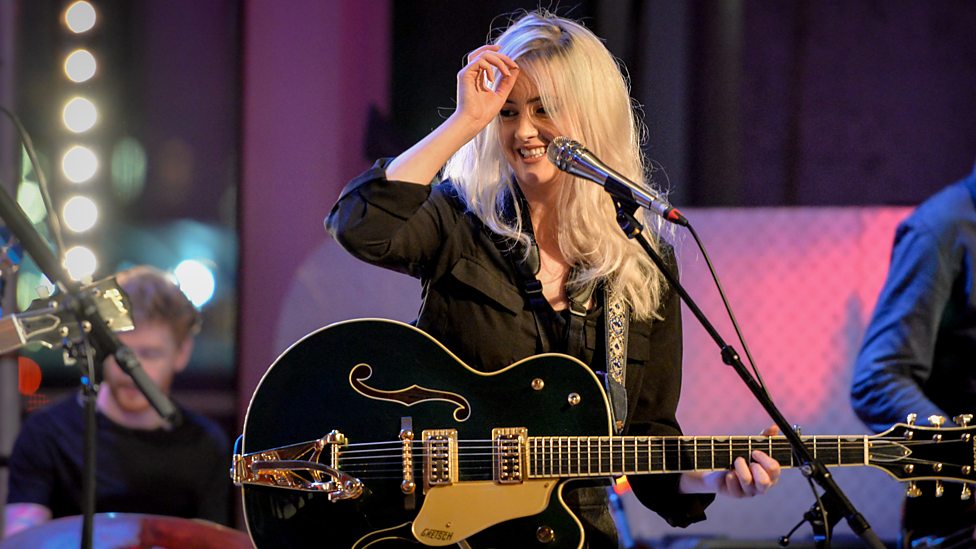
Music & poetry have always been easy bedfellows, teasing each other with magic to create something wholly cosmic, wholly beautiful. Singers like Bob Dylan & Jim Morrison were choral bards whose words meant as much as the melody – to hypnotise with the tune, to penetrate the soul with the vision. Alas, in recent years, across the music scene, the lyrics of songs have been slowly descending into a sewer of indifference, with A&R folk more interested in social media stats than talent. How sparklingly wonderful is the appearance, then, of a young singer-songwriter who really cares about what she is singing.

A few weeks ago I quite randomly found myself in the Voodoo Rooms one Tuesday evening listening to a young lady & her band. The lady has a name, Louise Connell, a quite bonnie & thickly-accented lassie from Airdrie. A shy performer, Louise has an ethereal voice which soothes the listener’s receptability, fooling us into mentally relaxing as she tosses her songs of spinning shuriken into our psyche. Louise, you see, is a poet. It took me a while to realise – the aforementioned thick accent is difficult to penetrate sometimes – but as the gig went on, & the words & phrases Louise chooses became steadily more transparent, I began to screw down, transfixed, into my seat, resting chin betwyx finger & thumb. It was as if the spirit of John Keats had manifested itself into this gentle & honey-tongued goddess from the Central Belt; but with an edge, for Keats could never have sung the opening lyrics of Connell’s self-penned Maria;
The wine glass slithers down the wall
The cooker’s on but the room is cold
Maria, where’s the girl who swallows lies,
And coughs them up as smiles?

—-
Louise has just released an album, a collection of three EPs called Squall Echo Rale. The songs vary in style & entertainment, but it is in the lyrics that I have found the most pleasure. Louise writes from the other side, presenting us with the flawless dichotomy of silken-sheeted songcraft & spine-raking wordplay. The album consists of 18 set-piece songs, the second of which, Rope, reveals the true genius of Connell’s craft. Less song, more an abstract play, it begins with an impressive cynghanedd-laden couplet which reads, ‘I’m forging quite a career in suppression / Whether passive agression or a spineless silence.’ Let us also examine the opening to the fourth song, Ilo, a love paean delivered with calm lucidity, a majestic capsule of poetic insight & phraseology.
———
Spending my day’s trying to claim
No one was seeing any of me
Like I was total, embryonic potential
And zero kinesis
I’d feel my hand at the switch
With my mouth forming, “I lo…”

I could have been a genius
But I crushed the brains out of my skull
I could have been a lover
But soft love would make my skin crawl
I could have been a monster
But the screams would fester in my mind
I could have been a good friend
But I always crossed the line
I always crossed the lineAnd I could have been a genius
If you’d tested me in my native tongue
I could’ve loved you gently, if it ever seemed much fun
I could have been a monster;
sure, I could have the person for you
But friends was just another game
that I was meant to lose
Like life’s a game I’m bound to lose
 In ‘Get to Know Me,’ Connell takes on the gratuitous role of a male suitor, who ‘didn’t realise her father was a man of your stature / you intimidate me, sir.’ I mean, who in the music world actually does that? We also have track 17, Viscous Fear, a moody masterpiece which contains this a capella chorus, sang enchantingly;
A nursery rhyme for the other side
A microcosm of my life
Coats a hundred glass slides
I creied eyelashes with my tears
My viscous fear
An eyelash tear
My viscous tear

