Adventures on an Indian Visa (week 13): Visakhapatnam
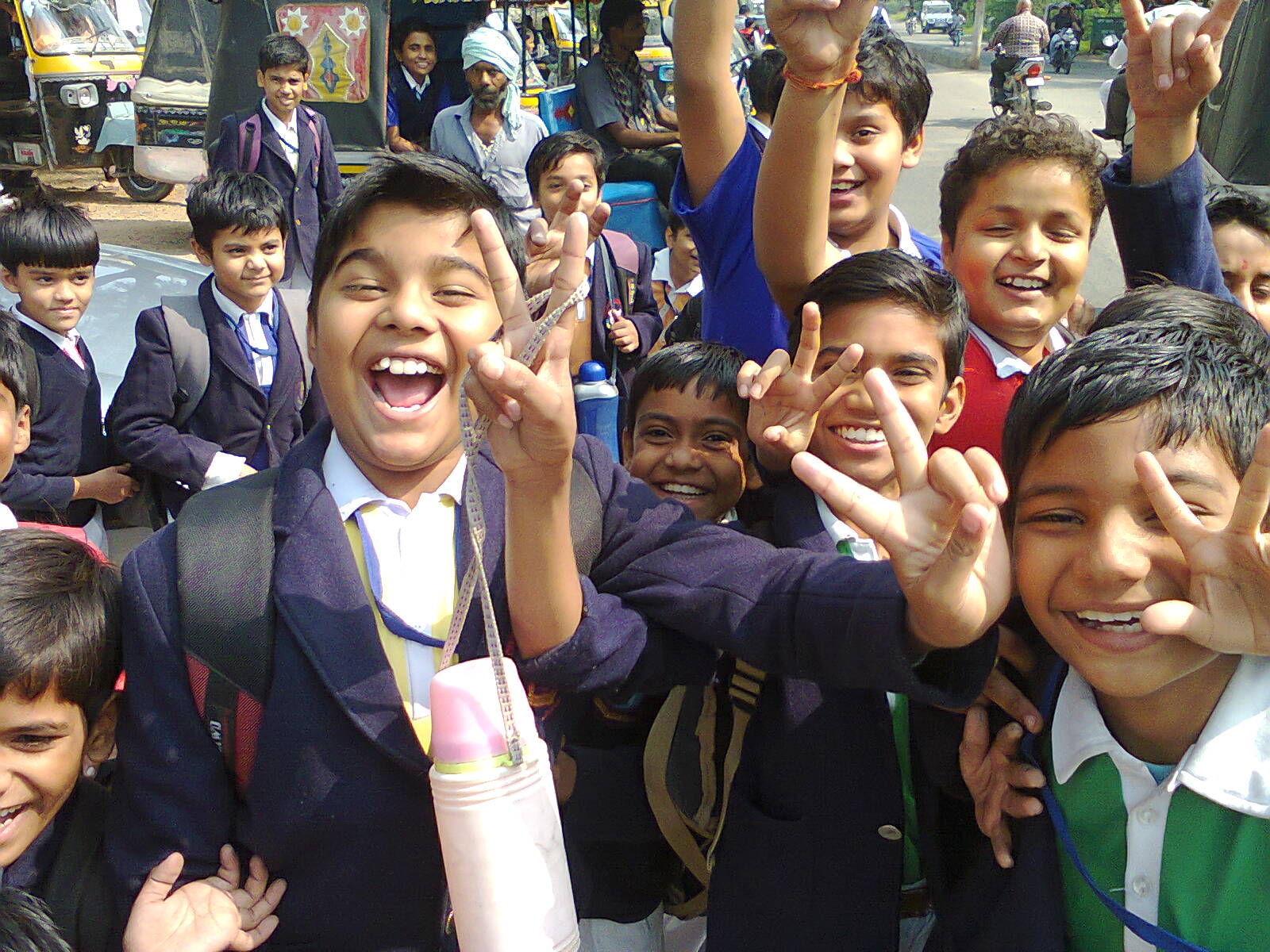
Day 85
My first full day in the Telegu-speaking Visakhapatnam, or Vizag for short, was pretty cool. I like the vibes of the place. It turns out the cityhad beens conquer’d by the Vijayanagara Empire in the 15th century, i.e. it was ruled from Hampi, & so I felt some natural kinship already.
On joining in my obligatory, get-to-know-the-locals cricket game with some young Indians, I was befriended by seventeen-year-old Sameer. He was a likeable chap & very keen to hear of life in the West. He’s a Muslim to boot, & invited me to his house in the old port quarter of Vizag to meet his parents, who were quite simply lovely, & fed me like a trooper. Its mad, they literally all live off sixty quid a month – & Sameer just receiev’d a student grant for the same amount to last the whole year.
He & his sister are quite academic – hoping for better lives I guess – & we even discuss’d Shakespeare. It amazes me how the young Indian ploughs through the complex densities of Shakespeare like dull oxes ploughing the tough soil of Elizabethan English. However, seeing as they speak four languages fluently – Urdu at home, Telegu in the street, English at school & Hindi to other Indians – I guess they can handle the obscurer corners of Shakespeare’s lexicon.
After a congenial couple of hours, Sameer then pointed me toward the only library in town. Ran by the Ramakrishna Movement’s ashram, it flew like an angel into my literary lap. It’s time to get mi head down & absorb this wonderful country thro’ words, as well as experience.
Day 86
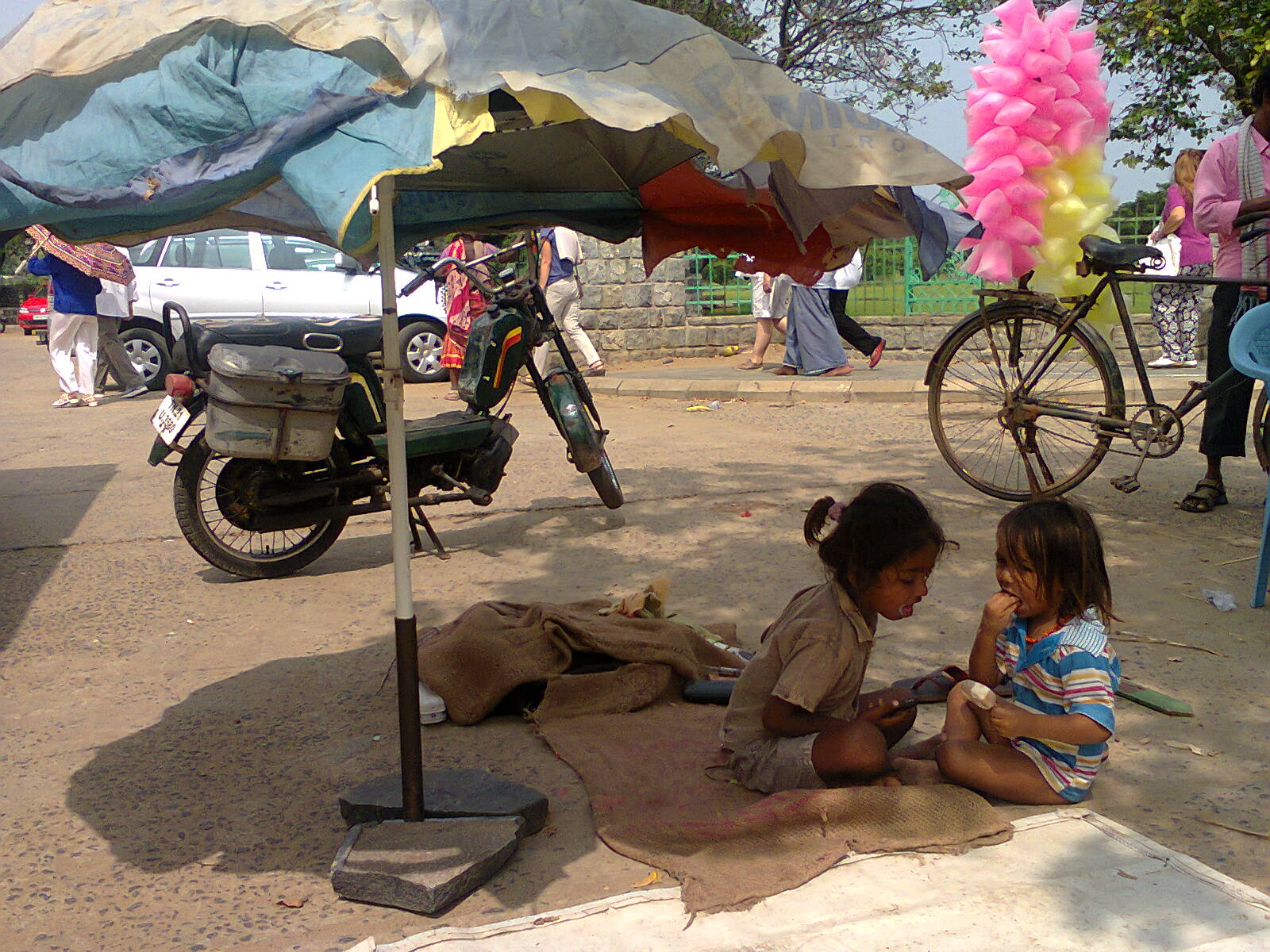
Woke early to a glorious morning! Being so motivated by the weather & my exotic location, I attun’d myself to my vocation & plugg’d into the universe, setting myself some kind of daily routine, which has just been conducted thus:
5.30 AM: Wake up
6 AM: Walk to train station to get English newspaper, calling for poori breakfast on the way back
7 AM: Watch movies in bed playing guess the swear words – they silence the voice & put stars where the word should be on the subtitles. Despite being English language films, I think they put English subtitles in to help Indians learn the language.
10 AM: Internet café for an hour of work
Midday: Lunch
1 PM: walk to an internet place near the sea for a couple more hours of work
4 PM: The library opens where I hit the books – but only one at a time. They are all held behind locked up glass cabinets, & you have to sign each book in & out every time you use it. The library is on the beach road & my session is divided by trips to the kiosks on the beach for these beautiful samosas & ice cream cornets
8 PM: Walk back to my hotel, chomping on various street foods as I go
9 PM: Two & a Half Men on TV for several episodes, cups of tea, & sleep
Day 87
I have just play’d witness to the rather colourful Sankranti festivities of Andhra Pradesh. They are spread out over three days & are just so cool to wander about in. Today, the first day, was called Bhogi, which began at the unearthly hour of 4 AM. It is then that fires are lit across the city to banish evil spirits in the same way we burn sage when exorcising a house. I duly set off out into the darkness at four, & went on a tour of the neighbourhood’s ‘bhogi’ bonfires. The first one was just a guy on his own burning two four-by-fours in a shack, his mate snoring beside him. The second was a largish affair of long poles – but the clientele were clearly ruffians, one of whom was being beaten with a brush by an ancient woman half his size defending a bit of rope netting.
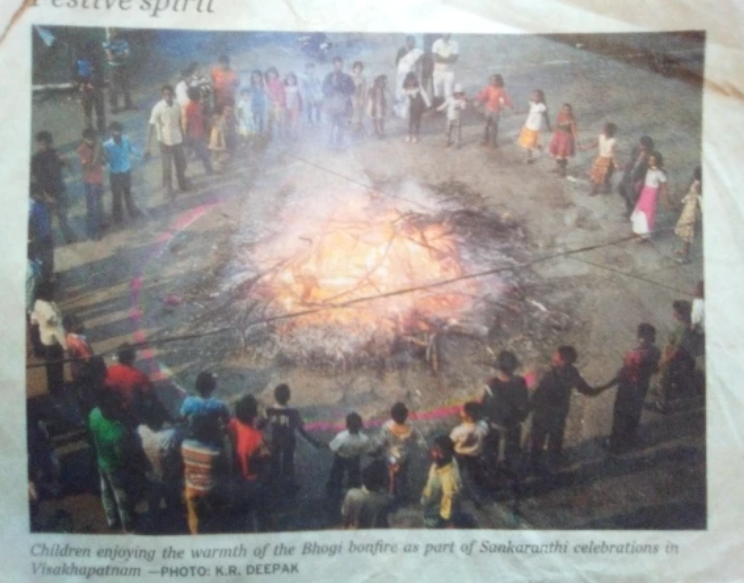
The third fire was a wee one, with a lone man boiling a large pot of water. Nearby was a chai stall doing its first business of the day, & by him a guy standing in front of piles of blue crates full of plastic sacks of pasteurised milk. The fourth fire looked like an oil drum, burning by a temple, but on nearing it I realised that it was a load of rubber tyres stacked in a tower, with wood inside it, belching off thick black smoke. The fifth fire was a family affair, at the crossroads of two narrow, Mediterranean-style streets, dominated by this fat controller guy who kept bringing wood out from nowhere to add to his massive pile.
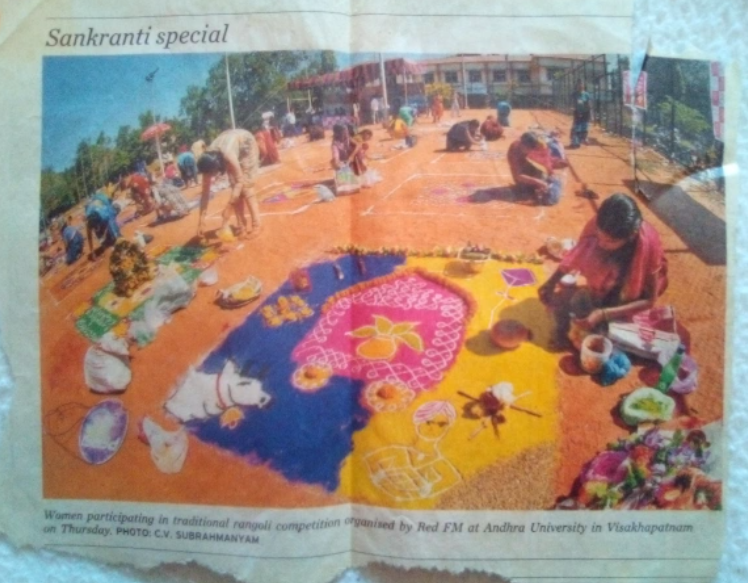
The festivities were disturbed regularly by rickshaws & scooters trying to squeeze thro’ gaps in the road. Walking down the street I pass’d some startlingly psychedelic patterns chalked outside the houses. Then further on, the sixth fire burnt above me – on a bit of concrete sticking out from a half-built house. There was no-one sat by it, but it added to the scene. The seventh fire was on a mainish road, by a temple to Durga – the goddess perched on a tyger – & was predominantly women. I thought this would be a good place to stop, then, with seven being such an auspicious number; the Hindus have seven holy cities, rivers, etc, & the chicks were kinda hot too! This fire was pretty big & was built within a chalk circle, coloured in with flowers at the points of the triangles that formed the circle like Nepalese peace flags. I shared the moment with a Western girl from Luxembourg (her German boyfriend was asleep) & we silently watch’d the great pieces of wood turn reptilian in the flames.
From then it was pretty much the same routine as yesterday, but of course passing thro’ streets full of burning embers. At the end of it I got an email from Charlie. He’s doing very well, apparently, writing his memoirs or summat. Anyway, the plan is to meet him in a place call’d Puri in a couple of weeks or so, which is north of here in the state of Orissa. From there we’ll hit Calcutta then head up to the Himalayas together – should be fun now he’s calm’d down somewhat!
Day 88
A blazing hot morning on the second Sankranti day, the events of which celebration made the sky resemble a multi-coloured spectrum of wafting confetti, with paper birds filling the azure spaces over the city like the Luftwaffe over London during the Blitz. In the middle of all the smiling kids, however, I got myself all poignant. There was this sad wreck of a man sleeping – shaking actually – on the pavement. Perhaps he was dreaming of a time when he ran tho’ the streets with his own Sankranti kite as an innocent, fun-loving boy, long before life struck him to so lowly a state.
On Vizag’s promenade there is a cool monument with tanks & planes & even a submarine, which is a memorial to this war India had in 1971. I’ve never actually heard of it before. It only officially lasted a couple of weeks, but up in Kashmir has never really stopp’d, with frequent skirmishes over the LOC (Line of Control) established at the end of the war. One of the results was the establishment of Bangladesh, the former East Pakistan, which now broke away from Pakistan. In the months leading up to the conflict, the Pakistanis were proper rapist butchers, so it was definitely a good war to fight. In announcing the Pakistani surrender, Prime Minister Indira Gandhi declared in the Indian Parliament:
Dacca is now the free capital of a free country. We hail the people of Bangladesh in their hour of triumph. All nations who value the human spirit will recognise it as a significant milestone in man’s quest for liberty.
The last part of the Sankranti festivities occurred with a mad street party thrown to the local tutelary deity, Lord Balaje, a curious little black fellow who one sees everywhere. It was a bit like Notting Hill Carnival, & indeed there were loads of speakers belting out tunes top volume to the heaving mass of Indians wandering thro’ the streets. A street was lit up Blackpool illuminations style, with dolphins & green bars puking illuminous light onto the scene. All the kids had these wee vuvela things which gave out a dreadful shrieking sound – a bit like one of mi exes having a strop. There were loads of stalls – porcelain dolls of the gods, sugar cane – & a heavily decorated ox (called a gangireddulu) getting all four legs onto a little wooden stool while his keepers played drums & trumpet. There were cardboard boxes of chicken chicks spray-painted in pastel colours, there was a guy with a set of weighing scales charging a rupee a pop. There were corn-on-the-cob sellers fanning the cobs over hot coals – I tried one & it was very tasty indeed!
Day 89
This was going to be my last day in Vizag before I set off north, so I thought I’d get back in the travel zone on the trains – I haven’t been on one since I pull’d into Chennai a couple of weeks back. So, I thought I’d have a little practice run, & this morning I found myself 15K north of Vizag at a place called Thotlakonda, a hill which houses the ruins of a 2000-year-old Buddhist complex. They weren’t particularly impressive, but the views were, of the gold-lined ocean below & the rolling upland greenery of the Eastern Ghats behind. The road to sea level was lined with blossoming trees, a very lovely walk which recharged the poet in me. At the foot of the hill I caught a bus which swept me along the ocean drive back to Vizag – which strangely enough felt like home.
With is being such a lovely poet’s day, I suddenly began to formulate a hybrid kind of sonnet using the Sanskrit measure I was studying in the library, which I’ll use as the mould for my Orissan experience – that’s, 15,16, 17 syllables worth of line. Here’s my first effort using the ‘Indian Sonnet’ form;
THOTLAKONDA
I’d been studying at the Swami Vivekananda library
Of how the tumbling Sanskrit couplet first utter’d by Valmeeki
& so, choosing its nuances to explore in composition
I left Vizag’s fair vibrancy on a morning’s musing’s mission
With my subject now the Buddha, or at least his teeming influence
I’m certain Jesus merg’d his teachings at an eastern confluence
Boneshaking bus pass’d Rushikund, tree-fill’d beaches, Goan hills,
& dropp’d me off at the colourful foot of Mangamaripeta
From where I climb’d a pleasant hill flank’d by pretty pastel blossom
Another Lingala Konda, another Gopalapatnam
Stood red & ruin’d where Ashvaghosha’s plays were once enacted
& like the Hill of Pigeons, the sacred rains cistern extracted
With views of hills & skies, & the breeze & an ocean sunrise
Far from Siddhartha’s vision, an aloofness to aid his demise.
So after preparing loads of notes for my poetic cruise around Orissa, I shall be starting in earnest at 6.50 in the morning. I’ve got to conduct a six-hour train journey through apparently beautiful scenery, including passing thro’ the highest train station in Asia. Cool! I’ve got my rough route worked out & one of the places I’ll be calling in on is a Maoist hot-bed. They are a secessionist group who have been fighting for their rights & lands against, well, less the Indian government, more the corporate conglomerates.
The bodies keep coming out of the forest. Slain policemen wrapped in the national flag; slain maoists, displayed like hunters trophies, their wrists & ankles lashed to bamboo poles
Arundhati Roy
Sounds like an awful lot of fun!
DAY 90
This morning I left Vizag by train, steadily climbing up the west side of the wooded Aruka valley, with the views growing spectacular by degrees. Every time we hit a tunnel, a huge cacophony of screams & yelps uttered forth from the Indians – in the end I realised they were playing with the tunnels echo-systems. After a few hours we hit Asia’s former highest railway station, Shimilguda, at 997 meters above sea level. It was usurped of the honour in 2004 by, I’m guessing, the express railway that links China & Tibet. From there began the steady drop into Orissa & Jeypore thro’ a landscape which look’d increasingly like the Highlands of Scotland.
ENTERING ORISSA
As I railway’d out of Vizag for to write poetically
Verses concerning Kalingan Kings mix’d with state modernity
Above breathtaking beauties, rising on the valley’s western side
More stunning than the Niligris, only a mile or more wide
A thick white bank of fog & cloud eagerly envelop’d the line
& I found it very wonderful for this world, sweet world, still mine
I’d nearly died on Andaman, but today my eyes were seeing
By Boddavara, steep hill-slopes perfect for a spot of skiing
But far too lush vegetation, as if the Cumberland fells
Had time-warp’d through to Jurassic days, as today the tunnel yells
Of giddy kids exhilarates climbing to Shimiliguda
Asia’s former highest station, a summerhouse for Garuda,
Beyond Aruka, scenery seems less savage Scottish sister,
We sierra thro this Spanish spaciousness of South Orissa
After the comfortable hotel at Vizag I’ve opted for a bachelor’s lodge in Jeypore; with my decent but basic room costing a quid a night. It’s a bit noisy at times, but I like the fact there’s no TV – a lot more conducive to literary endeavouring. This mental peace, however, was counter’d by experiencing the JAI CHITTAMALA Music Band Party. Witness a ramshackle sound system on four wee carts being dragged through the streets of Jeypore. On the heavily decorated carts were speakers & generators, plus a techno style djembi player & an eight-pad electro drum kit player. Providing the music was this cross-legged moustached guy & a Yamaha keyboard playing all sorts of celestial swirling sounds.
Walking alongside were a couple of singers, huddled like MCs at a rave. One was about eighteen, & his groove-surfing melodies were better than both Ian Brown’s & my own voice put together! Amazing stuff. On both sides of the carts were an assortment of snare players & trumpeteers, while directly in front & behind were the dancers. In front were a bunch of wee boys pulling off some amazing moves including cartwheels, while at the back were all the older men doing a lot of stuff with their hands. To the side of these were all the women, slowly walking & made up to the gorgeous Indian max – very hot – including the curious nose-bling that Orissa seems to be the home of. Behind them rode the reason for all this fun & frolics, a very handsome man, again decorated wonderfully, sat in an ambassador car, either on his way to, or coming back from, his wedding. The whole experience compell’d me to pen the following sonnet.
MANI WEDS SUKANTA
A wedding is a display of wealth in the garb of showcasing our culture
Ranee Kumar
It begins with an advert, on the internet increasingly
& discreet meetings to appease, spreading concord through each family
Then a swirling bull of energy erupts in flashing lights
Emanating from the envelopes of seven hundred invites
When disco beats down lane & street leads the groom thro Sakhipara
To his deer-eyed, lotus face of a bride, opening with mascara
It is a beautiful ceremony on an auspicious day
The priest presents which parts of the Vedas in Sanskrit he should say
Their hands are bound, happy promise of prosperity & children
Then the newly-weds share their joy midst many benign presences
Where women shimmer glamorous as the lads dance with aplomb
All hoping to avoid the pitfalls of Matrimony.com
“It’s all a lovely fairytale!” “O! the couple fit like a glove!”
“Well, its not long now, I hope, until their platinum day of love”

DAY 91
Jeypore town itself is not that big; its size & the way it peters out into the countryside reminds me of Wigton in Cumbria. However, what a countryside! On one side it’s a level plain stretching as far as the eye can see toward the state of Chittargarh. On the other is this wonderful horse-shoe of wooded hill, at the heart of which is this great hydro-electric dam. I took a walk over to it one day & came across this giant mace-wielding statue of the monkey god Hanuman, like a little slice of Disneyworld had been planted in India.
Back in Jeypore, one can find a shambling old palace in the centre of the town. You can’t get in, but can look down on it from neighbouring rooves like a sepoy sniper during the 1857 siege of Lucknow. There are also some proper filthy bits including this school whose playground is essentially a rubbish dump. Then there’s this old ghat, completely choked by weeds & rubbish. Still, I thought, I’ll take a wee walk round. En route I encountered 6 men having dumps, & had to avoid a thousand human faeces – not that nice an experience actually.
I met a really nice guy at the local internet shop, Niswa, whose name means world in the Oriyan language. We’d got on famously & he’d been playing me loads of Indian dance music, some of which I’m adding to my disco set. In return I gave him a load of western tunes, the like of which Jeypore has probably never seen. He says he’s gonna dish ‘em out to all his mates – so DJ Damo’s gonna be a big name in the Eastern Ghats, I hope.
He’s also invited me out for dinner tomorrow at a swanky local restaurant, which is really nice of the guy. Yeah, Jeypore’s great!
Adventures on an Indian Visa (week 12): Andaman Islands
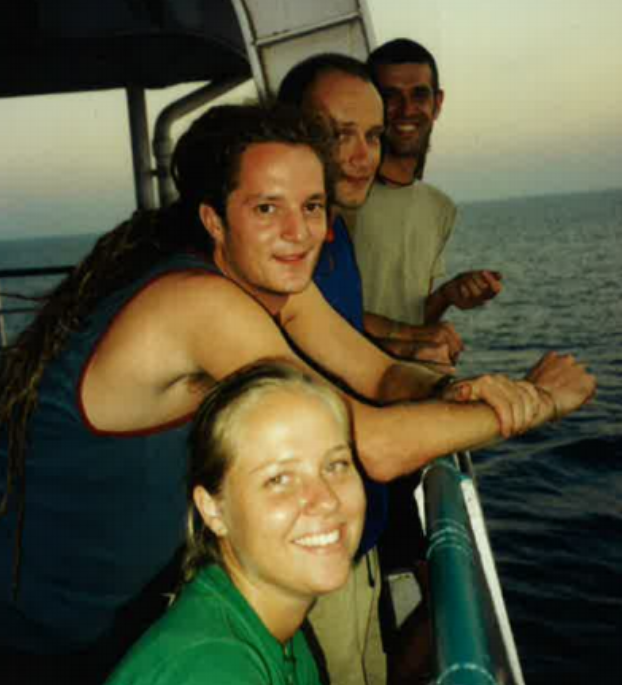
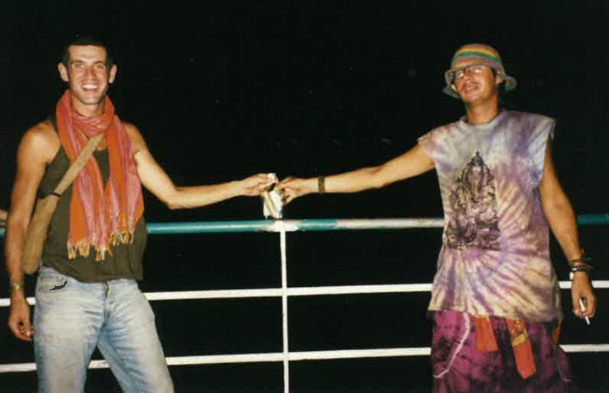
(Top to bottom): Kate, Phil, Steve, Duncan
DAY 78
The rickshaws in Chennai are the maddest I’ve came across. With the Andaman permit fresh in my hand & 50 mins til the boat left, I got this corrupt geezer who decided to drive me around Chennai with the meter on, clocking up a massive fare. Once I realised his game I scream’d at him, storm’d out in the middle of a busy main road & jump’d in an honest rickshaw. Of course , by the time I got to the port I disocver’d the boat was delay’d 5 hours – but of course this is India.
At the quay I met up with Steve, Kate, Jimmy Van de Mere & a couple of their mates call’d Duncan & Phil, the latter of whom had a bottle of liquid acid ready. Jimmy van de Mere had some ketamine bought cheap from a chemist in Gokarna en route, & I still had a bit of the opium left, an interesting ‘voyage’ felt on the cards.
So, towards the end of the afternoon we were in the bowels of the SS Akbar, a huge cavern of bunk-beds, all of whom are western tourists. We are apartheided from the Indians & we have a huge bunk class amidst the pipes that threaded thro’ the bowels of the ship. It is painted Kendal green & with all the ropes & rigging seems like a giant Jungle Jims. The other half of the ‘below ship’ bit is basically the same, but for Indians. Those with more money can take a cabin upstairs. It was cool, actually; lots of young, optimistic & excited travellers heading on a voyage of discovery, the spirit of which compell’d me to produce the following sonnet;
DEPARTING FOR ANDAMAN
Gazing across exotic ocean stream
Shamrock musing drifts to distant Burnley,
Where for as long as breathing there shall be
My family, my friends, my football team –
So far away, for following my dream
I am a stranger in a strange contree,
Though slowly hook’d upon its cup of tea,
Darjeeling serv’d up with a Devon cream.
The sun has fallen & the ship has sail’d,
The last lamps of the mainland shrink & fade,
A momentary notion has prevail’d,
Varuna on Makara far display’d;
Next time by solid ground my feet regaled
Into youth’s fleeting heart I shall have stray’d.
Day 79
My day on the boat started off mellow, reading in my hammock as it swung to the ships swaying, so I thought I’d try a bit of the opium again. Not long after I lick’d a drop of liquid acid from the top of Phil’s hand. I then had a jolly trippy time exploring my ship, the MV Akbar. The voyage was slowly turning into one massive mash-up as the only option from hanging out in the cramp’d & claustrophobic deck was getting wreck’d – a choice most people made. After sharing some opium with Jimmy Van de Mere, he whipt out a bottle of ketamine & cooked it up right there in the bunk. I tried a line & I had the most cosmic experience of my life really. I led back on my bunk & sort of sank into the universe – all I could see was an astral swath of stars, with a little chime of celestial music thrown into the mix. Then gaining some vague element of consciousness I lifted my body up & it was like breaking the surface of the sea, for suddenly I was surrounded by the blurr’d colours of the bunk class, but only for a few seconds as I suddenly reimmers’d myself in my opiod-ketamine-LSD ocean.
Eventually I came down enough to take charge of my faculties, & there follow’d a floaty few hours watching the ship scythe through the midnight sea. Being thrown into bunk class with another thirty Western tourists was cool, as I found a few new friends for the islands, which we’ll be arriving at in the morning.
Day 80
This morning we pull’d into the Andaman capital, Port Blair, a sleepy little paradise with an old imperial residence swarming with banyan trees. The Andamans were once a post-1857 penal colony to deal with the aftermath of the Indian Mutiny, putting the ‘subversive’ anti-imperialists here rather like the Nazi’s Dachau, the French Devil’s Island & South Africa’s Robben Island. The Andamans are also like the English Channel Islands, being the only Indian ‘soil’ occupied by the Japanese during WW2, apart from a few cross-border excursions from Burma.
After a couple of hours pottering about the place – including an 8 egg omelette to counter the slops I’d been eating in Bunk Class -, a group of us (about 12 in total) bought some hammocks & then caught a boat to Havelock Island. I instantly hired a bike (my first one with gears) & razzed off round the island to Beach Seven (they don’t have names), making camp on the beach with Steve from England, a French guy & an Israeli lass, all in their early 20s.
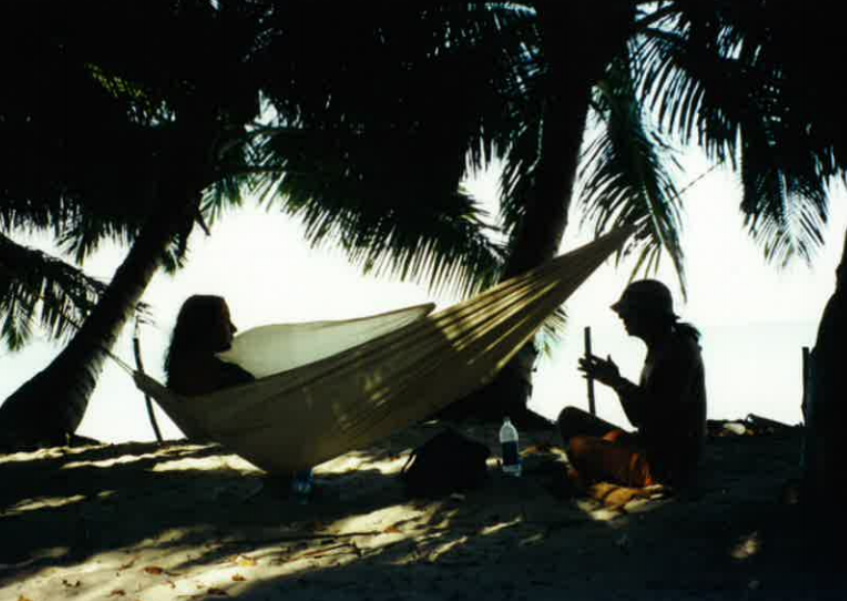
The rest of the day was spent swimming, snorkeling, writing, & playing chess in the village with the locals. I’ve also found the next new Olympic sport… hermit races. Basically, you choose a hermit crab from the beach & place it in the centre of a circle drawn in the sand… first crab to the perimeter wins. We’ve also been cooking for ourselves & you will soon be able to taste the fruits of my newly acquired culinary skills – masalas & chapattis.
Then going to sleep above the scritches of en masse hermit crabs & the sounds of the Indian ocean, under a delectably bright balloon was beyond beautiful.
Day 81
My defining moment of the Andamans came this morning… Celia. She is a fine & feisty Norwegian Blonde, who while riding the rough track to the campsite I was struck by a fine ass, pass’d her, stopp’d & invited her for a spliff & a ride. So we took a tour of the island’s beaches, producing a moment to smile about til I die. On my left was the lumescent turquoise ocean, on my right the lush jungle, up above a perfect sun, down below a mighty motorbike, up in front the open road & right behind a gorgeous blonde. When spending a day at the office one likes to have pictures of sexy ladies to look at… I was sat writing my poetry while her skimpily clad curvature splash’d in the waves.
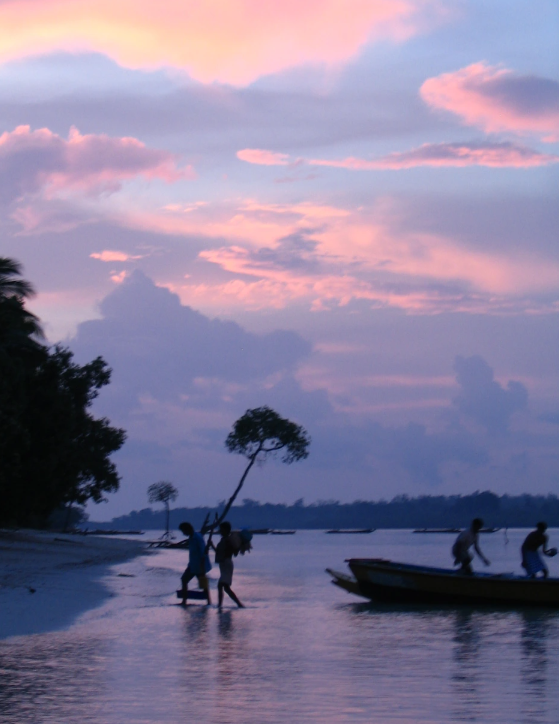
After dropping her off & getting back to the site, the police moved us on from our impromptu site this morning – no permits – so, I took a boat back to the capital where I had to soak my feet in Dettol water and cover them in plasters for frolicking among the coral has ripp’d them to shreds. You’ve gotta be real careful with your cuts, I’ve been told, as they can soon go bad in the humidity (and the fuckin flies know exactly where the sores are).
I am now in the wee townlet of Wandoor for a bit of solitude. My boat to Vizag leaves in two days, so I thought I’d have one last adventure before I leave – let’s hope it’s a good done !
Day 82
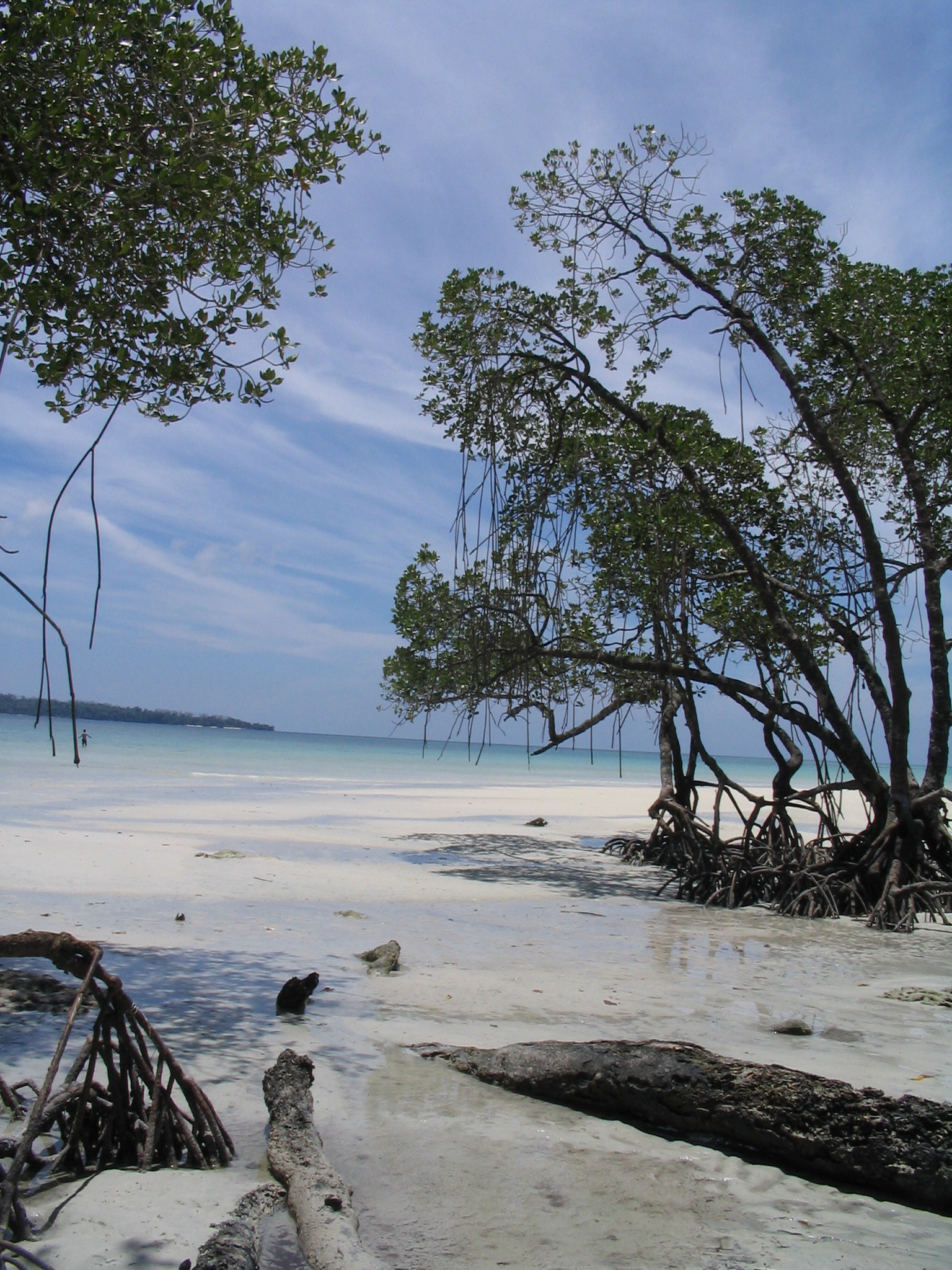
Fuck me! I have been genuinely unnerv’d, the closest I’ve come to death since a certain scampi pasta I cook’d up a couple of years back. This morning I bought a ticket for Jolly Buoy, a tiny island open to visitors for a few hours each day. We got there & sure enough it was paradise; jungle, white sands & shallow coral flush with lushly colour’d fish – thro’ my snorkel mask there appear’d an em’rald phantasie kingdom. So I had a couple of reefers & did a spot of writing whilst tucking into my pack’d lunch (major munchies) in a quiet, shady corner of the beach. After a while I went to check on when the boats would leave & to my horror found they had fuck’d off! I was completely alone on a deserted island with no sign of a boat anywhere – the boats might have come back in the morning, but after taking stock found I only had one third of a litre of water & half a samosa (vegetarian).
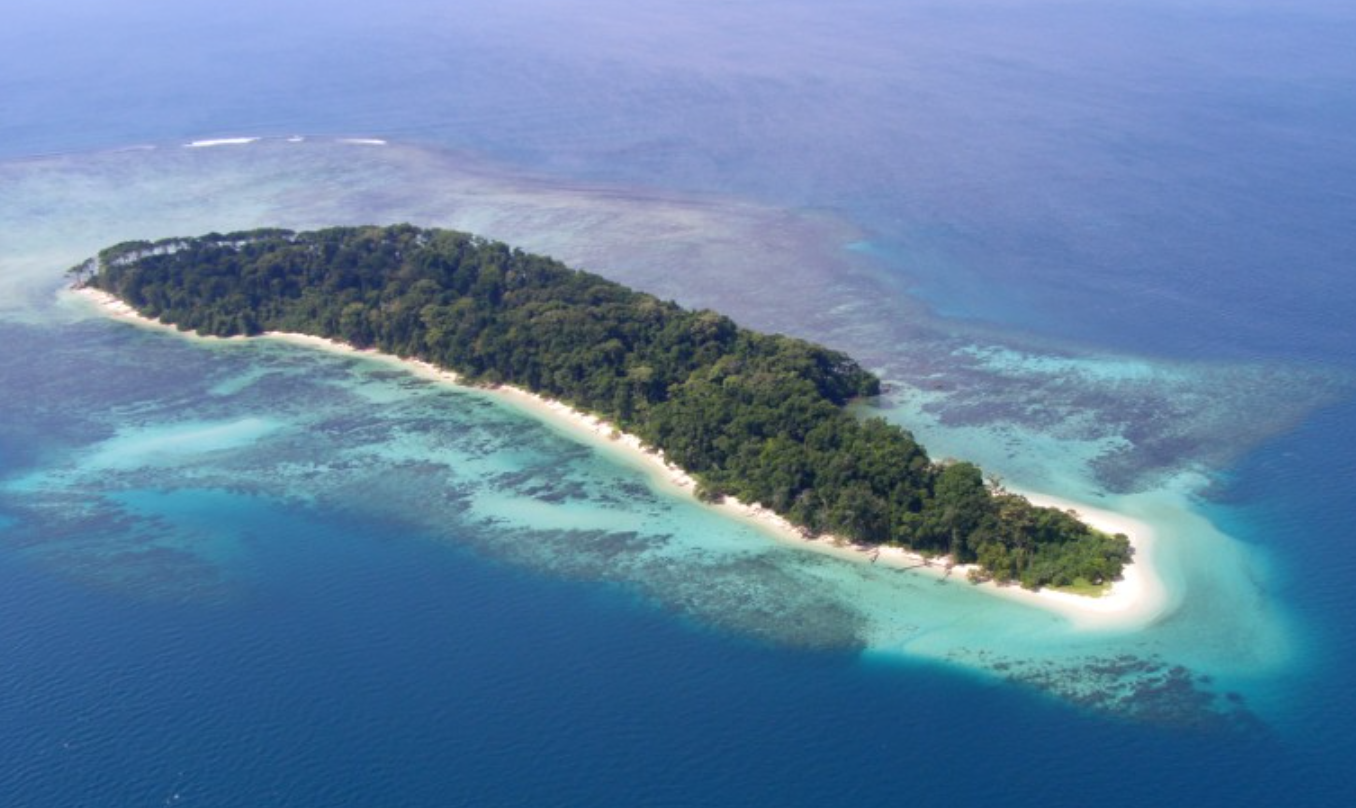
Across the waters fishing boats were hugging the mainland but they could not here my shouts over the sounds of the engines which chugg’d over the waves, then faded with the boats into the distance. So I was shipwrecked – & without a reality TV camera crew in sight! So, after stripping off naked I check’d out my possibilities. On one side of me was the ocean’s expanse (next stop Antarctica) & on the other, various islands of the archipelago. The closest one seem’d to be about a mile away, from where smoke seemed to be rising from the jungle… people! After two abortive attempts at swimming (not stoned enough) I tried to make a raft, which duly sank. Fish kept flying out of the water reminding me I was in tropical waters & I remember’d that someone had seen a four foot shark two days ago not far from here. After another spliff I thought fuck it, it’ll be an adventure & began to swim.
After 15 minutes of easy breaststroke I look’d back & realised the current was sweeping me out to sea! Panic kick’d in & I turn’d round for Jolly Buoy, but the current was really strong. For the first time in my life I was dependent on my own strength to save my skin. I swam & swam & swam, my life flashing before my eyes – nor more peachy lady bottoms, no more Yips Chips, no more black pudding from Burnley market, no more of my Gran’s Lancashire hotpot. Fuck, Gran, she’d fuckin’ kill me if I hadn’t just died in a rip-tide in the Indian Ocean.! Fortunately, after a full-on heave of effort my feet touch’d solid & I collapsed in the sand, listening to my thumping heartbeat in a state of shock…
thump…. thump… thump… thump… thump… thump…thump…chug….chug…chug-chug-chug…
Another fisherboat!
This time I shouted as loud as I could & waved frantically & almost piss’d myself when I saw them turn for the island. I quickly dress’d & greeted them passionately – they were very curious about me – & soon we were chugging out across the waters. I quickly skinn’d up & pass’d a spliff round my three new shipmates & lay back in the boat to watch the magnificent sunset – a sunset I was lucky to see! They also gave me a top tip – if u are ever stuck on a desert island you must wave a piece of material to signify you have been stranded (internationally understood).
At the astonished fisherman’s village I gave a geezer 60 rupees to drive me on the back of his bike to my hotel – about 30 miles all in all – where I order’d a huge feast. Like loads of fucking food, most of the dishes on the menu.
After telling my tale to my hotelier, he said apparently I was lucky not to have reach’d the island I was swimming to (with the smoke curls), as there was a good chance they might have in fact eaten me! It certainly seems that Sarsawathi has smil’d on my life today, & I’m not being allow’’d to leave this mortal coil this yet – more work to do, perhaps!
Day 83
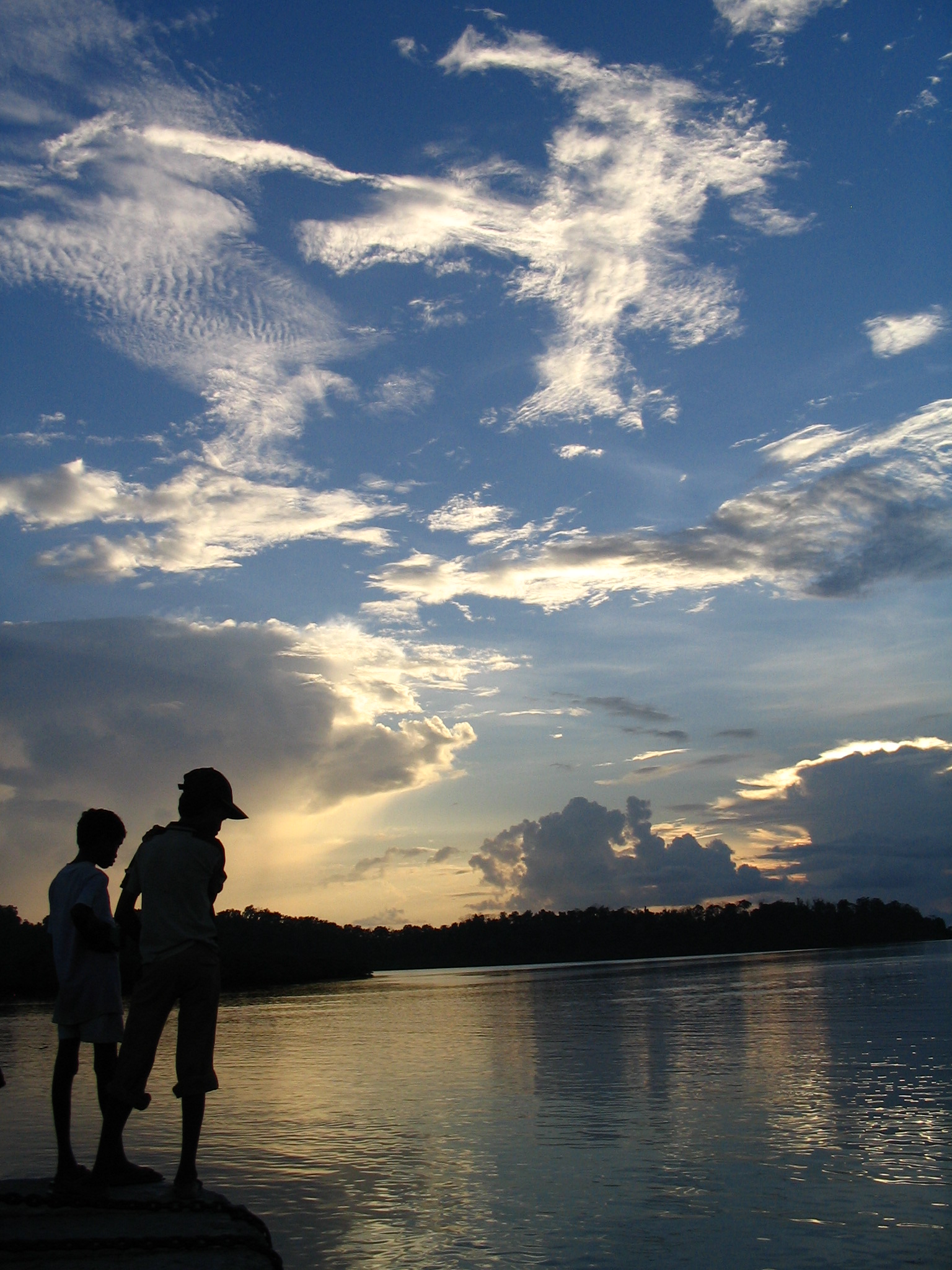
A guy from the Forestry commission came to see me this morning & they will be taking action against the boat owner, despite my protestations as to the otherwise. I figured if their chief witness (me) had fuck’d off the captain couldn’t get into trouble & would be able to continue feeding his family, so I scarper’d back to the capital as soon as they left, penning the following sonnet;
Down southern Andaman lies Jolly Bouy,
Of rainbow coral, full of snorkling joy,
I spent an hour lagooning in a laze,
& fell astoned, then woke, to my amaze
The boat had left me, deserted, alone,
No rizlas, samosas, water, nor phone!
A mile or so across the sharky foam,
A trail of smoke show’d someone was at home,
I built a brushweed raft, but that soon sank,
So off I swam, my goddess I should thank
For showing me this was a wild riptide,
Young muscles haul’d me back, I’d nearly died!
Then, waving to distant boats, at sunset,
I’d be the strangest fish they’ve ever net.
With a few hours to kill before my boat, I potter’d about Port Blair again, completely reliev’d to be alive. I went to check out the Cellular Jail, the main hub of British oppression to where the naughtiest members of the Indian Independence movement were sent. Known as Kālā Pānī (‘Black Water’), the term actually means an overseas journey which strips someone of their caste, leading to social exclusion. Far from the parlour rooms of mercantile London, the full evil of British imperialism was showing its face, with an eventual 80,000 political prisoners facing “torture, medical tests, forced labor and for many, death.” (Guardian Sat 23 Jun 2001). Here’s a quote from that article;
“We are forgotten victims,” says Dhirendra. “Back then, all we wanted was food, and you gave us gruel that was riddled with white threads of worms. We demanded an end to work gangs, and we ended up chained like bullocks to oil mills, grinding mustard seed, around and around. We wanted medical aid for our fevers, and your doctors signed papers stating we were fit enough to flog Dhirendra Chowdhury
Towards dusk I boarded my ship to Vizag & away we went once more. Unfortunately I soon began to feel very sick indeed with some kind dysentry (have you ever shit blood?). Along with an Amsterdam whore I think a young man’s first tropical disease is an initiation into manhood – my body can do that!? The worst moment came when I was flopped on a crusted over ships toilets, sat down where one usually squats & to week to stand, with the ship’s rats scuttling about & my whole body liquifying & gushing out of me – & this only 36 hours after nearly drowning in shark infested seas !
Day 84
I stagger’d to the ship’s doctor this morning, who gave me some pills & before you know it I was feeling at least half better. So, I decided to finish off my opium, & read a book in my bunk. It’s call’d Life of Pi, a vivid, wonder-suffus’d Booker Prize winner by Yann Martel. Its a story about this shipwreck where this guys changes his fellow shipwreckees into animals – an orangutan, a zebra, a hyena, and a Bengal tiger – just to stay sane. In the book there’s this one amazing section which can describe Hindu in a way that I could never;
I am a Hindu because of sculptur’d cones of red kumkum powder & baskets of yellow turmeric nuggets, because of garlands of flowers & pieces of broken coconut, because of the clanging of bells to announce one’s arrival to God, because of the whine if the reedy nadaswaram & the beating of drums, because of the patter of bare feet against stone floors down dark corridors pierced by shafts of sunlight, because of the fragrance of incense, because of flames of arati lamps circling in the darkness, because of bhajans being sweetly sung, because of elephants standing around to bless, because of colourful murals telling colourful stories, because of foreheads carrying, variously signified, the same word – faith, I became loyal to these sense impressions even before I knew what they meant or what they were for. It is my heart that commands me so. I feel at home in a Hindu temple. I am aware of Presence, not personal the way we usually fell presence, but something larger. My heart skips a beat when I Catch sight of the murti, of God Residing, in the inner sanctum of a temple. Truly I am in a sacred cosmic womb, a place where everything is born, & it is my sweet luck to behold its living core.
After a lazy day sailing, in the dark of night, on first seeing the shore lights of the subcontinent, I penn’d the following sonnet’
At the back of the ship, at the height of the trip,
Drawn by the harmonies of Lord Vishnu’s call,
Navel-rooted lotus soft floats over waters
Absorbing the beauteous Bay of Bengal,
Transcending to milk, pearly seaway of silk,
Thou lavender cushion of infinite white,
Surrounding the foetal spirit centripetal
Sucking upon toenails painted starry bright.
“Rider, thou art return’d to India,
Saraswathi, I see, has smil’d on you,
Thy mortal aura bless’d in her prayer,
Thine energies hued in a rainstorm blue,
Come drape thyself in the Himalaya,
For there, thy Rose of Sylver shall renew.”
It was cool sailing into Visakhapatnam as it’s port is pretty ancient, being the only natural harbour on the east coast of India. The Romans were here, for example, & now an English poet was taking his first steps in the state of Andhra Pradesh via its funky harbour. Thus, I am now in ‘Vizag,’ the so called ‘City of Destiny.’ It’s nothing special so far – but I’ve only seen the port, a few streets & my hotel. I do have the feeling, however, that it’s gonna be a great place to hole up & explore for a couple of days!
Adventures on an Indian Visa (week 11): Charlie Chennai
Day 71
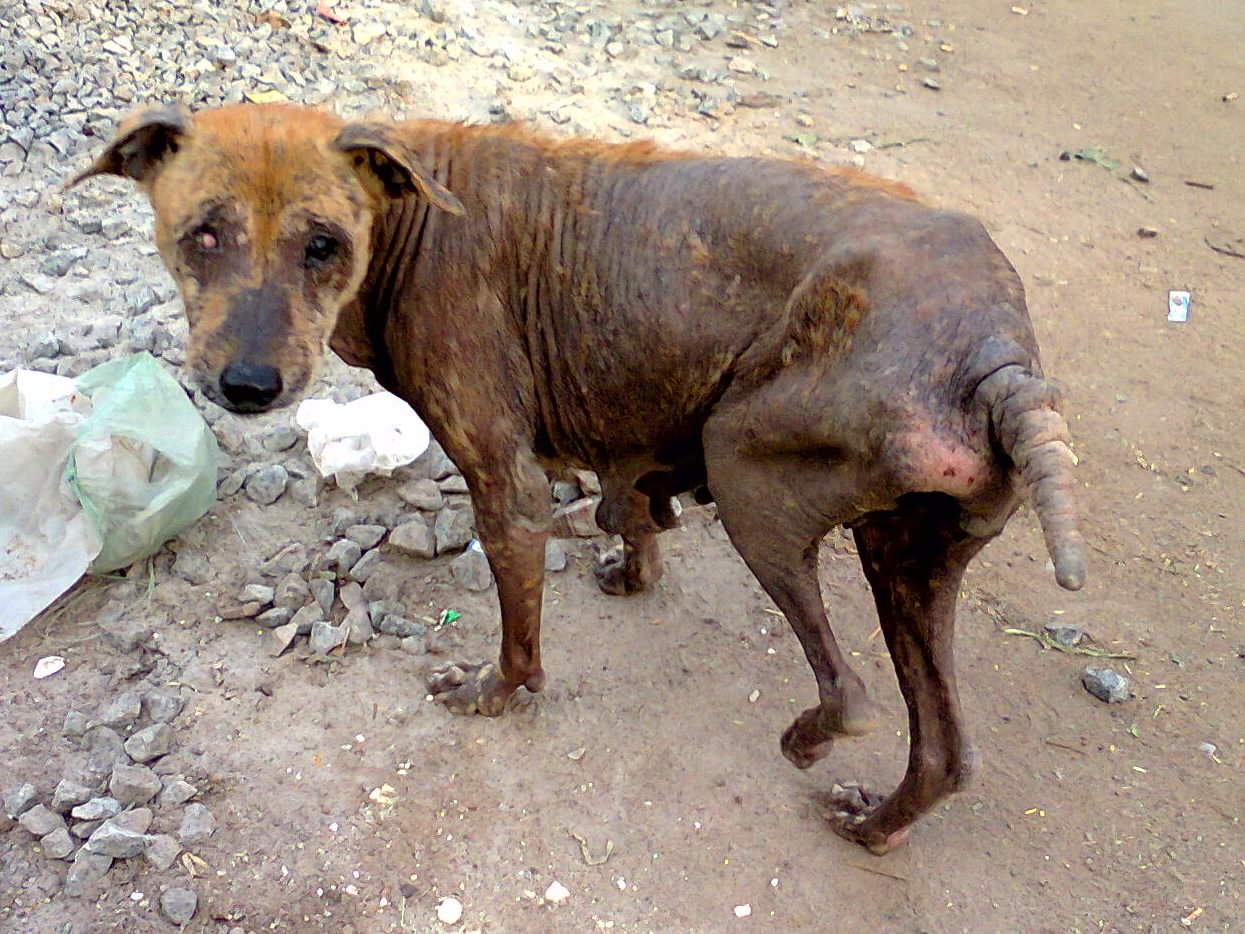
This morning a took the chunk-a-long, but wonderful train back down to Coimbatore, which was soon follow’d by a pretty hot & tedious train journey to Chennai. It was all a bit wild & busy when I got there, & I just jumped in a rickshaw, said take me to a hotel & pretty much took the first decent looking one & had a quiet night. Charlie gets here tomorrow night, tho, which will be funny. The most significant event in my Indian education concerning my musing upon the land’s weird-to-me body language. A shake of the head means yes; when a rickshaw driver pulls up next to you & I say what I think is no, they take it as yes & follow me down the road until I’m forced to tell him to fuck off. In the West we turn the palm face down for a shoo-off gesture & face up for a come here. Well, our shoo-off is the Indian come here, so when I find myself with several waiters watching me eat, & tell them to shoo-of, they actually come closer. Trust me, it’s mad as fuck having your every spoonful scrutinized by up to 20 sets of eyes.
Day 72
Waking up in Chennai with a few hours to kill before the arrival of Charlie would completely disturb my erudite fen shui, I spent the late morning & afternoon at Madras University & its Marina Campus Library. It is situated right by the stretching golden sands of Chennai Beach, framed by the choppy waters of the Bay of Bengal.
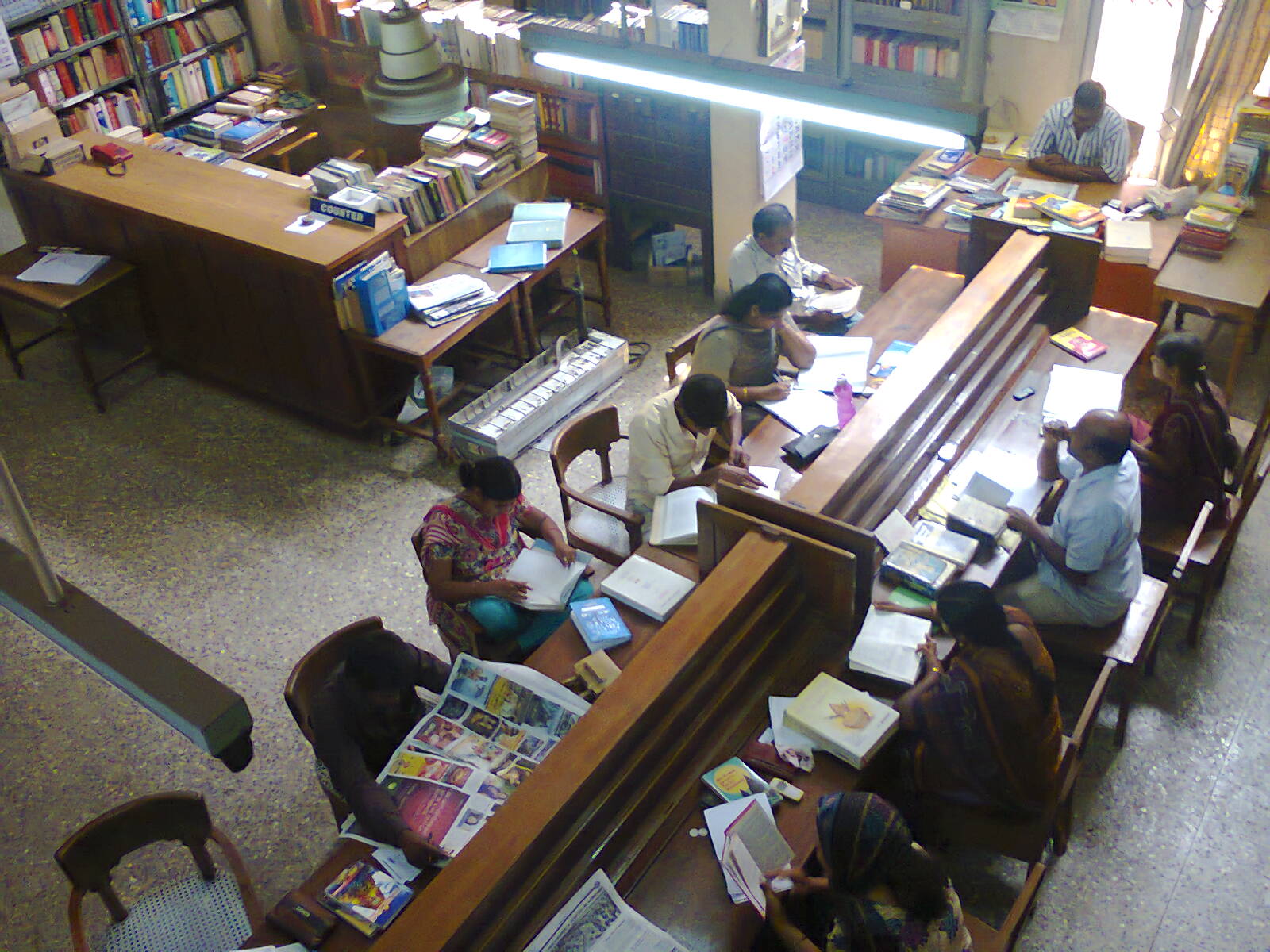
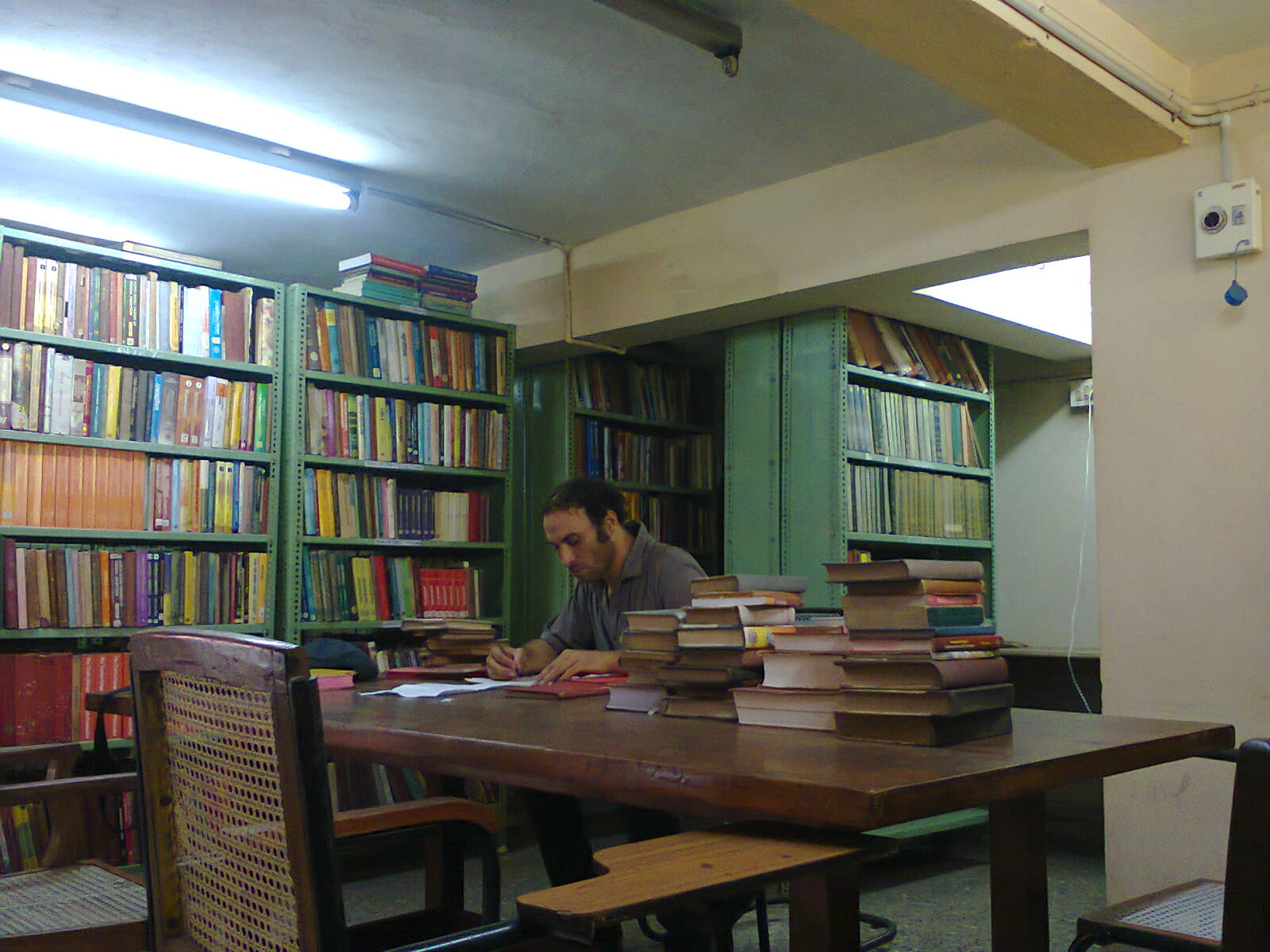
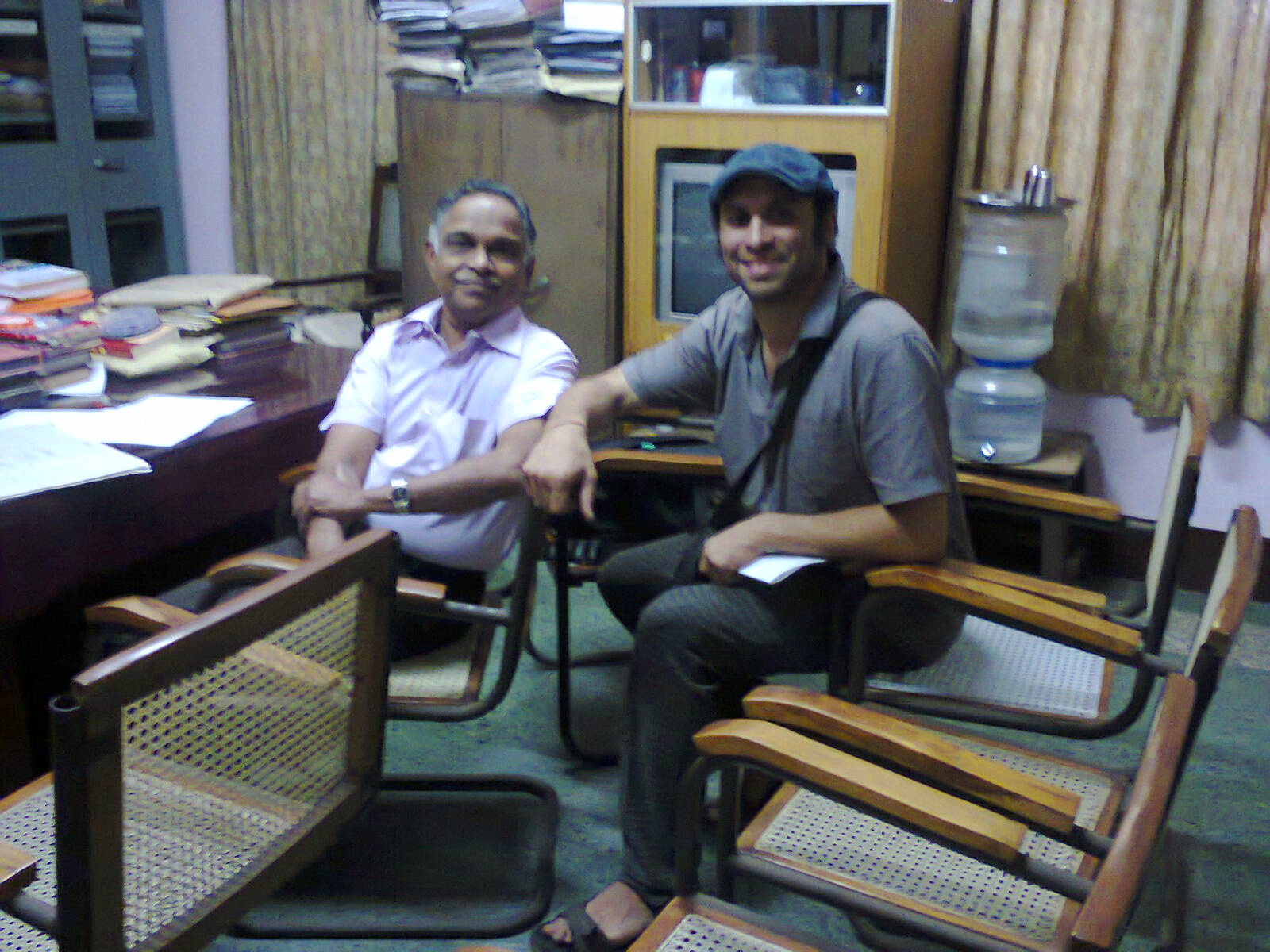
While on a wee break & wandering around the Ancient Indian History & Archeology Department of the Madras University, by some crazy chance I met a professor who, to cut a long story short, is up for teaming up with me to produce a new rendition of Tirukural, translating the introduction I composed into various Indian languages – an interesting project & one he says was sent to him by god. He even said I was an Indian in one of my previous lives, which kinda makes sense, & made me pray along to the Vedas with him, which I did awkwardly but silently…
What a contrast, then, when I met Charlie at the airport, clucking on cold turkey off practically every kind of drug, knocking back Valium like sarsaparilla tablets, wash’d down with neat vodka & immediately demanding we go searching for some crack. I soon discover’d the source of his hedonism. Apart from being on the run from the police, his landlord, the CSA & a couple of crack heads, he’s also nursing a broken heart. She was called Ketamine Karen, & had bled him dry, emotionally & financially, & turned him onto smack etc. However, I know the guy’s got a diamond soul, it’s just been buried in a whole heap of shit, so what’s a pal gotta do eh?
So, instead of paying the exorbitant taxi fares into town like an American mug full of dollars, we just caught a train instead, the station being a stone’s throw from the airport. Our tickets were 6 rupees each, about 8p & we were on the train with the vallies kicking in & Charlie staggering about & landing on this woman’s lap & here husband wanting to throw him off the train. I somehow managed to diffuse the situation & get him back to the hotel room, which Charlie said was the worst he’d ever been in. Trust me there’s worse – at least we have a western toilet, shower & TV (for a fiver). Admittedly, the area we are in is right next to a very busy, smoggy main road, & Charlie says its like holidaying in Wolverhampton. Anyway, the vallies soon did their magic & sent him off to sleep, which finally had a respite from Charlie’s tales of Great Harwood Football Club.
Fer fucks sake, I’d forgotten how badly he snores!
Day 73
Charlie was far too jet-lagg’d/vallied-up/clucking for crack to spend any time with today, so while he dozed about the hotel drinking cheap rum, I headed out into Chennai, the capital of Tamil Nadu. The city itself is just one massive heap of concrete lumped on the Tamil plain like a colourful pizza. No hills to break up the urban monotony, & very few parks. Albeit there’s the sea, but even this is manky, fed by the black stinking sewers & even ranker rivers that flow through the city. Still, for my studies it provided a double whammy, for according to popular tradition, one of the city’s suburbs – Mylapore – saw the martydom of St Thomas. How he got there goes like this;
Where the Didascalia (dating from the end of the 3rd century) states, ‘India… received the apostolic ordinances from Judas Thomas, who was a guide and ruler in the church which he built,’ elsewhere, the 7th century patriarch of Jerusalem, Sophronius, records that Thomas preach’d; ‘the gospel of the Lord to the Parthians, Medes, Persians, Carmanians, Hyrcanians, Bactrians, and the Magi. He fell asleep in the city of Calamina of India.’ Calamina is derived from Cholamandalam, which means ‘Realm of the Cholas,’ the rulers of ancient Tamil Nadu. Elsewhere, the apocryphal Acts of Thomas describe his death, burial, & subsequent disappearance of his remains;
And when he had thus prayed he said unto the soldiers: Come hither and accomplish the commandments of him that sent you. And the four came and pierced him with their spears, and he fell down and died. And all the brethren wept; and they brought beautiful robes and much and fair linen, and buried him in a royal sepulchre wherein the former (first) kings were laid.
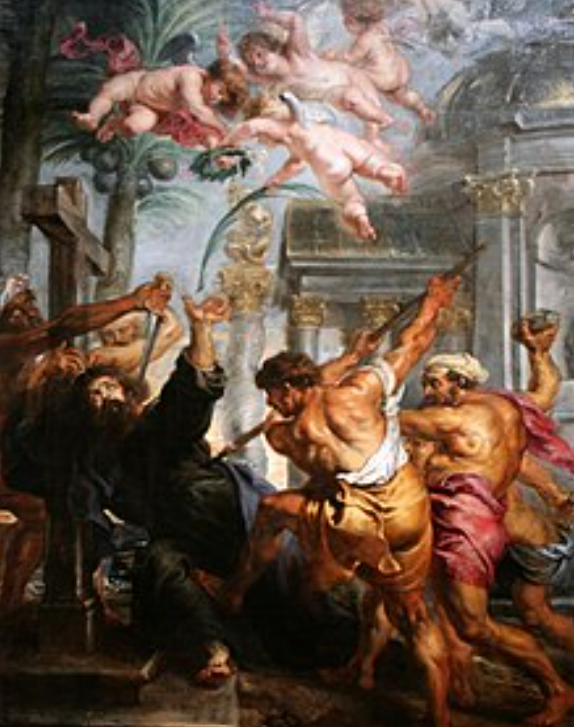
Now it came to pass after a long time that one of the children of Misdaeus the king was smitten by a devil, and no man could cure him, for the devil was exceeding fierce. And Misdaeus the king took thought and sad: I will go and open the sepulchre, and take a bone of the apostle of God and hang it upon my son and he shall be healed… And he went and opened the sepulchre, but found not the apostle there, for one of the brethren had stolen him away and taken him unto Mesopotamia
For Mesopotamia read Syria, where a certain Ephrem writes in the forty-second of his ‘Carmina Nisibina’ that Thomas was put to death in India, and that his remains were eventually buried in Edessa, Syria.
It was to a land of dark people he was sent, to clothe them by Baptism in white robes. His grateful dawn dispelled India’s painful darkness. It was his mission to espouse India to the One-Begotten. The merchant is blessed for having so great a treasure. Edessa thus became the blessed city by possessing the greatest pearl India could yield. Hymns of Saint Ephrem
So much for Saint Thomas. Now the site of his passing, Mylapore, is absolutely fascinating, for it was also the reputed birthplace of Thiruvalluvar himself. My Thiruvalluvar. Now, there’s no such thing as coincidence, the Universal mind doesn’t allow it, so deep down inside my instinctual subconscious I’m like, what is the real connection between Thiruvalluvar & St Thomas, & swore a silent academic oath to find it, especially when one of the first western scholars to describe the poetical wisdom contained in the Kural was RT Temple, who declared it to be;
One of the grandest productions of man’s brain, much of which bears so strange a resemblance in thought to the Sermon on the Mount. It has accordingly been argued ere this, with much show of probability that the teachings of the gospel influenced the nameless weaver of Mayilapur
My rickshaw took me to Mylapore – a quiet enough spot on a hill overlooking the sea, with a monument upon the very spot where Thomas was purportedly slain. Mylapore was also the location in which Saint Thomas erected a church upon an ancient Hindu site called Kapaleeswara. ‘The first Portuguese historians,’ recorded Father Henry Hosten, ‘say that St. Thomas built his ‘house,’ meaning his church, on the site where a Jogi had his temple.’ It is even possible that Hosten’s ‘Jogi’ was Thurivalluvar himself! The idea that one influenced the other leads to an assemblage of sayings known as the Gospel of Thomas. Discovered near Nag Hammadi, Egypt, in only in 1945, this obscure Gospel is actually just a Kuralesque, nuggets-of-wisdom collection of 114 brief & wise sayings of Jesus made by a certain ‘Didymus Thomas.’
Jesus said, “He who will drink from my mouth will become like me. I myself shall become he, and the things that are hidden will be revealed to him.” (Gospel of Thomas)
Around pleasant, intelligent speakers / People swiftly gather (Thirukural)
Jesus said, “Whoever finds the world and becomes rich. Let him renounce the world.” (Gospel of Thomas)
Prefer destitution’s stark minimalism / Possessions befuddle mind (Thirukural)
Jesus said, “Fortunate is the man who knows where the brigands will enter, so that he may get up, muster his domain, and arm himself before they invade.” (Gospel of Thomas)
Adherence of wise counsel / Frightens our enemies (Thirukural)
On returning to the hotel, Charlie was now wide awake & up for an explore. So, we went for a walk which basically entail’d Charlie having a wee moan about everything from lack of non-sugary condensed milk to the bricklaying skills of the Indians (he’s a brickie himself). While we were struttin’ the streets, me & Charlie kicked off our own version of the East Lancashire cricket league. Apparently, & quite the sportsmen, he played for Read CC, while I used to watch Lowerhouse CC as a bairn. Anyhow, on coming across a couple of kids playing in the streets, we found ourselves using a tree for a wicket, & the kids for fielders. Charlie batted first & got 7 runs before I bowl’d him plumb LBW, much to his cocksure annoyance. However, I only made 5 runs before one of the kids gave me a wicked googly & Charlie gave rather a too triumphant cheer. His smile didn’t last long though – later that night he got himself lost. I think he went off hunting for ketamine while I was in the internet shop studying Saint Thomas in India. An hour after our appointed rendezvous I gave up waiting & went back to the hotel, where three hours later a rather fluster’d Charlie turns up, without any K (thank god), & several hundred rupees of taxi fares down. Apparently he’d driven past the hotel several times – funny as.
It was the perfect time to tell him I was taking him to an Ashram to sort his life out. I don’t think he quite heard, or perhaps understood. This is gonna be funny.
Day 74
This morning we woke to proper Pendle weather, with Chennai like a late autumnal Manchester. Apparently a cyclone is coming in from the Bay of Bengal to devastate fisherman’s lives & all that – which finally gave us the kick up the ass we needed to get out of Dodge. Three hours of train ride later, sitting in front of a baby with massive brown eyes & an even bigger brown splodge of paint between them, held by a guy listening to bangra on his mobile, we came to Tirupathi, a not particularly pleasing town at the foot of a sheer range of hills. If Chennai was Wolverhampton, said Charlie, this is definitely West Bromwich.
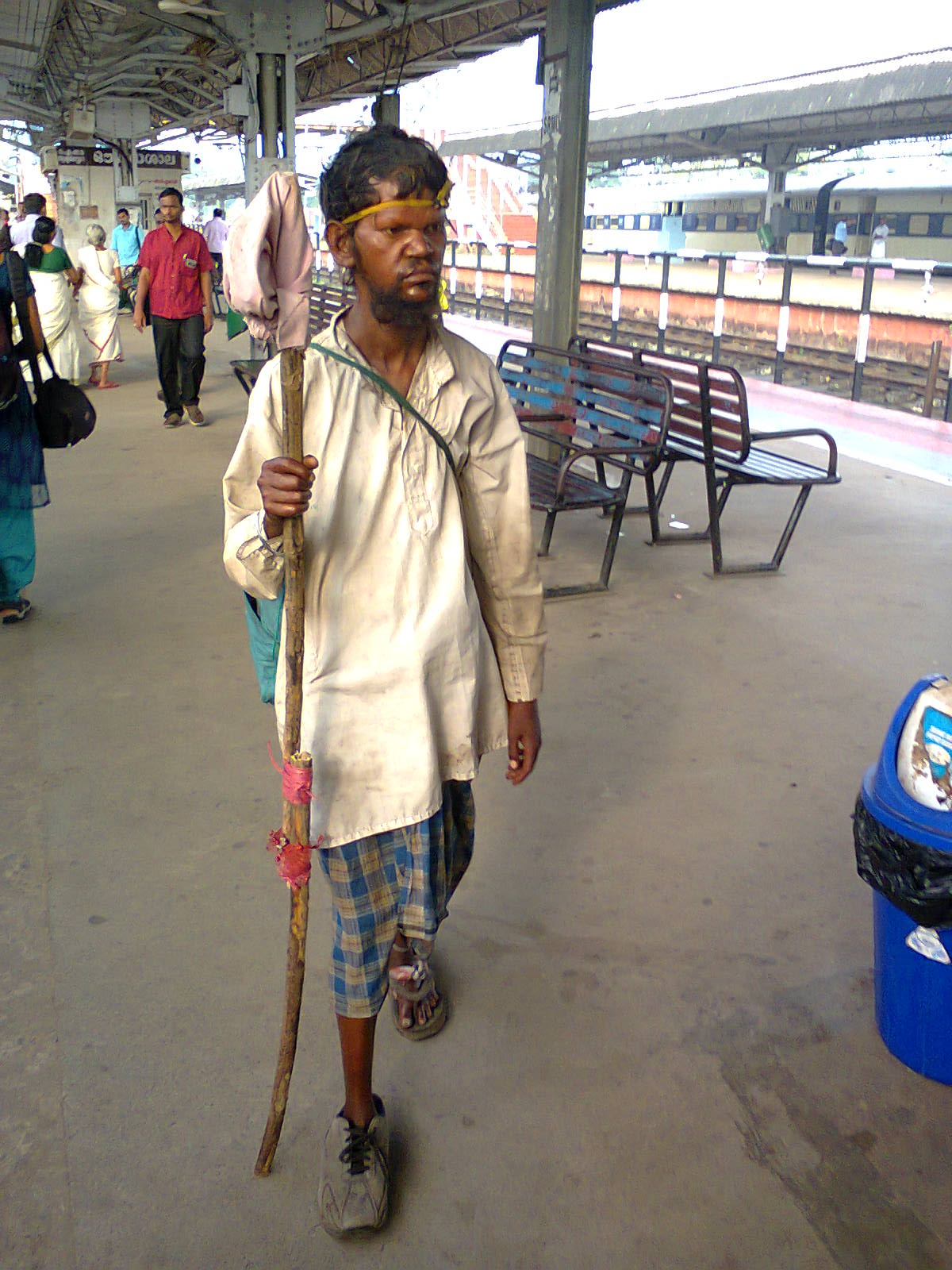
Our reason for being there was the temple of Tirumala, up on the hill range. It receives more pilgrims each year than Mecca & Rome put together, with most of the young guys shaving their heads – giving the appearance of a mass rally of the Asian wing of the BNP. We’re gonna join ‘em about dawn tomorrow, when hopefully the weather would have cleared, before travelling a few hundred K to stay a night at this very holy ashram – I can’t wait to see Charlie’s face when we get there & he can’t have a fag.
Day 75
Our journey to the ashram began with me attempting to invoke Charlie’s spirituality. We got up early, at 5.30 AM, to try & squeeze in a visit to the world’s most visited temple at Tirumala. Unfortunately, during the night both me & Charlie got a bout of Delhi Belly, & ten minutes into a bumpy ride decided it would be best if we get off & find some bushes, pronto. We did, call’d off the trip to the temple for fear of lack of bushes, & walked back into town, picking up some ‘stabilising’ medicine en route. At 9.30 am we caught the bus west. This was a nine-hour journey across the otherworldy landscape of the Deccan plateaux. It is basically a vast plain, peppered with bouldery hills, whose rocks seem to defy gravity as they balance at strange angles. The journey was broken up by the occasional crazy town & the growing feeling I was yet again in ‘endless India.’ I mean, we travelled about 350 k today, & hardly made a dent on the subcontinental map.
We then hit Puttupathy, passing the Sri Sathya Sai Super Speciality Hospital as we went in – a gorgeous pink Taj Mahal of a thing. We soon found ourselves in Sai Baba’s ashram called the Prasantha Nilayam, or hill of peace. On the way in there was a security check, & they took Charlie’s fags off him which really upset him, it was hilarious. On the brighter side, we got a bed in a dormitory full of international devotees for only 20 rupees – about 25p. The food was just as cheap, & we finally had a few western birds to check out. There was obviously no chance of getting laid, like, especially with a still brooding Charlie in tow. Outside the ashram we found your typical traveler-world – loads of shops selling jewellery, clothes & sitars, mingling with internet joints, hotels & restaurants, between which roam’d posses of beggars. It is a weird contrast – on one side of the street there’s this big meditation centre, & on the other a great cathedral to capitalism. If you ask me, Sai Baba’s raking it in like a modern-day Idi Amin. We even passed his private air strip as we arrived. Plus, as we ate our food in one of the several halls, this sign looked over us with just his hypnotic eyes staring down, reading;
WHY FEAR
WHEN I AM HERE
Trippy shit – there was also this board, which read;
Camera / Video Camera / Calculator
Big Bag / Battery / Binocular
Tobacco / Time piece / Toffeebags / Umbrella
Mobile / Plate / Time Piece / Needles
Blades / Water Bottle /Eatables
Scissors / Cassettes / CDs / Calculator
Knife / Book / Lighter / Cigarettes/ Pen
Flowers /Footwear / Flashlight / Walkman
MATERIALS NOT ALLOWED DURING DARSHAN
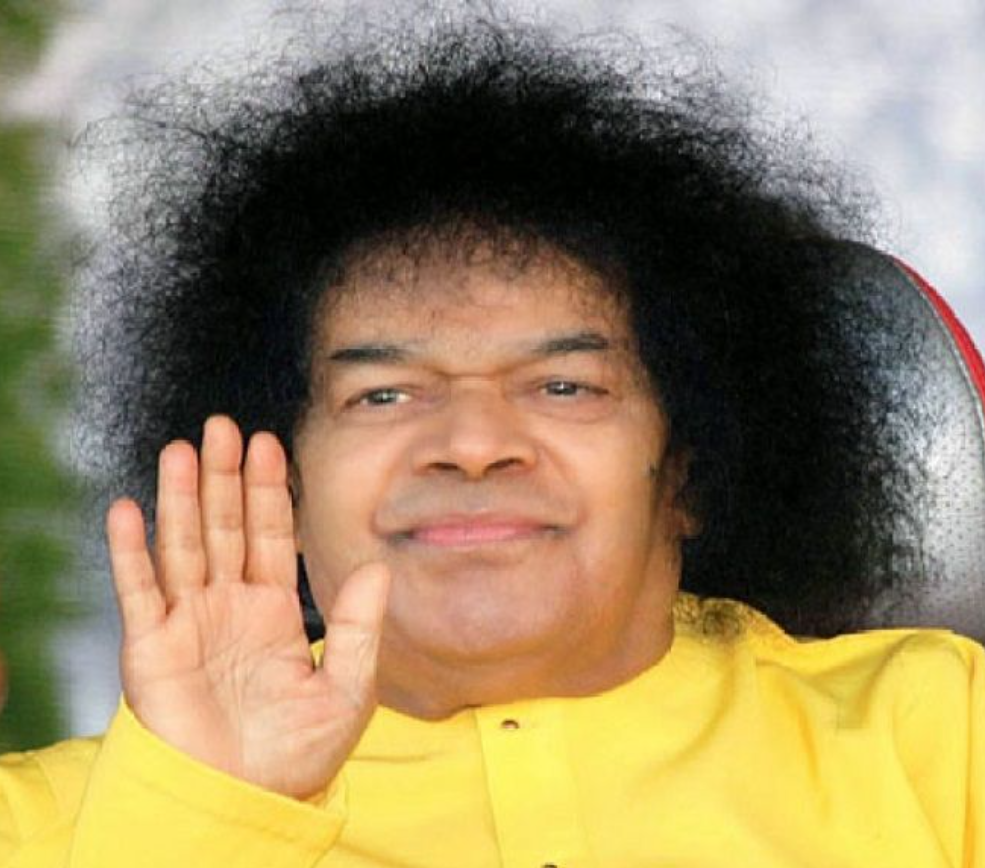
The whole ashram reminds me of a holiday rehab camp – there’s loads of accommodation – the westerners get bunk beds while the Indians sleep on mats on the hard floor. The night’s sleep reminded me to get some earplugs – Charlie’s bad enough, but nothing to the Russians. I kept moving about the dorm from bed-to-bed avoiding a snorer, but as soon as I’d settled, the guy next to me would start – proper did mi head in. In the end I got an hour’s kip, & with Charlie’s arms bitten to a volcano range by the local mozzys, we left the ashram, passing a mini-darshan on the way. This took place in a great ballroom style area, with chandeliers draping down & a couple of hundred white-clothed devotees sat on a polished silver floor, singing along to this guy at the front chatting through a PA. While I observ’d all this, I penn’d the following sonnet;
AUM SRI SAIRAM
Indian & international descends on Puttupathi,
Form the swarming cult of the new Sai Baba swami,
A mark’d contrast to the monstrosity park’d outside,
That cathedral of consumerism, devotion’s grotesque bride,
But safe behind those guarded gates one meditates quite freely
& joins in Dharsan with, oft-times, Sai Baba, tho’ him eighty,
Being the second avatar of a word-wide, tutelary spirit,
That three times only this green planet will grace with a visit;
Upon his death the first foresaw his rebirth after eight years
In obscure Puttupathi, where many years after the prophecy,
The teenager toss’d flour on the floor in the middle of a thrashing,
Spelling out Satay Sai Baba – the boy had always been holy,
& soon the world’s second largest NGO, after the UN of course,
Springs up, a shaft of light providing free health care for all.
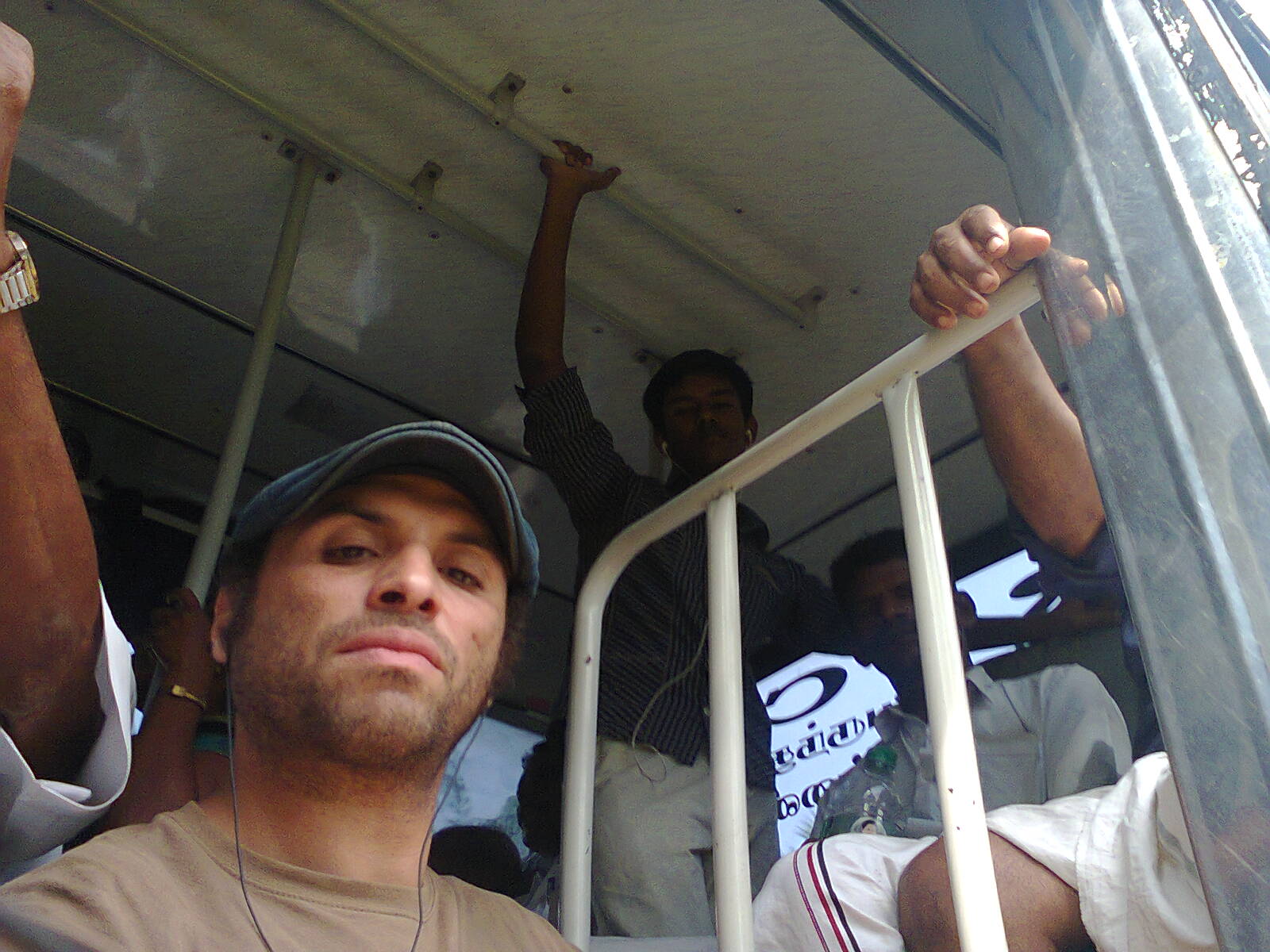
Day 76
This morning I said my goodbyes to Charlie & agreed to meet him in a few weeks somewhere near Calcutta. I’m gonna sail back from the Andaman islands via Visakapatnam & head north thro Orissa. He’s fine with it, he knows he needs it & this morning I already noticed a wee change in his demeanour & aura, but he still kept nipping outside the ashram for fahs & a cheeky rum.
While waiting for my train back to Chennai, a very funny few hours began. There was this cute Israeli girl – a 24-year-old called Gal – who I approach’d, as one normally does when surrounded by Indians in a case of ‘I’ll watch your bag if you watch mine.’ I said I’d also ‘protect’ her from any cheezy sleezy men. Anyhow, something happened on that train, a wee spot of Cupid I think, & found her gazing at me with these big, brown, dreamy eyes. The Indians around us thought us man & wife & after a while it actually felt like we were. Changing trains, we were stood on the bridge over the platforms, the sun just setting, & making out like crazy.
Sensual spontaneity at its most romantic, yet I felt a wee bit hypocritical as her protector had ended up hitting on her. We had two more hours together. My train was heading east & hers was heading south. Unfortunately, the railway retiring rooms were closed (we were both up for it) so we just found a bench on a quiet platform & hung out. She was a great kisser by the way.
After one last snog to the sound of engines & cacophonic tooting I left Gal & I got on the Chennai train. There was plenty of food being touted up & down the aisles, from ice cream & samosas, to full meals & packets of sweet cherries, with the beggars not far behind; the blind, the limbless & the decrepit. There were also two ladyboys who did their weekly ‘shopping.’ They turn up with an aggressive hand clap & basically demand money off the men – which they invariably get. Apparently they are only allowed to do it on Fridays & Saturdays – something for the weekend I dare say.
I finally return’d the vast Westernesque sprawl of Chennai (Madras) where tomorrow I intend to get a permit for a visit to the paradisial Andaman Islands. Steve, Kate & Jimmy are due in as well, so it’ll be quite the reunion, one expects. I’m looking forwards to it very much.
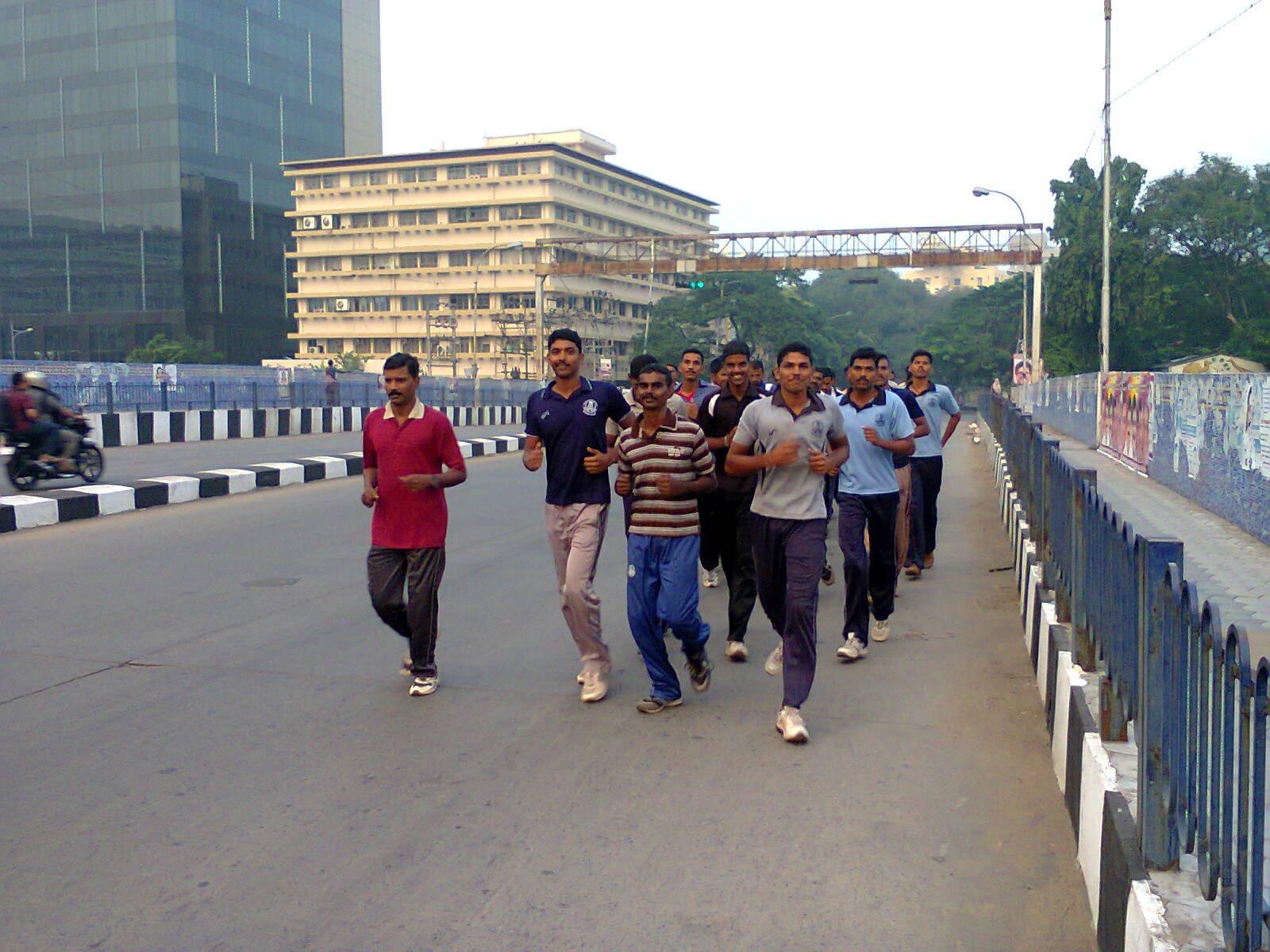
Day 77
Spent today sorting out my permit to visit the Andamans. I hired a rickshaw for the day & had an idea of buying a fleet of rickshaws & build track at home so we can all play Rickshaw Races – with a couple of guys hanging out of the windows with baseball bats! For a cheaper price for hiring my drivers, we rocketed around on loads of crazy missions – they get paid for taking westerners into luxury shops -, including a trip to his weed-dealing cousins, the overall net result of which was I get my permit tomorrow morning at 9 AM & there’s no actual guarantee of gettin’ on the ship. Fortunately there’s about twenty others in the same boat (pun intended), including the Goa gang, & we’re all gonna go down en masse waving 500 rupee notes & smilin’ widely. If they don’t let us on, we’re gonna sink the bastard!
Adventures on an Indian Visa (week 10): Hill Stations
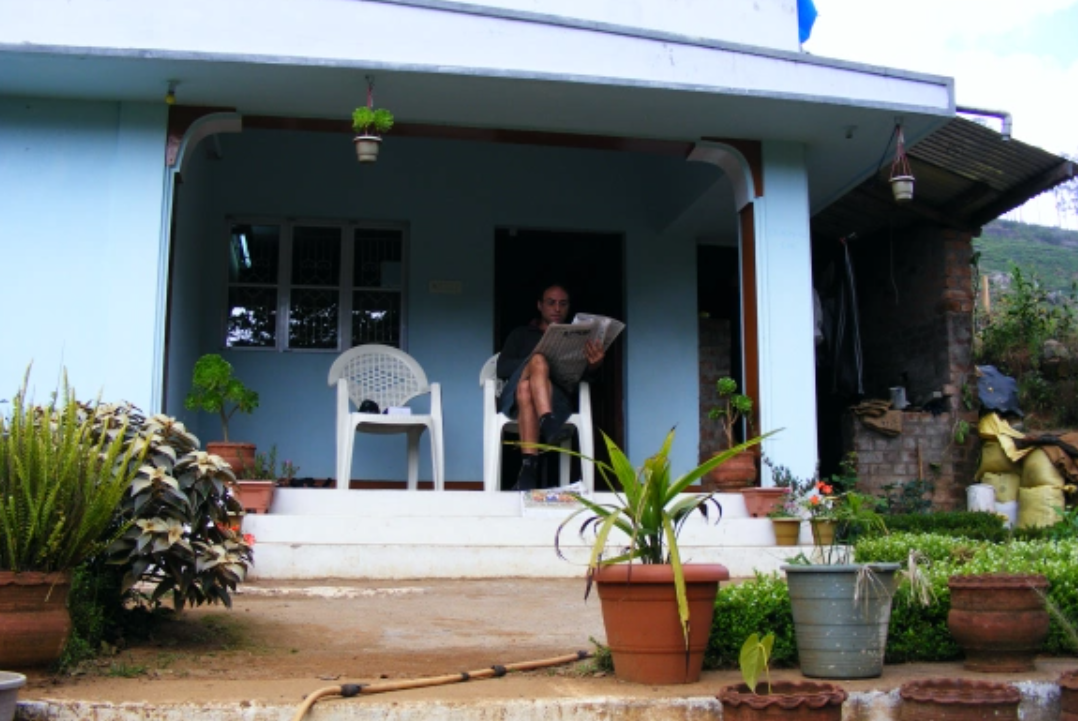
Day 64
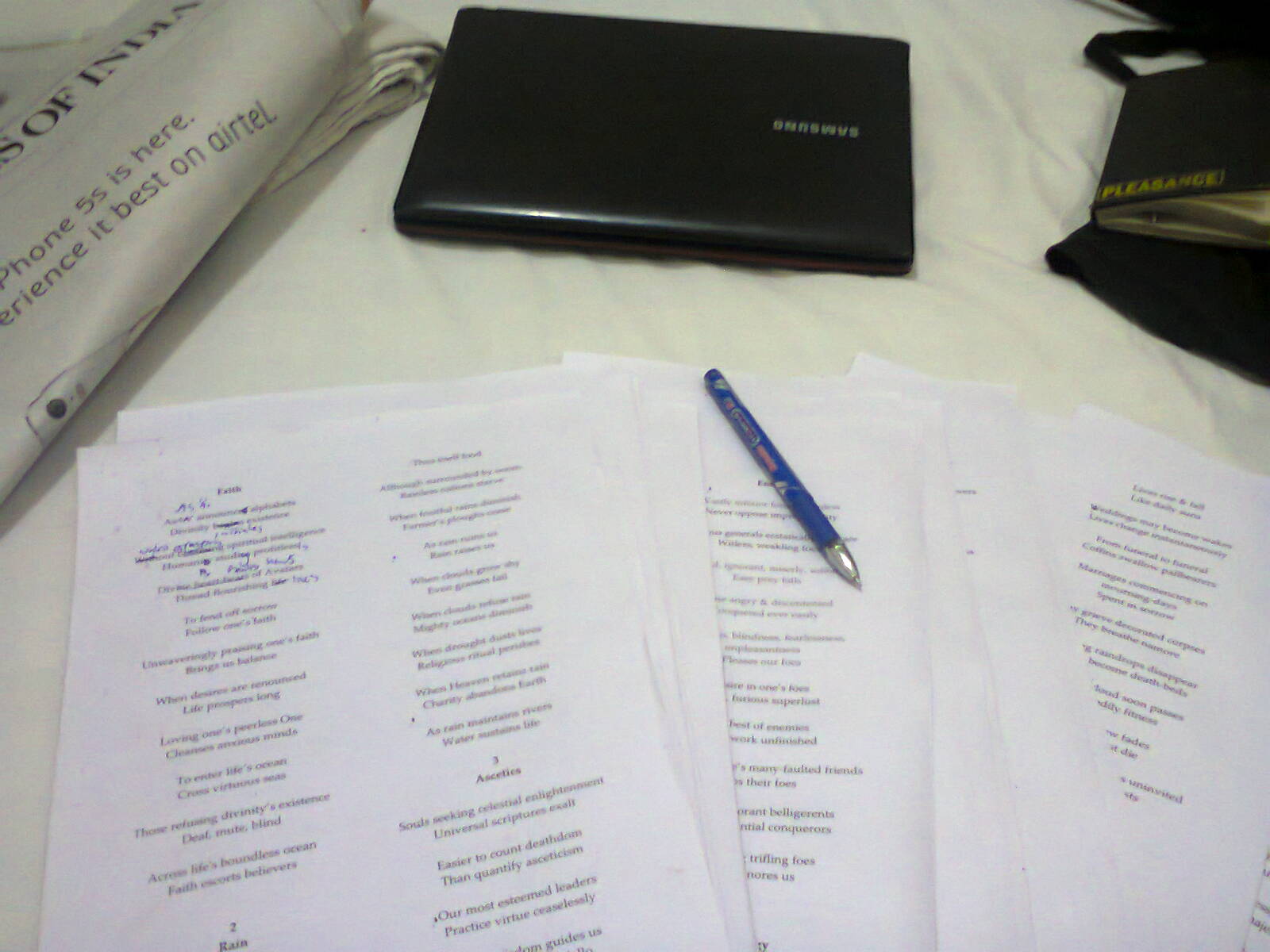
After completing the pen & paper version of the Thirukural, I printed out the first draft of my transcreation this morning, & was looking forward to a leisurely editing process, printing it out, drinking a few beers over a few plates of tasty food, scribbling away in a poetic half-dream. Of course I was wrong, this is India, too many variables, too many chances to progress on a plan. It begins with my new-found love for a possible new-found vocation of being a ‘literary archaeologist’, to whom the libraries of exotic countries are like the mausoleums of antique emperors, the treasures of which have lain undiscover’d under centuries of dust… & so to the central library at Madurai. I’d decided to spend a few hours there, unwinding & studying a few Tamil poetic measures, when I stumbled across the Nalatiyar. Well, less stumbl’d, more guided there by the statue of Thiruvallavar downstairs. It turns out that this collection of 400 quatrains is actually the revered sister-poem of the Kural, tho’ nowhere near as famous. There is an old Tamil proverb praising which says;
The Nalatiyar and the Thirukural are very good in expressing human thoughts just as the twigs of the banyan and the acacia trees are good in maintaining the teeth
I felt a bit like Howard Carter as he found a new door in the antechamber of what he thought had been the main royal tomb in 1922. Beyond that door lay Tutankhamun. “Great,” I thought, “a good reason to come back to Tamil Nadu… wait a minute, fer fucks sake I’m here already!”
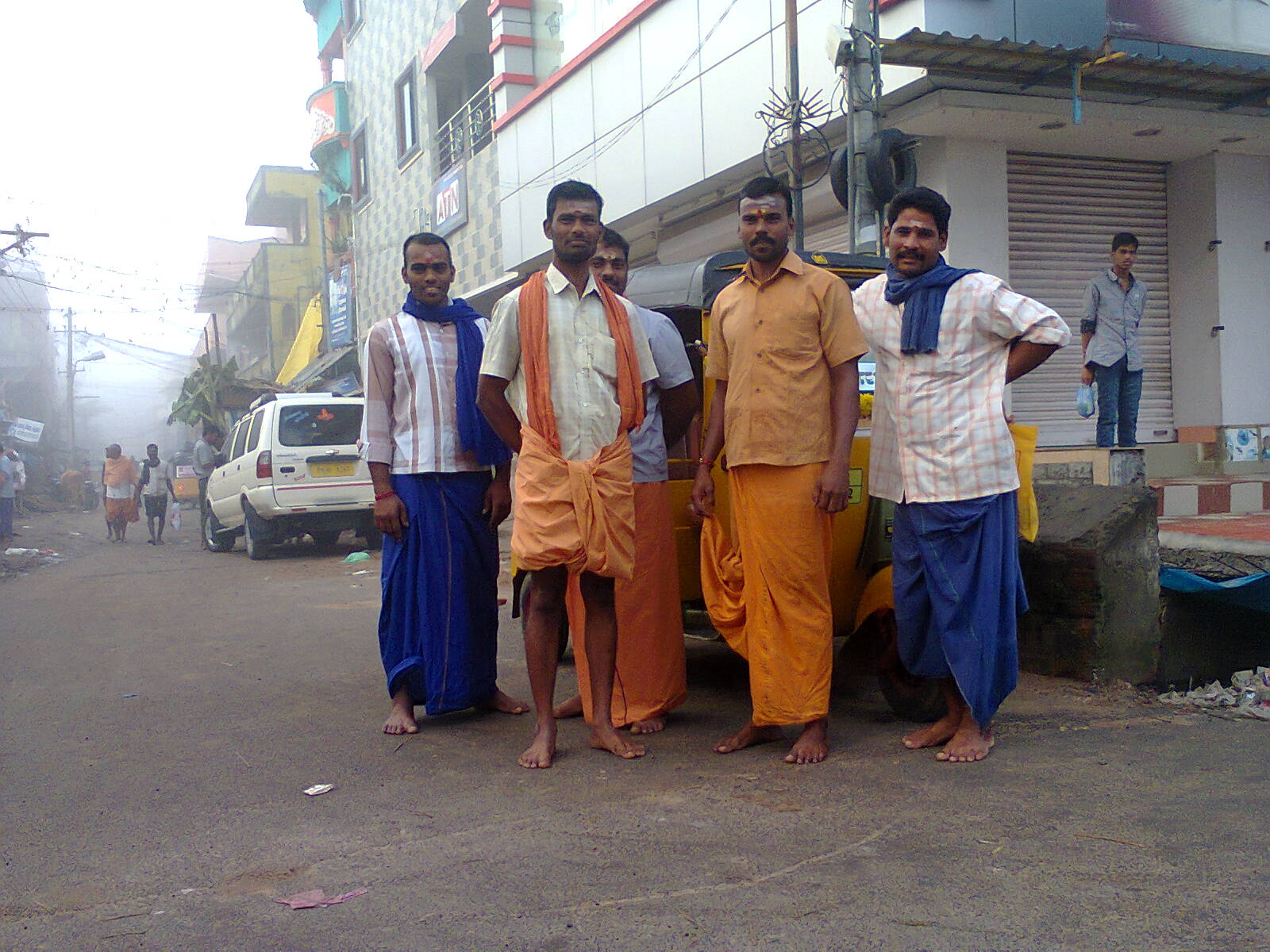
I decided there & then to ‘have a pop’ at it’s transcreation, shov’d the book up my shirt & left the library with my now stolen copy of the Nalatiyar. Life’s all about taking risks sometime, & this wee crime was something I just had to do. The Nalatiyar’s form is actually in quatrains, not the couplets of the Kural, but what I’m gonna do is find the main spirit of each quatrain & kuralize them. So tomorrow I leave the scene of the crime & head for the hills, where Kodaikanal sounds like a much more salubrious location to compose. It’s supposed to be a very gorgeous hill-station, with lakes & trees & shit, so happy days.
Day 65
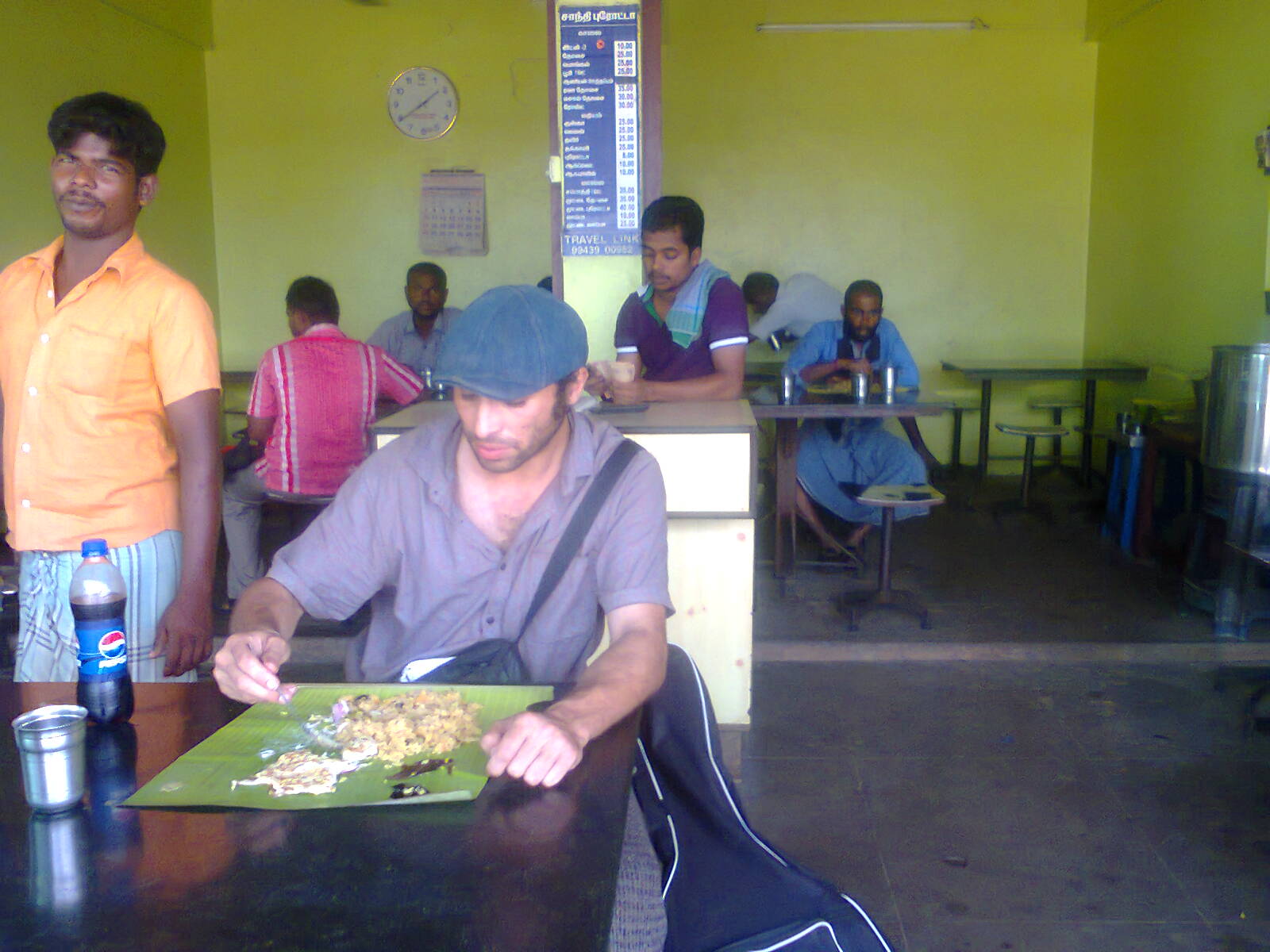
This morning I printed out my version of the Kural at a nearby printers a shack – a rupee per sheet -, & as I flick’d through them walking back to my pad I felt like Thiruvallavar would have felt as he carried his palm leaf manuscript about the streets of Tamil Nadu 2000 years ago. It was now time to check out, but before I did I thought I’d get one of the hotel’s advertis’d continental breakfasts. It was basically a jam butty & a cup of coffee & after a lengthy parting argument with the owner he’s agreed to change the menu heading to ‘sub-continental breakfast.’ At the bus stand I topp’d up on poori instead & hopp’d on a bus to Kodaikanal, a journey which swept me plain-to-plain over the Palani Hills – a mountain spur that juts out easterly from the main chain of the western Ghats.
The final stages of my journey to Kodiakanal here were ones for the soul, my bus sluggishly climbing the winding mountain roads for a good 50 kilometres. At every turn the scenery was wonderful, from mile-high waterfalls to the glittering lakes in the plains far below. The lush greenery was pepper’d with purple, pink & orange flowers, & the landscape seem’d very much like that of the Pyrenees. As India once more alter’d breathlessly its natural prospect, I recognised how much of a global microcosm this single nation is.
So, at the top of the Palani Hills, which at 2000 meters above sea level are twice as big as Ben Nevis, lies Kodaikanal, & I was rather surpris’d to discover how sprawl’d-out the busy, ‘taxi-taxi-taxi’ town was. With houses hugging the slopes all around the central lake, I felt like I was in Rome or Sheffield, only up high in the heavens as the plains below us were obscur’d by a pure white sea of cloud, shining brilliantly under an unadulterated sun.
I spent the day pottering about & working on the Naltiyar & the printed Kural, & found that whereas by day, Kodaikanal is a pleasant 20 or so degrees, by night & the temperature drops to about 10 & I found myself practically freezing to death, & so rush’d to my bed & the epic blankets the hotel provided. It made me realise I will definitely need some warmer clothing if ever I get to the Himalayas.
Day 66
This morning I woke up with what turned out to be a wee spot of flu. After spending a couple of hours in bed with a fever & convinced I was dying of some kind of fatal mosquito-borne disease, I explain’d my symptoms to a pharmacist & a few pills later & I was feeling better. But not wanting another chilly night to aggravate things, I decided to seek instead the invisible duvet that is lowland India & descend once more to the heat of the plains.
The journey to Palani was among the greatest I have ever taken. The mountains were simply gorgeous, a kind of snowless New Zealand, lush with the greenery of an English country forest. Half-way down the serpentine roads we even stopped for tea at a lovely spot, perch’d high over the plains. Below me, by a glittering lake, was the temple town of Palani. We reach’d there after a pleasant descent, the green sea of coconut groves growing ever nearer, until with a metaphorical splash those treetops were now above my head.
I had a bit of time before my next bus, so I took a wee trip to a temple, perch’d atop a little hill, with the mountains I had recently left behind towering magnificently over the scene. It was totally rammers inside, with the rattle of toy plastic guns going off every few feet. The vibes weren’t for me, so I took a walk around a bit of the lake instead – where I got my feet mucky as fuck. There then followed an amusing moment when I thrust myself among some women filling up their water carriers, asked to use the tap, & got my feet & sandals cleaned by a not unattractive bird.
My next bus took me to the city of Coimbatore, the supposed Manchester of India. I have to disagree, tho’, for everyone here has a charming, accent, pleasing & amiable manner, plus the sun shines all the time – & I haven’t even heard Fools Gold once. At first I thought that I had another Ramashwaram on my hands – its still holiday time & every lodge was filled up. Luckily, I manag’d to get a room in a pretty decent hotel just towards the end of a long semi-fluey day – but I’m still alive & I’m still working on my poetry! This evening was the one in my life where I was transcreating the Nalatiyar in Coimbatore. It just sounds fuckin’ cool, dunnit!
Day 67
Felt much better this morning & hit the Indian morning rushathon with a smile. My hotel’s quite central & I felt like someone who lives in Soho stepping out into Tottenham Court Road. I’m totally in my element here, an anonymous being roaming among this seething mass of humanity. Back in Britain I kinda dawdle about on the outside of society as a poet – I don’t even do performance poetry, & I’m too epic for the publishers, so I’m pretty much on my own. Out here things, tho’, things feel very different, I feel a part of the eternal, international poetic consciousness – with the added bonus of watching live premiership footy in my hotel room!

Coimbatore is also hosting this trade fair at the moment, & I went down to check it out. I was a little disappointed at first, until I was told I’d gone into the children’s’ playground next door by mistake. But I did see some kids playing kabbadi on rollerskates – very cool. Next door was the trade fair; one big, happy Tamil family full of stalls which in the main were as tacky as Burnley’s indoor market. There was a wicked fair, though, whose rides; from ferris wheel to crazy spinny things, would put many in Britain to shame… but after the waltzers on Brighton pier back in 2001 I’d sworn I’d never get on another fairground ride & stick firmly to my vow. However, I’ve never said anything about camel rides, & after watching groups of up to 4 parents & kids float about these ships of the desert, I thought ‘fuck it,’ paid 40 rupees so I could have the thing to myself, & went bobbing about the fair, the only adult on a camel, much to everyone’s amusement.
Got an email from Kate, my pal from Goa. Apparently, she & Steve, along with Jimmy Van de Mere & a few others, are all heading to the Andaman Islands & will be in Chennai soon. I’ve googl’d them & they look fantastic. To get there you have to cross the Bay of Bengal on a big ship, so that’s also cool. The problem is Charlie. He really does get on peoples’ tits, I can handle him, but so many times I’ve heard – ‘is Charlie your mate, Damo?’ & I’m like ‘yeah,’ then they say quite curtly, ‘why?’ So I’ve hatch’d a plan – Charlie definitely needs rehab, so a stint in an ashram will definitely help, so I’m gonna google some near Chennai, drop him off at one, then fuck off to the Andamans for a week or two, before heading back to Chennai & hitting the road with him. Tho’ its also possible to sail to Visakapatnam, which is further up the coast. We’ll see what happens, but first things first I’m off to a place call’d Ooty tomorrow, a heat-avoiding hill station used by the British during the days of the Raj.
Day 68
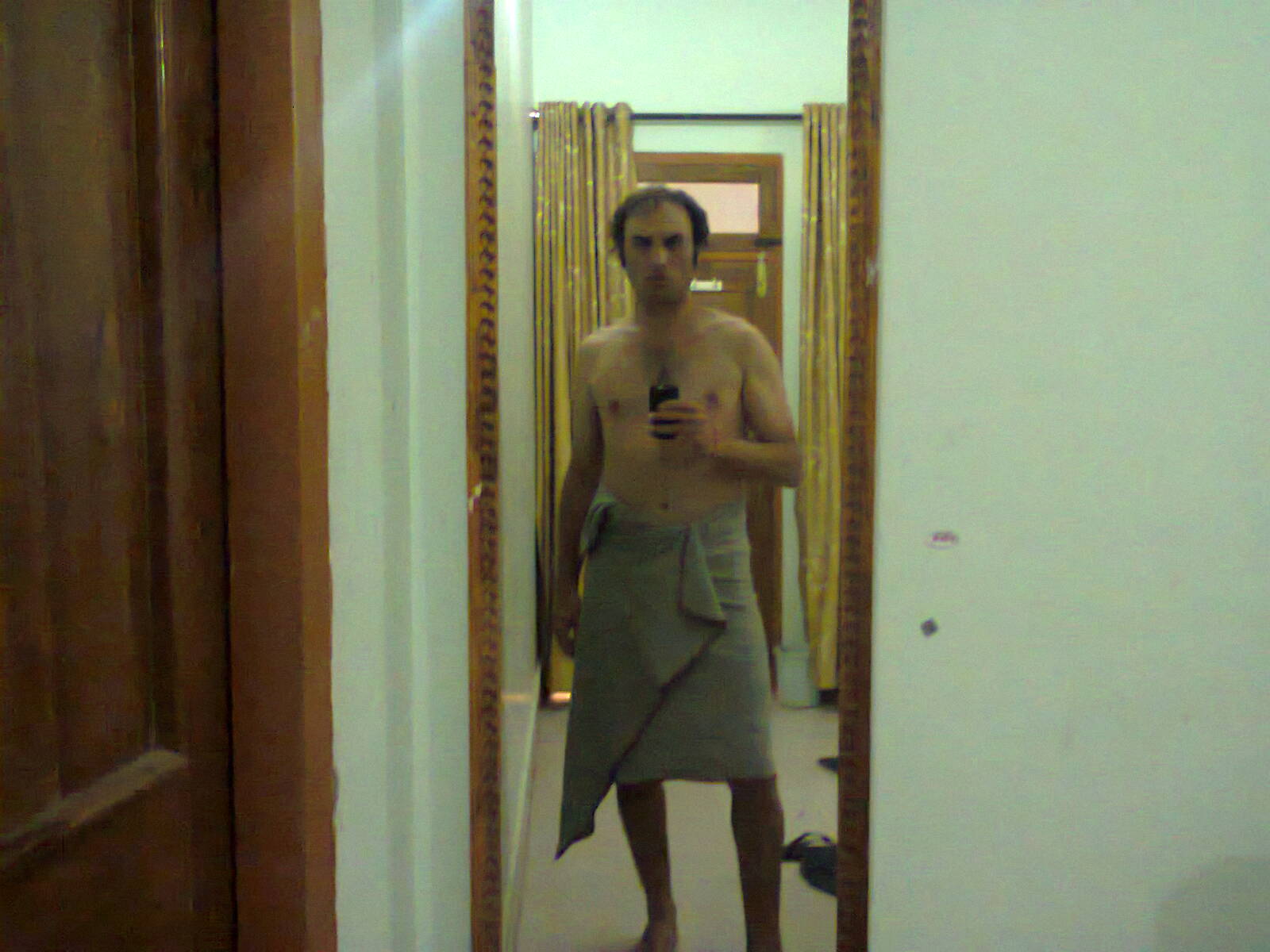
There is an expression – about fuckin’ time – & after traipsing around the dusty libraries of the busy Tamil plains I have finally found a poet’s paradise. Writing in India is a weird experience – most of the time it’s just like London, where you can’t hear yourself think, but on occasion she’ll throw up situations & scenery to send the soul searing. My journey here began by taking the Niligris Mountain Railway up to Ooty – at a max speed of 33 KPH. It is very famous – & deservedly so –, & has UNESCO world heritage status. For all its fame it only cost me 4 rupees (5p). At Ooty, maybe fifty people got off – so that’s 200 rupees, or three quid generated for the company – it must be subsidised somewhere. The journey itself was very pleasant, climbing way up high up in the mountains, & as we broke out over the sheer drops it gave the sensation of flying through the air.
On the way to Ooty, about 17 k shy, we pass’d thro a place call’d Coonoor, which look’d really beautiful. Ooty itself was a bit of a dump, so I thought I’d stay in Coonoor instead, & set off on a glorious walk. I followed the train route, sometimes on the tracks, sometimes on little paths by the side, & didn’t get run over once. There was forest & vistas everywhere, punctured by the occasional cow or guy hacking at eucalyptus with a scimitar. The highlight of the walk was the epic expanse of the Ketty Valley, where little clusters of pastel houses trickle off toward the shadowy peaks far in the distance. It was very Scottish, like Avimore but sunnier. Every few kilometres I came across a wee station, which refreshed me with chi. At one of these, Lovedale, I had a great time, from playing on some kid’s fullsize drumkit, to meeting some genuine Todas.
There are only 1000 Todas alive today, & up until relatively recently were left to their little mountain kingdom. Then, 130 years ago, some British geezer saw the tea-growing potential of the climate & bought vast swathes of land for a rupee an acre. The Todas are buffalo herders & trinket makers, their main settlement being 10 miles away from Lovedale. Having donn’d my amateur anthropologist hat, I check’d out the three families that lived at Lovedale. One guy was a carrot farmer & as his wife fed us coffee (& tried to sell me knitted mobile phone holders). I discover’d he made 800 quid a year, but didn’t have to pay the government any taxes at all, what with him being a rare endangered tribe & all.
So, I arrived in Coonoor & took a room in a decent hotel. There are hardly any tourists & the scenery is just a tree or two short of Eden. The town is stacked against steep slopes, & is busy but not buzzin’. The view from my hotel looks over the stage-set centre of town &, best of all, there’s no fuckin mosquitos. After resting a bit, I took an evening stroll, feeling completely safe & unphazed. I don’t really wander about Indian streets at night, you’re always watching out for dodgy fuckers. However, this walk was inestimably peaceful, taking me to a wee suburb of Coonoor that clung to the sides of a deep river valley. Feeling my spirit relax for the first time in ages I sat down to soak in the atmosphere, just as the minaret of a wee mosque lit up & a local Imam began praising Allah. It was lovely to hear, especially as the holy song echoed around the vale. I wander’d about a bit more, the rivers rushing filling my ears, along narrow streets, past wee one floor houses with corrugated rooves & satellite dishes – then saw a sight I probably won’t forget ‘til I die. It was basically Siamese twin-dogs – joined at a buttock & just standing there doing fuck all – one with 3 legs & the other with 4. I went to stroke them, but the 4-legged one freaked out & began to drag the 3 legged one away. I watched all 7 legs kinda scamper away & mused upon God’s acid-taking.
Day 69

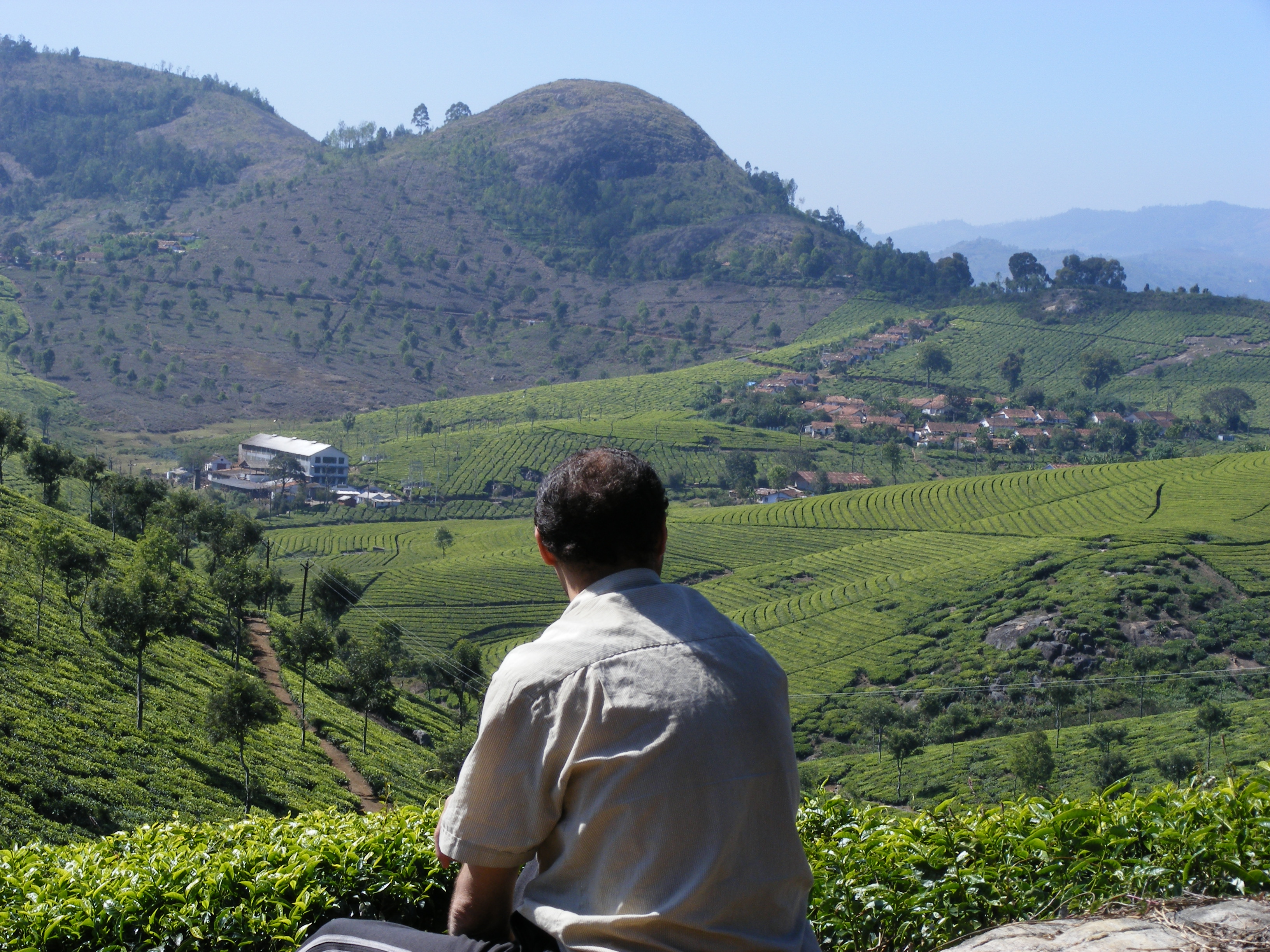
Today I was completely immers’d in flower-peppered walks, from lofty dams to fertile carroty valleys, as I work’d on the hardcopy Kural. The day began by hopping on an early bus & bantering away with loads of friendly school kids. The bus dropped me off 2k over Coonor & I then set off on a hike to the fabl’d Lambs Rock & Dolphins Nose, for apparently they had spectacular views. Unfortunately a thick cloud had fallen & I could see fuck all apart from the waterfall-dotted forest all about me. Then, when the road broke out of the trees, I found myself crossing the slopes of a massive tea plantation. I’d never seen tea growing before, & there wasn’t a drawstring bag to be seen. The tea bush is 2 foot tall, with green leaves 3-4 inch long & 1-2 inch wide. Somehow 3,500 years ago some of them fell into Chinaman’s cup of boiling water & hey presto, the magic brew. I also had a similar epiphany involving this magic herb. I needed a dump, so did one among some tea bushes. Then wiping with aforementioned leaves, I found them the smoothest I had ever used, better even than andrex extra-soft!
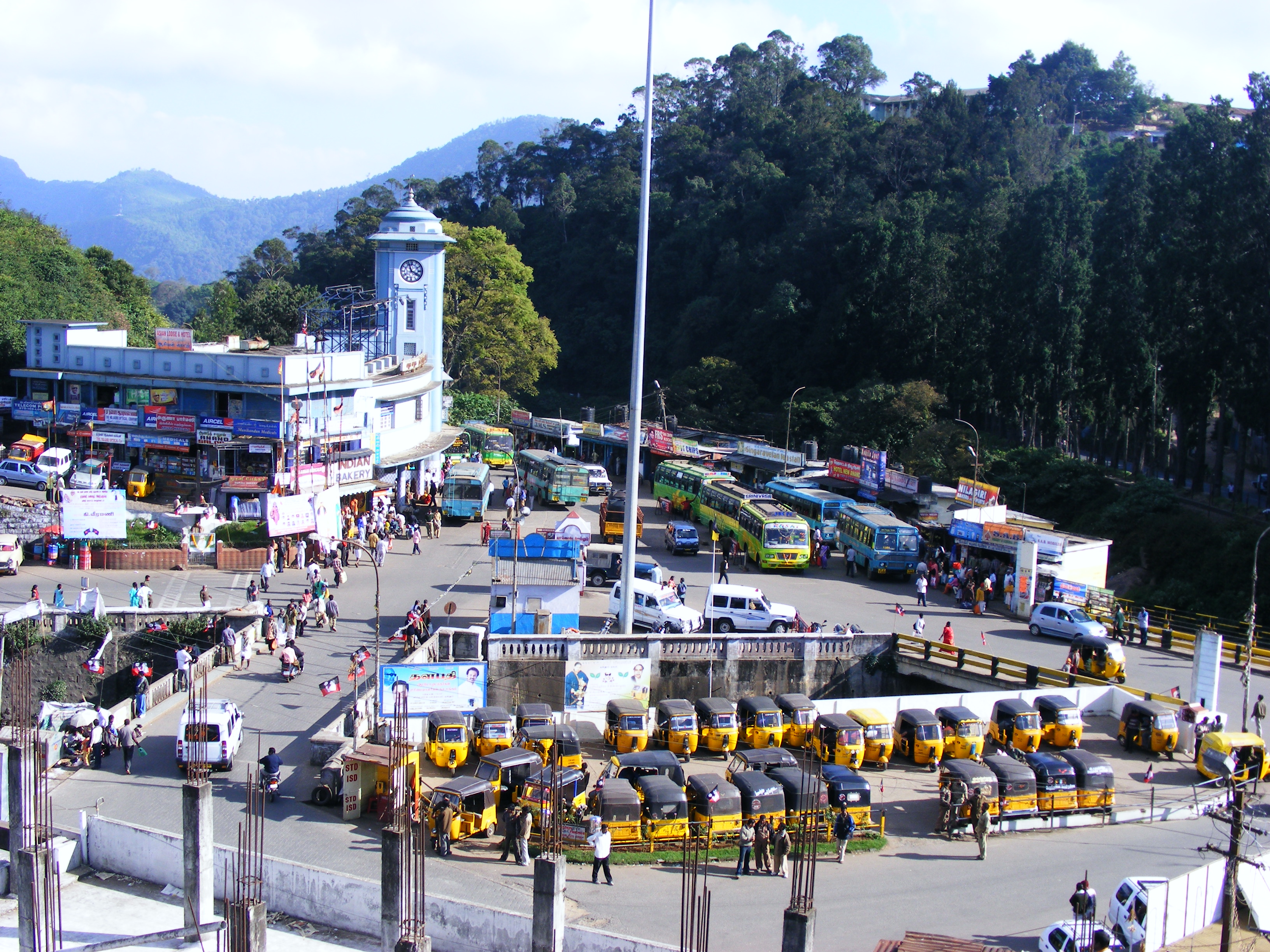
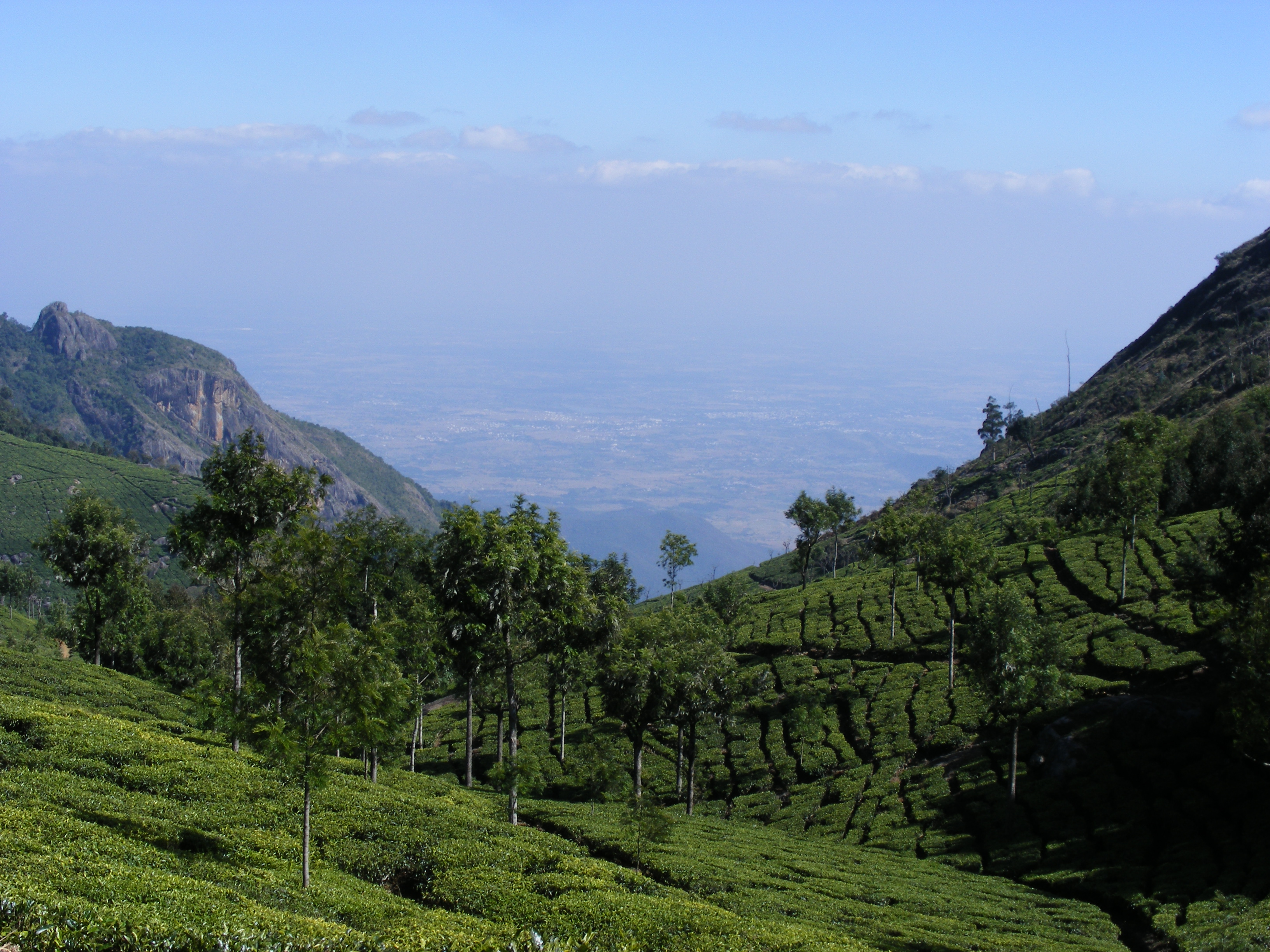
The whole are is really just one big tea plantation, peppered with little villages & rows of Butlins’ chalets to house the pickers (1.50 a day for 8 hours). British mountains are often purpley with heather or brown with bracken, but in comparison the Niligris are very, almost purely, green. The best way to describe the scenery is to picture normal British hill country, then cut a huge wedge of rock out of it a mile deep, then cover this with lush forest. Every ten yards a new vista opens up; from the immense white snakelike streak of water that hangs from Catherine Falls; to the view from Droog, which took in twenty miles of Niligris – the town of Coonoor the pastel-spangled jewel in its crown.
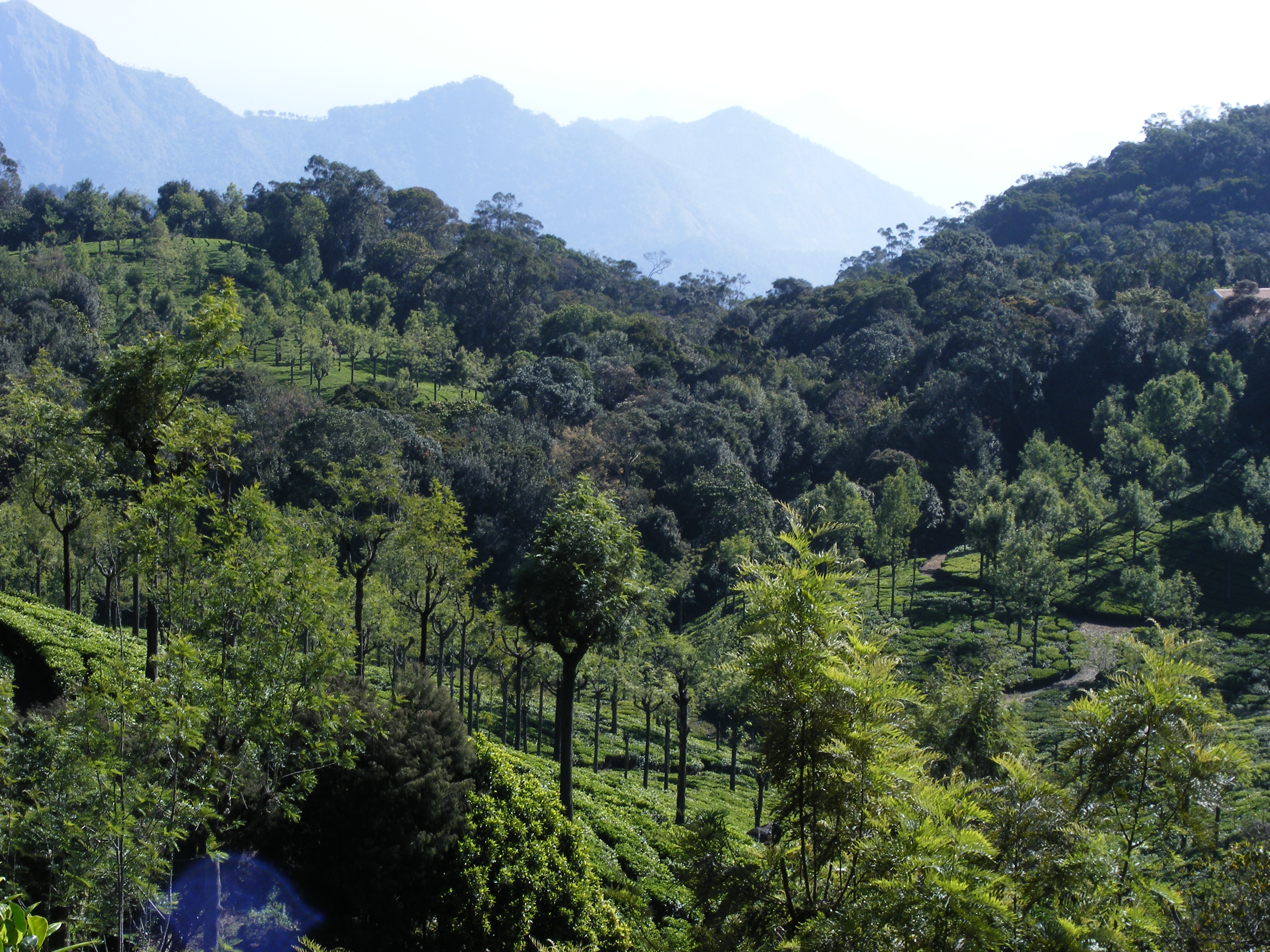
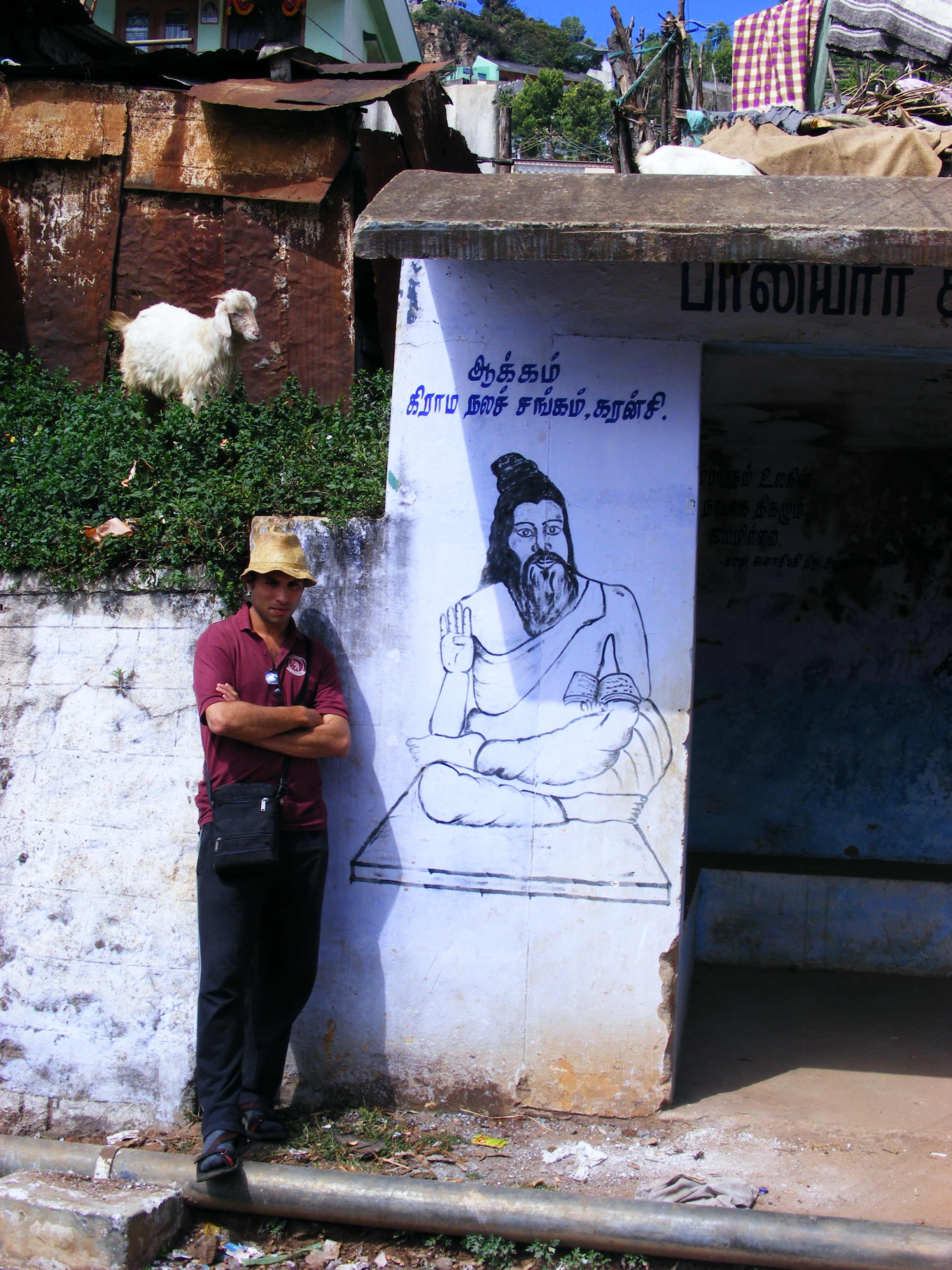
Further along the walk I came across a series of shops selling assorted teas – I tried a few, including a very delicious chocolatey one. Nearby by was a wee village call’d Karanci, very Italian, & clinging to a hilltop with the now clearing views of the Coimbatore plains far, far below. My gut instinct was to stay, & within half-an-hour had found a guy whose family are on holiday. He’s agreed to rent me a part of his bungalow tonight & tomorrow, & even cook for me – so my colonial dream has finally come true! I rang up the hotel to tell them I was staying here but to keep my room going.
Being up in such a peaceful spot help’d me gather my thoughts & after a bit of study I’ve found an ideal ashram for Charlie – who doesn’t know the plan yet, by the way. It’s called Pudupatthi, & tomorrow I’ll go down to Coonoor station to book us a couple of tickets – you need to think ahead in India, leading to the following sonnet. I also penn’d the following sonnet;
I took a breath or two of night-time air,
My heart not knowing why, my legs not where,
The starry skies obscured by gremlin cloud,
I headed for the hilltop temple loud,
Where rattled such a throng of Saivite,
Songs echoing thro ‘Niligrisian night,
Seeming another Tuscany to me,
For India oft felt like Italy,
& all was silver as a Silver Oak,
For searing thro the deep & astral smoke,
I found there was a full moon pulling clear,
These are the moments poets hold so dear,
Thro’ selene scenes setting dream-trails in store,
When ´morrow morns may pass these ways once more.
Day 70
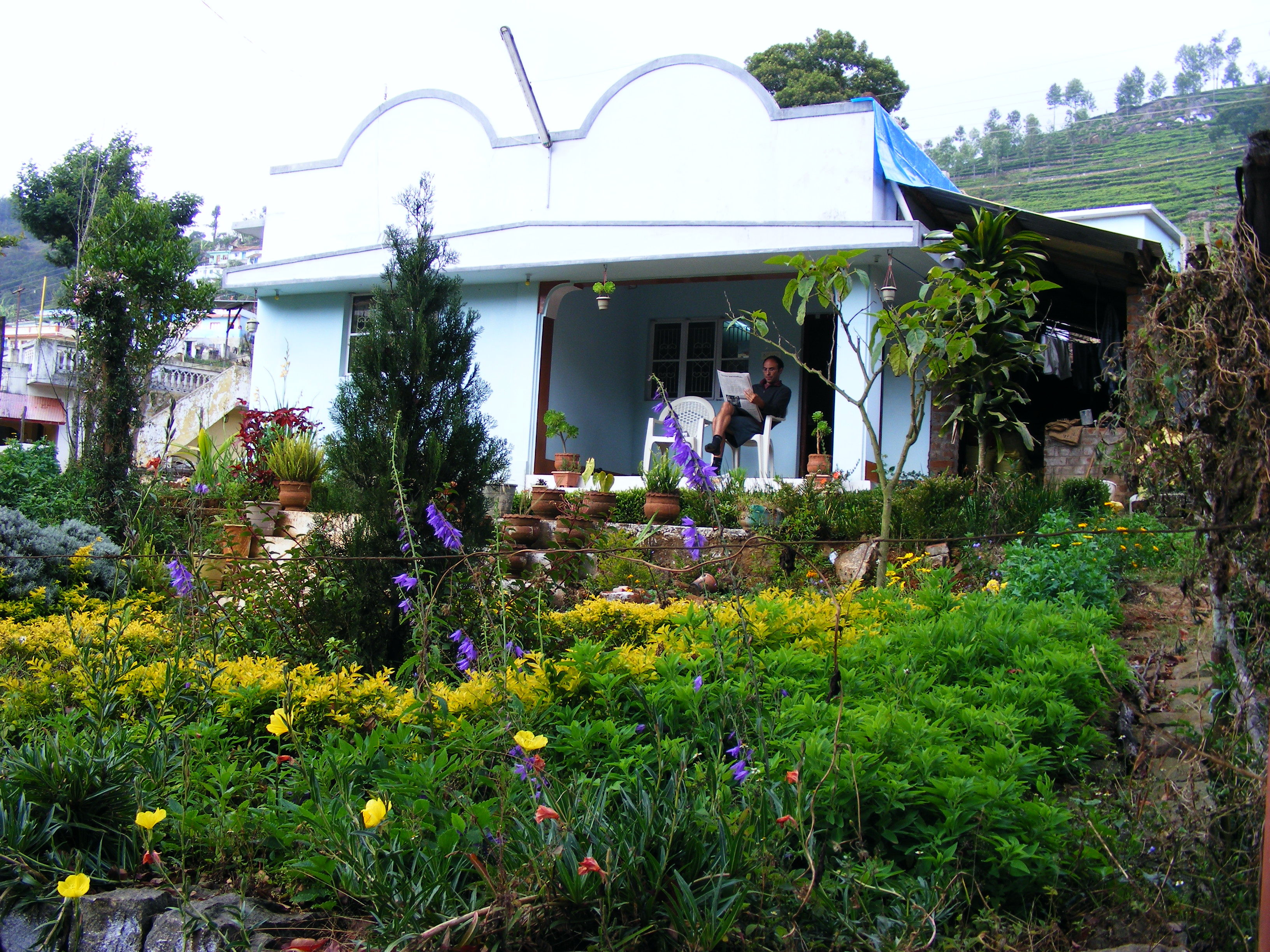
Seventy days – wow that’s a lot. So I spent the latest of these at the delightful village of Karanci, perch’d beneath the Guernsey Tea Factory like some industrial-age Lancashire milltown. About a hundred houses cling to a sheer slope, with a temple at the top that rewards the hike up to it with wonderful views of the surrounding hills & the plains of Coimbatore. By day it’s kinda busy, but after 9PM the whole thing shuts down into a dogbark silence. There is this cute as fuck ‘high street,’ with little chicks fluffing about, & young goats warming themselves by a log-burner. There was a tailor, a chi shop, a wee place to get some food & a little grocers. For the first time in two months I bought some fruit & veg & made a meal using ‘mutton masala’ for the spicy sauce. It wasn’t bad either, tho’ my landlord Deva wouldn’t touch it with a barge pole & got annoyed every time I tried to wash up.
Saying that, my host was magic. I think he appreciated the company while his family is on holiday, plus the celebrity the village gossips gave him in having the first ever tourist (possibly) to actually sleep in the village. He’s a very simple man who earns a couple of quid a day working at the tea plaza next door. Every lunchtime, for about two hours, he shows a steady stream of tourist buses in for the obligatory cup of chi. The rest of the time he just potter’d about, calling me ‘sir’ all the time. On one occasion this afternoon I was watching Friends on TV & he came in & disapproved of the kissing on it. I’ve now found out that Christian Tamils don’t kiss – not even during lovemaking. In fact, I don’t think they do that either. To keep warm he sleeps with his daughter all his life & his wife sleeps with their son – all in the same room (which I’ve now got). He asked me if I was married, & I said I’ve been seeing someone five years, & he goes “but you’re not married – I suppose you have spent five years just talking then, sir!”
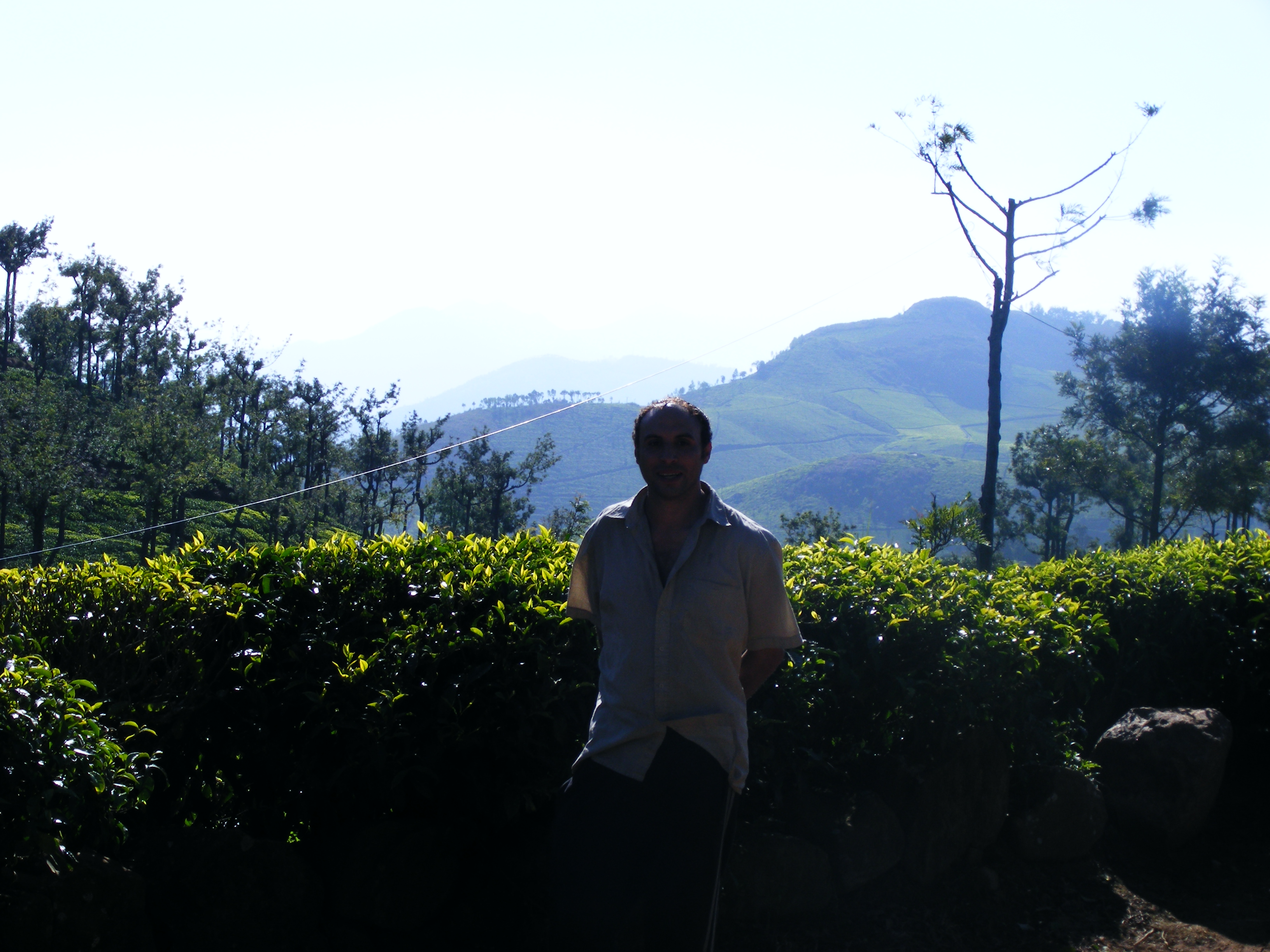
After my wee Friendsathon, I borrow’d Deva’s scooter & rode down to Coonoor to buy the Pudupatthi tickets, a frustrating experience which led to the penning of the following sonnet;
Such heaps of despatch boxes, such mounds of record boxes,
Such vast fabrics of pigeon holes, such abandon of red tape
William Howard Russell
I found myself waiting at this train station,
Not for a train, it was just to buy a ticket,
Not even for that day, but eleven in the future,
The next one available from Cochin to Calicut;
& I´m waiting & I’m waiting & I´m waiting nit-pick longer,
& the guy behind the desk´s on his third guy in an hour
& I was fourth, but the seventh guy´s hand starts waving
His reservation form as the third guy was about to finish;
So, I warned fifth, sixth, & seventh they´d be foolish for linecuttin,’
After all, I’d bin in the sun all day like a mad English dog
& my legs felt like lead & I was definitely, definitely, goin’ next…
So, the third guy finishes, & just as I thrust my form thro’ the window
The fella behind the desk decides he needs the fuckin’ toilet…
Then, when he’d finish’d, the scoundrel closes the window fer lunch!
On the rising of the full moon, & with it being my last night in the Niligris, I went out for a midnight hike in the epic, creaking Eucalyptus forests that climb out of the thick knots of Acacias like ballet dancers rising from the waves. Twenty minutes into my walk a car stopped & this gruff voice asked me where I was going. It turns out the forests are full of wild animals – cheetahs, panthers, charging bison, etc. – & I was sure to become one of the daily ‘incidents’ that plague the area. Suffice it to say I got a lift back to Karanci with them & from that moment on stuck firmly to my room.
Adventures on an Indian Visa (week 9): Transcreation
Day 57
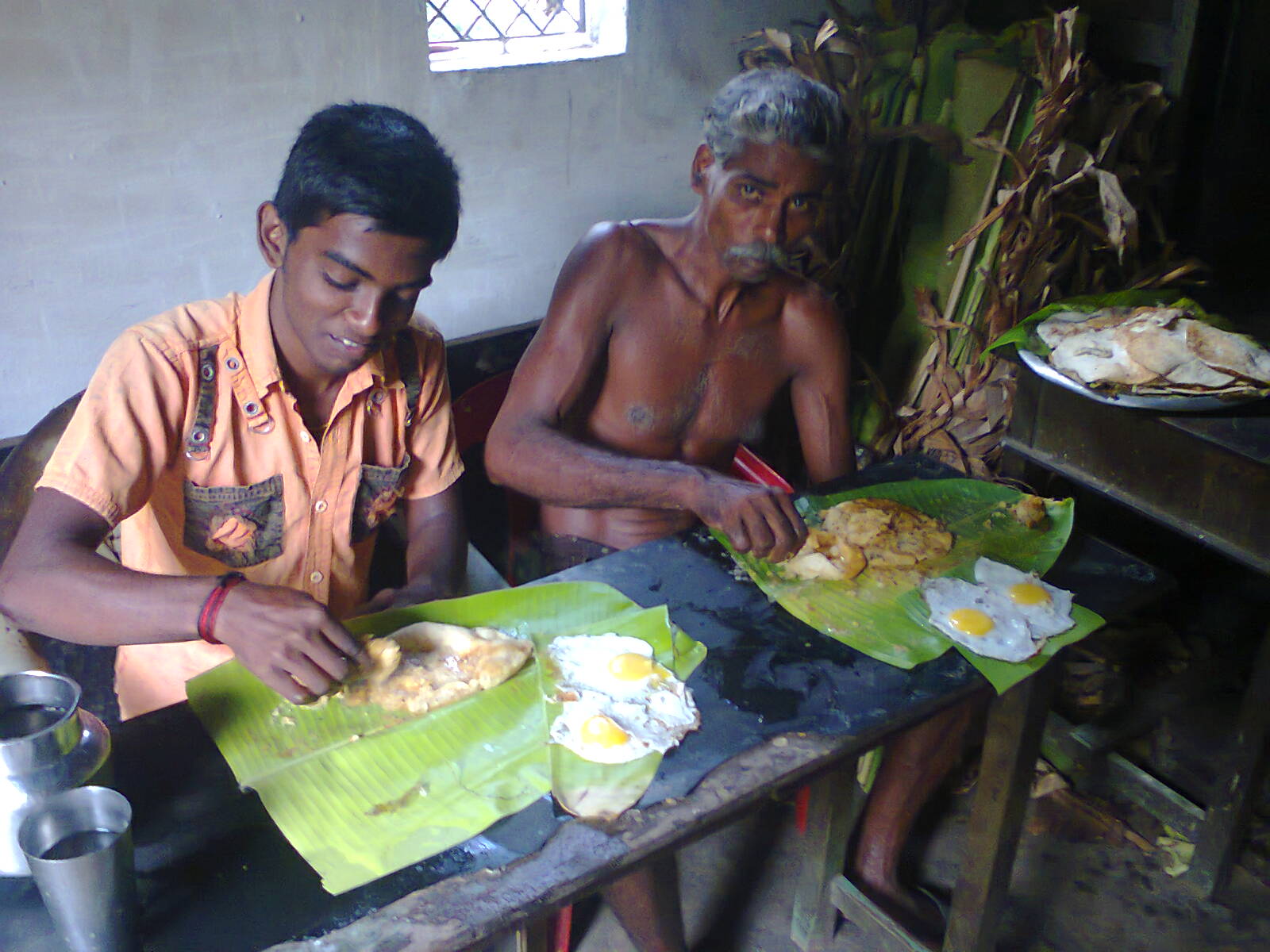
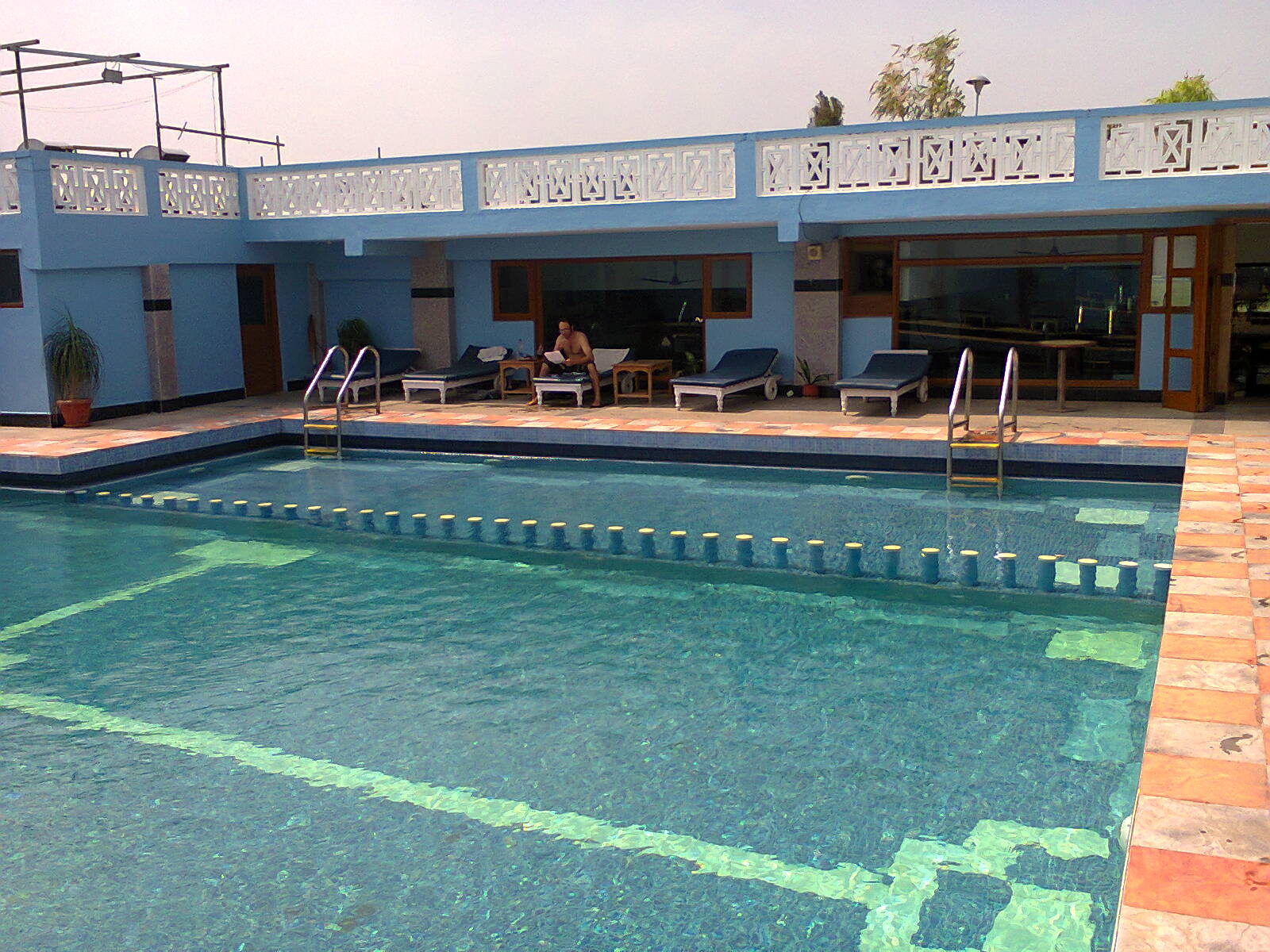
After a refreshing morning’s swim & lunch at a local resort, I left Mamallapuram & bobbl’d slowly into busy Chidambaram. Last week it was still underwater after the cyclone hit, but it has recently resurfaced & looks much the cleaner for it. After a first sweep I didn’t find much on offer in the way of accommodation, & ended up holing up in a pretty shitty room for the night – it looks & smells like it hadn’t been cleaned in years. However, there is a magazine cut-out picture of the Niagara Falls sellotaped to the walls – which I’d never actually seen, so it was kinda worth it. Another slight drawback is having to put up with the constant smell of fried batter rising upwards into my room from the street. It smells just like a chippy, which got me dreaming of a decent chips & curry, but has turn’d out in fact to be a wee crisp factory. I did actually try a fresh bag & they were pretty delicious, to be fair.
On the outskirts of town is the Annamalai University. My intention was to use their library & conduct a deeper delve into Tamil studies & also use it as a base to continue my transcreation of Thirukural. Alas, I have discover’d out that any foreign national wanting to enter even the campus of an Indian university has to have special permission, which takes about three weeks to process. I found this after an afternoon of typical, long-drawn out Indian bureaucracy, which ended up with me waiting to meet the vice-chancellor of the university. I was surrounded by professors & uni types, but that didn’t seem put any cordiality on affairs, as the queue – as all Indian queues do – ended up as a rugby scrum to get to the front. After about two hours of this I thought fuck it, throwing my innate sense of English fairplay out of the window & dived to the front like a buxom fly-half. Ten minutes later, sat in a plush seat in an even plusher room, the portraits of dark-skinned past chancellors staring down at me from the walls, I could feel their burning eyes penetrating into my skull & seeing that my ‘formal’ higher education boiled down to only six months of getting wasted at Barnsley college on a foundation course for a music degree.
After putting my case forward, for all my bravado & the fact I’d had a shave & everything, I was, with all respect, told, in no uncertain terms, to fuck off. My demands to see the chancellor – his boss – were refused, on the grounds that the chancellor represents the whole state, lives in Chennai & only popped in once a year. ‘Get him on the phone,’ I asked – ‘there’s the door.’ he replied. As I walked back through the 900 acre site of the uni, past all the pink building faculties & the vast bladerunner style massive mansion where the vice-wanker-chancellor lives, it seemed like all the students were taking the piss out of me, my academic plans in complete tatters.
Still, you don’t become a poet by not being resourceful – a lack of genuine & constant wages needs to be overcome somehow -, & my non-admittance to the dusty corridors of education proved a lucky break. I decided to seek out the local library, getting there on the back of a probably drunken Tamil guy’s bike. In its depths I discovered a recent version of Thirukural – one that the ancyent, page-molding books of libraries at Tiruvanamali & the University (I checked yesterday) would never have. It’s a very comprehensive, double-tomed 1500 page affair which I now have in my actual possession. I had to leave 500 rupees & my passport with the overhappy librarian, but it’s worth it, for I now have a wicked reference book for this final effort to finish the poem. I’ve got about 475 kural left to do, which I’ll probably finish in a week at my current pace.
Near the library was a nice hotel & I shall move in their tomorrow morning – just in time to a one-dayer between India & England, plus the weekend’s footy. It’s quite comfy actually, & only costs 100 rupees more than the one I’m staying in – a quid ! I’ve also got some interesting news – I’m writing this in an internet café & I’ve just had an email from my mate in London, Charlie, who wants to join me in India. He’s already got a visa & everything & just wants to find the nearest airport to me. So I’ve said Chennai, mate, see you when you get here.
Day 58
I was walking down the road today when it suddenly dawned on me that I’d just seen my millionth moustache in Tamil Nadu. It wasn’t announced with fanfares, streamers & a quick trolley-dash around Woolworths (RIP), it was just my subliminal consciousness kicking in. I mean, man, they’re everywhere; about 99 percent of males have them. This tash-equality makes Tamil Nadu a nice place to wander about in, as opposed to other parts of India where the caste system is clearly visible. Alright, you’ve got your beggars & the street cleaning women, but everyone else seems to be much the same & getting on with life in happy harmony. The state is also very proud of its place in the world. A wee look on the map & you can see that Tamil Nadu is remarkably similar to the Irish landmass – in size, & shape & also, I find, in spirit. This strong sense of patriotic self-identity was born out of repelling the Indo-Aryan invasions 3000 years ago, plus several attempts by the various owners of Delhi to conquer & impose Hindi as the national Indian language. Which of course, they never did – the Tamil language is strong, alive, river-flowing & beautiful.
‘My Tamil is very bad,’ said Ryan Germick, ‘& the sign painter I work’d with didn’t know any English. We mostly communicated through sign language. But we discussed everything from atheism to the nature of art.’ That pretty much nails it in the head really – what a cool, cultur’d people. Anyway, here is the Tamil I have learnt so far, condens’d into a sonnet;
1 Woner = Wanacum (hello)
2 Render = Nan-dray (thanks)
3 Mooner = Yevolovum (how much)
4 Nar-lee =Rumba Soo-aye (very tasty)
5 An-jer = Time Enna (what time is it)
6 Ah-roo = Poy-too-varen (see you later)
7 Air-lee = Oon Pair Enna (what is your name)
8 Eh-ta = Nar England (I am from England)
9 Umbodoo = Nalla –kay (tomorrow)
10 Pa-too = Ama (yes)
11 Padi-nooner = Ill-ai (no)
12 Panander = Nunbar Nan-dray (grazi raggazi)
13 Padi-mooner = Nalamar (how are you)
14 Padi-nar-lee = po-dum (full/enough)
Despite the wonders of the Tamil language, being in Chidambaram means a decent conversation is hard to come by. I was happy then to move into my new hotel today & get my fix of ‘familiar’ culture from the English film channels, the blanket coverage of the Premier League & several newspapers printed in English. The latter costs between 1 & 3 rupees over here, & are pretty comprehensive; from local through national to worldwide news. There are no free dodgy dvds, however, or tabloids – but they do the job. The funniest story I’ve read to date concerns a Bangladeshi film director – Ahsanulla Moni – who has spent 30 million pounds on a lifesize replica of the Taj Mahal near Dhaka, the Bangladeshi capital. It has taken five years to build this second ‘monument to love’ & was opened up a week ago. Few Bengalis can afford the trip to see the real Taj in Agra, so essentially it is a noble venture – but the Indians are up in arms & are hoping to prove there is an international breach of copyright!
Chidambaram basically spreads out for a mile or so in all directions from its centrepiece – the tremendous Nataraja Temple. It was great being there early this morning, when the heat is soft & the colours pastel in the rising light. There is a beautiful green, fish-filled ghat there, where brahmin & babas wash themselves (& brush their teeth in the same water) & I spent a couple of hours there in the morning sun doing my kural. Etched into marble plates all around the ghat are examples of Tamil poetry – in that beautiful script of theirs. I’m already raiding it for future poetic forms & it seems a perfect place to work on the task at hand.
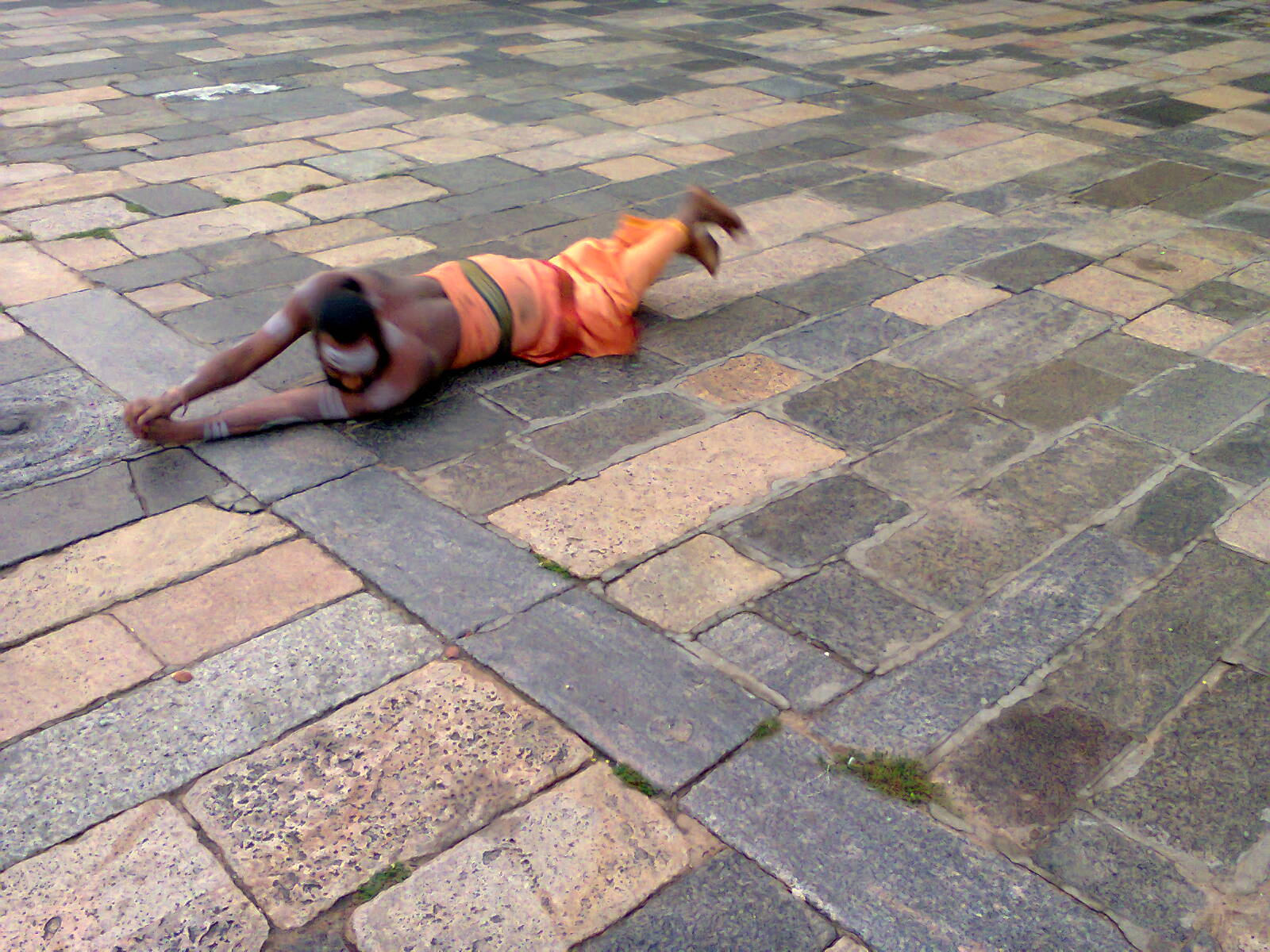
The temple is run by these white robed brahmin who tie their hair back & scrunch a little bit of it into buns. Their ancient ancestors were sent there by King Hiranyavarman, whose leprosy was healed in the natural spring-waters of the ghat. These days they are running the temple as a private enterprise. I observed one of their ‘do’s, a procession along the roads that form a 2-mile square lap around the temple. It was led by some guys picking up stones. Twenty feet behind, a semi-naked baba was playing roly-poly the whole length of the circuit. Behind him were a few male dignitaries, a guy holding a psychedelic umbrella, & behind him were about 300 chanting women holding plant-pots with strange phallic orchids in them representing lingams.
The town itself is built on a flat plain, & most of the streets have this samey-samey lower-middle class kinda vibe. Much more interesting are the poorer parts of town, where life mingles with the rubbish & livestock like a forgotten pan of boiling chi. Every fifty paces or so you’ll find this game called Kunder, where men of all ages gather & furiously exchange wads of rupee notes. First off two small marbles are thrown into a square in the ground, which has several indents for the holes to settle in. Then a big marble is thrown in an effort to hit them. I’m not sure of the rules, & essentially it’s all bit dull, but the guys get very excited indeed. Also in the poorer suburbs is a temple dedicated to Kali. The image of her killing men with a belt of ten shrunken heads already scared the wits out of me, especially in my dreams, – but I have now seen her atop a temple, clutching the intestines of some poor, naked girl. Quite disturbing, & the Indians worship this stuff!
Another email from Charlie today. He’s bought his ticket & is apparently on the run from practically half of South London. Seeing as I’m on the run from the Scottish winter, an extended trip to these sunnier climes seems the right thing for the both of us right now. Besides, he’s an old pal, so it should be an interesting addition to my – our – first ever tour of India. Charlie’s about 50 years old, much older than me. I’d met him in London, but he’s actually from Clitheroe, t’other side o’ th’ill (Pendle) from Burnley. We’re both Burnley fans & Charlie was a decent play in his youth, getting a headline of ‘Two Goals Charlie’ after a stunning debut for Clitheroe FC in the 70s.
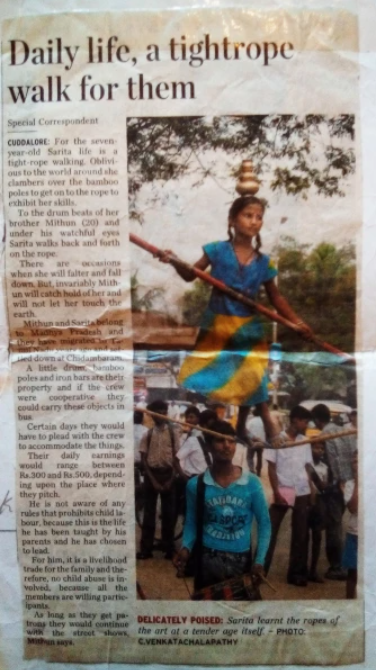
Back in Tamil Nadu, the trapeze-balancing-girl-act is in Chidambaram. I’d caught half of her act – to the rhythm of her mum & brothers drumming – in Thiruvanamali, & today caught the rest. Not only does she balance a pot on her head, but she does it while walking along in the spokeless metal inside of a bicycle wheel. Her other feat is to crawl along the wire on her knees in a handleless frying pan. Amazing stuff, enough to warrant a piece in the Delhi Chronicle in fact. It turns out Chidambaram is where the troupe live & they are quite famous around the state.
I’ve also scored! Well, it’s a bit weird really. My hotel is building a new bar at the moment (noisy as fuck). There’s a gang of builders – men & women – & one of the builder girls takes time out from balancing bricks on her head to propose marriage to me. She’s quite sweet really, with brilliant white teeth, oaken eyes & dripping in bling, but I think, ultimately, it’s not really gonna work out. Talking of the hotel, there’s a wee lad there, about 11 I think, who’s basically used as child labour. He never goes to school, works all day & sleeps in the hotel foyer floor, with just a single sheet & a pillow – not a playstation in sight. Apparently, his parents were too poor to keep him, so the hotel ‘saved him’ with a roof, 25 rupees a day (which he sends to his parents), & gets his food in the restaurant downstairs. At first I was shocked, comparing his life to the gift-happy kids of the west. But after some reflection I remember’d some of the states of sheer poverty I have seen in India, & this kid’s got such a friendly demeanour & massive smile, that I cannot help thinking this is probably a good place for him to be right now. Anyway, I’ve been spoiling him like mad – sweets & bananas – & I’m gonna slip him a couple of hundred rupees before I go.
Day 59
Today I went on a little mission 15 kilometers away to Pitchivaram. I set off early doors & hit the bus station, getting on a quietish bus. That is until an argument broke out & this women with red teeth began shrieking like a banshee, arguing with some geezer & then the rest of the bus. As we finally set off, I thought great, a nice, uncramped journey. Then the bus stopped &, like, a thousand people got on. Finally, we set off again & soon broke from the town among level paddy fields that stretch’d for miles. India’s rice! On the way I was reading thro a copy of John Donne’s poetry I’d brought with me, in whose Third Elegie I found the perfect line to encourage international travel.
To live in one land, is captivitie
A few villages later, where humans mingl’d with herds of goats & flower-tipp’d lotus-stalks, with the bus steadily emptying en route, I found myself at Pitchivaram with this Italian guy. The place nestles about 2 kilometers from the sea-mouth of a river, the tide sending small waves rippling past, where fisherman ply their trade & graveyards of shrimp dry in the sun. The Italian was a 40-year-old ganja-growing dude from Venice; a bit mad, but pretty cool, & we hit it off straight away. We agreed to take a boat together & were soon being rowed through these beautiful mangroves on a two-hour journey by this guy half my size.
Mangroves are cool; clusters of brown sticks jutting from the dull, green waters & flush with rhododendron-style leaves. On occasions our boatman took us through thicker parts, where the mangroves met arch-like above us, & we were forced to dodge the hanging branches. The ‘circuit’ was funny as fuck as the guy kept asking for money – I swear down I’ve been totally outcheek’d by the cheeky fucker – he was a real pro. Taking a break from the Kural, it seemed an appropriate place to do it, among the silence & solitude of these tranquil waters. That is, until our boatman decided to scream his head off – which nearly sent me into the waters –, all so he could disturb a flock of two hundred heronesque birds from the waters. It was an amazing sight, as up until then we’d seen just one lone sea-eagle hovering on the breeze. Where once had been just green foliage, now these cocu birds were pirouetting magnificently above us. Back at shore, me & the Italian guy bought the boatman lunch; on the finishing of which he asked for a fuckin’ omelette – unbelievable, but very loveable. The whole experience had been genuinely beautiful, from the boatman’s Tamil songs to my speaking Italian, which to my surprise was actually understood.
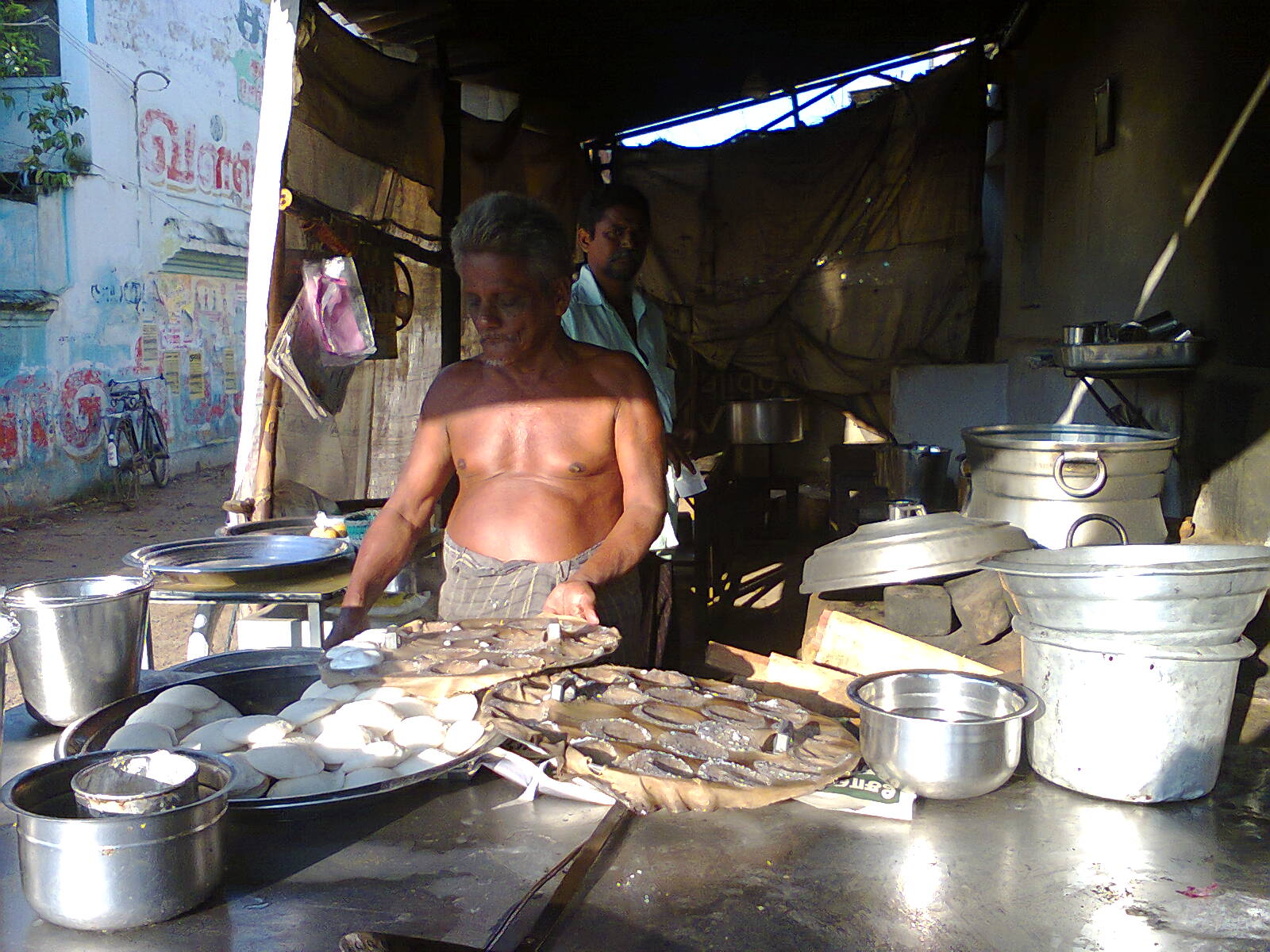
Day 60
I have almost finish’d the Kural. It’s been amazing actually, a proper academic endeavour. I plan to transcreate the final stanzas at a place call’d Ramashwaram, from where the Monkey King Haruman on his way to battle the demon-king Ravana, threw the rocks that form’d the Adam’s Bridge stringing archipelago to Sri Lanka. A suitably poetical place to conclude my compositions, I believe.
My last full day in Chidambaram began with a wee Tamil lesson with the hotel owner. This was overheard by some residents, who joined in, correcting my bad Burnley accent. It turns out they were at the hotel, building a scenic little waterfall for the new bar that is being built, which needed a different, more powerful motor to run the pump. Their man in Chennai was meeting them half-way at Pondicherry, & I was invited along for the ride. They were nice guys, all fluent in English & up for the crack. The conversation was entertaining, resulting in two very interesting facts; the temple at Thanjavur never gives off shadow & the Tamil police are the third best in the world for catching criminals – with the Scottish police being the best, apparently. I told them one visit to Glasgow would dispel this urban myth. We also discussed nuclear geopolitics, & I was shocked to hear how savagely they thought about Pakistan. Apparently, if war breaks out, Pakistan will be obliterated, with only Delhi, Calcutta & Mumbai (plus most of north India) receiving the same medicine – leaving Chennai as the future capital of India. They cheered at this.
There was a funny incident on the way up to Pondy, starting with slamming into a traffic jam. The car ahead of us had number plates reading TN 07 AW 6646, which made the lads laugh, as their plates read TN 07 AW 6466. Ahead, there were about fifty women staging a sit-down protest, hoping to get the 2000 rupees per family the government had promised all those affected by the recent cyclones. I felt sorry for the poor police-guy in the centre of the maelstrom, nervously fumbling with his phone as both screaming women & yelling driver did his head in. I watched the spectacle from a roadside cafe until, after about half an hour so, certain promises had been extracted, & we were back on the road. We hit Pondy an hour or so later, which involved picking up their mate, stocking up on the cheap booze & buying some illegal but expensive pieces of rock for the waterfall. I also got a wee, guided drive about Pondy, policed by Indian ‘gendarmes’ & their very stupid red hats. Once more, & to my delight, I noticed Old Pondicherry very clean & whitewash’d grid of European streets, a far cry from the ramshackle chaos of most of India, & all wash’d by the Bay of Bengal & glowing brilliantly in the sun.
The drive back to Chidambaram saw me tucking into my first beers in ages, which led to me drinking most of my stash, making a total fool of myself with all & sundry, & falling into a heap on my bed about 10PM.
Day 61
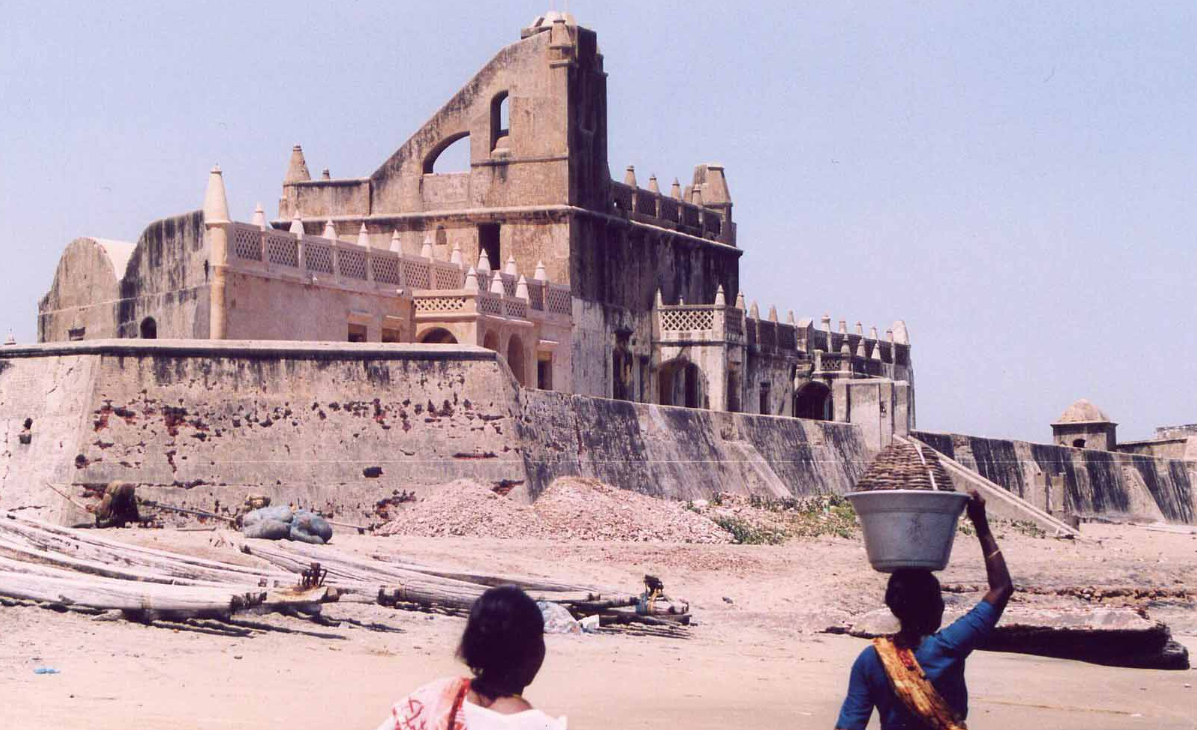
This morning, in the faint pre-dawn, I woke up suddenly sober like the adrenalin-injected Uma Thurman in Pulp Fiction. It was time to hit the road, but before I did, I went to the hotel kitchen & watched the bare-chested cooks prepare breakfast, taking copious notes as they did so. The kitchen walls had oily muck ingrain’d into them, & one in particular had a legion of rather big ants moving about. The utensils were quite clean, tho,’ from the old geezer chopping massive amounts of veg on the floor, to the giant pans of the coal ovens. I watched them make the potato-stew that I’d been having with my poori – a bready kinda thing –, which I’ve grown extremely fond of. My trip to the kitchens was then made complete by a portion of said poori & stew, fresh from the pan.
A few minutes later I was catching the bus out of town, trundling south through a gorgeous watery landscape; those flowering lotus pools, endless rivers, canals & rivulets that form the cosmically beautiful Carvery delta. The vegetation of this hill-less plain was lush; a tropical blending of palm trees, coconut boles & European style trees. First port of call, about 50k to the south, was the idyllic little town of Tranquebar. After the bus dropped me off on the main road, I made my entry through an impressive gateway full of the carved regalia of the Danish nation. Tranquebar was the only Danish colony in India, perch’d by the sea & perfectly poised to access the spices of both India & beyond. The Danes built a very fine settlement here, like a mini Pondicherry, which is famous for this German protestant preacher, Bartholomaus Zeigenbalag who translated the New Testament into Tamil & introduc’d the printing press to India. With my work on the Kural, I kinda felt a connection with him as I stood over his gold-gilded tomb on the floor of the local church.
I also got chatting to some fishermen, who gave me a proper sound of account of losing everything in the 2004 tsunami which struck the Indian Ocean, a conversation taht led to me penning the following sonnet.
TSU-NA-MI
Remember the host of the ghostly battalion
Imagine them drown’d in a growling sea
Beach-huts for driftwood, corpses for carrion
O sing a sad song for the TSU-NA-MI
Remember them fleeing the huge walls of water
That snapped them & tossed them & made bloody piles
The aftermath pale, she search’d for her daughter
A sad scene repeated some three thousand miles
Remember the mood in the days after Christmas
When so many strangers shall shun the new year
A new, doleful sound when the river grows restless
As so many tears crystallize a new fear
From Asia to Africa surged the wild sea
O sing a sad song for the TSU-NA-MI
Tranquebar a very cool fort. While waiting for it to open, I entertained myself with a game of cricket on the hard, flat ground outside the fort that was formerly used for military parades. It was a great game, a five-a-side affair, where I all the smaller lads went on my team. I was made captain & on losing the toss was asked to bowl. It was a five-over innings, with every player getting a bowl. Moving my fielders about like Napoleon we managed to get them all out in the 4th over – setting a score of 25 to win. As I didn’t bowl, I opted to open the batting, & come the last over we were 21 / 2. I’d scored a few good hits & slid half-way down the track on one occasion to avoid a run out (luckily there was no instant replay). Three balls into the last over I hit the winning runs, & me & my young uns were crowned the inaugural champs of the Damo-Tranquebar cup.
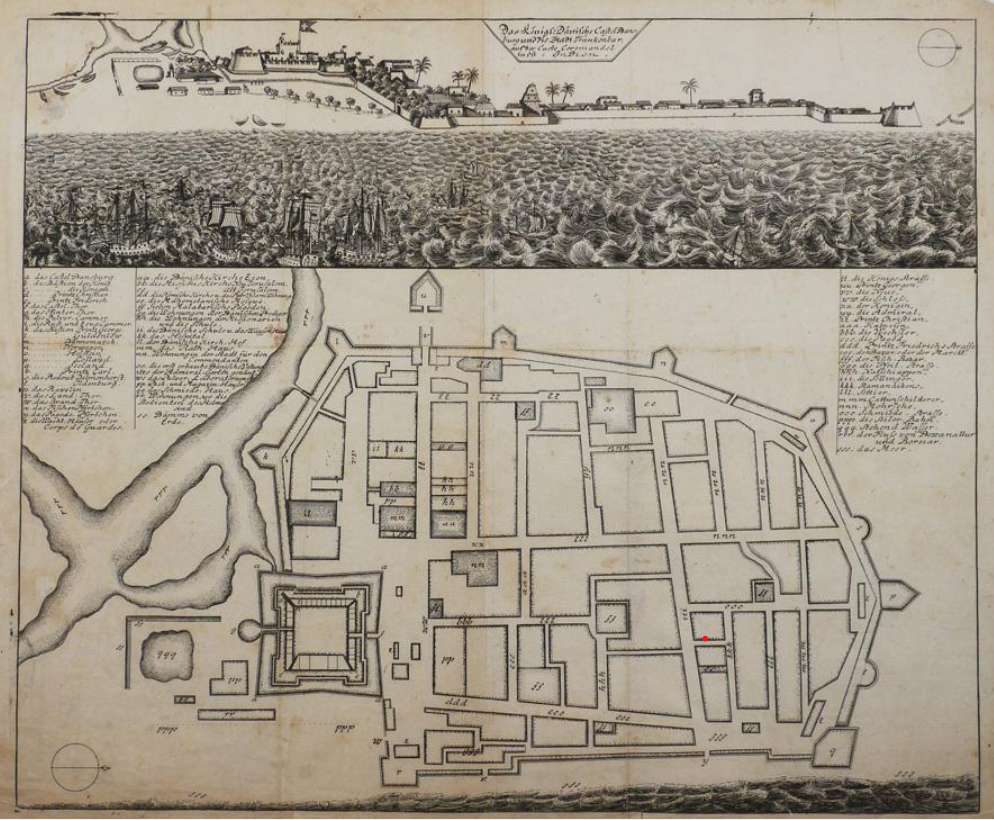
After the cricket, & the cursory look round the antiquities of the fort’s museum, I left town, getting a round of applause from the kids as I did so! Waiting at the bus stop I saw a quite disgusting sight. This manky bearded beggar, with eyes as big as saucers, was led horizontal, his hands down his crotch & a literally foot long, inch-thick column of green snot hanging from his left nostril. Then the bus thankfully arriv’d & took me to Kumbakonam – where I‘ve taken a room – an hour-long journey made interesting by one of the Thirukural on a plaque at the front of the bus. ‘While visiting the villages around here,’ said GU Pope, ‘that enthusiasm for the great Tamil poet was first kindled which has been an important factor in my life,’ & in the moden age nothing much has chang’d. Seeing a Kural on the bus re-affirmed my decision to poeslate the Kural in the very land of their birth. I could have technically done it at home, but I would never get on the X6 Dunbar-Edinburgh route & have Thiruvallavar staring down at me telling me to hurry up & get the fucker finished.
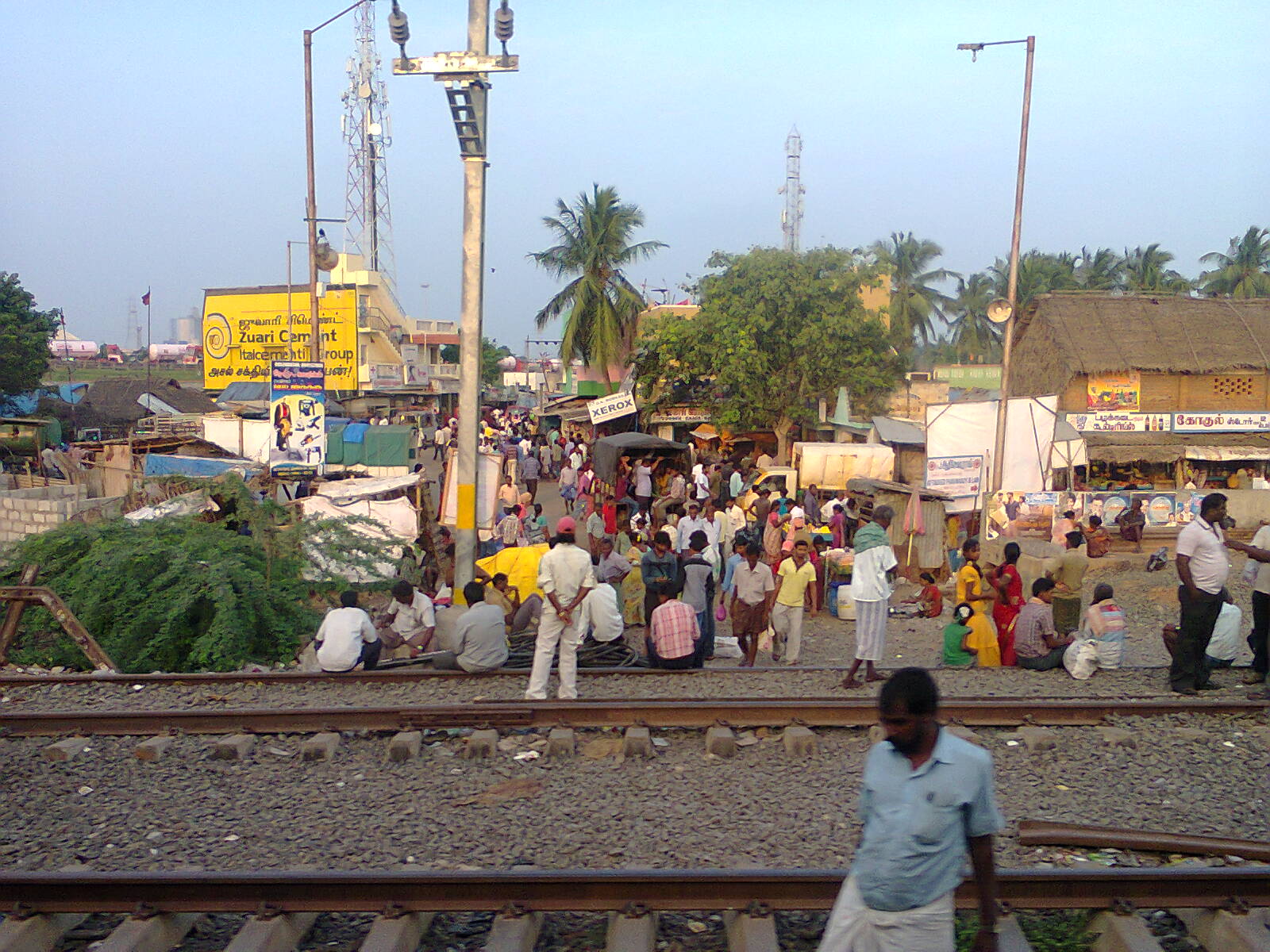
Day 62
I’m currently waiting in a Kumbakoram internet café for a train ticket. The place is nice enough, a bit of a temple town, with its 12 Gopuras (temple gates) rising above the rooftops. These are very softly painted; half-way between the pure white of Thiruvanamali & the intricate artistry of Chidambaram gopuras. The rest of town, carv’d in half by the river Carvery, is full of hospitals & this wicked bright-pink Catholic cathedral, testament to the multi-layered religions that make up the bedrock of Indian faith.
So, to the ticket I’m waiting for – from Trichy to Ramashwaram tonight. I’ve just got a few Kural left & a plan’s a plan. I’m gonna finish them down there. So, after queuing up for an hour, I was given a ‘waiting list’ confirmation ticket which I had to ratify with the station manager – who wasn’t around yet. Apparently, every train has its ‘foreign’ quota & this needed to be checked out. Another couple of hours to-ing & froing between the station & my hotel, to the constant chime of ‘wait ten minutes,’ there was still no sign of the station manager. Then someone had the bright idea of getting me on the ’emergency quota’ list, which every train has. This (eventually) led me to being given a fax number, on which I waited at the front desk again for another half an hour before being told I had to use the fax outside the station. Or I could ‘wait ten minutes’ & the station manager might come. That was the last straw & I’ve come here basically to unload!
I am now in Trichy, & am waiting for my train to Ramashwaram. Back in Kumbakonam, the station manager eventually told me he couldn’t help me in my quest, & I had to do it at Trichy station. So, I set off on a bus to Trichirapalli, or Trichy for short. En route I spent a couple of hours in Thanjavur, dawdling along with my rucksack about the big sandstone affair that was the capital of the great Chola empire. I especially enjoying the Sawaswati Mahal library in the royal compound. It had many fine manuscripts & images of India, including a 500-year-old miniature comic-step style rendition of the Ramayana. A magnifying glass was provided to examine the fine detail & it indeed was amazingly fine. Also on display was a wicked palanquin – a kind of rickshaw without wheels that lower caste Indians carried Rajput princes & British Colonels wives in – plus some palm leaf manuscripts. Imagine a long, rush-type leaf… well this is what south Indians once used as paper, with books & legal edicts being scrawled left to right along the long length of the leaf. It was in this form that the Kural of Thiruvallavar was first ever cast.
On reaching Trichy, the biggest city I’d seen since Mumbai, complete with western-style high street, I yet again tried to get my ticket confirmed… only to be told to come back two hours later. Two hours later, however, to a big WHOOPEEE! from me that froze the ticket office in its tracks, I was confirmed to go. Lancastrian determination pays again, however mad the scheme! Leaving my stuff in the railway’s left luggage locker, I hit the city, made special by the ‘Rock Fort’ that juts above the rooves on the now familiar red volcanic stone. The view from the top was stunning, especially as I’d timed it just right for sunset. I was stood in the middle of a plain, with not another hill or height in sight. On one side lay the Carvery river; dark narrow channels ribboning through great swathes of sand; on the other lay the city of Trichy & its hypnotizing sea of pastel houses & rooves. A fine, fine sight on my last sunset before completing the Kural (I hope).
Day 63
Night fell, & a few hours of pottering later I was in my sleeper carriage trundling south to Ramashwaram. I reached there before dawn (05.15), the station’s foyer thick with sleeping families. Then began an increasingly desperate two hour tour of every hotel & lodge on the island. I felt a bit like Joseph & Mary in Bethlehem on Xmas Eve as I was refused on every occasion – the whole place was full & would be for the foreseeable future. Apparently half of Gujurat (a state in northern India) were here for their religious holidays, rather like when Burnley invaded Blackpool in the Wakes Weeks of yore. The beach was packed with acolytes – even at 7.30 AM – the ‘promenade’ full of coaches & young lads whooping with delight as they splash’d in the sea. For me, alas, it was time to go, putting my plans of concluding the Kural here right out of joint.
I was forced to settle for a bus ride back north, sweeping me over a sunlit, 2k long bridge, rising high over a fisherboat-infested sea. 60k to the north lay Ramanathapuram, where my intention was to stay there & take at least a day trip to Ramashwaram. Unfortunately, the other half of Gujurat had had the same idea, who’d booked up every room here months in advance & used the fleet of buses that I’d seen by Ramashwaram beach to take them there. ‘Fer fucks sake,’ I thought, & after a quick breakfast jumped on yet another bus back to Madurai, 114 k to the north – & it was still only 8AM. On the way, I reflected awhile & realised it was actually an appropriate place to complete the Kural. I was coming full circle, for it was on a quiet lane in a bookshop there that I’d first pick’d up my original copy of the now well-thumb’d, superscrawly Thirukural.
I booked into a wicked, proper hotel – the best so far – & spent the day finishing off the Kural, with the final few being done in the temple. I’d found a wee shrine in it away from the thousands of Indians & Westerners that were channelling about the excellently carv’d, dragontopped pillars that supported this vast place. I went to work in my own quiet little nook & cranny, to the babble of human voices & jazz-like sax-strains of an Indian trumpet. By me were six 2-foot tall black statues of gods, each sporting a ‘skirt’ & a garland of yellow flowers. On one wall was a giant painting of the green-skinned Vishnu, & above me a series of portraits of famous Tamil saints. It was a lovely wee moment, filling me with a twist of spiritual ecstasy as I walked outside into the skintingling sunshine. I’m not religious, like, but the fact I was finishing the divine Tamil text in one of the holiest temples in India was not lost on me. This would be an appropriate time to fashion a ‘garland’ of quotations about the Kural which I’ve been storing up for the appropriate moment, which appears to be now.
The god Brahma, hiding his own true form, was born into the world as Valluvar, who took the three categories of the Vedas Virtue, Wealth and “Bliss and expressed them in the form of the Kural; therefore let my head worship this book, let my mouth praise it, let my mind ponder on it and let my ears listen to it.
The Holy Kural may well be the meeting ground, the common ground, of all religions.
EV Daniel
I wanted to learn Tamil, only to enable me to study Valluvar’s Thirukkural through his mother tongue itself
Mahatma Ghandi
The Kural is a semi-perforated mustard seed, into which the poet has poured the contents of the seven seas.
Idaikkadar
Thirukkural is as clear as an unpolluted spring. Yes! Thirukkural, the unique book, has come to remove the impurities of this world.
GU Pope
So, how do I feel on completing the Kural. Well, one bonus of being a fluent speaker of English was having the relative freedom of Tamil Nadu, where my native tongue is widely spoken in the wake of the imperial Raj. I was able to both converse with educated Tamils on the nature of the Kural & make travel arrangements between their widely scattered libraries. Once cloister’d within these dusty halls of academe, stuffed with books in both Tamil & English, I discovered many good translations of the Kural which would assist me in my task; including those of PS Sundaram, VR Ramachandra Dikshitar, FW Ellis, VVS Aiyer, Suddhananda Bharati & Kasthuri Srinivasan. Journeying thro’ the Kural was, on so many levels, the greatest of pleasures I have undertaken. For any future poet who might be reading my journals, during your period of training it is almost a necessity to travel foreign lands in the manner of Indiana Jones in search of obscure yet beautiful poetical texts. Such adventures shall enrich the spirit of the poet in you, & through a proper transcreation of an exotic text, the literary culture of your own, native land.
On the way back to my hotel after completing the Kural, I found the wee bookshop where I originally found the poem, excitedly babbling out my story to the surprised guys there. Then, after a wee kip at my hotel, I went to the rooftop terrace & read my own version of the Kural. The evening was lovely, warm yet crisp, up high on the 7th floor. Madurai revolved all around me & as the street sounds rose insatiably my soul lifted the highest its ever risen. With my task finally finish’d, the deep red sun was setting between two hills to the west, where Kodaikanal presumably lies, my next port of call on my circuit of Tamil Nadu. I’ve got a week until Charlie gets to Chennai, so I’ll do a bit more touring & edit the Kural as I go, maybe dish a copy out to a publisher in the state capital…
Adventures on an Indian Visa (week 8): Thiruvannamalai

Day 50
Thiruvanamalai is definitely a massive mosquitoes nest, & their bites are itchy as fuck. One cannot stay under one’s mosquito net forever & I’ve thus far endured two days & nights of warfare, being bit a lot & in return splattering them (& my blood inside them) all round my room’s walls. Their corpses have attracted the ants who have been streaming into the room like vultures & polishing them off one by one.
Today I walk’d to my studies exactly like yesterday, & I expect like every morning & afternoon to come while I’m here. I begin by passing herds of immaculately uniformed schoolkids & guys wobbling about on bikes laden with steaming chambers of chi. Next comes these massive decorated festival carts with wheels as big as two men; well, what I really mean are two western men – apart from some geezers down the ashram I’m the tallest man in town, which is kinda weird.
I then pass the great temple, whose four god-carved gates tower over the town; then the busy markets, before walking down a poor village type road, full of rubbish, chickens & bricks – it’s got that industrial-age, Burnley feel, where everyone kind of lived in the street. Then comes a glorious ghat (reservoir), whose green water is dazzlingly pleasant on the eye. Beside this is a middle-class suburb, lots of one floor villas with rooftop terraces overlooking the ghat. These have name boards hung proudly on the outside, for example one was a health educator & another was the sub-inspector for the local police force. After this comes the ashram area, where westerners flock & chill out, spending a lot more money on their generally inferior food. I mean, I’ve been eating wickedly & struggling to spend more than three pounds a day on food. The walk has inspir’d the following sonnet;
There is a town the Tamils hold
As holy as a brahmin
Where spicy shops in lanes unfold
& sundry sweets in streets are sold
Where food-stalls vie, both hot & cold
With carts of local farmin’
Now with your hunger satisfied
Stroll through the buzz & bustle
Bus, bike & rickshaw dust roads glide
With shop-on-shop perch’d by their side
As with a cry bull-whips applied
To oxen of pure muscle
From country quietude an artist flew
Now drown’d in life, downtown Tamil Nadu
On my afternoon walk back from the library – I go in twice a day – I sampled the wears of a fried fish stall; very delicious but too many bones. More palatable have been the samosas & the bananas, which you buy in bunches of ten from gypsy-type women in the street. These in turn come from the banana wholesalers, where bunches of up to a hundred green bananas cling to a bamboo style stalk. The leaves have been stripped off by now & even these are sold off in the street to guys from the restaurants – that’s in the street remember, & I’ve gotta eat off ‘em. Other food you can buy on the street-carts include apples, oranges, grapes, banana fritters, peanuts, ready-to-eat corn-on-the-cobs & fresh coconuts, which they crack the top off for you so you can drink the milk with a straw, then crack in half so you can eat the creamy flesh inside.
A most interesting sight today was a circus-like spectacle of an eight-year-old girl balancing on a rope about my head high. While her dad was selling popcorn; her mum knocking out some funky rhythms on a metal pan; & her older brother slapping out a bass beat on a djembe, the girls legs wiggl;d left & right like a supersonic pendulum. Then, she did all that again, but this time balancing a pot on her head!
Day 51
I discover’d today that the word mulligatawny, of soup fame, comes from joining two Tamil words together – molagu & tunni – which mean pepper & water. Proper cool, as has been the weather a tad recently. For the Lancastrian in me, the weather’s been great, a bit quite cloudy & rainy, with the top of Aranuchala often obscure by mist – tho’ warm enough to sleep naked. I’m not a big sun-lover, so a bit of respite from the heat is wicked.
Thiruvanamalai is certainly not a redneck place, quite affluent really, gaining an element of prosperity perhaps from the influx of pilgrims. The place is full of pedestrians & bikes – both pedal-power’d & petrol – all mingling with the Tamil animals. These constitute don’t-give-a-shit-Cows nuzzling through the roadside rubbish tips or planting themselves in the centre of the busiest roads; abandoned puppies & the same pack of dog everywhere; grotesque rats & deformed ponies; giant horn-twisted oxen trotting through the streets hauling produce-laden carts; cats, bats & packs of monkeys haunting the rooftops. I chucked a Paul-Daniels-faced monkey a banana the other day & chuckled to myself as his little hands unpeeled it – just like a human!
There are quite a few orange-clad babas hanging about the ashram, whom I have also discovered – on one of my side-street walks – are in fact unscrupulous rogues. I saw a couple of them eagerly emptying their metal carry-tins of cash – loads of it – with a lot more vigour than their semi-pathetic attempts to get some rupees out of you. They were huddled together far from the eyes of the more gullible westerner, dishing out loads of rupees & swigging back a very large bottle of whiskey.
Eating out is a bit weird; you are attended on hand & foot, with refills for food & water arriving from a team of waiters. This state of affairs, coupled with my cleaner boys at the hotel, is perfectly satisfying my colonial pretensions – all I need now is a tiger hunting blunderbuss & a bridge club. The maddest thing I’ve seen was a sleight of hand con guy, who had set up a little shrine & had two snakes & a rodent & just kept chatting non-stop & banging this little drum as he did his ‘magic’. I was quite enthralled, as were the Indians, but the point to it all was beyond me.
All the shops are the same size, & everyone is a specialist. There’s shops which contain only penny sweet jars, coconut warehouses, spice merchants with multicoloured sacks, pharmacists, clinics, speaker shops, bookshops, 20 rupee an hour internet places, garland makers with bright fluffy flowers, tailors sat sewing to the world, the most delicious looking cakes you’ve ever seen (with complementary chewy fly), busy barbers, banks, mobile phone shops, modern looking shoe shops & guys sat in the street surrounded by old flip-flops cleaning & repairing peoples footwear (one of these guys fixed my hat)… & even an interior decorators. There’s also the chicken marts, which are a real sad thing to see. Proud cocks & white hens stuck together in cramped cages, watching agitatedly as one-by-one they get the chop right in front of their sad little eyes.
I noticed the fashion sense of the Tamils – & realised it’s not very varied at all. All the women wear saris & the men have only four possible combinations of outfits – either a pair of trousers or this kilt thing to cover the legs, with either a short sleeved or long sleeved cotton shirt (in stripes or checks, so I guess that six combos). The flip-flop is the footwear of choice, though about a third of the folk go about barefoot. They hardly ever use the paths & invariably compete with road space with everything else… mainly because the paths run over stinking sewers & are full of holes. Most of the roads themselves have strange delusions of concrete, but these are basically under a pile of crud, which during the recent rains has turned to ghostbuster goo.
Tonight’s been a bit crazy in town – the leader of Tamil Nadu – of the DMK party – has just turned up & the centre has been bedecked with banana trees, light statues & a hell of a load of Belgium flags. Apparently, it’s the flag of the DMK, but just like Belgium, the rally was pretty boring, so I didn’t stay for long. The guy on the mike sounded just like the rapid-fire, one at Wigton Cattle auction, but a bit slower & more high pitch’d, whose voice is still buzzing round my brain as I’m typing this is in bed.
Day 52
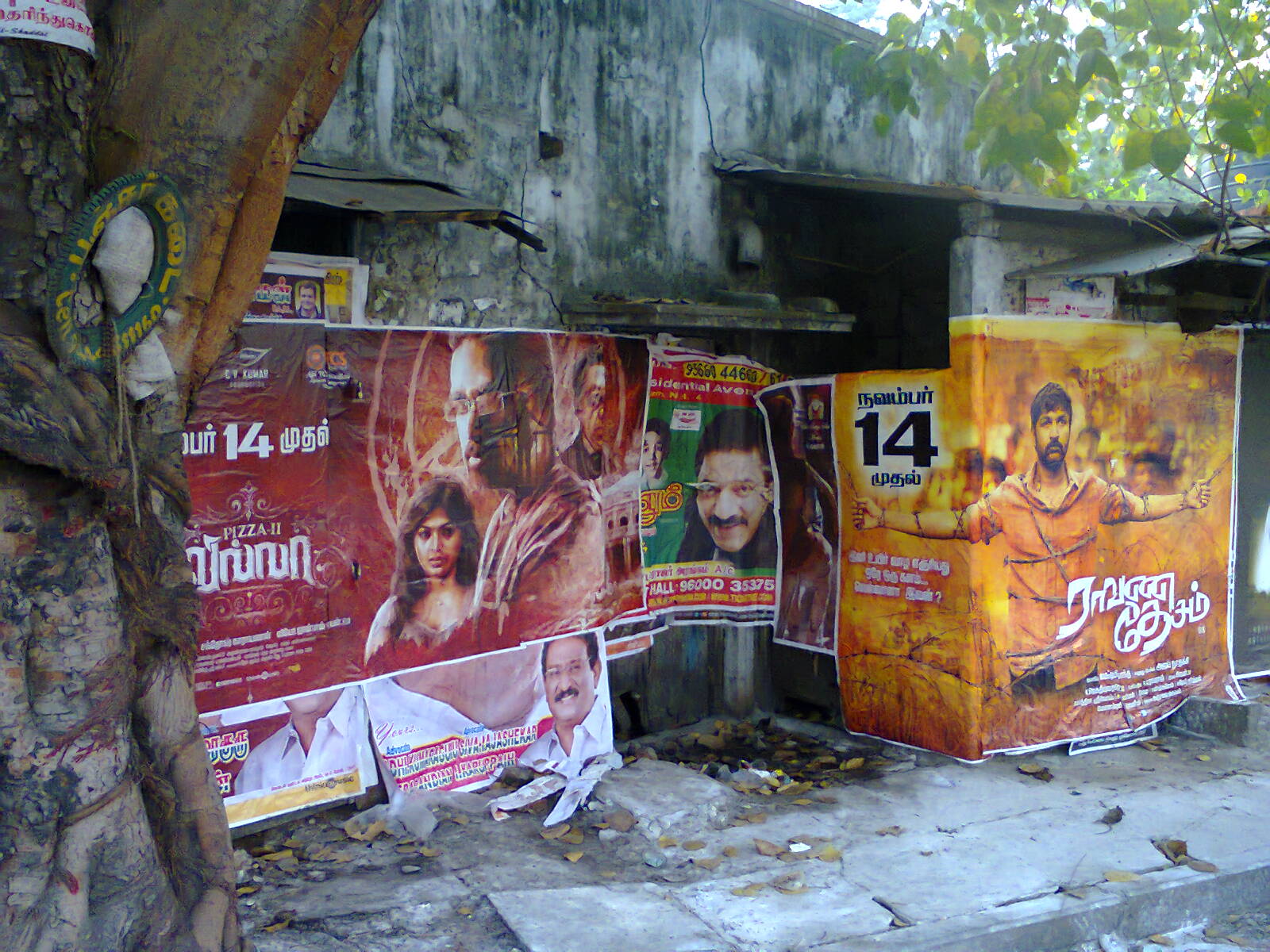
Today I decided to climb Arunachala. Waking at six, my ascent began in light drizzle, which follow’d a series of arrows & religious graffiti painted on the scattered boulders, all pointing upwards. As I climbed, the view of the town & surrounding area began to increase. Thiruvannamalai is not as big as I thought, & shaped like a dolphin’s fin protruding from the southern flank of the sacred peak. Beyond it lies a flat, nameless plain – very green – with a range of hills about 10 miles away or so.
After about an hour I reached the summit – a pleasant sensation made even more so by an encounter with the local guru. He is 30 – an orphan – & has been living in a shack just off the summit for ten years – 10 fuckin years meditating & shit. He’s the guy who’s painted all the graffiti at the summit – including one funny one indeed… his own fuckin’ web address. Talk about 21st century asceticism. He even has a mobile phone – there’s no reception on the top of the mountain however, but I’ve got his number if I ever need to meditate with him. He was a nice guy & gave me a glass of chi & taught me a little Tamil. If I make it back up, I’ve promised to bring him some tea & brown sugar.
The descent was delightful, passing through a little corner of the world that the gods promised the dragonflies. After musing on the possibility of anyone being eaten alive by dragonflies, & coming to the conclusion that they properly hadn’t, I paused for a while. About a hundred of them were buzzing around me, with some of the braver ones coming almost to my nose & hovering with their four delicate wings for a few moments, before darting off awhile. Further down the flanks of Arunachala I came across the two caves that Sri Ramana had lived in at the turn of the century. He’d been doing a similar thing to the guy at the top of the mountain, basically meditating for years. I guess that after a enough people turned up & gave him 50 rupees (like I’d just done), he steadily went about improving his living quarters. He first built a house around his original cave – where devotees still sit in silent candlelight to this day – then he moved to another cave higher up the slopes & built a villa around it. His final port of call – for 27 years – was the ashram at the bottom of the hill.
The Sri Ramana Ashram is quite a funny place – full of meditating souls, Asian & Western, with everyone leaving shoes at the door of what is quite a large temple complex. I witnessed quite a spectacle while I was there, sat cross-legged on a marble floor before the shrine where Ramana’s body is buried. A few brahmin – men & boys – were sat down singing with deep intonation some Vedic hymn like the drone of a Miltonic canto. It took the form of a question & answer thing, the acoustics of the room echoing their voices even further, & while they sang a few devotees wailed ceremoniously round the shrine. To me it was rather like a Lenard Cohen single played at 33. I even joined in for a couple of circuits, the music sending vibrations through my chest – but just before the Stepford Wives & their spiritual tupperware party began to somehow persuade my spirit to give my brand new sandals away & move into a cave. Snapping out of it, I quickly reclaimed my shoes & fled to the safety of the library across the road.
The few Westerners who come to India seeking ‘salvation’ are a bit offpiste – but looking at the predominance of middle-aged ex-hippies wandering about the ashram it is my conclusion that most of them took too much acid in their youths. I mean, so did I like, but there’s no need to turn into a thrill-less mind-junkie, lost in your own thoughts forever. There’s a whole world out there guys & surely personal salvation is to be found in how we live in the world, not hiding away from it.
Today I also I visited the famous temple that I’ve been walking past several times a day for two weeks. The experience begins with leaving one’s shoes at a little shack just outside for two rupees, then wading through several decrepit beggars & a police electronic bomb detector unit just to get inside. On the way in, a very cheeky monkey came & stole some food from a toddler’s hand, whose pathetic cries accompanied me inside the sacred space. Aranachaleswaram temple is a fine affair, consisting of 3 concentric rectangles leading to the inner temple at the heart of the complex. The inner courtyards are entered through similar gates to the main ones – N, S, E, W – gleaming white majestic edifices with the entire Hindu pantheon poised in many poses.
Deeper into the temple I saw my first elephant of the tour, which turned out to be the ultimate penny arcade machine. After being hypnotised by the gentle pacing, left & right, of his two massive front legs, I placed a rupee in his trunk. The elephant than patted me on the head with said trunk & gave the now mucus-dripping rupee to his trainer. Better still was watching him, ever so politely, use the loo. He took a few steps to one side, separated his back legs & pooed & peed AT THE SAME TIME – a feat we humans can only dream about. This got me looking at his penis – not in a gay way – the outer skin looked just like a big black brain & the ‘nob’ was as polished as an ebony jewel. It was the elephant’s eye which I found the most remarkable; possessing an otherworldly, almost alien aura, & with the loveliest eyelashes in the whole of nature.
Day 53
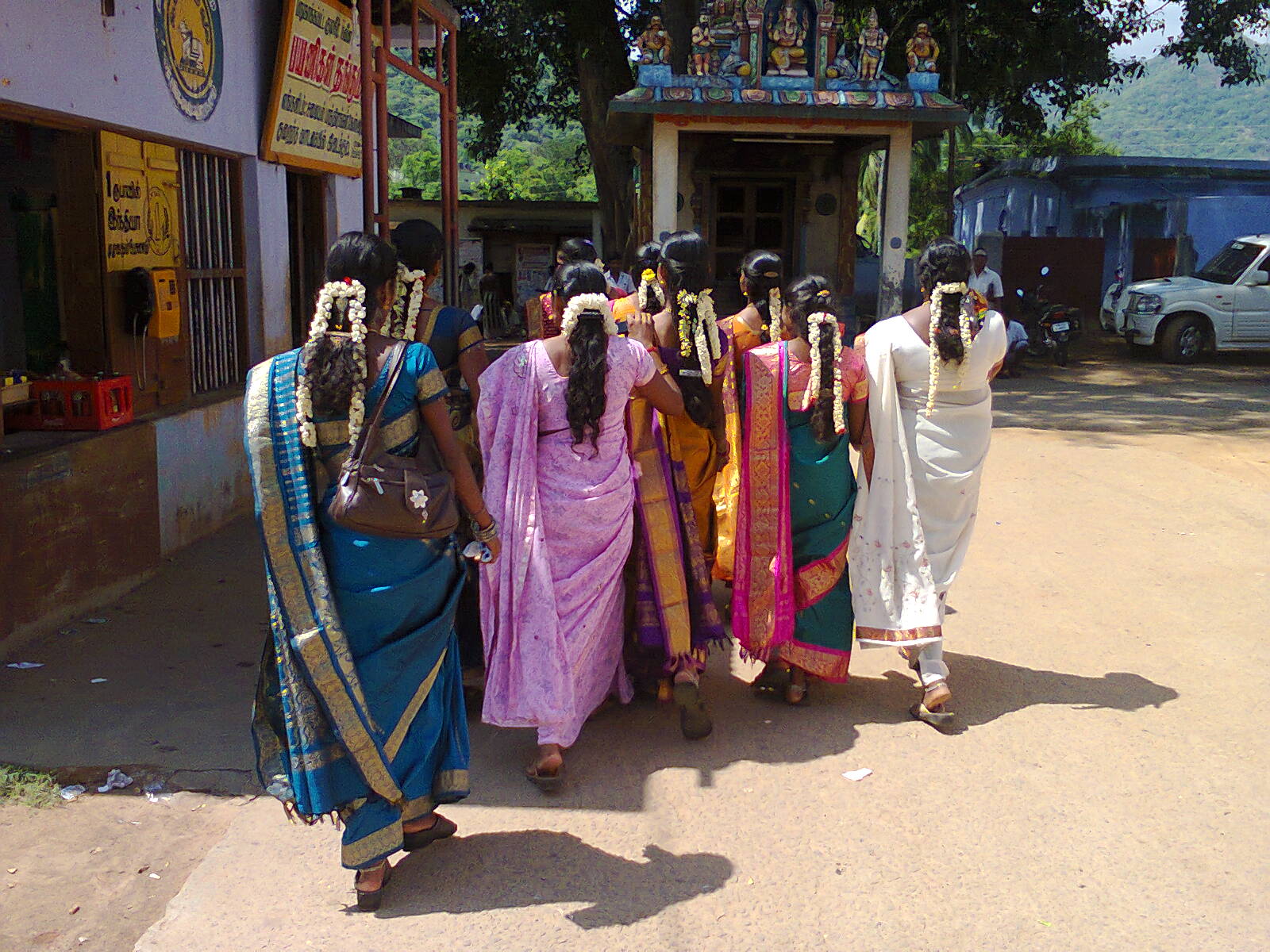
That spot of rain I was talking about a couple of days ago turned out to be a cyclone – apparently, they get these later in the years this far south – it’s been proper pelting it down! This rain then apparently drives all the snakes indoors – including cobras. Luckily I’m on the top floor.
“Call that rain,” I said to a series of astonished Indians, swaggering through a downpour the listening to a bit of disco, with the arrogance of a Burnley boy who, like Eskimos & snow, knows 500 different names for rain. By evening I was wishing it would just bloody stop. The sight of Indians in umbrellas & dodgy macs, coupled with river-like, sewage-bearing streets doesn’t fit into my sun-kissed winter soiree with the Tamils. They seem happy, though, the ghats are overflowing & the state’s water supply should have enough now to see them through until next summer’s rains.
Hiding from the rain means I’ve been eating in today, & I was in my mosquito net chilling out, when I felt a wee tickle. It turned out to be an ant, which I casually flicked away. Then putting my feet under the covers I touched something weird, turning out to be a few hundred ants chomping on a bit of banana which had previously stuck to my foot & came off in the bed. I found this quite a disturbing experience, which resulted in me flailing around like a madman & vigorously shaking sheets & mattress onto the rainy street below.
Day 54
Another wet day. Didn’t venture to the library & instead pour’d all my recent work on the Kural into the following essay;
The Thirukkural is a 2000-year-old treatise on the art of living, & is ranked as the first book of the Tamils – an ancient, heroic, dark-skinned race that dwells in both Tamil Nadu & Sri Lanka. As I.A. Richards noted, ‘great cultures start in poetry,’ & it is with the Tamils that this is particularly notable. Literature is held in their national esteem far greater than any other land upon the globe, whose writers are elevated to the level of saints. Foremost among them is Thiruvalluvar, the creator of Thirukkural, a timeless text that, as the giant of Tamil studies GU Pope observed; ‘outweighs the whole of remaining Tamil literature, & is one of the select number of great works, which have entered into the very soul of a whole people & which can never die.’
In the 21st century, humanity has become obsessed with books on self-improvement, written by an assorted collection of lifestyle gurus. I believe the Kural to be the ultimate self-help book, a treatise on the unchanging realities of human existence, tracing in its pages the outline of an ideal life. The thing is, despite its universal brilliance, hardly anyone outside of Tamil Nadu knows about this book. Perhaps it is the quite unwieldy, weighty translations into English that formed the problem; dense & wordy phrases that lose the beauty & immediacy of the original. As a poet, & the poet who rediscovered the poem in the post-imperial world, to create a readable transcreation is a challenge worth rising to.
In every way conceivable
Practice virtue incessantly
What are the Kural? In Tamil, the word means ‘dwarfish,’ & has been applied to the shortest measure in Tamil poetry, the Kural Venba. This is a couplet of only seven words; four in the first line & three in the second. Such uniform curtness insists on an epigrammatical nature of composition, such as that of the English proverb, ‘a stitch in time, saves nine.’ This means that the Kural seem simple, similar to the Japanese Haiku where ideas & sensations are expressed with a modicum of words. In the hands of Valluvar, however, through the act of ellipsis, he condenses his world-view into phenomenal couplets which have become sharpened knives to unstitch the fabric of mortal existence & expose it to the world. The Kural are no less than a blueprint for life; & these neat, ordered rows of words have stamped an indelible order onto the chaos of human existence. As Reverend P Percival once wrote, ‘nothing in the whole compass of human language can equal the force and terseness of the couplets in which the author of the Kural conveys the lessons of wisdom.’
The legend says that roundabout the year 100 BC, Valluvar submitted the palm-leaf manuscript of his Kural to the 49 Pandits of the second Sangam, the high-browed judges of the Tamil literary establishment. He found the Pandits sat on a raft which floated on the serene waters of the Golden Lily tank, the fabulous centre-piece of the great Meenakshi Sundareswarar temple of Madurai. At first these judges scoffed at Valluvar, throwing scorn on the work of an unlearned man from the lower castes. Valluvar remained unphased by their mockery, & according to the set custom simply placed the manuscript on the raft. Much to the Pandit’s astonishment, the raft immediately shrank, ducking these conceited men into the water & leaving just enough room on the boards for the manuscript. Once on dry land, the sodden scholars recognized through this miracle that the Kural were indeed divine, an opinion which has remained unchanged for two millennia.
Once the Kural had been accepted by the Pandits of Madurai, their influence would penetrate every facet of Tamil society. Common Tamils took this rare blend of vibrant mysticism & pragmatic realism to their hearts, concerning as it does the everyday matters which affected their lives. By 1272, the poet Parimelazhagar had arranged the 1330 kural into the order which the modern world now knows them; divided by 133 chapters of ten Kural each. These were then divided into three sections – the Muppaal – being Virtue, Wealth & Love. The theory goes that if one fully adheres to the three Muppaal, then a fourth, Moksha (salvation), shall be achieved.
The Kural were first brought to the attention of the European mind by a series of missionaries entering Tamil Nadu via Madras (British), Pondicherry (French) & Tranquebar (Danish). The very first translation was conducted in Latin in the early eighteenth century, by an Italian priest, Father Constantius Beschi. The next translator was the German AF Cammera, whose work was published in Leipzig in 1803. Next up was a French Savant, Monsieur Ariel, who released his translation in 1848. It was Ariel who proclaimed the Kural as, “one of the highest & purest expressions of human thought.” Once the world became aware of these compact distiches of quintessential wisdom, their assemblage into the Kural has been translated into over 6o languages across the world, including 13 other Indian languages. The first English translation was published in 1853, by the Reverend Drew, whose work would go on to inspire GU Pope, a gargantuan figure of Kural lore.
History sees George Uglow Pope as the great standard bearer of Tamil, that ‘noble language’ as he called it, immersing & devoting his entire life to its study & translation. His first lesson in the language occurred when he was an eighteen-year-old in England. Later that year he arrived in Madras, where, upon first hearing the true beauty of Tamil on the lips of a humble fisherman, he became determined to learn all about the language & to be able to speak it as fluently as a native. Setting about meeting the greatest Tamil scholars of the day, he had soon unleashed his genius upon its life-long mission. By 1840 he was staying at Mylapore, about which place he would later write, ‘while visiting the villages around here, that enthusiasm for the great Tamil poet was first kindled which has been an important factor in my life.’ After mastering the language, Pope soon set about translating its literary masterpiece, & after almost fifty years, on September 1st, 1886, he completed his noble task, which he declared to be the ‘masterpiece of human thought.’ By February 1893 he would add an excellent, poetic translation of the Nalatiyar to his many achievements in Tamil, which included an unfinished, yet massively comprehensive dictionary of Tamil. For his erudite efforts he was given honorary degrees by Oxford and Lambeth, & was awarded the much-coveted Gold Medal of the Royal Asiatic Society in 1906. After a ‘long and useful’ life of 88 years, he died in 1908, when one of his last requests was to have his tomb decorated with the words, ‘A student of Tamil.’
Over a century later enter another Englishman in Tamil Nadu diving deep into the Thirukural – myself. As we are striding through the twentieth century, a new culture awaits mankind; that of a unified global village, needing its own international literature, where the non-sectarian, anti-nationalistic Thirukkural fits the bill astonishingly well. It is a book to live by; a code of moral conduct to which all creeds, castes & colors can pay fealty, whose lofty idealism has been acclaimed by all the religions of the world. ‘The Holy Kural,’ claims EV Daniel, ‘may well be the meeting ground, the common ground, of all religions.’
Thirukkural is a wonderful book, but to an English speaker it might as well be written in Gaelic. Despite being among the most widely translated texts in the world, outside of Tamil Nadu it is one of the least read. Even the vast majority of the multi-lingual Indians cannot read a word of it. On top of this, to the English-speaking mind, the translations of the Kural we possess are often too wieldy or fanciful to absorb. The most widely known & respected translations in English are the poetical couplets of GU Pope, & the transliterations of Reverend Drew & John Lazurus. I offer their renditions of Kural 36-9 as an example.
The True ‘support’ who knows – rejects ‘supports’ he sought before
Sorrow that clings all destroys, shall cling to him no more
GU Pope
He, who so lives as to know Him who is the support of all things & abandons all desire, will be freed from the evils which would otherwise cleave to him & destroy (his efforts after absorption)
Drew & Lazurus
A modern rendition of the D&L Kural above, made by a Tamil, Kalaimamani Kalladan, reads; ‘the mind’s nature is to cling to every thing; but that should realize the true thing & cling to it; & that should abandon all desires. If done so, any suffering destined to inflict a person, shall not occur.’ My own rendition of this particular Kural, forced as I was into only seven words, goes as follows;
By choosing true virtue
Bruising ruin debarred
Perhaps it has lost a little in the translation, but the essential essence of Valluvar’s original teaching remains. It has been my intention to create something new from the wellsprings of each kural – not just a vague paraphrase, but a simple maxim for the modern human mind. I felt each Kural needed to be immediately understood & when communicating universal teaching, less is always more, which Thiruvalluvar well understood. One of the chief beauties of the original is the compactness, or as PS Sundram observed, ‘its soul is brevity, & with it least is most.’
The saint’s succinct & subtle style, operating in such a short space, uses many poetic techniques; from rhyme & repetition, through strict rules of consonance called the Ventotas, to those intricate word-play & clever puns which expose the very heart of his philosophies. I have attempted to emulate as much of all this as best as possible, rendering a version that is as close to the original as I could possibly render. The project has been helped by the English language, that most flexible & comprehensive of our modern tongues. On our planet there are about 400 million native English speakers; second only to the Mandarin of the insular Chinese. When you add the billion Indians unified by the English tongue, plus the fact that English is the one true lingua franca of commerce & culture, then it is only right that the ‘global gospel’ of Valluvar should be funneled through the English language into the world at large. ‘It is our bounden duty,’ writes MS Venkatchalam, ‘to make the world realize the richness of Kural & that can be done, only by rendering it into English & thus making it reach all the nook & corners of the world.’ Despite Tamil being a beautifully sonorous language, it is extremely complex – a single word may need two pages of explanation. Comparatively, one of the traditional strengths of the English language is that flexing its inherent linguistic muscles has enabled the easy adoption of foreign lexicon, syntax & grammar. The subtle nuances & inflections of the English language have made it possible to translate the complexities of Tamil, for our words may also be variously expressed & when placed in combination can offer multitudinous shades of meaning.
Day 55
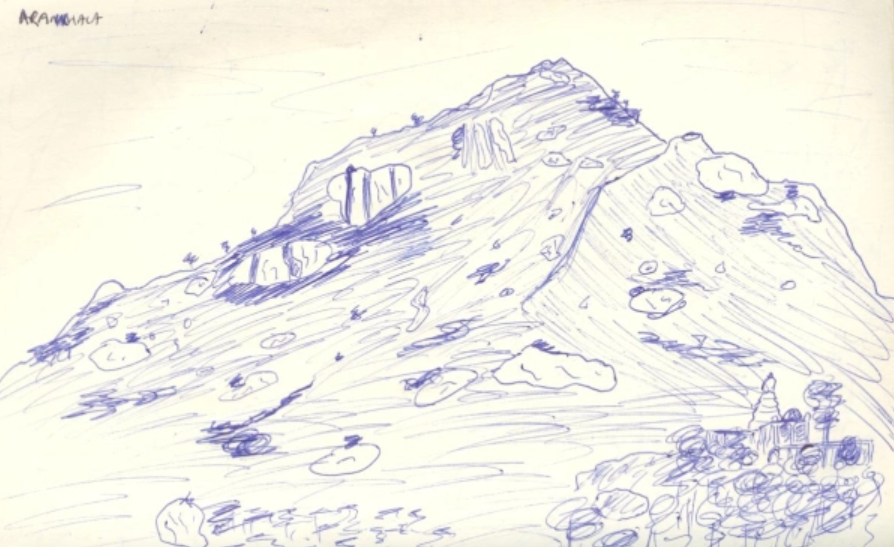
I am about half way thro my trenscreation of the Kural & have decided to leave Thiruvanamalai & go on a tour of Tamil Nadu, visiting places where Valluvar might have gone himself, & finish off the Kural back in Madurai, perhaps, where my journey into the text began. Then I’m gonna go to the Andaman Islands by boat for a well-deserv’d holiday. It’s definitely time to leave, tho’, especially as my room is progressively turning black with rain-damp. This morning I woke up to find fungus everywhere – my hat, my bag, some clothes & even my chess pieces all had a furry look & feel.
On my last day in Thiruvanamali, I saw both a lovely sunrise & a soul-searing sunset. In the morning the clouds had finally dispersed, revealing the landscape which I hadn’t seen for a couple of days, obscured as it was by clouds & mist. All round me the mountains peeked out of the milky distance like nervous children. The sunset was amazing. I had just settled down on the rooftop, listening to my tunes & reading a spot of Shakespeare, when just as ‘Patience’ by Take That came on, I looked at Arunachala.
There is a legend that it was on the mountain that the dreadlock’d god Siva produced a lingam of fire – a measureless column – & won the submission of Vishnu & Brahma. Perhaps it was some mythological memory of an ancyent eruption, but I swear down, as the sun was setting the clouds were in just the right place to produce the same effect – a mighty golden column coming out of the mountain. At the very same time there was a wee cloud just big enough to cover the very peak of the mountain, in the same spot where I was blessed in Siva’s name by that Guru. I really did feel it – the mind monkeys had cleared from my mind on that occasion & this time I felt that Siva was saying ‘nice one son’ & wishing me well on my way
Tonight, I went to the movies – situated in a fine building – to watch an action adventure dubbed in Tamil. It was quite cool actually, for dialogue wasn’t really an essential pillar of the movie, lots of cars & guns & that, its easy to get the drift of what was going on. There was also an old-fashioned interval, when the audience of 100 percent males dived for the samosas being sold by a couple of cheeky kids. I funny way to finish my experience at the sacred feet of Arunachala.
Day 56
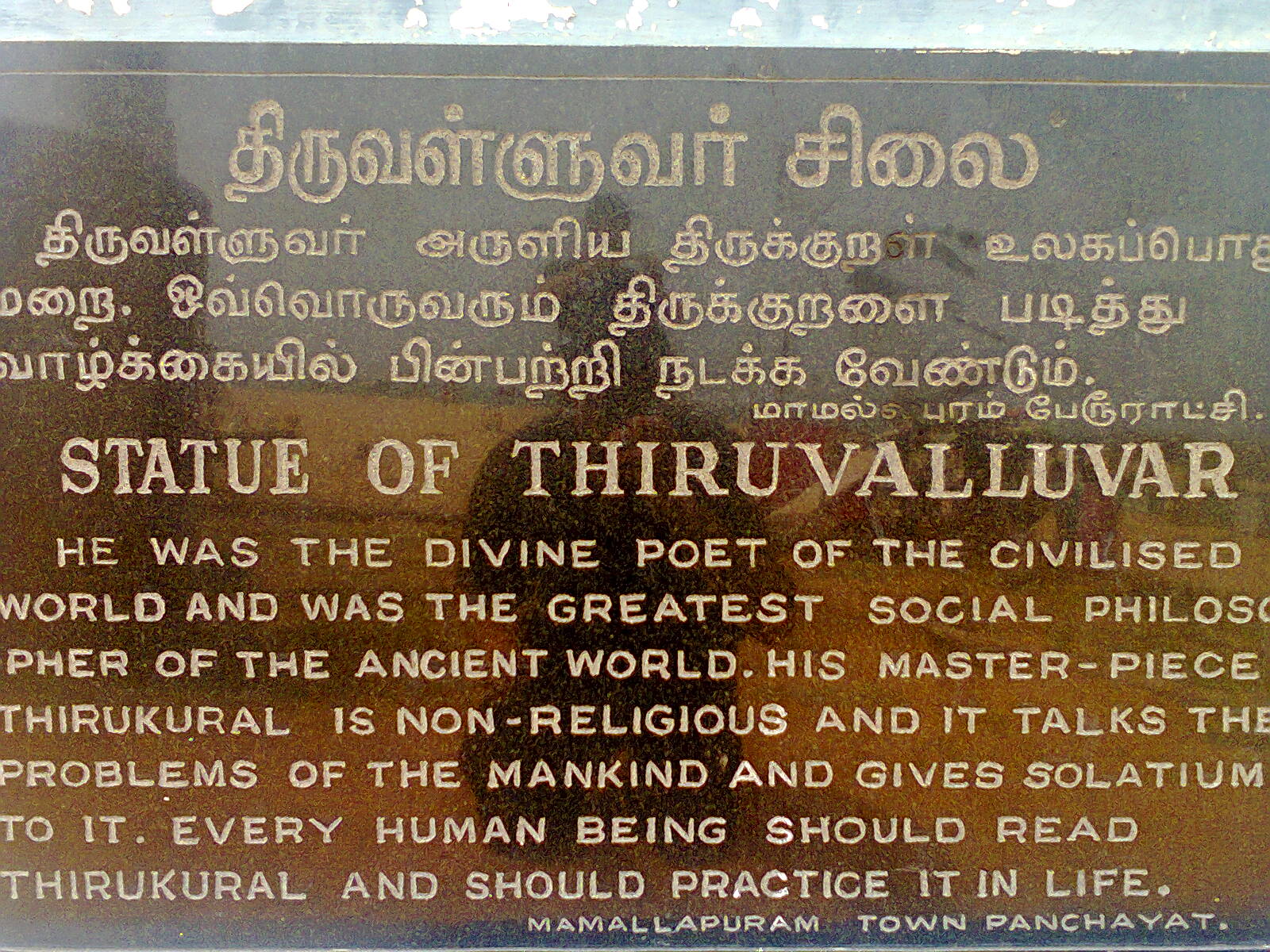
This morning just as I was about to leave, I woke up to the sound of the rain. ‘Not again’ I cursed, but then the rains cleared & Aranachala was revealed in all her glory, a scintillating rainbow arched perfectly from flank to flank. Remarkably, the same wee cloud as yesterday was again at the summit. ‘That Siva’s at it again’ I thought & finally left town. Three buses later, beyond those scattered heaps of boulders that form the region’s hills, I was heading towards the coast, passing several large lakes where paddy fields once were – the devastating consequences of the recent rains. Apparently in the state these past few days there have been landslides, 700 bridges have collapsed, over a hundred dead
Mamallapuram is a bit of a tourist hotspot, with a fine beach & some amazing temples carved out of the rock. It got wiped out by the Tsunami in 2004, but is well back on its feet again. I’m staying in a massive marble-floored room, this huge oak table (perfect for writing), a clean double bed, a wicked fan, a big TV with all the channels & a cool balcony overlooking the street – with not a hint of damp or mosquitos anywhere
Mamallapuram is right enough; nothing too special for its reputation as a World Heritage site, but it has a beach, a few restaurants & the famous temples carved straight out of the rock which everyone visits – I couldn’t help think how voluptuous the female carvings looked – two thousand year old porn!
Around town are some proper annoying gypsy necklace-sellers, who followed you everywhere, who wouldn’t take no for an answer, & between the whole tribe of them nailed every part of the town. They were very small as well, as were the cows which were half the size of normal – it seemed I had stumbled Lilliput-style on some curious pygmy nation.
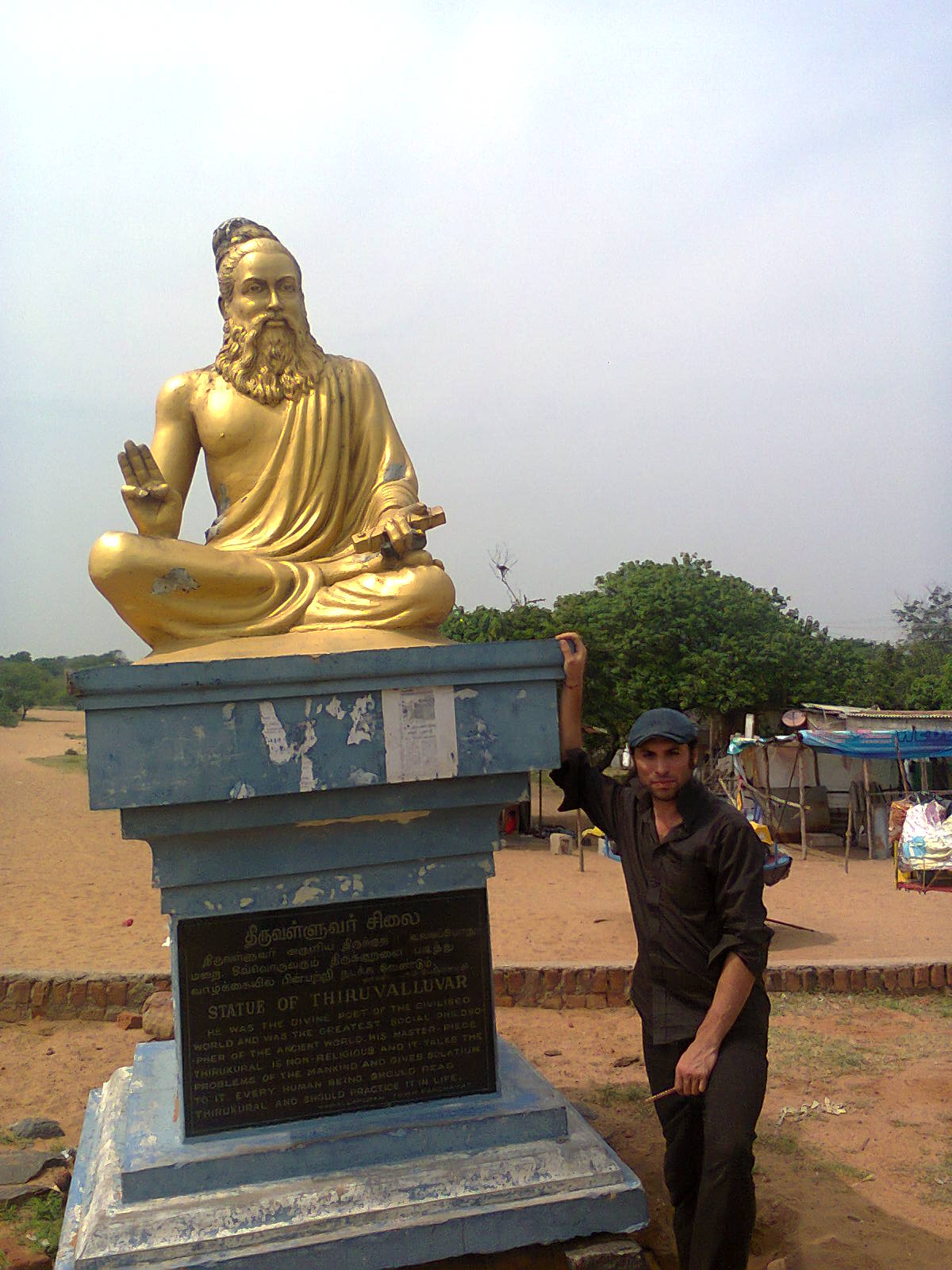
Thirukkural, is non-religious & it talks the
problems of the mankind & gives solatium
to it. Every human being should read
Thirukkural & should practice it in life.
Mamallapuram Town Panchayat
As for the kural, I spent an hour working on them sat underneath a statue of Thiruvallavar that is on the beach. This part of the beach is mainly for Indian tourists, & is accordingly cheesy. There were plenty of juice & ice guys – about 20 or so – plus fortune tellers, trinket stalls, guys with parrots in boxes & two fine looking horses – a far cry from the scraggly donkeys at Blackpool. Personally, I had a great time with an air rifle shotting at some balloons. Afterwards, my time at the beach inspir’d me to pen the following sonnet;
As I rested on a fine, empty beach, by the Bay of Bengal,
In soft seconds of existence I was alerted to a flutter of birds,
From mile or so along the coast I watch’d white robes of a mn approaching,
& expected him to pass, but on coming within a few metres,
He veer’d towards me suddenly, leaving no footsteps in the sand,
“What is your profession?” he curtly asked, “I am a sonneteer, sir!”
His magnificent eyes burrowed into the heartlands of my soul,
“By any chance, are you carrying a sylver rose?”
Astonish’d, I shew’d him those pretty blooms I’d hung around my neck…
…After humming an Upanishad he said, “I’ve been expecting you,
Ever since I felt the shimmering flux, read your Maltese proverbs rising;
As seven words a kural make, seven kural form a sonnet!”
Confirming my epiphany into the elegant depths of sonnetry
I’d had on Gozo flicking through Vassalli’s finest aphorisms!
Adventures on an Indian Visa (week 7): Thirukural
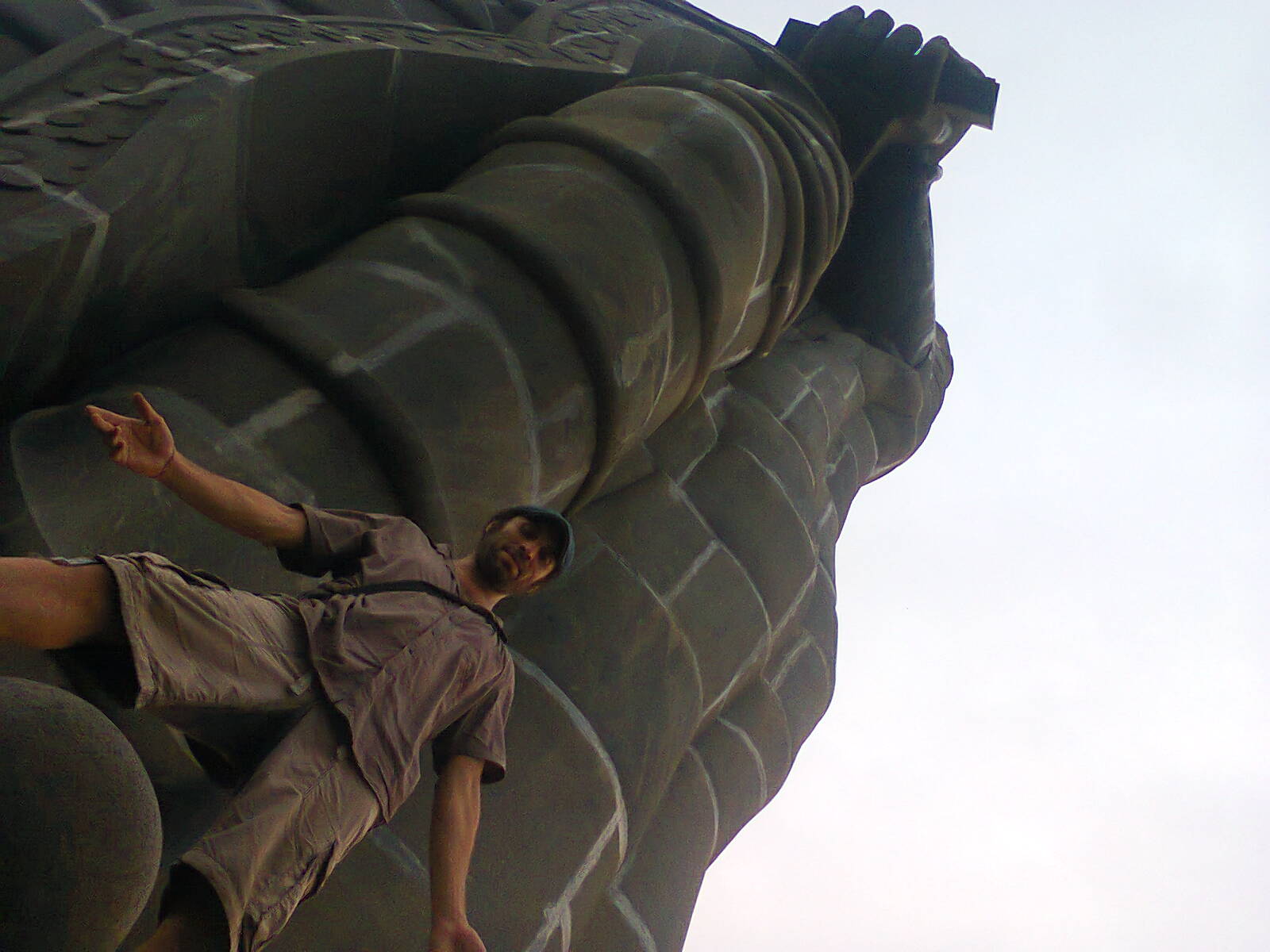
Day 43
Everybody knows that the great reversed triangle of land, with its base in the north and its apex in the south, which is called India, embraces fourteen hundred thousand square miles Jules Verne
This morning I was off again, cruising south on a couple of busses to Kannayakamari, the most southerly point in India. In one sweep of the horizon you can see the Bay of Bengal, the Indian Ocean & the Arabian sea, all meeting in a choppy, liquid mass, the Tazmanian Devil waves coming in from all directions. The sunset was crazy, a lucid ball of red that just sat on the clear horizon & was slowly swallow’d by the sea.
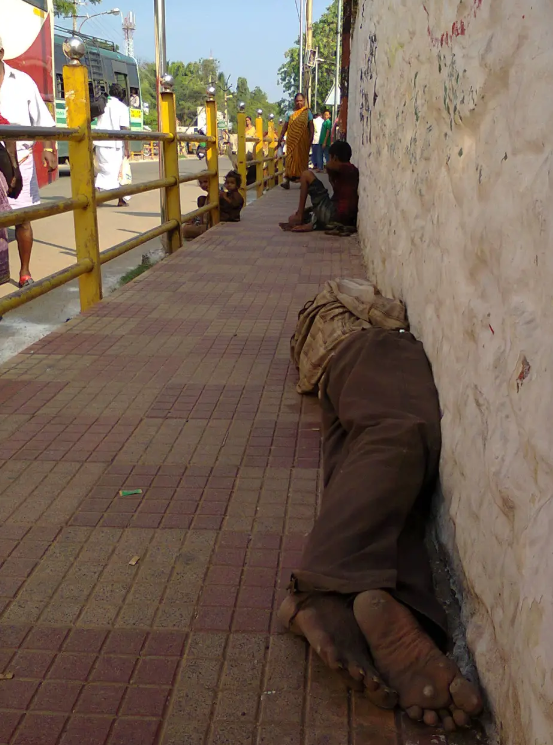
Towering tall on a rock just off the tip of India is a massive statue of a man, a Tamil saint call’d Thiruvalluvar, erected by the Tamils to celebrate the Millennium. You go to the statue on a little boat where I ended up penning the following sonnet;
I stepp’d onto Vivikenanda’s rock,
There paus’d, of situation took full stock,
Before me India, some vast fan spread,
Behind, lay endless ocean, grey as lead,
Above, & to the side, a statue rose,
Some noble poet in his noblest pose,
As I gaz’d up I swear he wink’d at me
Into my mind th’Orphean frequency
Sang, “Boy, wherever in the world ye be
Remember me!”
“Tis Thiruvalluvar!”
Says saddhu, startl’d by me, who had seen
Or sens’d a dream twyx poets, inbetween
A butterfly thro’ silver sea-spray flew
…The boat-bell rang, I sprang to join the queue.
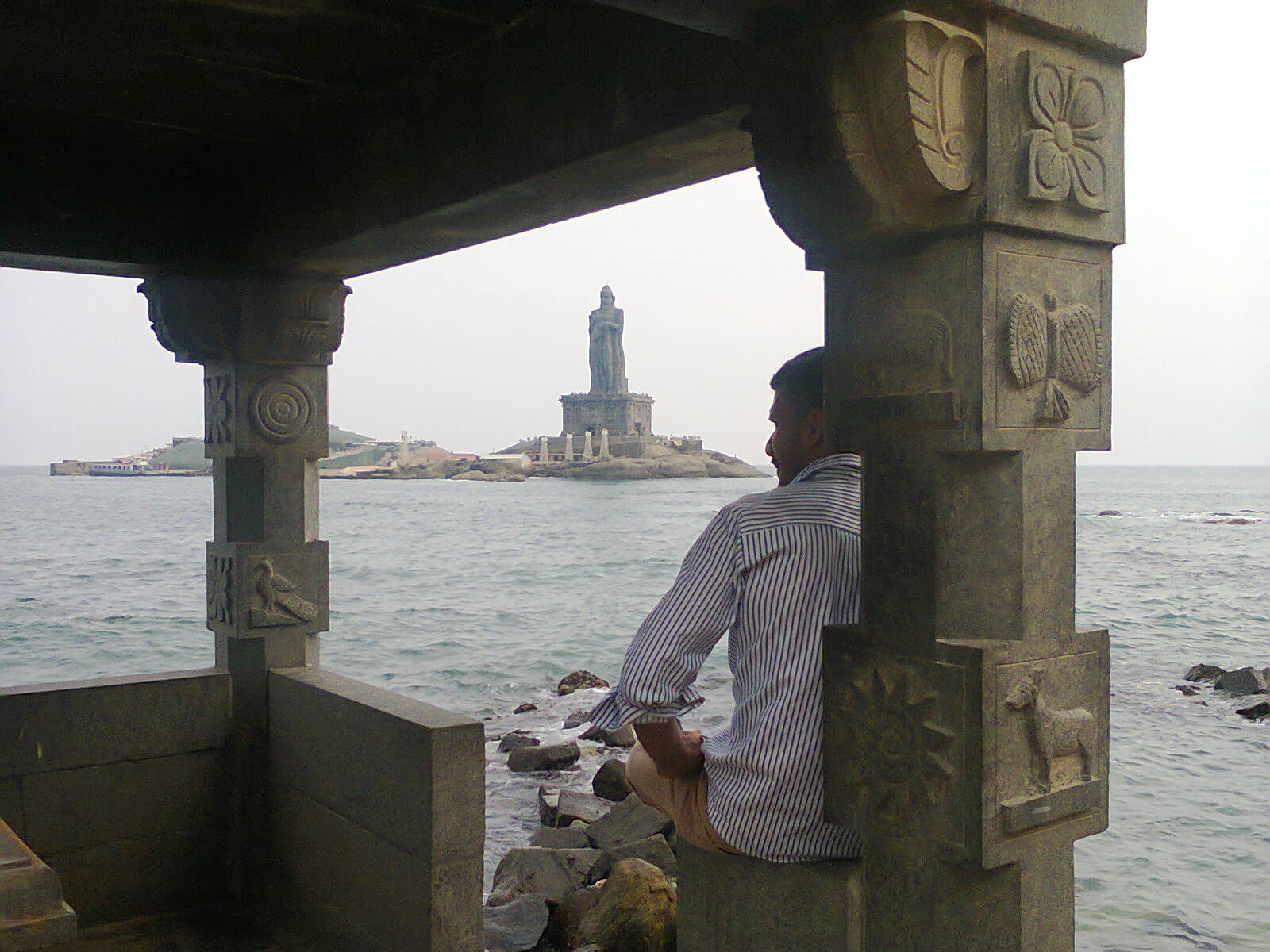
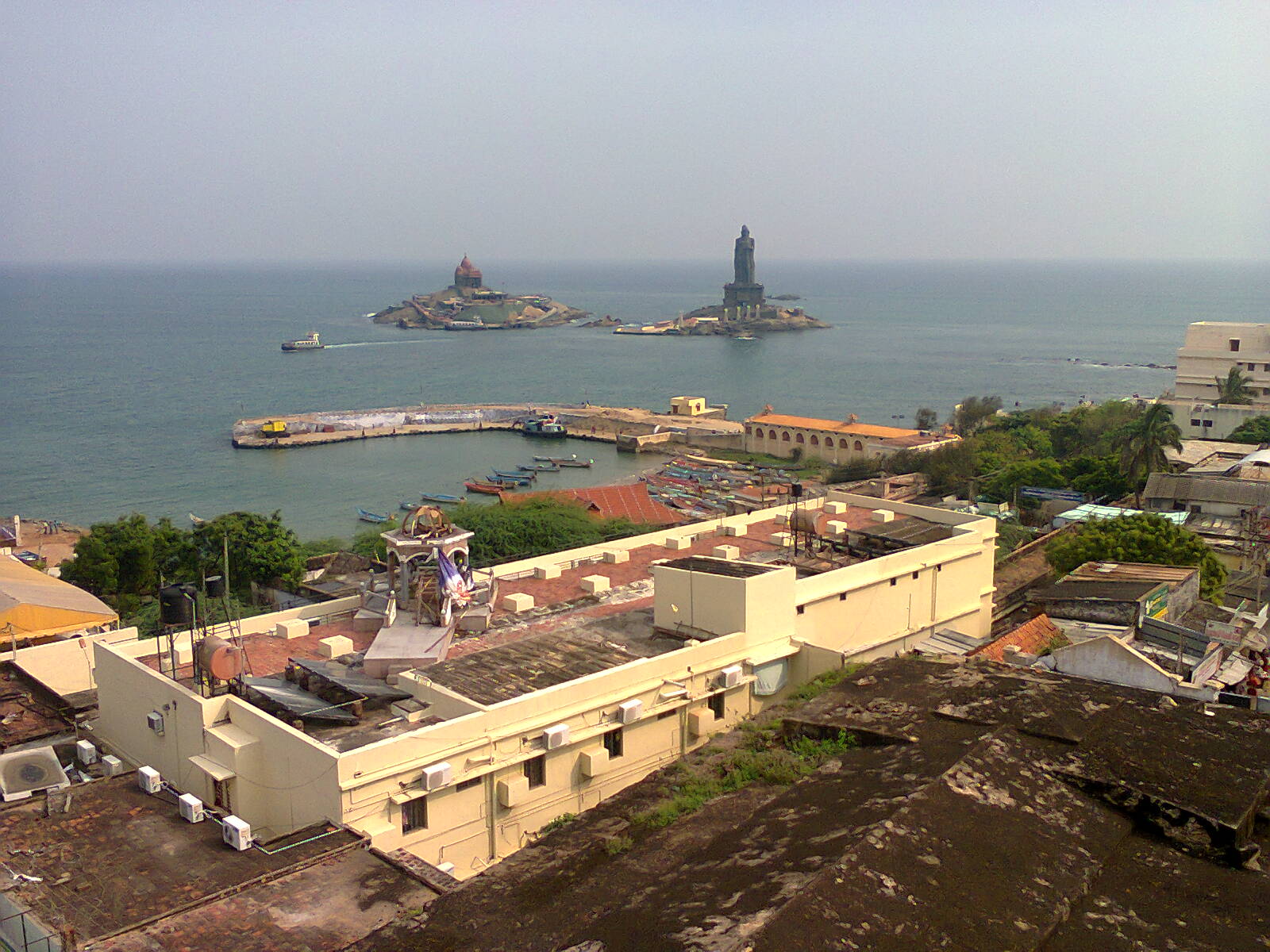
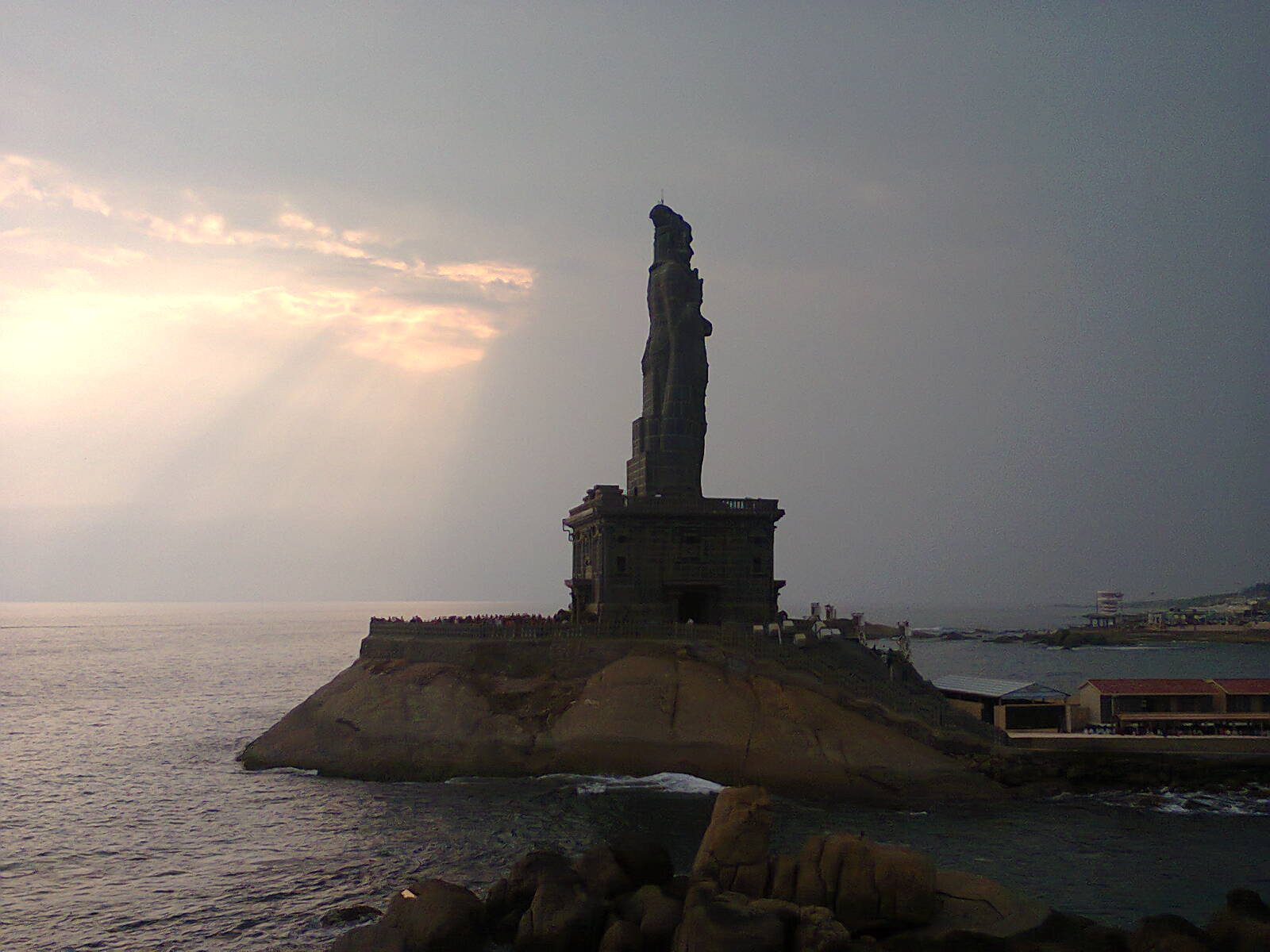

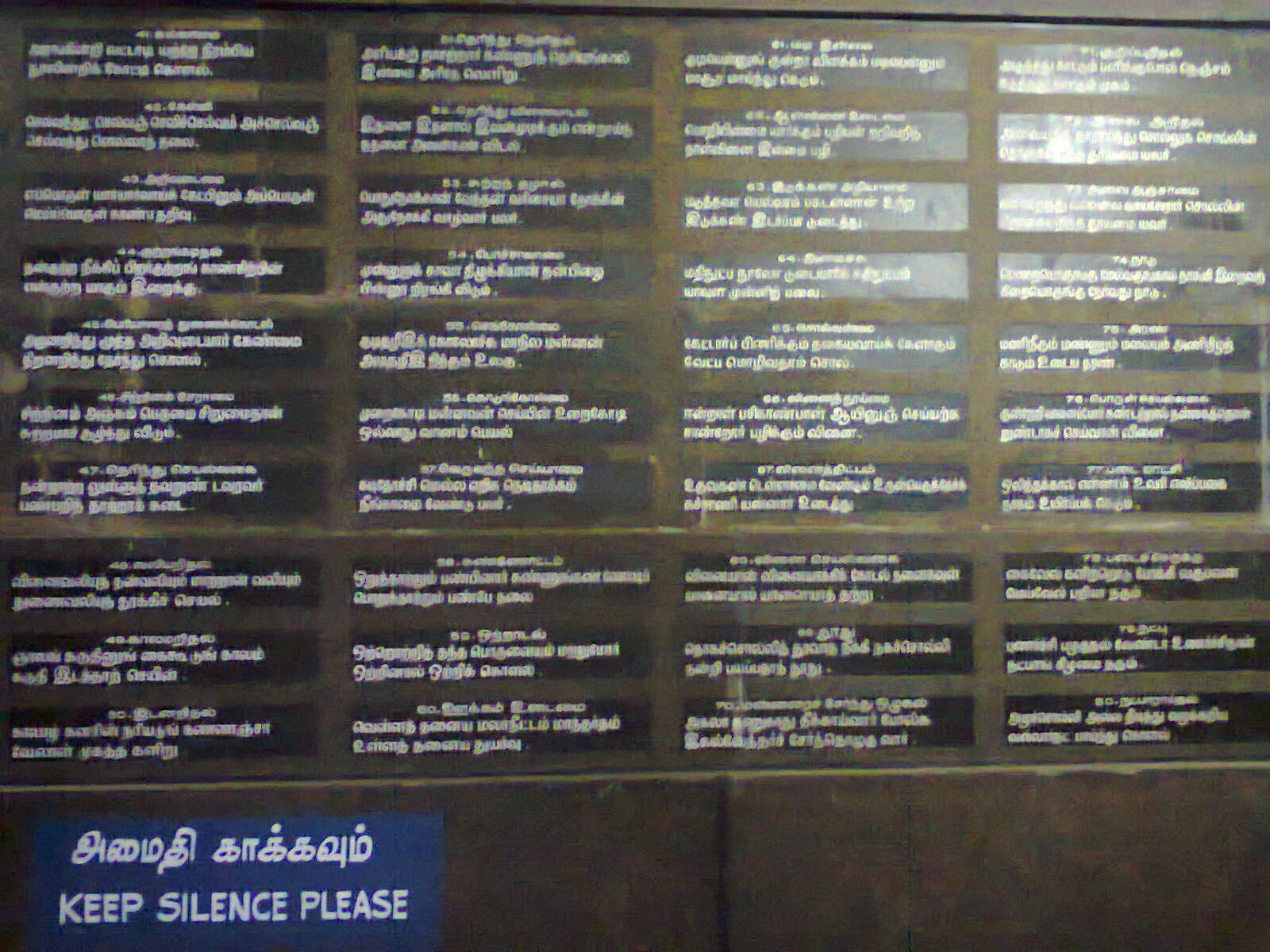
Kanyakamari was also one of the sites where Mahatma Gandhi’s ashes were scatter’d – the others being South Africa, London & Delhi. Throughout India there are statues of this wiry fakir everywhere & no wonder. His attitude of non-violence completely befuddl’d the warmongering English & won the day, with hardly any blood spilt in anger.
That night I hung out at my hotel with a lovely Dutch couple – who didn’t smoke weed but did play guitar. We were quite high up & it was a very cool experience to literally be at the singular point to where an entire subcontinent funnels all of its very life force.
Day 44
I am currently sitting in a dark & dodgy internet cafe in deepest Tamil Nadu, & am a little – a lot – stoned after sharing a spliff with Prakesh, the owner. I roll’d into town early this afternoon with a German geezer & a Dutch couple I met in Varkala. Outside this cafe lies the fascinating city of Madurai, & it was here that I was first flung into the world of Thirukural. In the lanes close to the great temple that forms the city’s heart, I came across one of the Manivasagar Pathippagm bookshops that are scattered across Tamil Nadu. These are both publisher & bookseller, & one of their publications caught me eye. It was a small red book, I was browsing thro’ a bookshop when I saw a picture of a man I thought I recognized. It was in fact the poet-saint, Thiruvallavar, the statue of whom towered over me back at Kanyakamari, now sitting cross legged in flowing white robes, a pen in his right hand & a scroll in his left. The book was a mere 20 rupees, & on first glance found it a fascinating thing – a kind of guide to life. Then something happened to really kick off my fascination with the book.
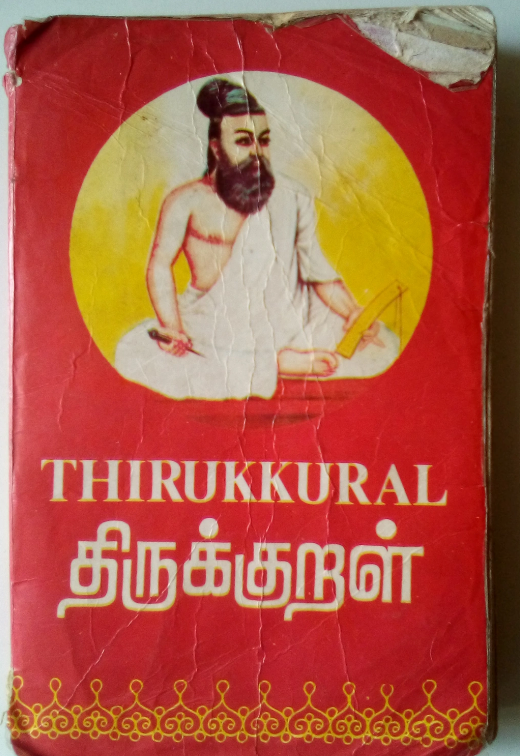
On my way back to the hotel I was accosted by a scrawny guy offering to sell me some smoke. I was running out, so agreed to top up, biting a little of the ‘weed’ to check it out. There was a crush, & then a rush of liquorice flew round my mouth. ‘That’s not weed.’ I said. ‘It’s opium,’ he replied. I’d never tried the stuff before, so my curiosity get the better of me, I bought a bit & started skinning up with it. Not long after my first bite I was spun out on my bed, staring at the spinning fan above me. I didn’t exactly have Coleridgean, visions but it trigger’d off a shed load of poetry. On my first ever look thro’ the Thirukural I was immediately touched by its beauty & simplicity, & tho’ my western mind was finding some of the maxims a little difficult to digest, I felt there & then an affinity for the text.
Almost immediately I started converting them into a more poetical English, using the same form as they appear in Tamil – 4 words on top & three below. There are 1330 individual ‘maxims’ & I already intend, one day, to translate the lot.
Day 45
I love Madurai, me, a crazy melting pot & a most magical place. The 12 gopuras of the great temple here dominate the skyline, but this time the technicolour pantheons are covered up by these massive brown hats – basically rush matting on a stick-scaffold. The 1000-year-old temple is busy as buggary, & just as noisy. I can’t blame them tho’, there’s so much detail on the sculptured phantasmagoria in & around the temple, from the huge cow at the main gate to the horses prancing like the Scottish lion rampant. There’s also the Golden Lotus Tank, a wonderful ghat a little larger than a basketball court. It’s very lush & looks like some ornamental garden-fountain, with the said golden lotus emerging from the waters. In the early morning when the sun just peeps above the high porticoed walkway that surrounds the waters, it is a wonder to behold.
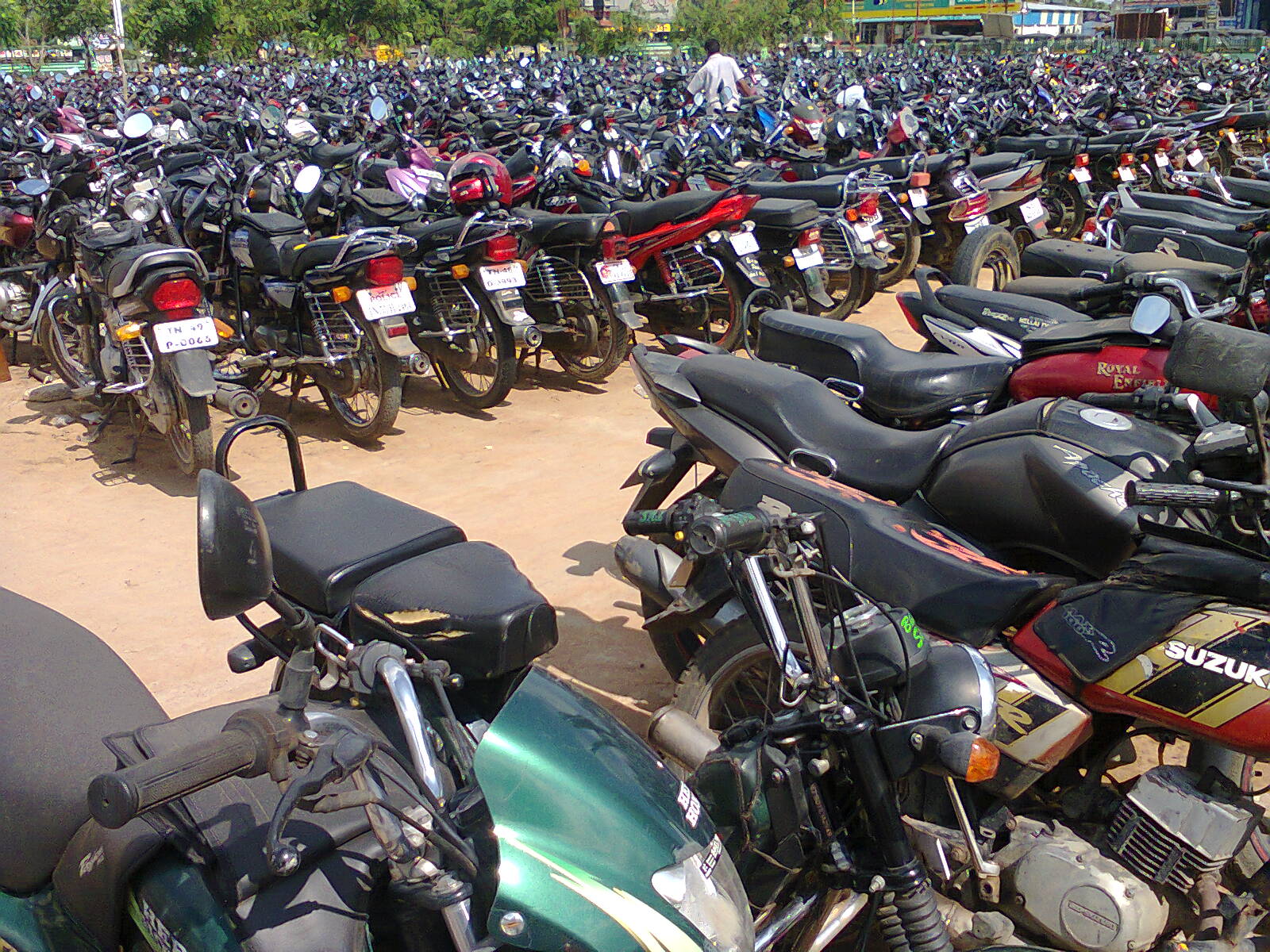
The city itself is quite clean, very busy, but generally a nice place. I’ve been showing off my primitive Tamil, & it’s gone down like a house on fire. My best memory of the day was taking a walk along the river & seeing a few slices of Indian bankside life The river itself was serenely beautiful, lots of grassy islands with a few horses grazing on them. The main event was the washerwomen, hundreds of them bearing the rocks with their wet washing, leaving gleaming white bedsheets on the grass like sails in the Spanish Armada. Further along I came across about twenty kids – 6-12 years of age – holding hands & trying to tig each other. They were playing kabbadi, a great wee game, sort of rugby without the ball, full of dust & cheers. I loved their celebrations, like raving away at a dead good techno-trance night.
Spent the evening working on more of the Kural – they really are starting to flow & I’ve decided there is no time like the present & seeing I’ve got 20 weeks left in India I can spare a few of them in transcreating an ancient Tamil text, right?
Day 46
Today I woke up with a plan – I will go to Thiuruvanamalai & translate the Thirukural at the library there which my Danish friend, Rita, whom I met in Goa, said is very good. Leaving Madurai, I was forced into my first Indian train jump of the tour – the sleeper train was full & I didn’t want to hang around now I’d decided to go. I got a couple of hundred k before being collar’d – & despite my offers of baksheesh (bribes) & beers the fella just wouldn’t let me stay – the best I got was a third-class carriage. I took one look at the hot, thirsty mass of humanity & opted for a new mode of transport. As usual, luck was on my side, & right outside the station was a luxury, air-condition’d coach heading exactly where I wanted to go – I paid my hundred rupees & off we went into the balmy night.
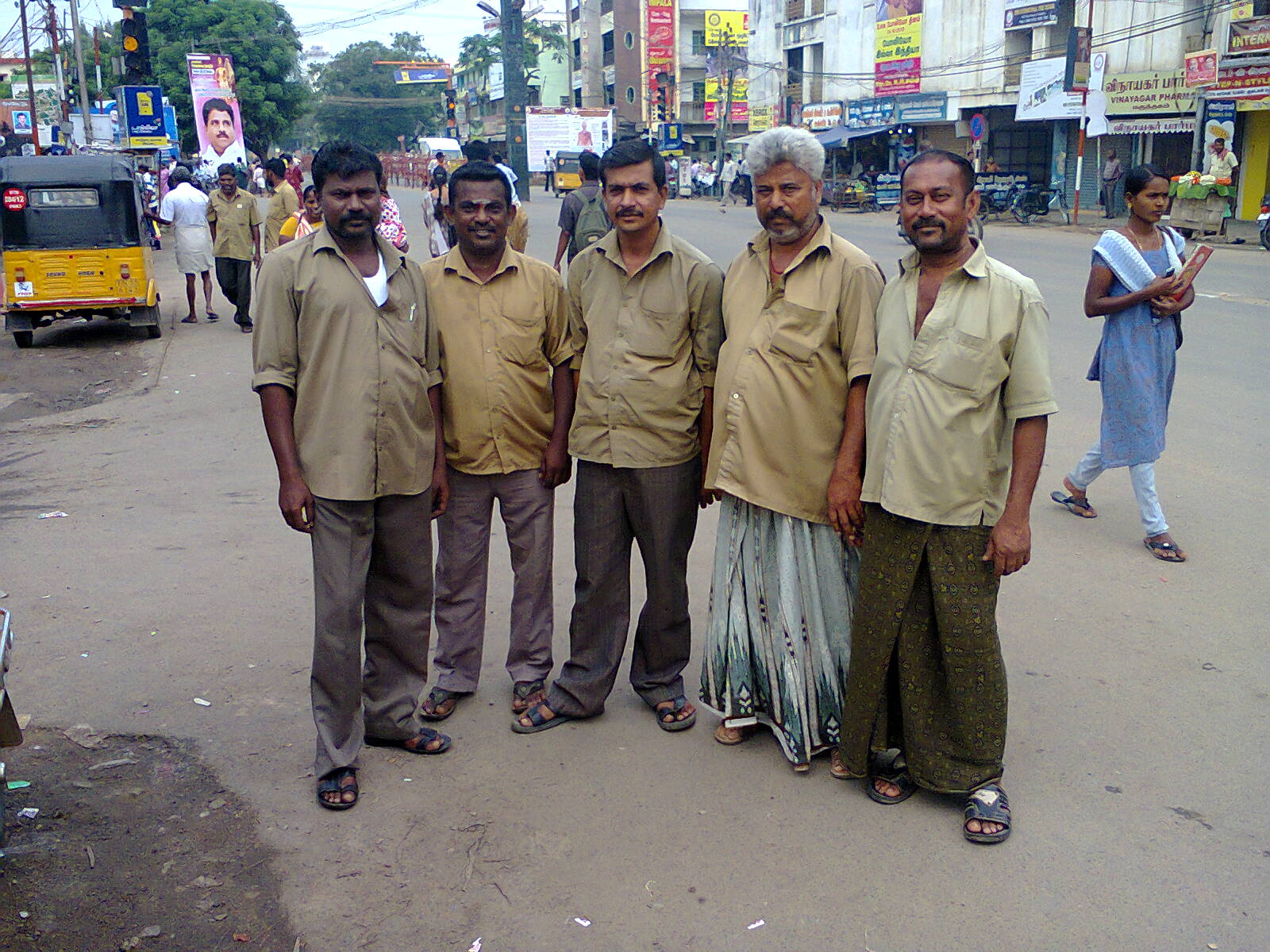
The winds blew me up to Pondicherry, where I stock’d up on the duty-free booze its well cheap, like! Now Pondy is famous for two things; it has the highest suicide rate in India & is also a former French Colony & connection between the two cannot be ruled out. Pondicherry is the old French morsel of empire that carried on during the British Raj in much the same way the Portuguese held on to Goa. Cue boulevards & avenues & white-washed villas that are positively Marseille at the seafront, but then get swallow’d by India street-by-street as one drifts inland, until about ten blocks in all traces of the French have disappeared. I didn’t stay long tho – at the merest smell of a cooked garlic clove my toes curl in anger & I begin to shout very loudly – in bad French – at the nearest French person, or even a Dutch or Spaniard if I’m drunk. So fifteen kilometers from Pondicherry lies Auroville, the place I’d chosen to chill for a couple of nights. Auroville is an experiment in communal living, like a European Eden. Thirty years ago a holy woman called the Mother bought a load of land, planted forests of trees & decreed the area to be devoted to spiritual, artistic & intellectual study. It is virtually a cashless place (I managed to blag free food by making up an account number) & very serene.
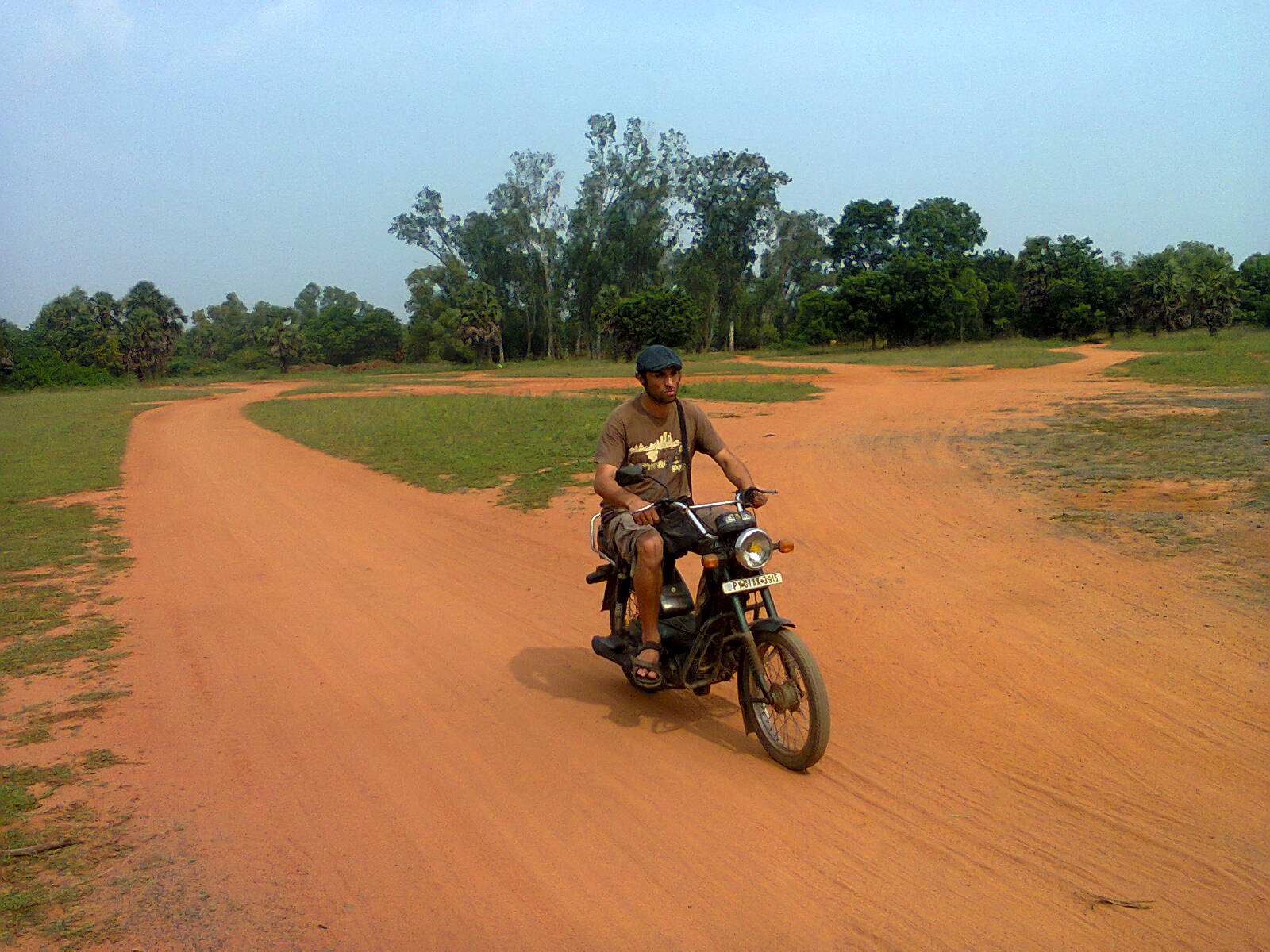
Across the several square miles of land that Auroville takes up, there are various places to stay, & I got quite a good ‘un called Reve (pronounced rave), where Vics I’ve got a great hut on stilts. The place is full of young, mainly French, ashram-heads, & is a picture of perfect tranquillity. To get about the place, a moped/scooter is essential, & these are a good quality & cheap to rent. I was soon scrambling about all over the place – keeping the company of an American lass from San Francisco called Rhonda, who let me ride her buzzin’ blue bike while clinging to me quite tightly. In return, I kept rolling up spliffs in various scenic woodland spots & I would definitely have pounced if it wasn’t for her exploding acne!
Day 47
I began the day this morning razzing down the red dirt-roads of Auroville to the Boulangerie for chocolate croissants, listening & singing to Betty Boo – the choruses especially startling anyone by the roadside. Also filling the roads are loads of cute birds on bikes, from all over the world, which is always good for a poet’s soul. Auroville is a place I could hang out in for a while, but I’m too damn restless. I’m sure I’ll be back in India one day, tho,’ so that’s a rain check.
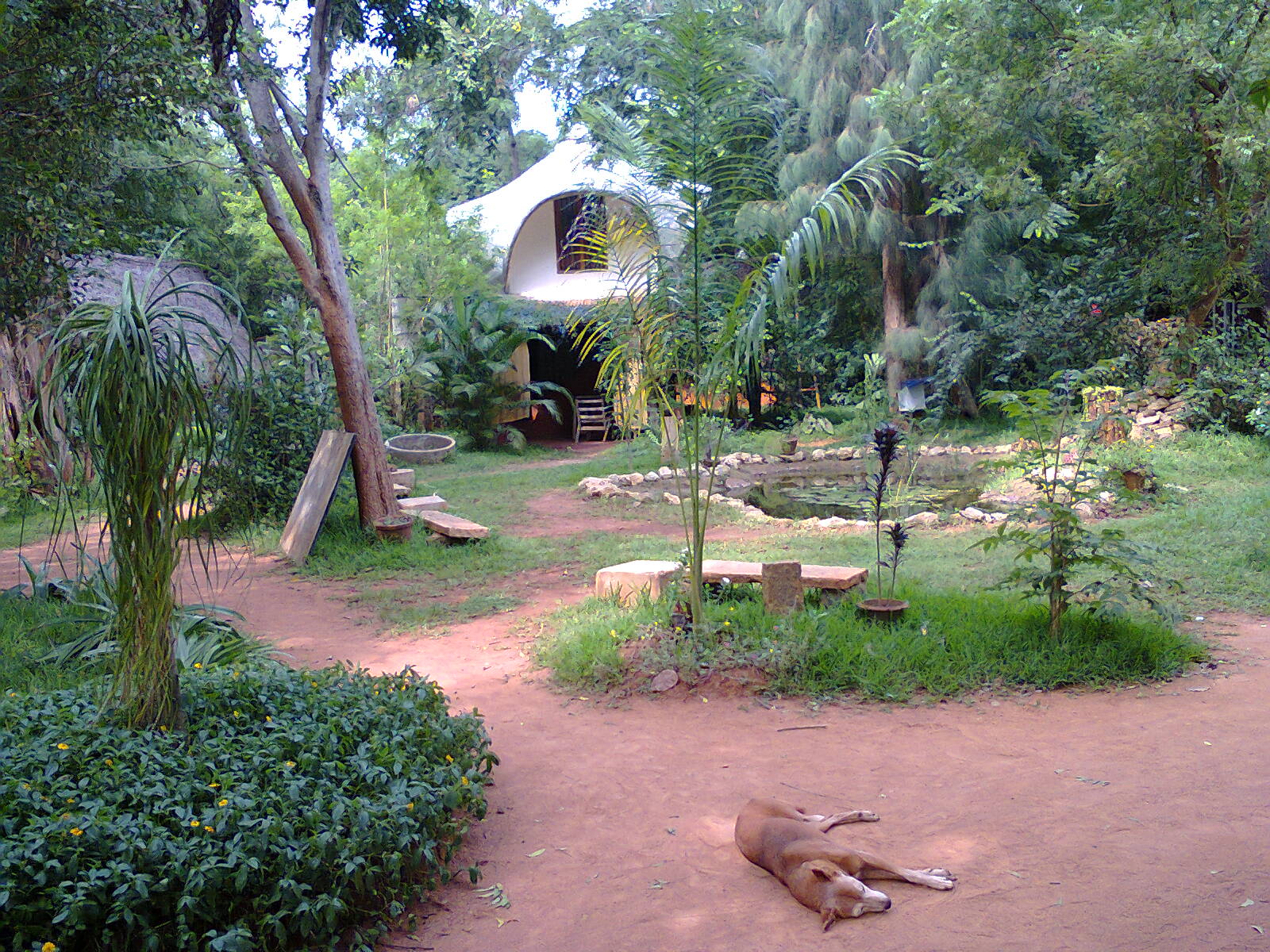
On my last, & only full, day in the spacious international ashram of Auroville, I encountered a majestic & divine epic poem called Savitri, composed by an Oxford-educated Indian ascetic called Sri Aurobindo (born 1872). It was the main work of his life, & is read out at the ashram once a week to devotees, an occasion which I was lucky enough to had arriv’d for just in time. The poem is wonderful, all epic & omniscient blank verse made even more wonderful by a sneaky opium joint before I went in. That’s how I’m smoking it, by the way, crumbling a little bit into a joint every now & again.
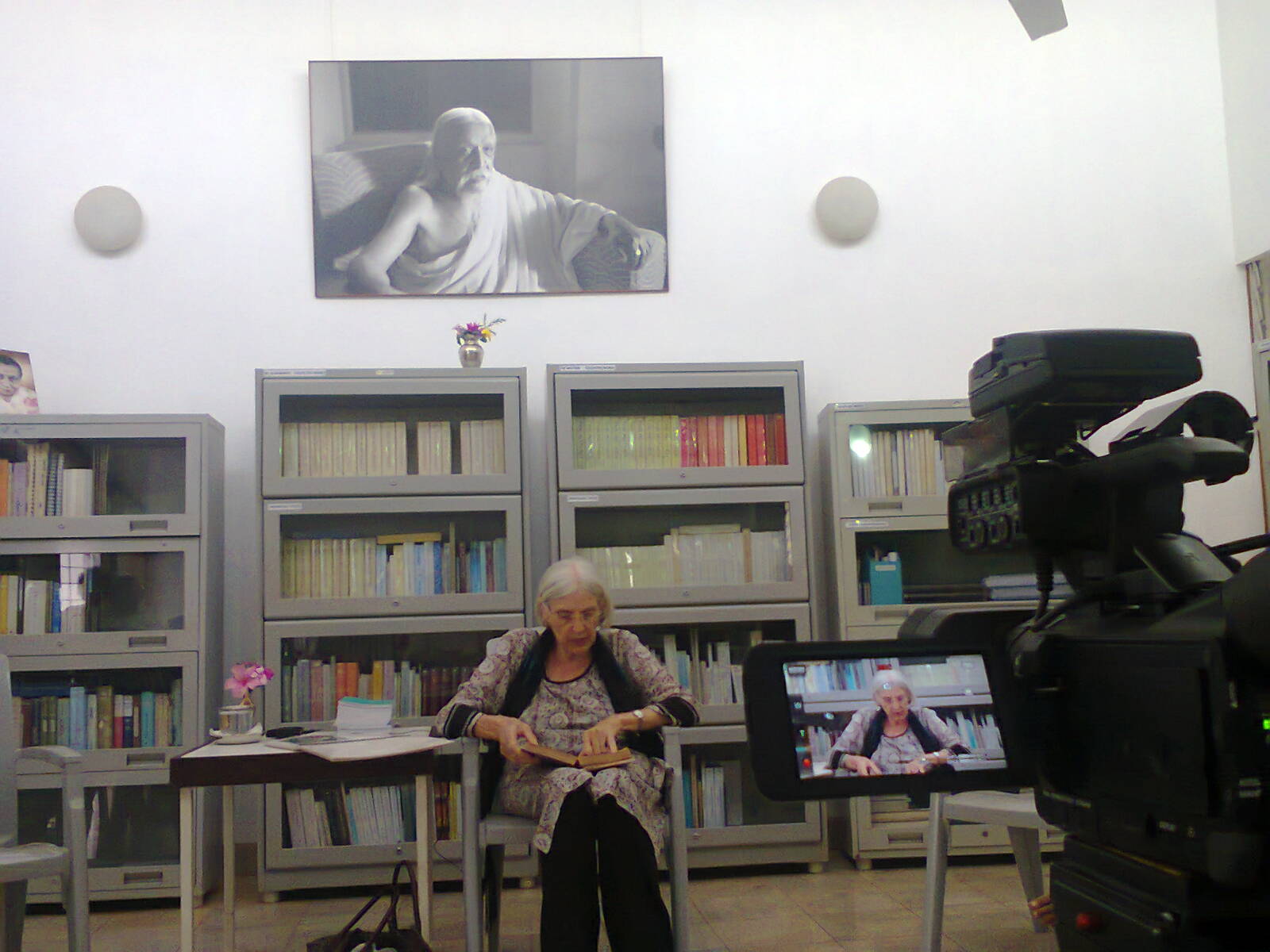
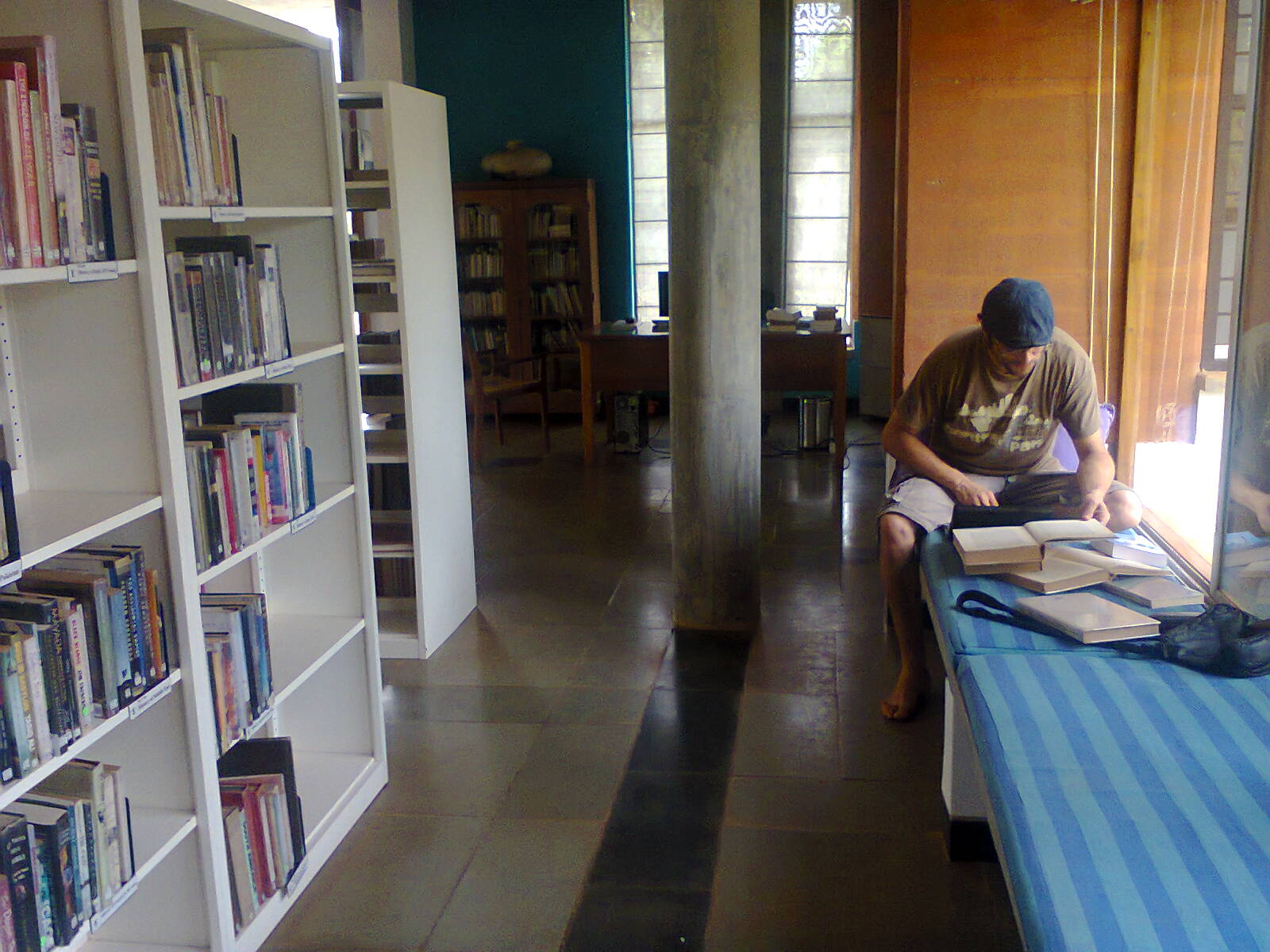
Auroville is the world’s chief repository of Aurobindo’s works, stored in a modern library on site, in which I have found a number of interesting paragraphs that have assisted me in my studies. It was while studying his words, I came across this remarkable description of poetry, which lovers of the art must enjoy.
‘All poetry is an inspiration, a thing breathed into the thinking organ from above; it is recorded in the mind, but is born in the higher principle of direct knowledge or ideal vision which surpasses mind. it is in reality a revelation. The prophetic or revealing power sees the substance; the inspiration perceives the right expression. Neither is manufactured; nor is poetry really a poiesis or composition, nor even a creation, but rather the revelation of something that eternally exists. the ancients knew this truth & used the same word for poet & prophet, creator & seer, sophos, vates, kavi.’
All in all a very erudite day, I was well inspired to work on the Kural, & I also read a little of the writings of Aurobindo’s partner in asceticism, the Mother, penning the following sonnet;
THE MOTHER ON YOUTH
You will become the Person you want to be
Our future is in our own hands
The higher our private aspirations
The higher our realisation
This is the key to youth
Never accepting the irreparable
& with firm resolution follow our true life´s aim.
Those useless years age us
Contentment beginning the decline
But unquenchable thirst for progress
Keeps us moving ‘til our dying day
Those deeming completed tasks
The start of things to come
Will never feel the weight of passing days.
Day 48
Left Auroville this morning & cross’d Tamil Nadu, which seems to consist of a verdant flat plateau interspersed with solitary bouldery peaks. One of these pointy geological reliques is the Annamalai hill, beneath which Thiruvannamalai nestles. It took me three buses to get here, but I’m here & I found myself in a very holy place, whose its temple is huge. I’ve booked into a cool hotel (Hotel Ganesh) for a week or so – alright, there’s a few ants crawling about at the front door – but I figure if I leave no food in my room then no ants will invade. Downstairs is a restaurant where I get my thali served on a giant banana tree leaf – makes sense really, perfectly bio-degradable. The hotel owner has also agreed to help me with my translations of Thirukural, while the reception on mi telly is wicked for the weekend’s footy. I think staying in a madcap town off the traveller’s trail is gonna be a nice way to get used to Tamil culture, seeing as I’m dedicating myself now to transcreating an ancient text. Its proper Indiana Jones, like – Indiana Damo, chasing down the lost literary treasures of the world in far-flung corners of the world.
Day 49
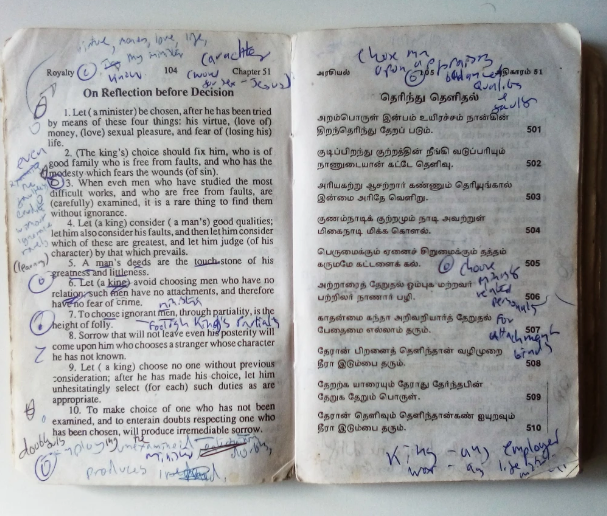
As Edinburgh is the Athens of the North, I would like to declare Thiruvannamalai the Edinburgh of the East. I swear down, Mount Arunachala is just like Arthur’s seat, with the town curled around its base – there’s probably a few other comparisons to be made, but to tell you the truth Scotland seems a long way away right now, bombarded as I am by all this nonsense. Did I say nonsense? I meant to say life-reaffirming, spiritually awakening, international cultural exchange.
My hotel runs a catering & management college next door & gets the students to do work experience, which involves cleaning my room whenever I want, & bringing food to my room & other little errands – very Agatha Christie. I’m on the top floor of the place, which means I’m among the rooftops of the town, always a cool sight. It’s made a lot sweeter, however, by the vision of Mount Aranchala, that fills up the panorama less than half a mile away.
At the foot of the mountain is the Sri Ramana Ashram, full of brainwash’d westerners who wouldn’t know a good time if it bit them on the ass. I tried to blag some free food there today, but they saw through my attempts at self-realization – & I’d even paid ten rupees for a bindi painted between the eyes. However, I do get to use their library, & that’s a fuckin’ godsend. I spent my morning & afternoon there today, under a fan & transcreating the Thirukural. I don’t speak Tamil, but I’ve got several English translations spread in a semi-circle about me, plus a dictionary & thesaurus. Additional help comes from my personal librarian, who is assisting me with the thornier moments thrown up by classical Tamil. It’s actually a very cool experience & the Tamils are rather quite taken aback by a Burnley boy poeticizing what is to all extents & purposeless their Bible!
My first port of call was Thiruvannamalai, a bustling town nestled beneath the holy red mountain of Aranachala. It was here that the 20th century Sri Ramana Maharishi had spent most of his life in deep contemplation. A famous ashram had developed about his mediations, which still thrives to this day, many decades after his death. One part of the ashram houses a library, & it was to its silent desks that I found myself drawn. To my delight, there were many books on the Kural, whose pages I plundered in order to create as exact & enjoyable a rendition of the Kural as possible. While I sat at the long desks, keeping cool beneath a spinning fan, several hefty tomes spread before me, I was helped many times by the librarian, Ramesh Babu, who would assist me upon awkward points of classical Tamil. All in all I am passing my day in complete discipline, focussing thought on page & poetry while my cortex is soothed by some cool cerebral wind! Its proper bangin!
Adventures on an Indian Visa (week 6): South-West India
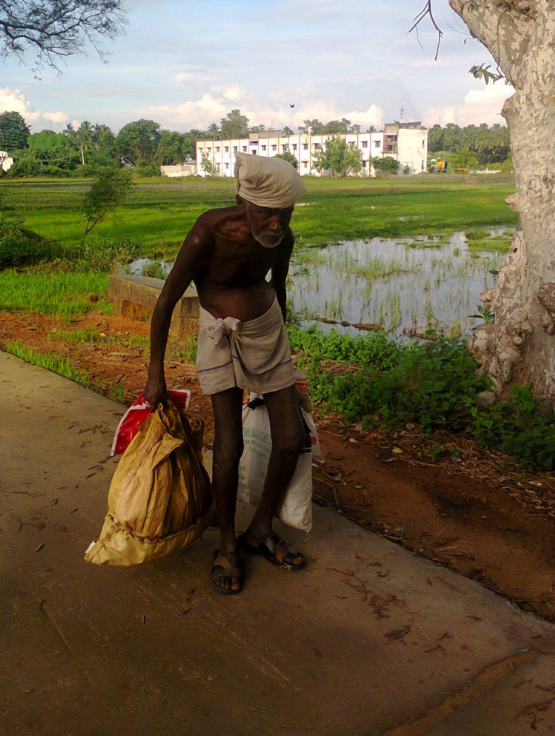
Day 36
Bangalore is a city very much in the vein of hectic Mumbai, but a hell of a lot cleaner. I arrived there just as the sun was rising, & honestly I’ve never seen so many trucks as they lin’d the roads for about 3 miles on the western approaches to the city. We then passed a golf course slap bang in the city centre, protecting pedestrians by these giant nets that ring its monsoon-lush greenery. Lining the route were loads of billboards & brand-new apartments, signs of Bangalore’s status as the most western city of India, growing fat on the IT industries & being the principle centre for telecommunications in India.
Nick-named ‘Silicon Valley,’ Bangalore really does paint itself as a modern western city – the Seattle of the east. I got dropp’d off into its pulsating heart at rush hour (about 8am), where many an American-clad youth was hurrying off to their call centre work. I then spent most of the morning in search of some rizlas to go with the very fine Nepalese charas I’d been tripping out on in Hampi, but to no avail. God, I would have paid ten pounds for a single fuckin’ rizla! So, ‘fuck Banglore,’ I thought, ‘I’m outta here,’ & ended up in a nearby fortress-town with the wonderful name of Sriringapattanam. It was once the capital of a king called Tipu Sultan, the ‘Tyger of Mysore,’ who was defeated by the Duke of Wellington, well before he was a duke, in the first significant victory of Wellington’s career.
Tipu stuck in the imperialist British throat like a chicken bone. It took them years to defeat him & make their first major claims on southern India. Tipu was martyred thro’ a vaguely noble death, personally defending a breach in the walls of his capital, where thro’ the smoke of battle the piss’d-up redcoats could not differentiate him from a common soldier & slew him, his body turning up next morning underneath a pile of his dead soldiers. I saw the very spot he died as I spent the evening being carried around the town in a pony-driven carriage, checking out all the sights, then later on deflecting an Indian businessman’s attempts to marry off one of his daughters!
I am beginning to get used to India & the people, if not falling head over heels in love with them. The country itself is generally quite scruffy, but the vegetation & scenery are often stunning. I’m also finding that on breaking away from the main tourist trail I am regularly encountering a non-hostile curiosity as to my country? my good name? my marital status? & my job? It;s all very cordial & it’s a case of so far so good, while somewhere south of here there’s another beach with my name on it.
In the hotel I was staying at I had a crazy conversation with this English guy. A month or so ago he had been kidnapped at gunpoint in an alleyway in Hyderabad & held captive for three days in a derelict house. He had no food or water & was forced to telephone his family in England for some cash, inventing a reason as he did so. Luckily, they didn’t understand enough English to realise he was telling his dad what was really going on & the gang was intercepted outside a bank just before they collected the money, with one ‘bandit’ being shot dead. However, instead of flying immediately home the guy has kept the two grand & is now writing a book of his experiences in the much more tranquil environs of Sriringapattanam. I mean, this country, it’s such a place of wild extremes, I love it !
Day 37
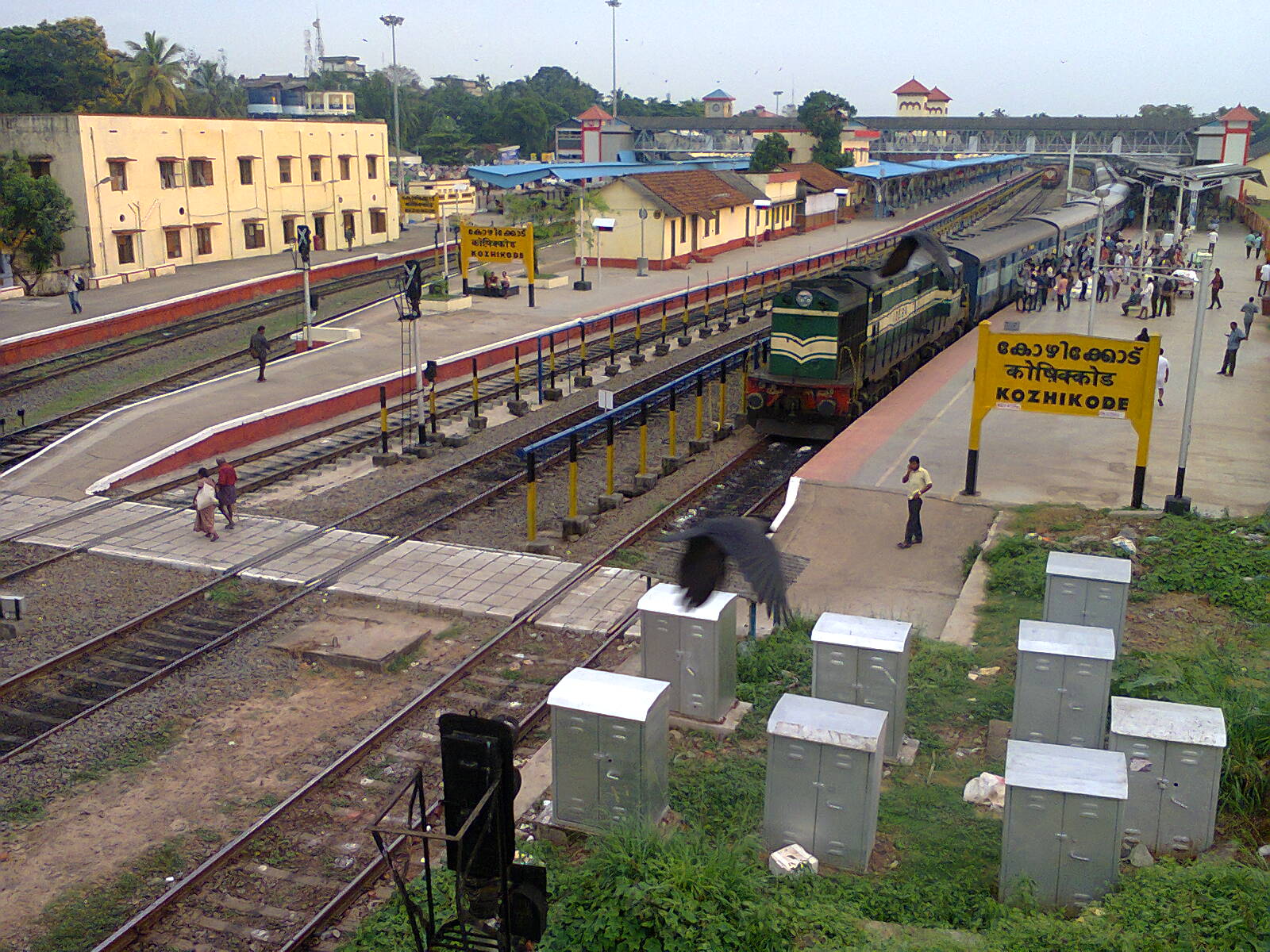
This morning I moved on to Mysore, where fate once more push’d me into the company of this old, bald Swiss guy I’d bumped into at both Goa & Hampi (weird). We agreed three random meetings is more than a coincidence & we’re thinking of hiring out a houseboat to sail the Keralian backwaters in a couple of days. I’m meeting him in a place call’d Fort Cochin tomorrow.
Mysore was the most pleasant city so far – wide European streets & a genial atmosphere, – but not enough to make me stay. I spent instead another six hours on a bus winding thro’ thick jungle. As my soul’s boatman cut thro’ Karnataka I burst once more atop the feisty Ghats, drinking in the heady views that lead to Kerala, Calicut & the Arabian Sea, drinking a £1 bottle of whisky & grooving to my tunes.
Calicut’s a big, historical city, & the site of Vasco de Gama’s 15th century arrival in India, as celebrated in the epic poem The Lusiads by Camoens. On Vasco’s first arrival, the shock’d natives carried him head high in palanquins to their king, who made the eternal error of doing trade with the White Man. So, Vasco swaps loads of gold & silver with the Indians, including 50 knives with ivory handles, for all the spices of the east & takes them back to Portugal, where he’s heap’d with praise & honour. While being lauded, a second expedition went to Calicut, but this lot clearly didn’t have Vasco’s charm & were all slaughter’d instead. Vasco the return’d to India with a mini-army & was this time full of retribution. He took captive 800 merchants trading peacefully; cut their hands ears & noses off; tied their feet together; covered them with dry mats & leaves; then set the ship on fire. European imperialism & all its evils had just arrived in India.
On Vasco’s first visit, he was piloted to the Keralian shore by two Thomas Christians, a subsect of Christianity that hold the apostle, Saint Thomas, extremely high in their religious esteem. Some even think he was the twin brother of Jesus. Anyway, about the year 52 AD, he is said to have landed on the Keralian coast & establish’d seven church communities. Apparently, he went on to die near Chennai in Tamil Nadu, where I will be heading at some point. But back in today, by the late afternoon I was taking a wee walk thro’ a proper jungley suburb of the city, where I pass’d a large group of village lads playing footy. I was soon barefooted & joining in, playing in defence with an occasional Highland charge into the goal-scoring area. My fellow defenders were three coconut trees, seeing as the rest of my team all seem’d to be strikers, & we did well to shut out the other side despite our goalie also being a striker, & went on to win the match 3-0. Afterwards, I shook about thirty pairs of hands & went home in my merry old way.
Day 38
This morning I delved deeper south into Kerala, which unfortunately is an alcohol-free state. I am currently nestled amidst the rooftops of Fort Cochin, an old Portuguese enclave & very pleasant indeed. It’s all rather charming, & it seems very much like a typical English Sunday; reading the Hindu times, drinking tea & watching cricket in my hotel. I have just enjoyed an excellent meal watching the end of the latest one-dayer between England & India, which we won, much to the waiter’s chagrin! I’m glad I got my food before the English won! I’ve totally discover’d now that the Indians – all Indians – take their cricket so seriously, so passionately, because here cricket is one of the actual Gods, it seems, with Sachin Tendulkar the messiah & Sehwag the second coming.
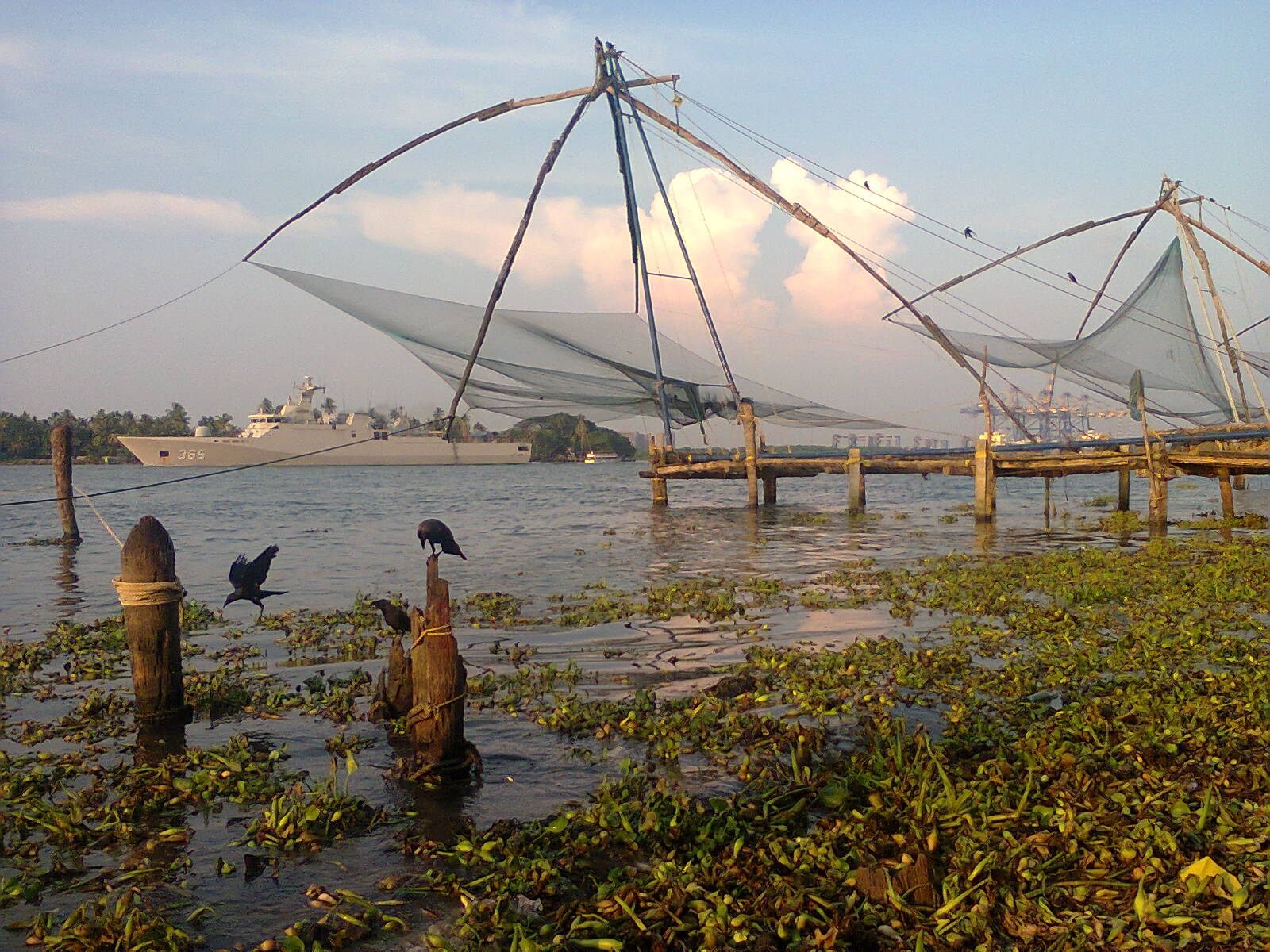
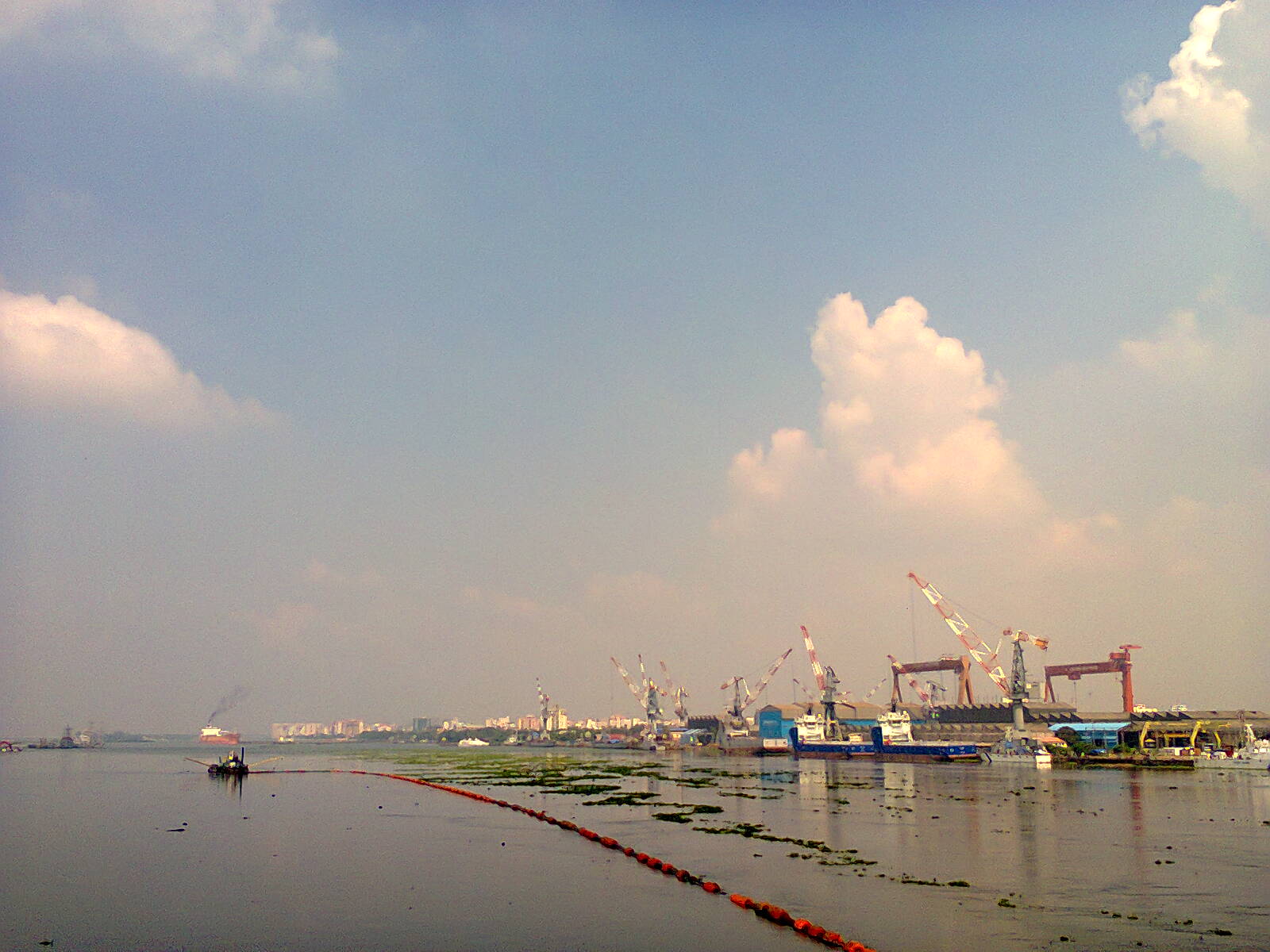
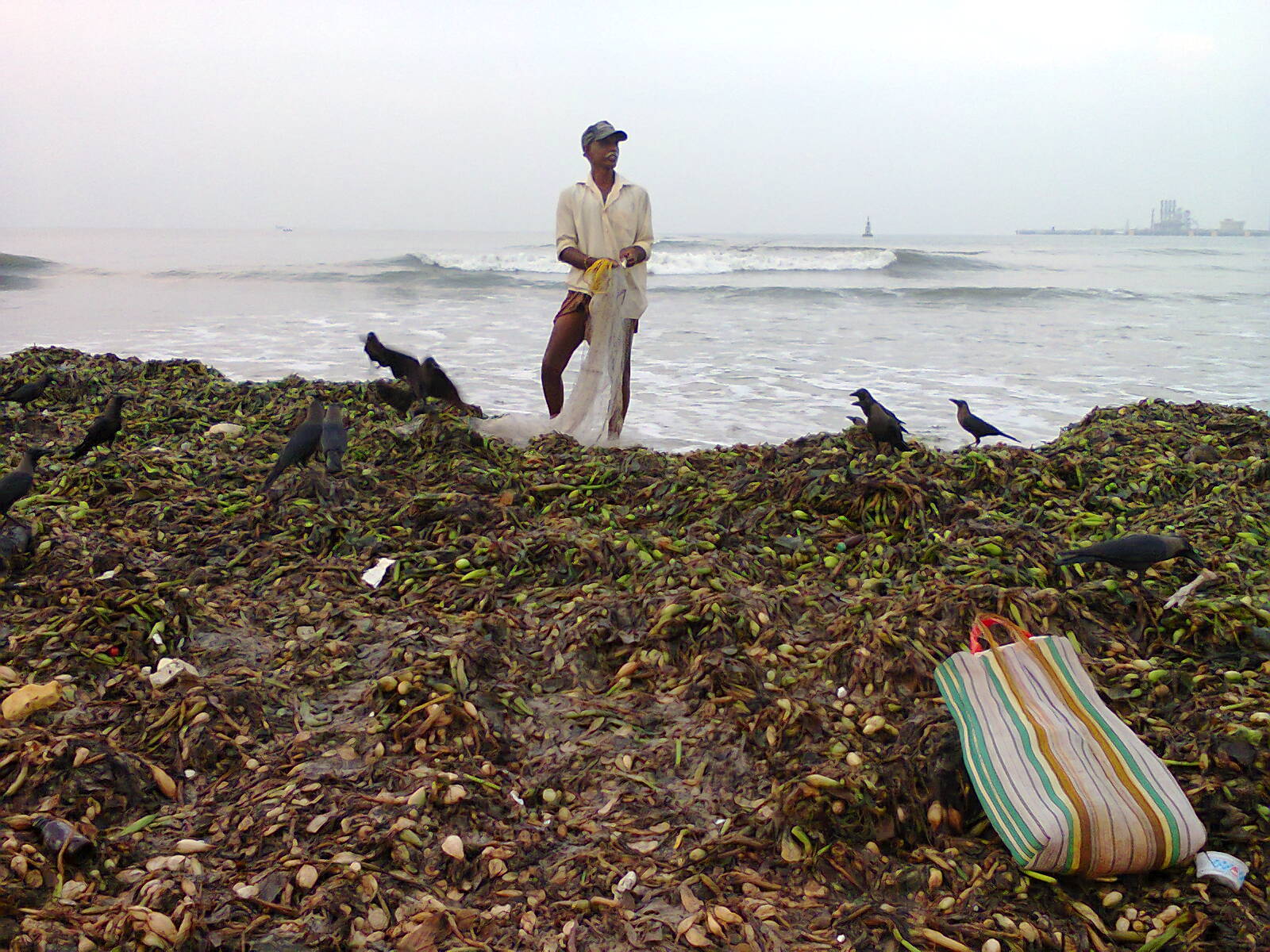
Beyond my little enclave, Cochin is a bit touristy, but a pleasant place where you lounge on the rooftops among the Portuguese buildings, or lazily stroll along the sea-front, admiring the Chinese fisher nets & checking out the catch of the day. Also in Cochin is the Swiss guy, who has pick’d up some quality weed back & we were sharing it on the hotel rooftop terrace, the both of us suitably stoned & swaying, when not so long ago he nearly lost two fingers in a fan above us – it sounded fucking painful. Because of the accident he says he’d rather stay in Cochin & heal his wounds, so looks like I’m doing the backwaters on my own.
Elsewhere in India-land I am winning the battle of the Mosquitoes. The Nazi bastards & their droning whines have had the upper hand up until now, but I have recently been developing some new techniques. At first, I would set up a safe defensive position under my net, only venturing out for some ‘zapping’ with my heaviest book. It is very dispiriting to look at their ‘splats’ & see your own crimson life-force sprayed across the wall. However, I have started to use the net as, well, a net, & catching the fuckers in it & then crush them to bits – it’s been a very effective strategy.
I have just penn’d the following sonnet while enjoying the evening ambience;
Come share a second with serenity
Up in this lake of European rooves,
This crescent lamp’d oer th’Arabian sea
Lulls me thither, I hear the sound of hooves…
At once a sacred chime grows on the breeze,
Some teller of a thousand ancyent tayles,
Some from the world’s crop-fellers overseas,
Some cross the Karakoram’s lofty trails,
Some were seekers of immortal glory,
Some content to be husbands, to be wives…
Tho’ the vision all clutter’d & hoary,
With me a single memory survives,
Being extras in the global story
We are stars in the movies of our lives.
Day 39
Left Cochin, got myself to Aleppy, then went on an 8-hour boat trip along the gorgeous Keralian Backwaters. It was serene as fuck, passing pretty little villages, some of the menfolk fishing with spears as they dodging the steady flow of humming boats. Cue exotic birdlife, waving kids, & a ten-mile an hour cruise on what has to be one of the most beautiful ‘bus rides’ in the world.
I’d bought some brandy for the voyage, which the captain soon noticed, on which he immediately invited me into his cabin for a drink (of my brandy). Coming in towards Kollam I, & all my soul, paid witness to one of the golden treasures of Kerala… the narrow backwaters suddenly fanning out into an awesome, horizon filling scene… 360 degrees of palm tipp’d coastline. I was literally hauled onto my feet in one of those intrepid explorer moments. Many others had seen the scene before me, but I genuinely felt I was the first to ever see it!
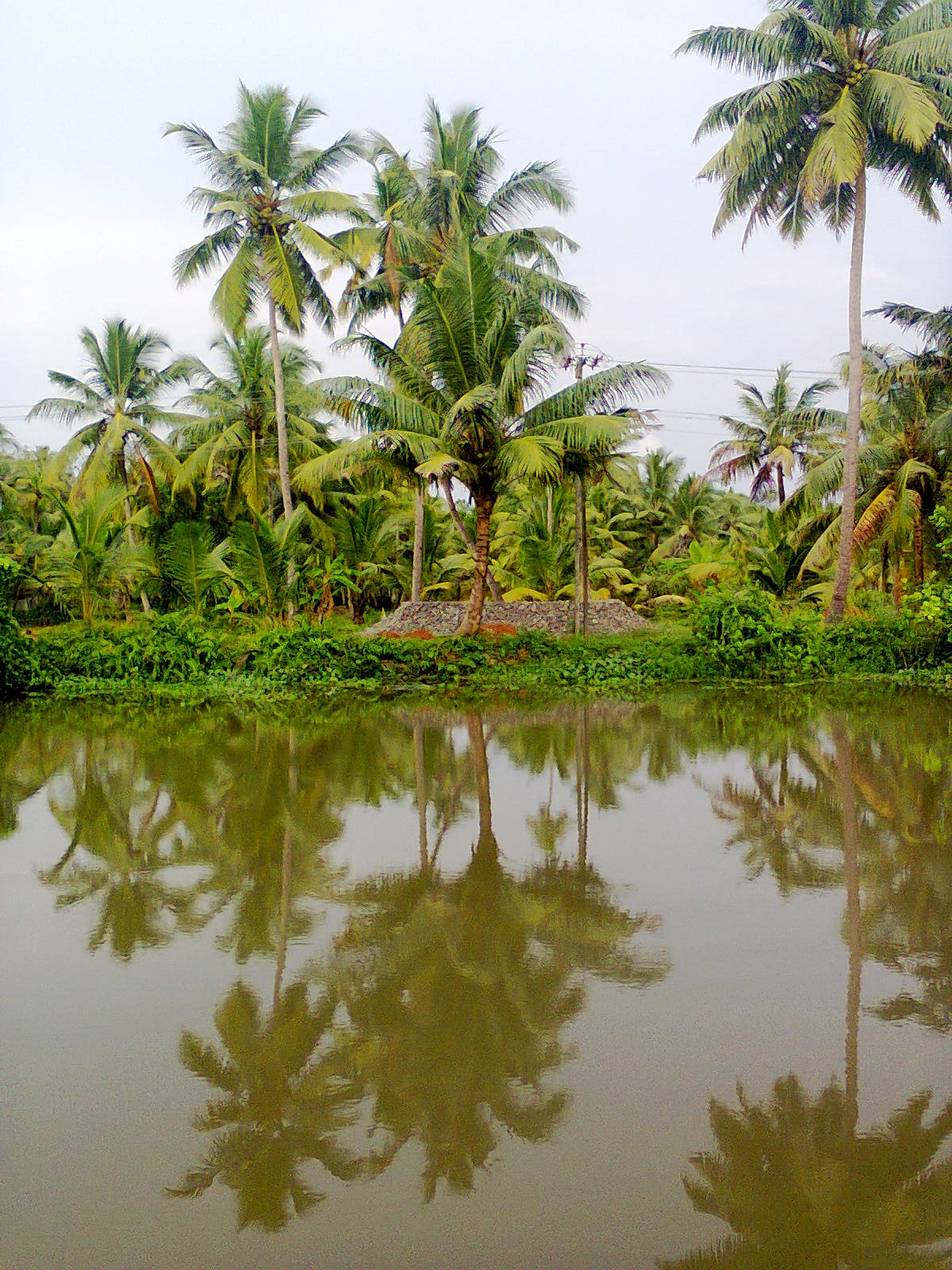
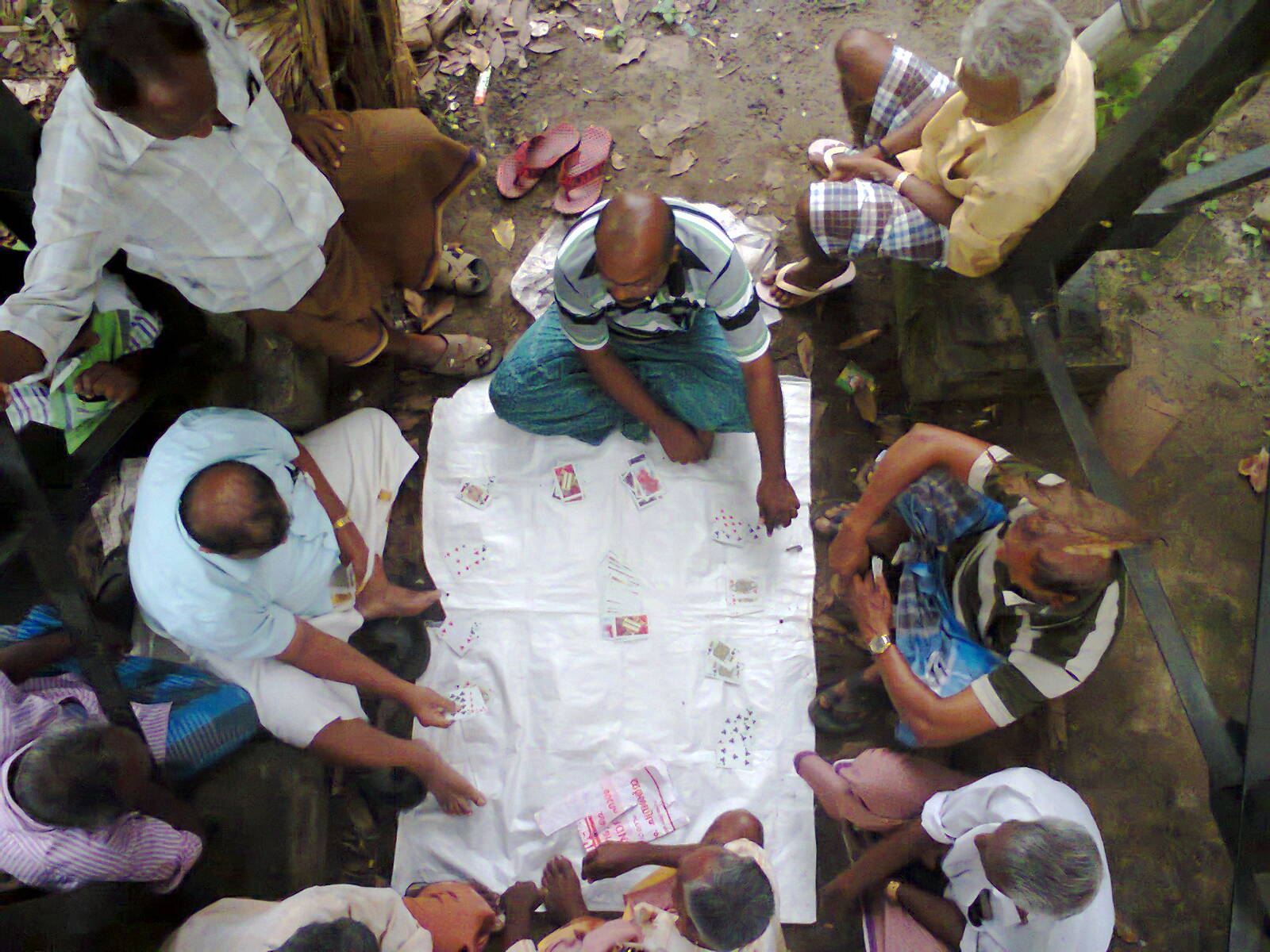
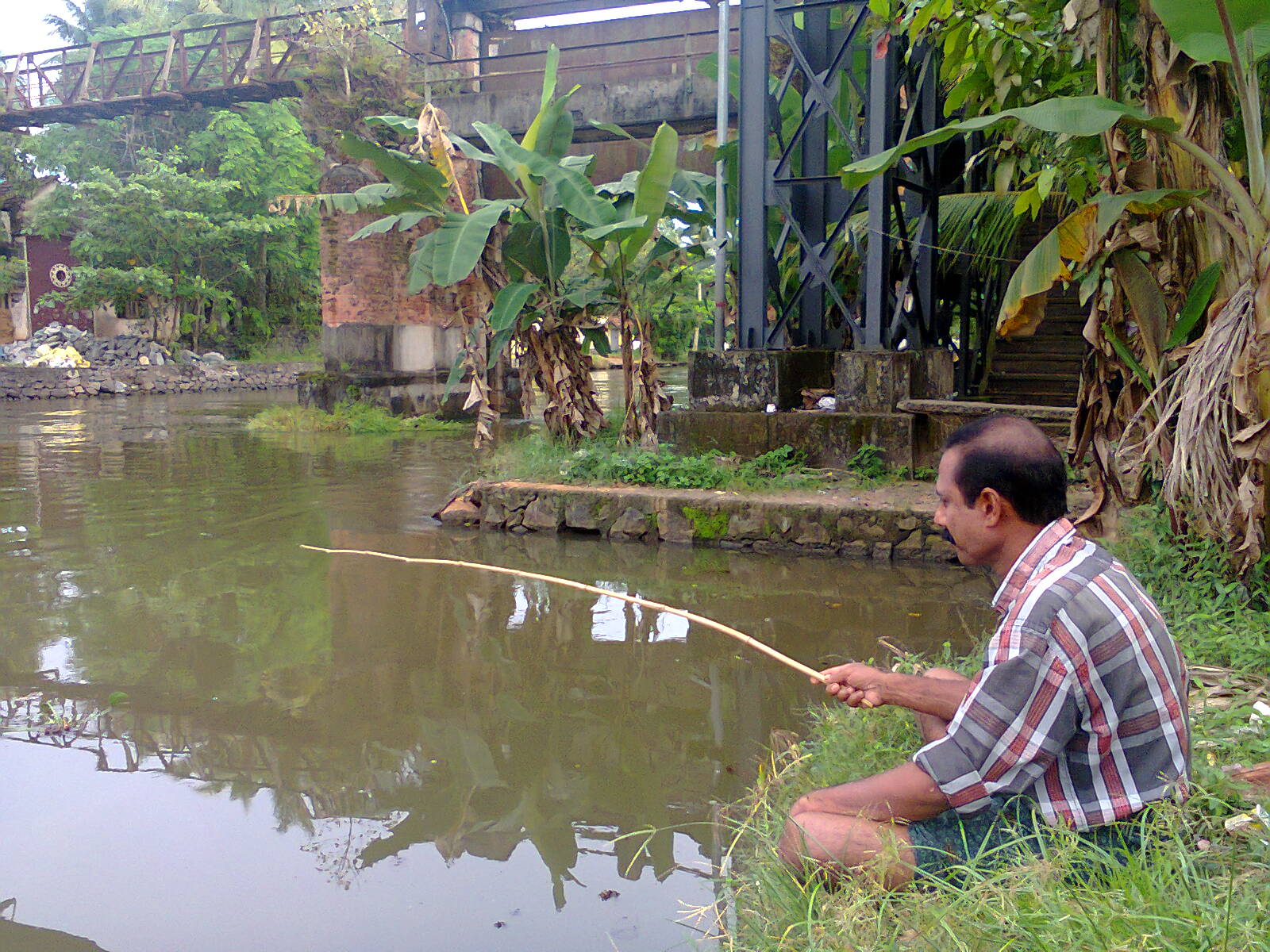
A wee while after this wonder of travel the sun set, it got dark & I found myself finally nestl’d in beach-hugging Varkala, of which I shall describe in more detail tomorrow. It’s definitely nice to be by the sea again, however, my spirits are soaring.
Day 40
Ah, the beach!
Varkala is well chill’d out. Dark, golden sands hugging the bottom of volcanic red cliffs, on which sit a number of restaurants. Life basically consists of lying on the beach interspersed with refreshment breaks (those steps up the cliff are a killer). I have never been this close to the equator before, & it’s hot! We’re also close to the Indian Ocean & I can sense as much from the waves – they are mean fuckers. Already I have lost some beads, a pair of shorts & got a nasty graze on my arm from being flung onto the sea-bed & for I while convinced I had broken my neck!
I’ve got great accommodation, pleasant rooms by a pond (so the fish eat all the mosquitoes), with my own private eating hut set out in the water. Tonight, I was sat down smoking with a woman, who works in a Milanese publishing house, with whom I was practicing my own limited, but relatively proficient apprenticeship of the Ausonian lingua franca. Meanwhile, my tantric landlord has just leant me a guitar so I’m gonna sit down & write me some kind of psychedelic ‘Eastern’ number – I’ve bought some Indian tunes & a big bag of grass so wish me luck…
Day 41

A very shanti day. Shanti means peaceful I think. Nothing happen’d of note, tho’ I did complete the song. This is what I came up with, the main impulse of which seems to be some kind of desire for neo-imperialism. I’m not quite sure where it came from, but the tune’s bangin!
SHANGRI-LA
I’m gonna buy myself an island
I’m gonna plant me my standard there
I’m gonna claim it for my country
As I build my country there
I’m gonna buy myself an island
I’m gonna build me my palace there
I’m gonna fill the pool with diamonds
Fountain rosemilk everywhere
Following the eastern star
Sailing to the shores of Shangri-La
You don’t have to travel far
To find out the star you are
I’m gonna buy myself an island
I’m gonna build me my prison there
I’m gonna chain the native wisemen up
In mucky dungeon’s air
I’m gonna buy myself an island
I’m gonna build me my harem there
I’m gonna bed the native beauties
Scatter rubies thro’ the air
Following the eastern star
Sailing to the shores of Shangri-La
You don’t have to travel far
To find out the star you are
I’m gonna buy myself an island
I’m gonna build me a harbour there
I’m gonna send a boat for all my friends
This paradise to share….
Day 42
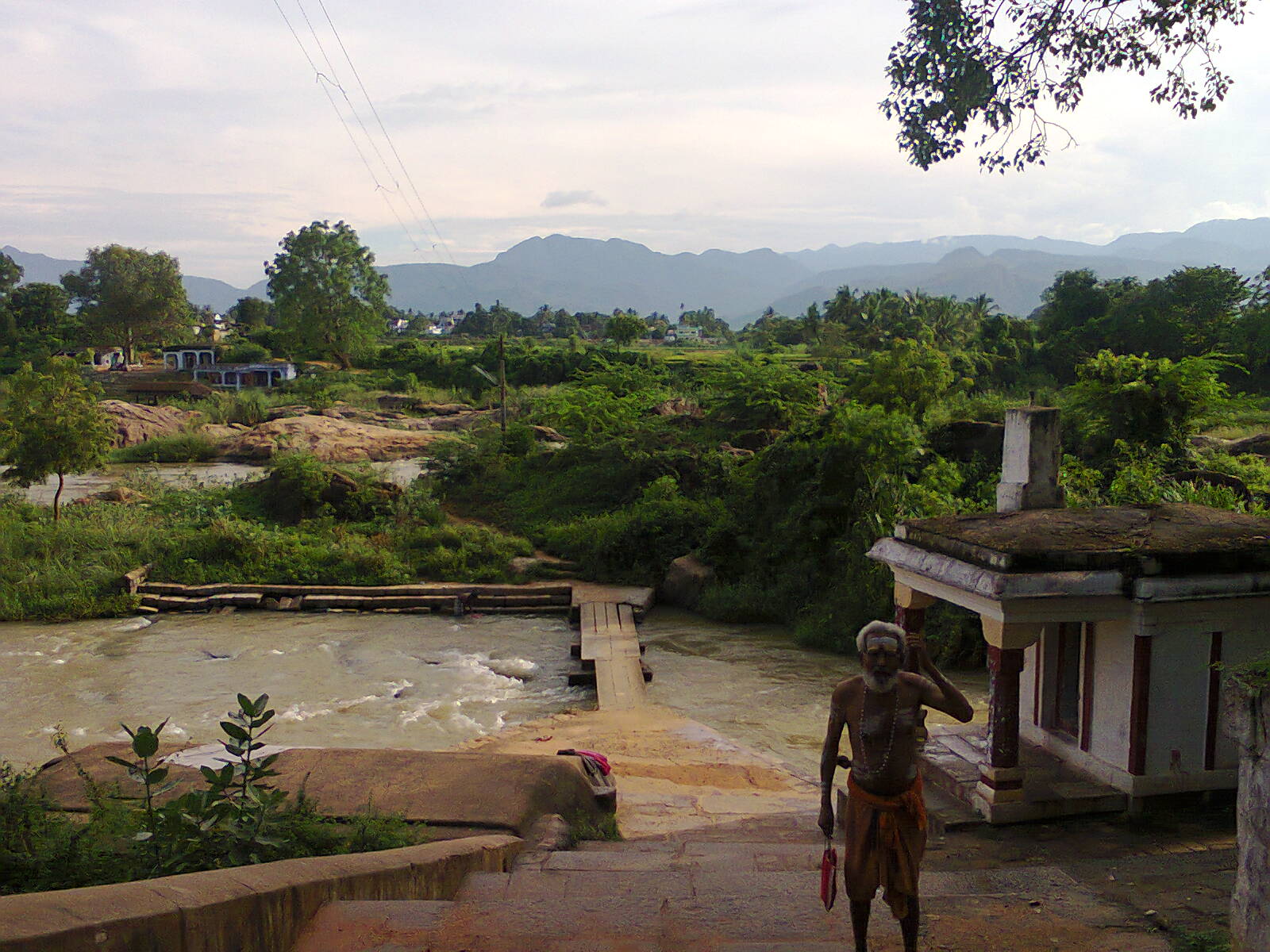
After a lovely full day on the beach, I left Varkala; one song & two bags of weed to the good. I was soon heading into a new state call’d Tamil Nadu, where up & over the Ghats I found myself in a place call’d Ambassamudram. The electricity was only on for a few hours at a time, but you don’t need electricity if you’re exploring amazing forestry with a driver & guides, wandering about the gorgeously green uplands of the Western Ghats, on the trail of an Indian saint call’d Agastya.
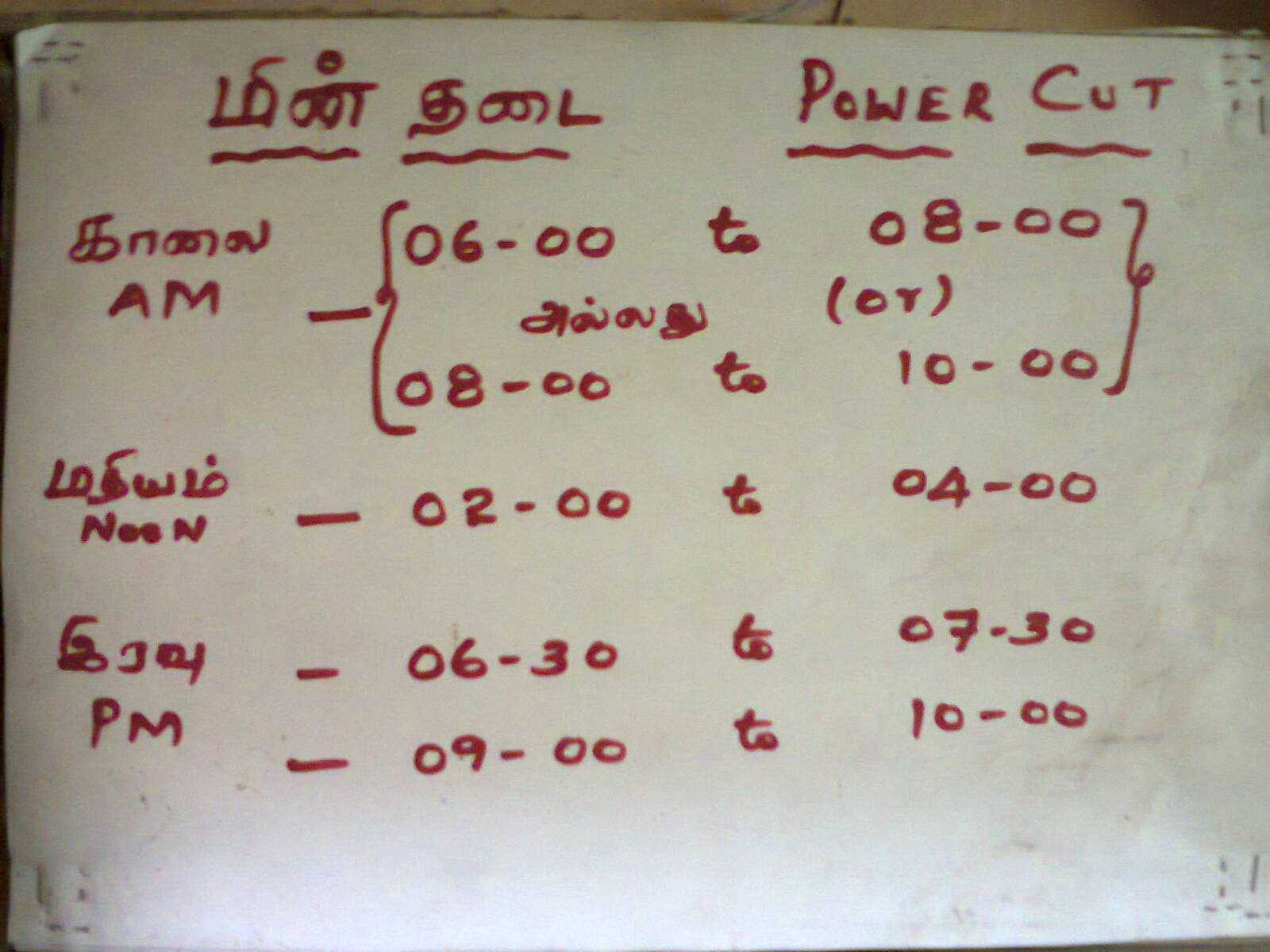
I’d read about him online yesterday in Varkala, studying the area where I was going & all that, & he sounds a very interesting fellow. According to this one guy (Dr. Mandayam Kumar of the Siddha Medical Research Institute in Bangalore), ‘Jesus Christ had his training under Sage Agasthya and spent nearly twelve years at Paradesi Kundai of Courtalam Hills, undertaking Yogic training.’ I mean, Jesus Christ, studying in south India, that’d be a turn up for the books. Unless it’s in one of the 50-odd books kept secret by the Vatican City that are thought would be devastating for Christianity at once if they ever saw the light of day.

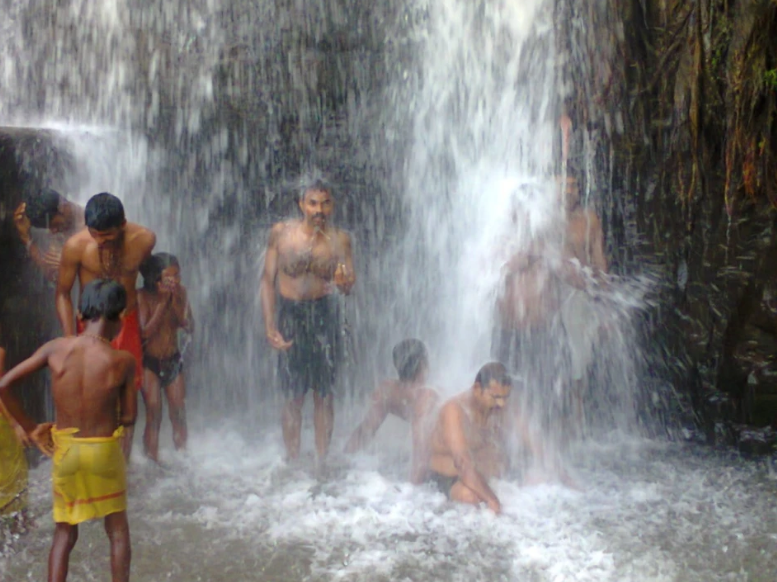
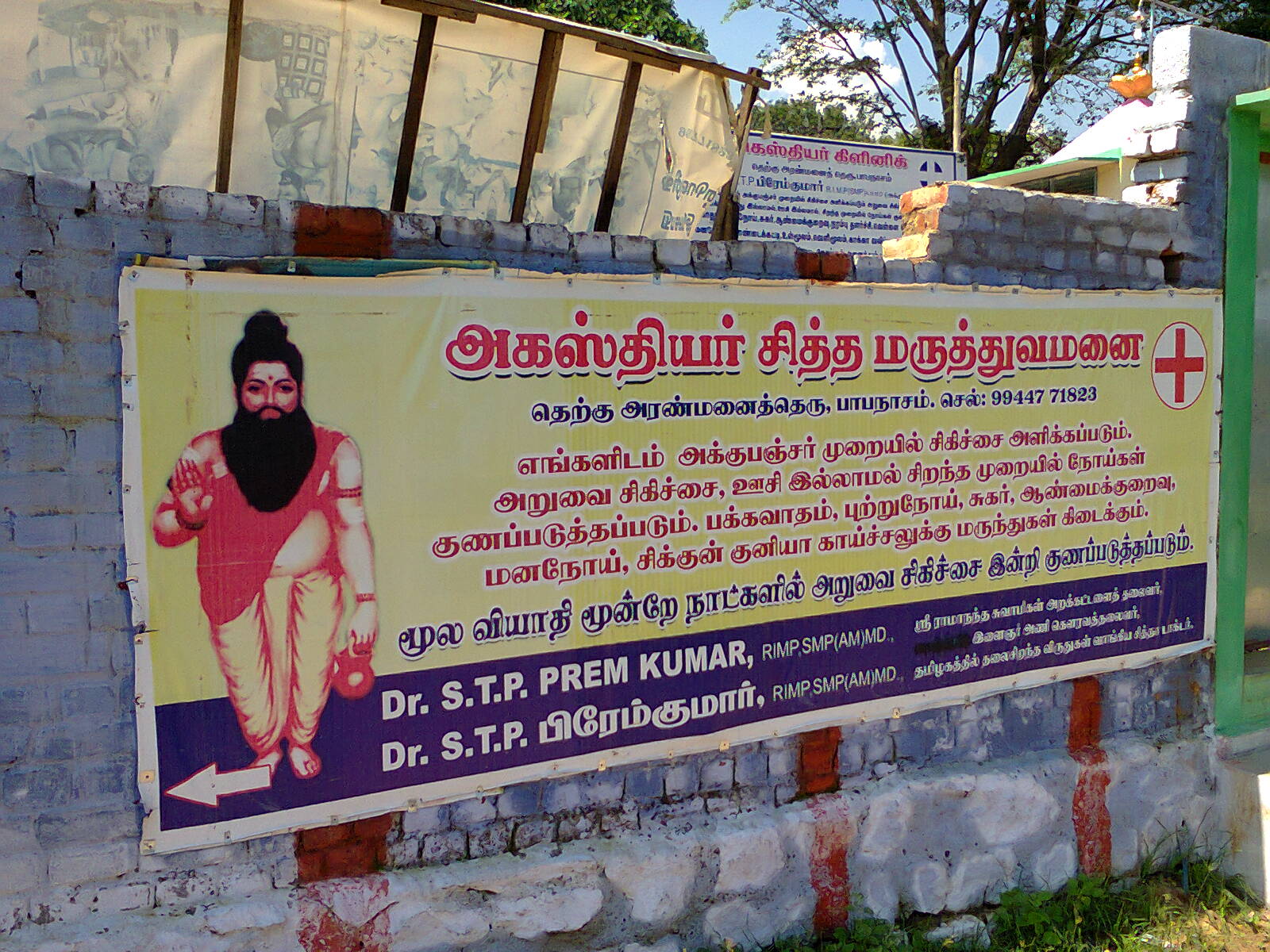
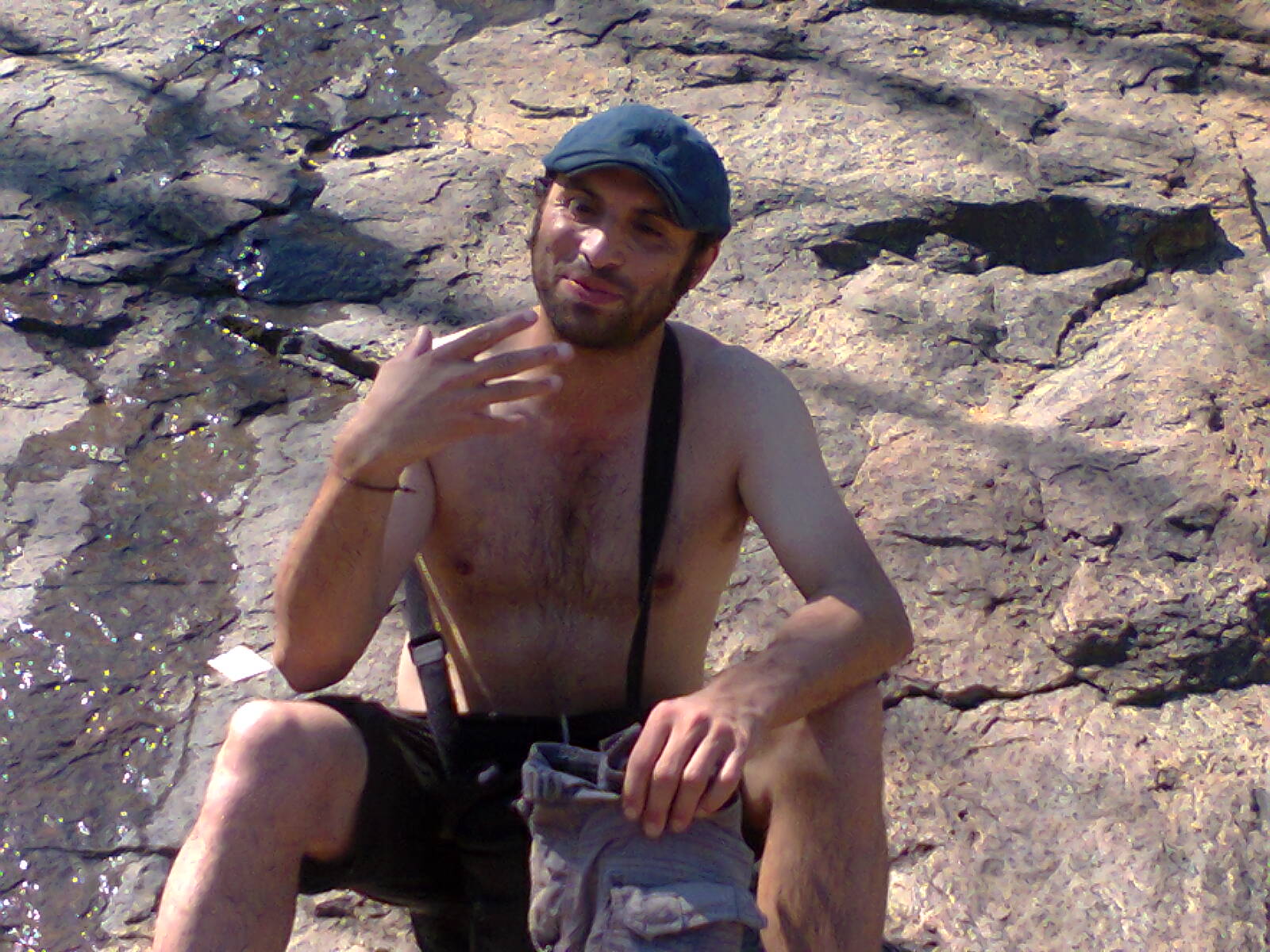
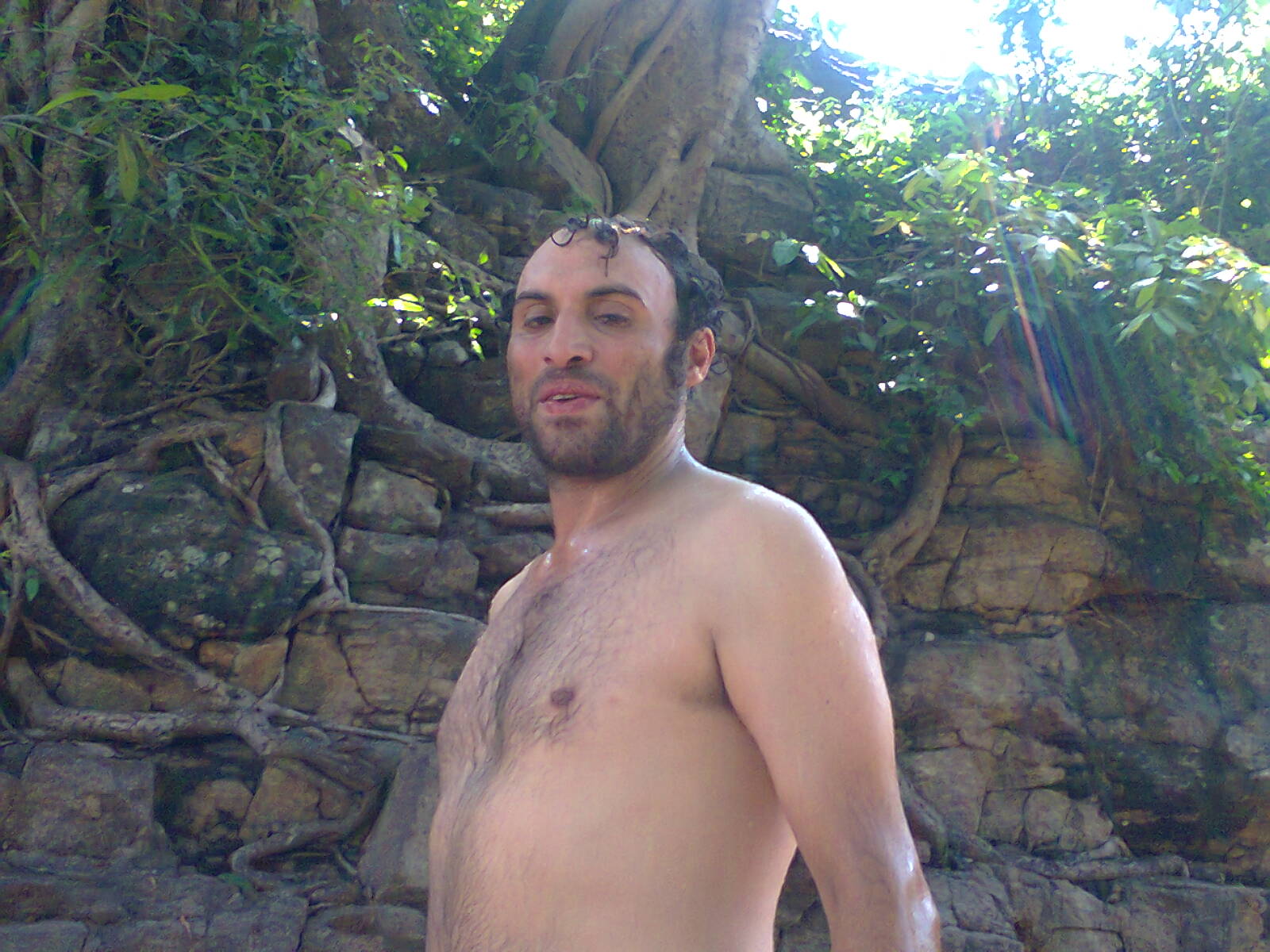
It kinda makes sense, y’know. Agastya was said to be able to render his body into a state of suspended animation at will, a meditative state known as samadhi. Yogic masters slow their breathing and heart rate down to such an extent that they would appear dead to the onlooker. This is surely the most important connection between Agastya and Jesus, for it tells us the exact way in which the latter survived the Crucifixion. There’s also a fascinating connection between the ‘miracles’ of Jesus & the medical system known as Sidha, whose home is in the hills near Ambassamudram. One of Agastya’s preparations, for example, Boopathi Kuligai, could bring the dead back to life, just like Jesus did with Lazarus. There’s also Choondu Varma (mesmerism) and Kirikai Chikisai (psychiatry), which were the same disciplines on which Jesus drew in order to cure daemonic possession (Mark 1:23-27).
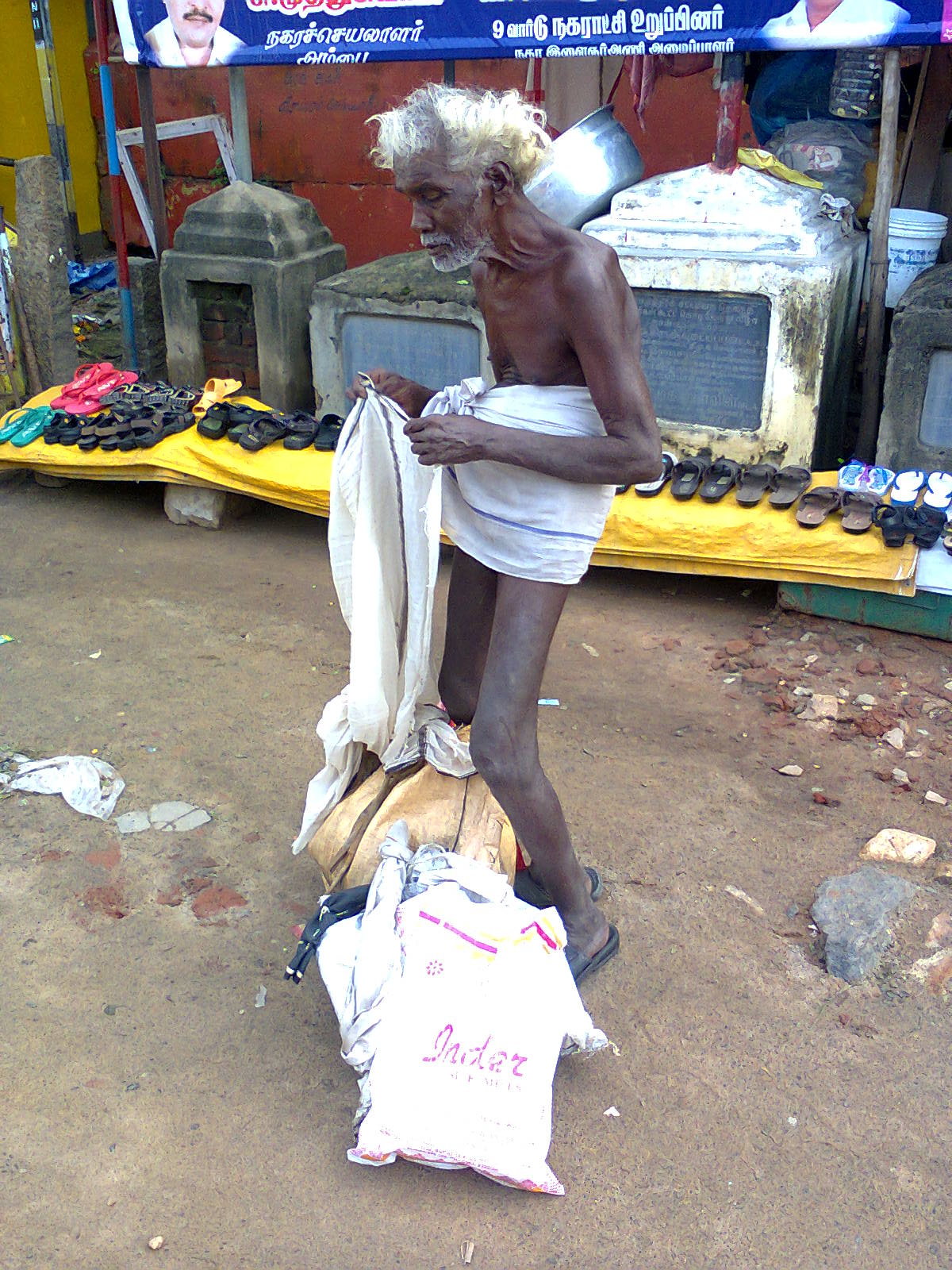

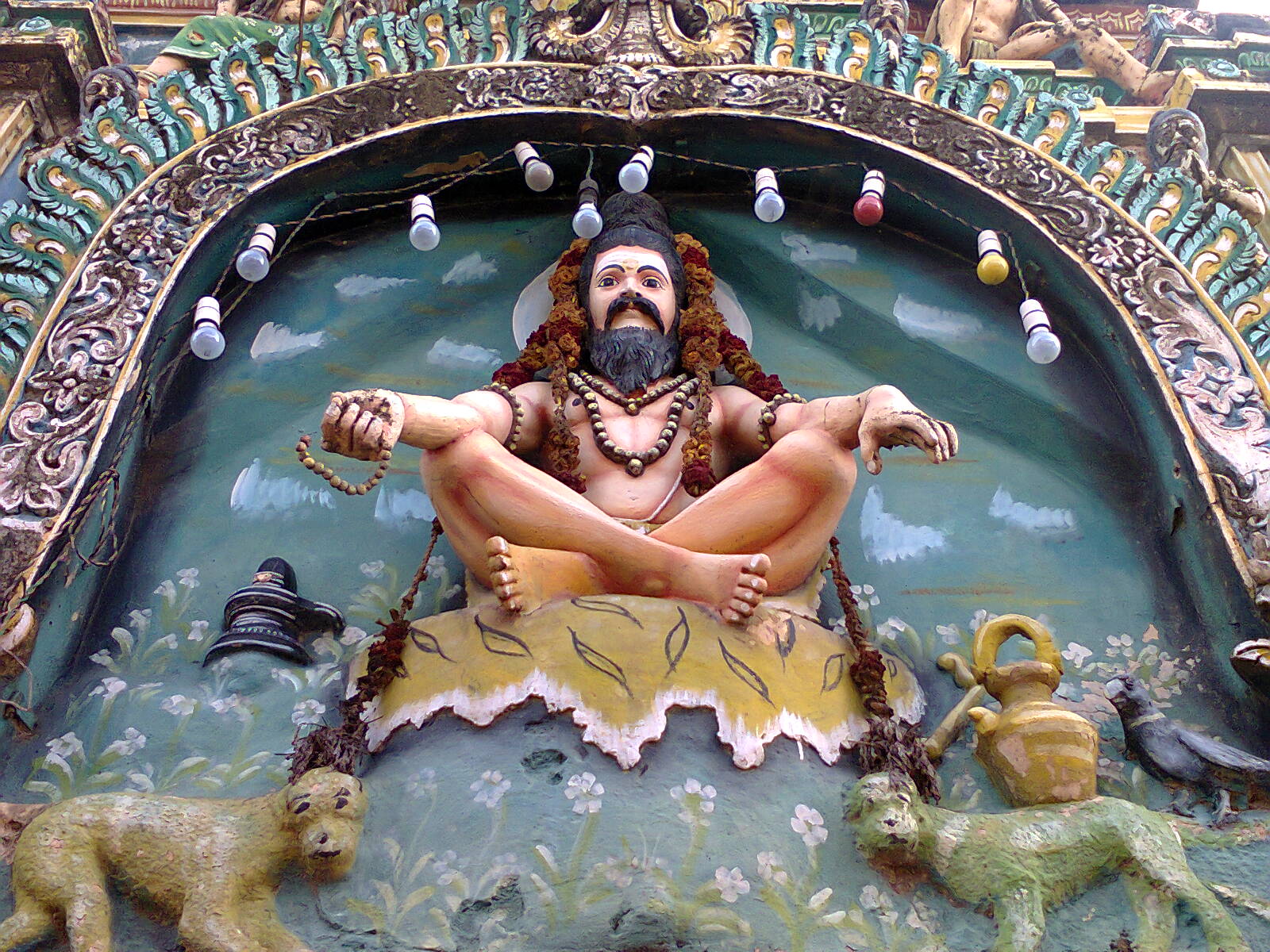
I found quite a lot on the internet, actually. There’s another Siddha-Jesus connection comes thro’ the curing of ophthalmological disorders, which we may discern from Dr PJ Thottham’s, ‘certain oils believed to have a cooling effect are applied to the head. They keep the nervous system active and healthy. Among other types of medicine are the ones instilled into the eye, such as mais or kattus which are rubbed on a stone, along with the juice of a plant, milk, coconut water or rose water. The resultant paste is applied into the eyes with the help of a stick. Similarly, there are certain medicines in a paste form, which are applied externally on the eyelids of the patient.’ This method, of creating a paste to rub into the eyes of the afflicted, has an intimate resonant tone with the curing, by Jesus, of a blind man;
When he had thus spoken, he spat on the ground, and made clay of the spittle, and he anointed the eyes of the blind man with clay. And said unto him, ‘Go wash in the pool of Siloam. He went his way therefore, and washed, and came seeing.’ (John 9:7)
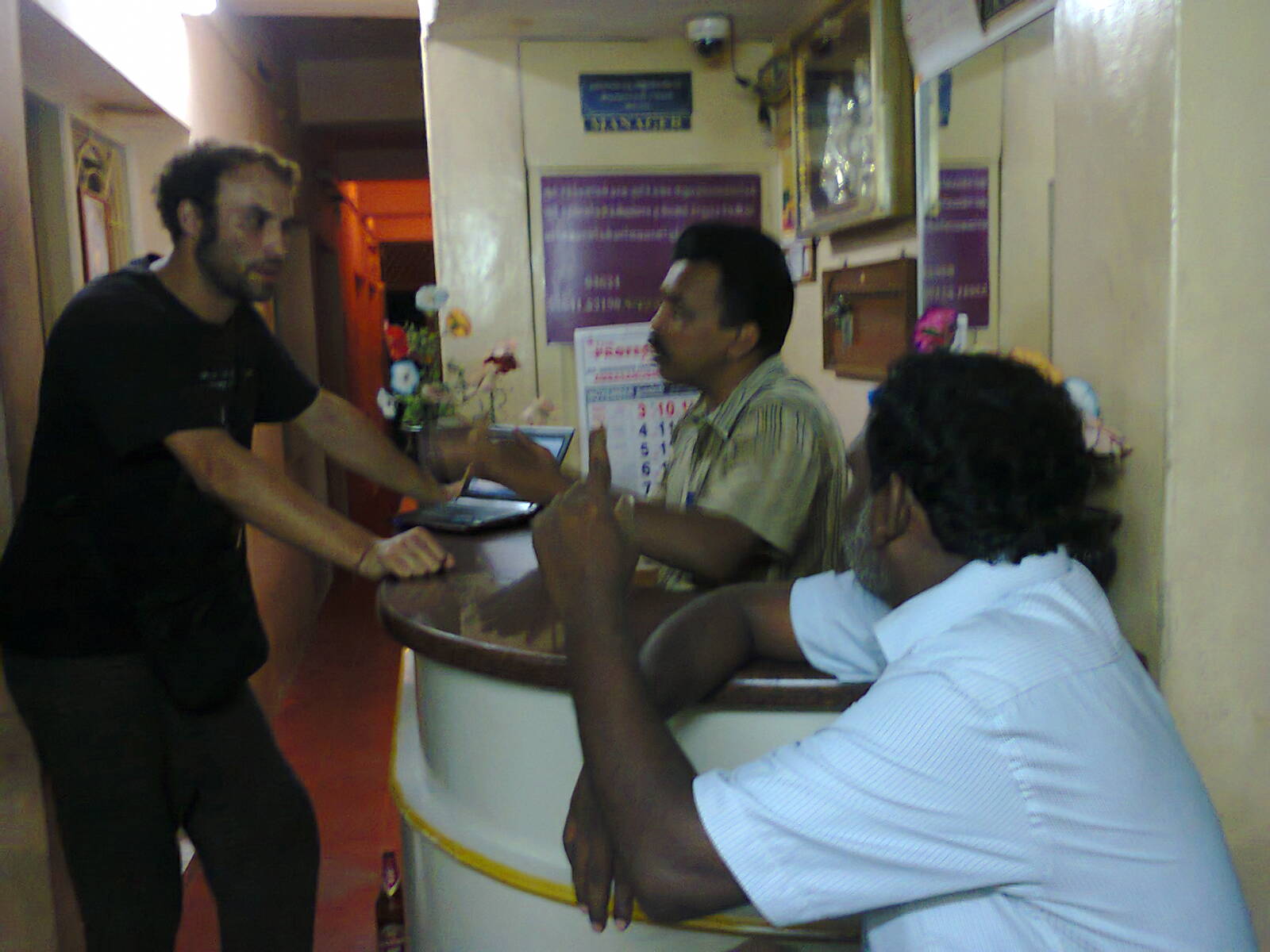
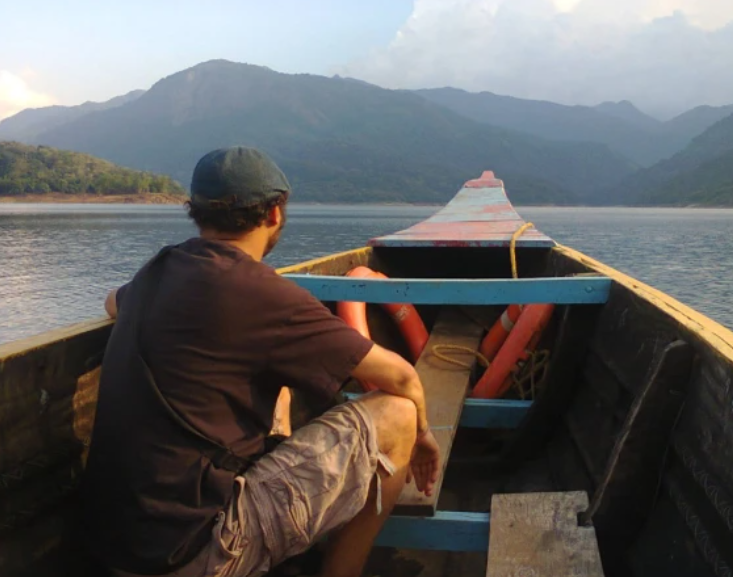
Agastya was suppos’d to have lived upon the Potiyil hill, which I witness’d towering over the locality like the Tamil Mount Doom, a cone-shaped edifice erupting out of its less aesthetic shadowy cousins of this portion of the Western Ghats. On arriving in Ambassamudram, however, I discovered that to visit the mountain I had to go in from the Kerala side, gaining permission from Trivandrum forestry commission en route. I’m not going back for Kerala, fuck that, so my new plan was to get as close as to the Potiyil as I could, which involved travelling with a couple of local guides who helped us cruise through the security checks & avoid the Ring-Wraiths (Forestry Commissioners). I had a splendid old time, including a dip in a powerful waterfall at the Agastya Falls. Another highlight was a boat-trip across a man-mad dam, whose surrounding scenery was more beautiful than anything I’ve seen in Britain – it was so epic! But this was as close as I was gonna get to the Potiyil Hill, for as I’ve already, said the trekking paths up it actually started on the other side of the Ghats, back in Kerala. I didn’t mind, however, for the day had been a majestic one, & I slept the soundest of sleeps back in Ambassamudram.
Adventures on an Indian Visa (week 5): Hampi
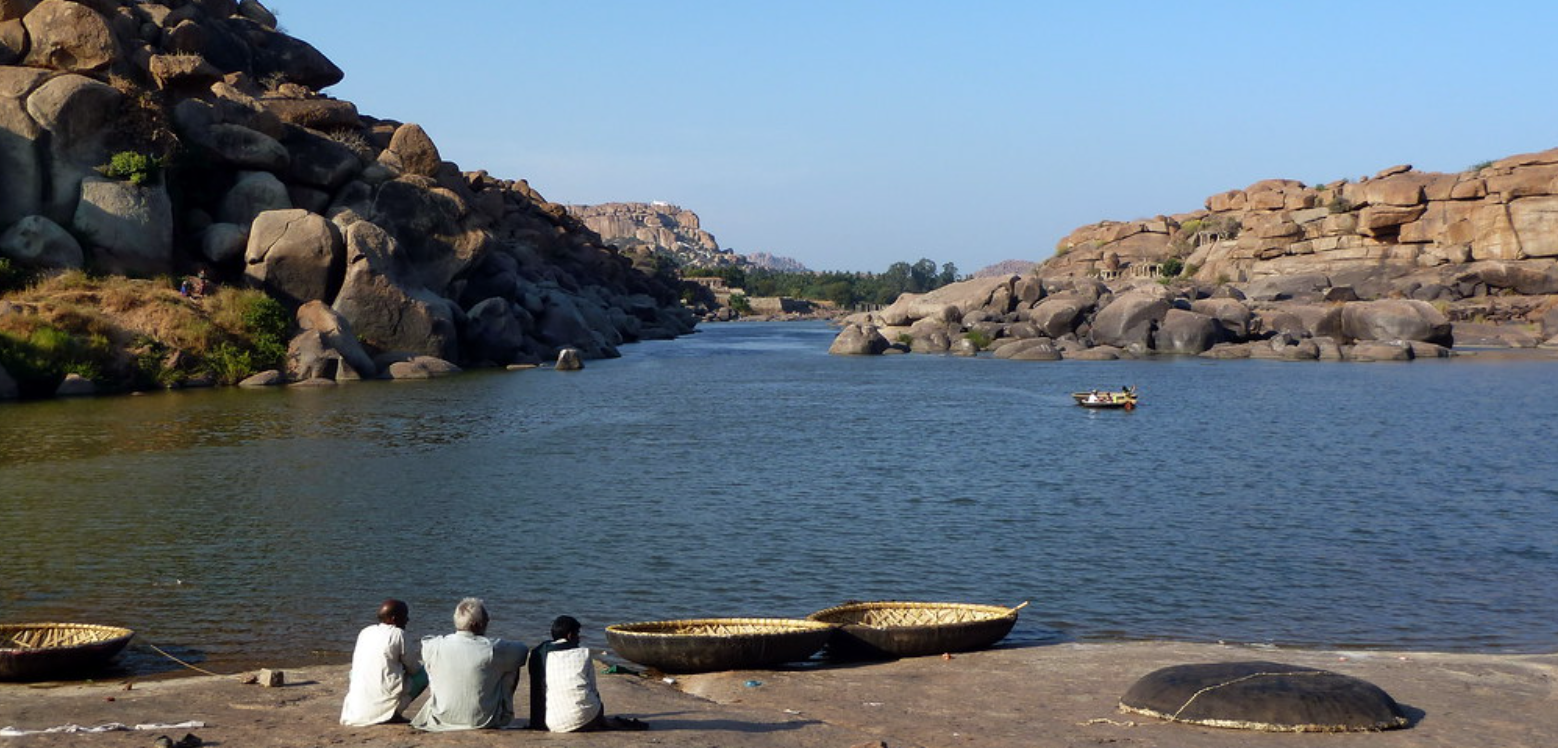
Day 29
This morning, & scratching my itches like fuck, I set off for Hampi, arriving on a bus just as morning was breaking, as all around me appear’d the ruinous environs of an ancyent city called Vijiyanagar. Several hundred years ago it was the fabulous capital of a great empire, with six-mile wedding processions on cloths of gold, & kings with 12,000 wives. The ruins are reminiscent of Rome, but instead of mad Italian traffic rushing about inbetween, there are banana plantations. It was razed to the ground half a millennium back & has remain’d uninhabited until recently, when the hippies arrived. After passing abandon’d temples full of monkeys, I was ferried by basket-boat to a little settlement across the river from the old city. Crossing the river is quite an experience as you pile into this wee boat with up to 20 others, along with mopeds & massive bags of food for the restaurants – its a miracle the thing doesnt sink.
However, once across it so serene, a tantalising place which bathes the soul. It is call’d Virpapurgaddi, across the Tunghabadra river from the more bustling, Indian-heavy Hampi. The village spreads out alongside the river, & is made up mainly of restaurants. Beyond begins the wonderful bouldery landscape that is a sheer joy to wander in – very alien – with the ruins blending into the landscape, while a wonderful river flowing through the area. I had a wander first thing this morning & came across the Saraswathi temple, totally inspiring.
There’s a few of the residents here at a hippiefied ‘rainbow camp’ – full of chess, guitars & even Nedved from Gokarna with his gonzo instruments. Then, as pastel lustr’d sunsets muster’d oer Vijiyanagar, silhouetting a bongo player stood on a boulder playing to the heavens, I shared the stunning scene with Doratha, a beautiful little Romanian creature. We were led on these warm giant boulders, still retaining the sun’s heat, & there she taught me a soothing meditative technique.! I think she was too hippy for a Burnley boy on heat, tho, & our time together ended without my wooing her. A great shame for she was hot as fuck ! It seems my mojo is finally spent, which is a great relief, all in all.
Day 30
The mosquitoes came out last night to bite, but a bike-ride early today to Hospet saw me equipp’d with a mozzy net, and a couple of things I didn’t really need – when you enter an Indian shop they treat you like an old friend & offer you everything in the shop. Anyhows, by the end of the day my new ‘armour’ kept out most of the bugs & I zapp’d the couple that got inside – a peaceful night’s sleep.
I’d cycled to Hospet on the place where I’m staying’s push bike, & I’d done it without wearing a hat. So when I got back the guys didn’t recognise me so sun-soaked had my skin brown’d. Proper camouflage for the rest of my trip in India thro’ those packs of infernal touts.
The rest of the day saw more touring of the area; overbearing statues of lionesque frog gods, funny-faced monkeys, fluorescent birds & the world-fabled Monkey Temple, a white edifice perched high atop a boulder hill about as high as Edinburgh’s Arthur’s seat. This Instead of climbing the tortuous steps, I traced a route up the boulders & went scampering up them like an agile monkey. The boulders themselves are a tottering bunch, forming mad wee caves beneath your feet on which a slip could prove messy. However, I handled them well with monkey-like agility & found myself at the temple. This turned out to be Hanuman’s birth-place, Anjamadri.
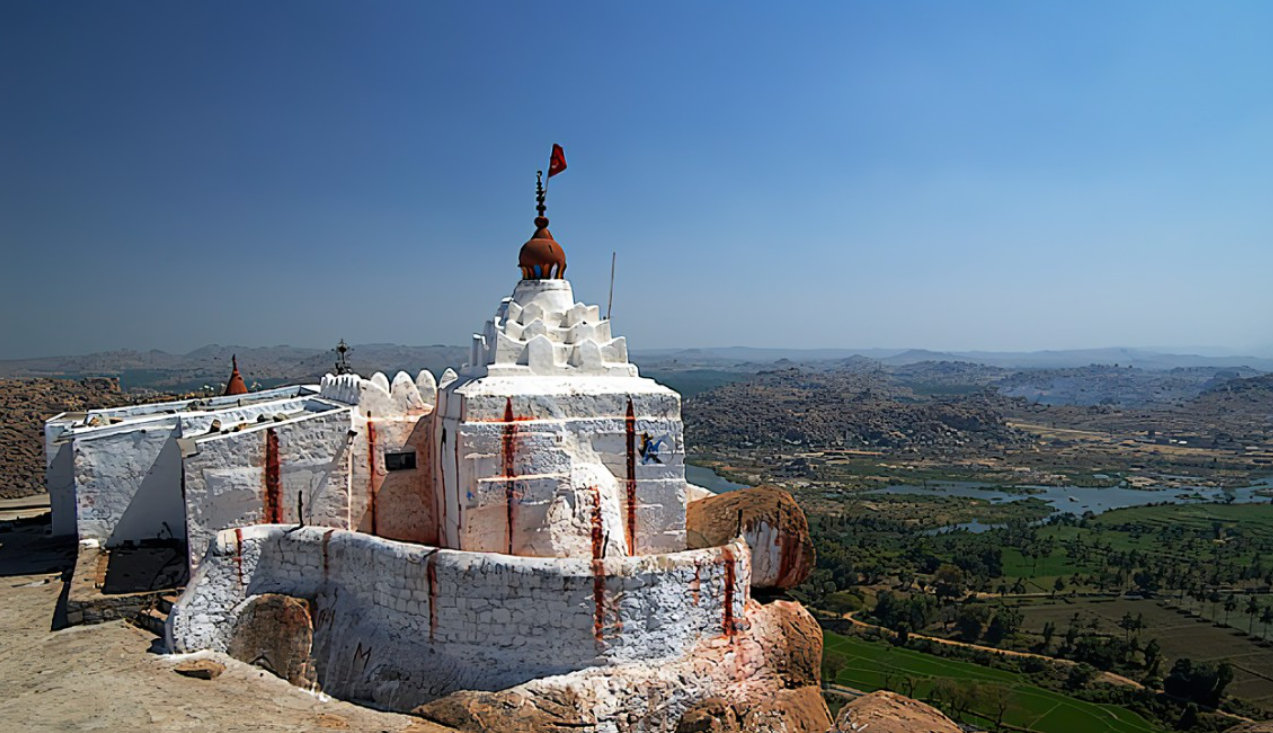
At the top I saw a great many of Hanuman’s descendants, the males of which, both old & young, were stood uprights on the backs of the female’s knees & nailing them in front of all & sundry – a very curious sexual position indeed. I also shared one of those karmic moments with a wee laddie with big fangs. As I skinned up, I’d left my bag on some rocks, complete with money & passport & all mi weed. Then I turned around & came eyeball-to-eyeball with a monkey who had his hand outstretched an inch from mi bag. We stared each other down like something out of High Noon, before he scampered off emptyhanded. A lucky break, I found out, for deep in the boulders lies the graveyard of lost baggage, stolen by these theivin’ monkeys.
Day 31
I am currently convalescing from a fall.
This morning I went for a scramble over the huge boulder piles, like little hills but full of batfill’d caves. Believe me, they stretch for miles – like the ruined columns of some ancient giant temple – I’m right next to the fuckin desert here. Anyway, I stumbl’d across a small village & smoked my last charas joint, on which the tripp’d out guru-owner of a restaurant offer’d me some nice Nepalese black, just in time for an after-breakfast spliff.
In the afternoon I set off to ‘boulder’ the environs of a lake. En route I passed through this wee village & began to take notes on a possible ‘scene’ poem; of the chai shops at the crossroad with old men chatting & smoking beedies – a small amount of tobacco wrapped in a tobacco leaf & cheap as fuck -; of the water buffaloes plodding through town; of the school-kids with their oversiz’d backpacks & their baskets with a bottle of water & lunch wrapped up in newspaper; of the two identical ‘universal shops’ in the village, with the same frontal displays full of soft drinks & Lays crisps – magic masala & tangy tomatoes –; of the stray dogs wandering around; the barbers & the mad political flags from some forthcoming panchiyat elections. The last thing I noticed was a wee clinic, as I left the village for the gorgeous reservoir dammed above it. I began to bounce along the boulders round its rim, when after only a couple of hundred metres I came across what seem’d to be a ‘stream of rust. Unfortunately, under the rust was water, & with a yelp I slipped & was carried down it, water-slide style. 10 meters down I was coming to the ledge, tried desperately to grab a branch, then went over. Luckily the fall was wee enough, but the momentum I’id gained span me sideways & my fall was broken by a boulder, on which I then cracked my head with a spot of whiplash. Ouch!
I immediately got double vision, which still hasn’t completely subsided – & about twenty cuts, mostly along my left leg. I’ve also got back pain & cannot lift my left arm up above my head. Still, I’m not dead, so happy days. From the scene of the fall, after ripping up my shirt to stem the blood flow, the chief of which was on the bottom of my right foot, quiet a gash, I hobbl’d back to the village. Luckily, the first house I came to was the clinic I’d seen before, & I got my wounds dressed & bandaged by some very friendly Indians, before hitching a lift back home.
That night I proudly showed my wounds to a couple of French lassies back at base. A jewellery maker/seller called Sagoo, who lives in Ardesh – a hippy envirnoment near Nice. The other is a Parisian, & is on a wee break before going back to work in Calcutta as a French teacher. Her name is Amelie, & I think we’ll meet again – she says she’ll help to find me digs in Calcutta if I get there on this trip. Calcutta sounds cool, the capital of the British Raj, no less, so I should go. It was also from Amelie that after teaching her ‘no worries’ in English, she taught me the phrase ‘l’ecole de l’echeque’ – which means learning from your mistakes… i.e., if you’re bouldering & there is something that obviously looks slippy – don’t fuckin’ step on it!
Day 32
Today I slow’d down a hell of a lot, letting my wounds – & chiefly my foot – heal, & trying to shake off the concussion. Out of sheer boredom, however, I manag’d to hobble to this sacred temple where I came across a baba just like Father Ted, who has been there 50 years & moans at everyone who turns up. There is another baba at the temple, however, a thirty-year-old gorgeously-bearded dark-skinned fellow, with only one leg. We got on famously & he gave me a wonderful overview lecture on the Ramayana, which along with the Mahabharata is one of India’s two epic poems. It’s all about Rama’s bird, Sita, being nicked by demon call’d Ravana & being taken to Sri Lanka. Then with the help of Hanuman, Rama goes & rescues her.
As I sat down with him on a rock in the shade, he got out this weighty bi-lingual tome (Hindi & English) & read through passages for me. It was so cool as he skipp’d the more difficult words with a wee mumble, & then elaborated on the ‘main points’ of the lesson. It turns out the temple is built on the very spot where Rama met Sagriva, the chief of the monkeys, & where their friendship was sealed with a handshake. Sagriva then agreed to send millions of monkeys out in search of the lost Seeta.
On the way back home I was attracted to a wedding by this amazing sound of drums & horns. It turned out to be two drummers, a trumpet & a clarinet indulging in call-&-answer eastern psychadelia. Around them a great troupe of Indians were indulging & chit-chatting, with the wee ones making mischief at their feet. I was invited to join them in some food & observed a lovely ceremony. The bride & groom were knelt down on something of an ironing board, covered in turmeric, which gave them a yellow hue. Then out came the shampoo sachets & they were both drenched in water until they were clean – some cleansing poojah before the evening’s sexy victuals I think.
Day 33
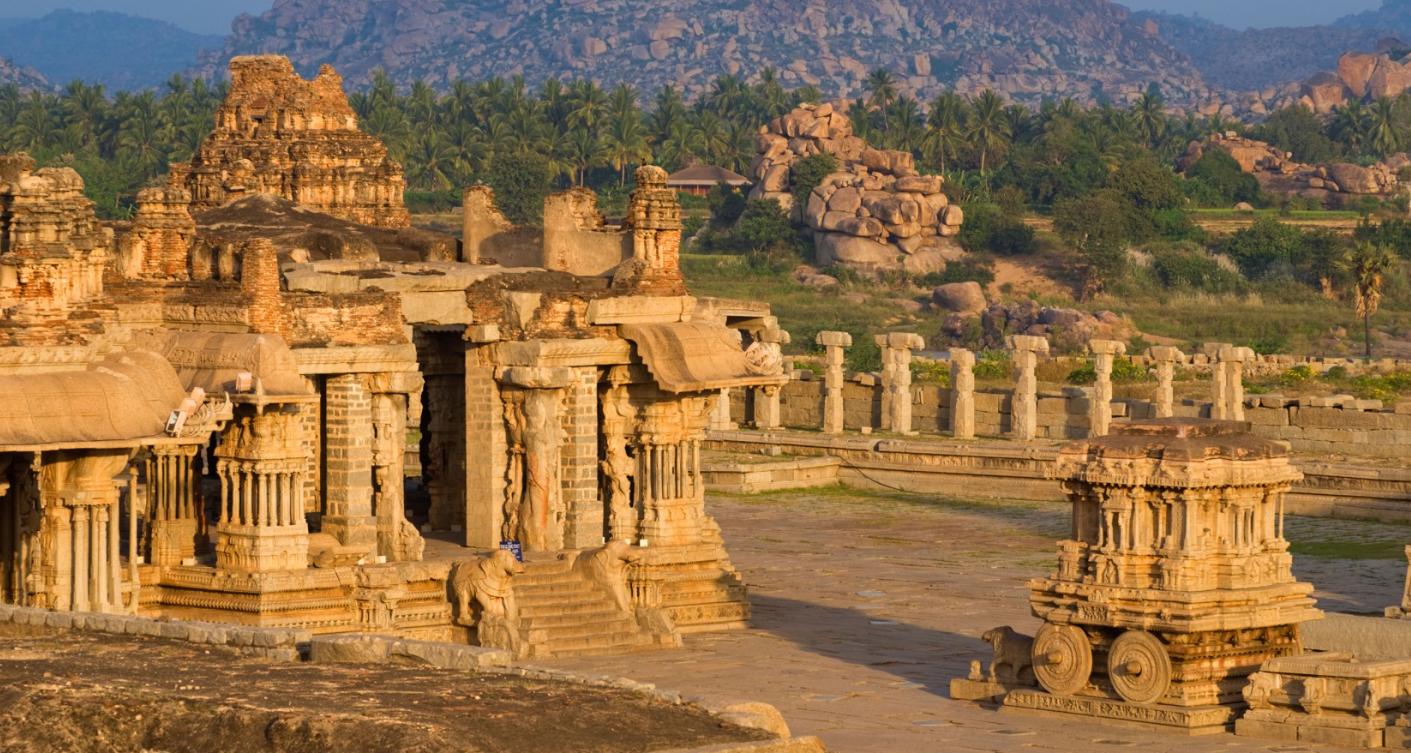
Today I got a job. I can’t believe it, that’s two in a week with my DJ shift – I’m supposed to be on fucking holiday! I spent the day hanging around my place, lounging in hammocks or on the comfy matresses by the low tables, watching the ferry to & fro over the Tunghabadra. The view is gorgeous, with the ghats of Hampi sprawling for a quarter mile across the silky waves. There’s this posse of folk staying here who all seem to have had a knock to the head, as they are just as lazy as me – reading smoking & making jewellery. There’s four Austrian birds & a gaggle of young Israelis buzzin’ about on bikes. There’s also this young brahman caste lad (the elite) from Bangalore with karated-up forearms. There’s this wild nineteen-year-old French bird who has boys following her like lost puppies, & so on.
My concussion seems to have almost gone now, despite it being occasionally topped up by banging my head on the door frame of my cottage. I’m simply too tall for India. Since my fall, every time I ate anything I went out of my idyll to a small, popular street restaurant round the corner. It’s run by two brothers – Faruk & Ismael Hussein – the latter being called Smiley. In fact, he’s like the Indian version of me, grinning constantly. He keeps saying we are same-same-but-different. Anyhow, every time I’ve tried to pay they keep saying pay next life. Tonight I came to the conclusion they might mean it, so with, when Smiley being away at his local village getting ‘jiggy jiggy’ from his wife, Faruk was suddenly inundated with annoyingly aggressive Israelis, so I stepped into the brink & waited my ass off. Great fun. I noted down the orders I took – this is what you get for just under a British tenner;
A special thali (loads of bits n pieces)
Veg rice
3 daal frys
3 chappatis
2 aloo gobi
6 rice
1 mattar paneer
2 malai koftas
1 chi
3 mineral water bottles
3 cokes
2 plain nan
3 maslala dosa
2 sprite
2 chicken fried rice
The experience in the kitchen, observing Faruk in action, led to me penning the following two sonnet;
PANEER
First make paneer from boiling pans of milk,
A little lemon juice to seperate,
Then freeze the cheezy tofu to smooth silk
& place it by the veggies on a plate.
Heat up the oil, two cloves of garlic fry,
Toss in red onion & a pepper green,
Stir in ’til scent of cooking warm & dry,
Now add paneer with soft & salty sheen.
Mix in the sauce, Tesco’s or one’s own brand,
Of soy-sauce-brush’d tomatoes flush with spice –
All the colours of the hot desert sand.
Cook up & then your curry will appear,
To serve upon a bed of saffron rice,
Wash’d down with white wine or a nice, cold beer.
Day 34
After another day’s convalescing, come the evening I was waiting the tables at Smiley’s place again, who was back with a very smiley face after getting laid with the missus. We were soon inundated by fifteen young-uns from Halifax & Leeds. The Roses banter was friendly enough, but a Yorkshire lad did start to raise the decibelic temper levels the longer he had to wait for his eggs – ‘are you waiting for the chicken to lay them’ – followed by a rude comment as to my county persuasion. Still, I got the following sonnet after watching Faruk whip up an egg curry;
EGG CURRY
To make Curry hot & tasty
First fry your veggies odours free
Then mix some meat in if you like
From fleshy ham to fresh caught pike
Milk & tomatoes make the sauce
Good curry powder puffs the force
Add other seasonings to taste
Then stew awhile, no need for haste
Now find an egg or two to boil
Heat water up by kettle coil
Then let it bubble in a pan
& add the egg & boil to plan –
A good ten minutes, – then, of course,
Ye’ll crack it… shell it… serve with sauce.
About 3 hours into the shift, the police arrived in the village – this time with a couple of JCBS knocking down any restaurants & houses that had been built without permission. One of them was Smiley’s place, unfortunately, so with my job prospects in the area rapidly dwindling, I’ll take it as a sign from Saraswathi, leave my little village idyll on the morrow. I think I’m gonna head south – there’s a place called Kanyakumari which is India’s most southern point, then if I head to the Himalayas at some point I can say I did India Top & Tail.
Day 35
All pack’d up & ready to go this morning I was told that the boat to the other side of the river (& freedom) had been cancell’d for the day – stranding me on the wrong side of the river for my journey south. However, it came after three hours, & with a few warm hugs & ‘happy journeys’ from the locals I left the Jupiterlike landscape of Hampi & delved further into the sub-continental hinterland.
I began with a bus to Hospet, halting once when this oldish woman was trying to blag a free ride, & a loud & entertainment argument ensued. Keen to continue, I bought her a ticket (13 rupees) & we were happily trundling along when there was another screech to a halt. This time the bus had knocked a guy off his scooter. He was proper dazed & confused, with snot coming out of his nose, but a few bottles of water over his head & he was compos enough to begin an argument with the bus driver. Then we were all shunted off the bus onto another one, & finally we made Hospet, where a big board above the station wished me another;
HAPPY JOURNEY
Leaving Gokarna involved catching a sleeper bus to Bangalore – an overnight journey of 12 hours that tossed me into the air every time we hit a bump – even the bottle of whiskey & two Valium’s couldn’t keep me asleep…
Adventures on an Indian Visa (week 4): Gokarna
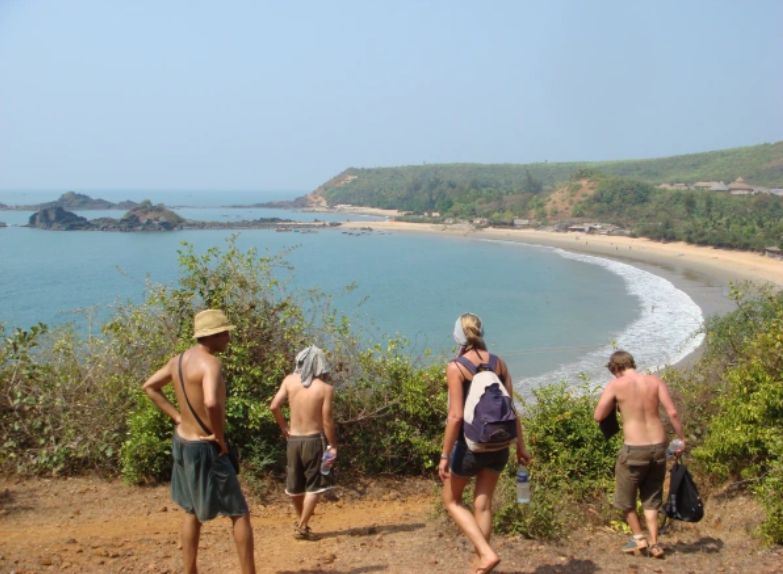
Day 22
After calling in at Albina’s nursery & telling her I had to leave. tho’ giving her my contact details just in case she was pregnant, I set off south. After a couple of busses through the flattish jungle-covered world of north Goa, I hit Panjim, the state capital. It has been fifty years since the Goans kicked the Portuguese out, but the place still retains a lazy, continental European air.
10K up the banks of the wide, glimmering Mondovi River I came to Old Goa – the former capital. Today it is just a few – admittedly stunning – churches. The old houses have all been swept away, & grass’d over like the terrac’d streets of Burnley. One of churches contains the bones of Francis Xavier, which you can see through his glass coffin. I also had a wander round a museum of Goa, where I saw this ceremony of tall portraits of every governor or viceroy the Portuguese ever sent, with the whole experience inspiring the following sonnet;
They were the first white faces to arrive,
& the last fascist faeces to depart,
Whence inbetween a race envangelized;
You can still taste the breeze of the Tagus
By Mandovi, in spacious Spanish rooms
One takes whenever pausing in Panjim,
O pocket Portuguese emporium!
The stuff of fallen empires lingers near,
Array’d as if an eastern Nuremburg
Had Speer inspired, these barrel-vaulted rooves
So cleverly conserv’d, where faded scenes,
Like Shivapurams on a temple wall,
Paint papal hagiographies, spread proud,
Around us in the old Latino style!
I am currently staying in this old Portuguese guest house, where among the guests is a lesbian bird called Fee. She heralds from Todmorden, a town just 10 miles from Burnley. ‘I’m thinking of going to Gokarna,’ I said. ‘You’re coming with me!’ she replied energetically, & apparently tomorrow I am. By taxi, half of which I’m paying for, which is possibly my main attraction to her as a travelling companion. The feelings mutual, tho, for with my mojo so off the chart at the moment, if I’m travelling with one of Sapho’s darlings I might finally feel safe to draw breath.
Day 23
This morning jumped in a taxi with Fee & headed south, majestic views all the way. A few hours later we hit Gokarna island, took a sneaky back road & suddenly found ourselves at the eponymously titled Paradise Beach. What a touch. Fee’s a regular here, a founder member of the hippies that first came to Paradise, years ago. Arriving with her felt like being with royalty; everyone knows her & as her ‘friend’ I’m getting good prices on the weed / illegal beer & my room. This is a beach hut, with the floor & bed carved from rock (mattress on top) all covered by rushmat roof & walls – its wicked & only ten meters from the sea. Fee has slung her hammock up right outside (for free) sleeps in its lazy arc like lavae in a split cocoon. She’s also put rugs & plants around the place making it into a little villa. The restaurant is literally 5 seconds away, where I am currently building up a tab, as I am at several other very friendly places along the beach, you don’t actually need money here, just honesty.
Fee, or fi-asco as her friends call her, tells me she sometimes spends an entire 6 month visa on Paradise Beach, & spending time & chatting with such a season’d traveller has led to me penning the following sonnet;
THE INCREDIBLE INDIA CODE
1 Book your tickets in advance
2 Separate your money sources
3 Never trust a tout
4 Keep tabs on yer tabs
5 If they say they’re a masseuse – they’re not
6 Murder all mosquitoes before bed
7 Never trust a fart
8 Anything is possible in India
9 Check your room thoroughly before leaving
10 Picking up stones scares off dogs & monkeys
11 Eat with your non-wiping hand
12 “I was an Indian in another life!”
13 Plenty of change for journeys
14 Ask five different people for directions
Day 24
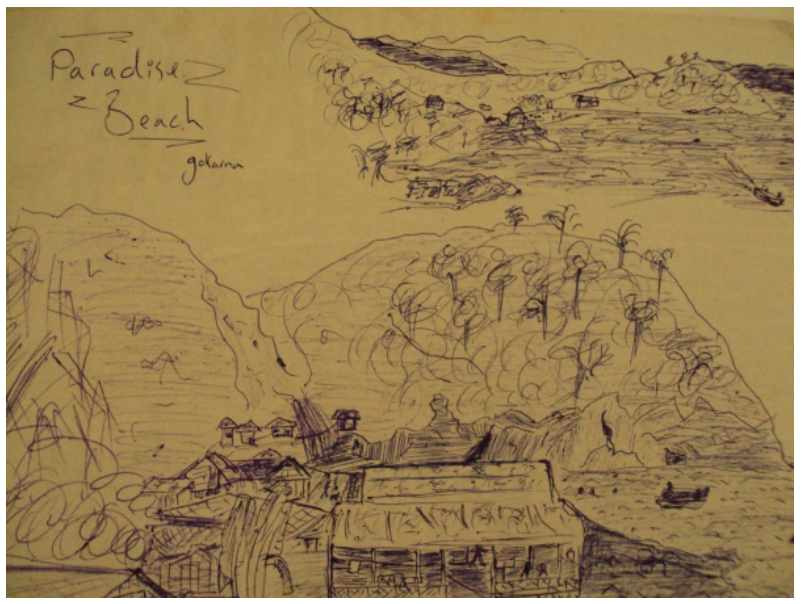
Rock-gouged, sandswept Paradise Beach is at the end of a long chain of beaches which are travelled to by either clifftop walks or boats. Inbetween are rocky headlands – great for scrambling – & many a restaurant to grab some shade & drink a lassi. Currently there’s an Israeli lass call’d Shiri staying in the beach hut that lady-of-the-manor-like overlooks our own private part of Paradise, & she & Fee have begun to waffle on incessantly. One conversation is very interesting. ‘How is your wife,’ Fee had ask’d Muli, the guy who owns the central restaurant, ‘O, she died in a house fire in September,’ he’d said solemn faced, & proceeded to show her the scars on his hands & belly. I then overheard Shiri saying that Muli probably kerosened his wife cos he was fed up with her, apparently a common event on round these parts!
The whole island of is about 6k-3k square, half of which is luscious jungle & the other rough red scrubland peppered with black volcanic rocks. The coastal strip is dotted with coves, from the huge boob-shaped expanse of Om Beach, to the quietude of Half-Moon Beach. These are fill’d with scantily-clad ladies, led like golden fleeces, daring argonauts to pluck them as we pass. The beaches spread out from Gokarna town, one of the holiest spots in India. After following Fee through half-lost paths in the jungle, we came across the town & its wonderful water-ghat. Sat on the steps were four young Brahmin adepts, knelt cross-legged, their right hand on the guy in front of them’s shoulder, & all four were repeating, word-by-word, the song-chant of their bearded teacher. A very amazing scene.
Back at my hut I settled into a stony haze, chilling above the waves with my 23-year old Russian journalist neighbour, a complete starry-eyed stoner who speaks impeccable English. To break things up I swam round to the next beach – Om Shanti – a tiny place with 4 beach huts & one restaurant. The sea is not the cleanest but the swim was quite invigorating
DAY 25
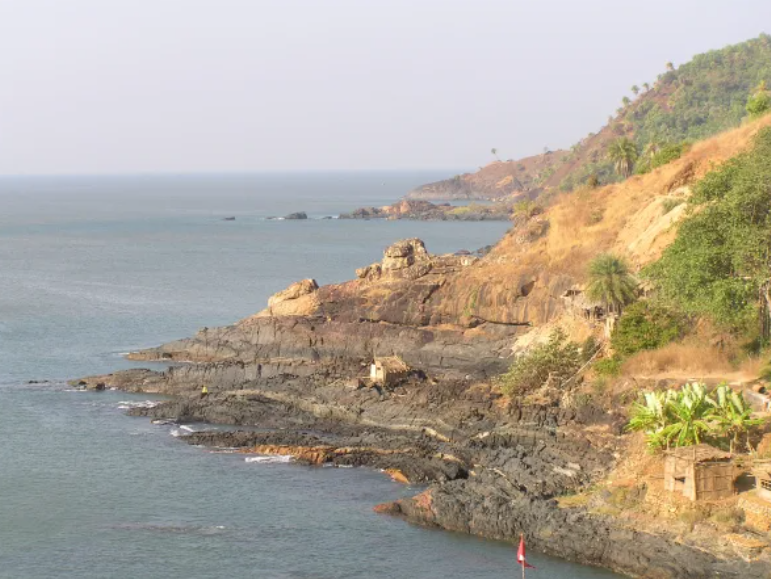
This morning I swam to Half Moon today with Shiri, who proudly states her age as 38 & a half. Her Jewishness is apparent in both her business acumen – renting out properties sends her round the world – & her nose. She is a very warm lass to be around, smoking weed & playing chess furiously. I played her, beat her & agreed to become her teacher, Karate Kid style. Today’s lesson involved a kilometre swim round the green warm waters that fringe the coast – she was third best backstroke swimmer u-15s in Israel, apparently – & I was amazed at her practically effortless stroke, especially as she had a plastic bag with chess pieces, board, weed & water tied to her legs. I found it wonderful fun swimming with a lady in a bikini, stealing furtive glances of her breasts or watching the water roll off her sinewy back.
At Half Moon the restaurant was still being built, a 60-year-old landlady smoothing off the cement that gets ruined with each annual monsoon. After food & chess, the swim back was lovely; dolphins flipping flippers, lone butterflies fluttering over the waves, sea eagles skirmishing above us & out at sea the lightning bolts of a distant storm. Great conditions to write in, with the sea-waves accompanying every sound. Being here has chilled me out big time & I’m loving these wicked coconut lassis I’m now completely addicted to.
In the afternoon Kate, Steve & a couple of the Tantra crew (19 year old Jake from Cornwall & 26 year old Suze from Cardiff) caught a train from Canacona to Gokarna Road – an hour & twenty minute journey that only cost them 16 rupees! They all only stayed one night, having come down especially for the Full Moon Party, but it was very good fun & we were drinking til daft o clock as we boogied to the bongo-happy hippies. Music, nudity, magic & stars – you can take the party of out of Goa, but not Goa out of the party.
Day 26
Another sunny day in Paradise, watching from my lofty beach-hut the toing’s & froing’s of scantily clad ladies lazily frolicking below like some Restoration Masque. I awoke before sunrise, both sky & sea a beautiful pastel. My Russian neighbour was also up having his ‘cream’ – a ridiculously dodgy looking pure skunk spliff with bits of rizla hanging off the Dry Gonzo style spliff like wedding streamers. As soon as I had bought my obligatory bag of weed I joined him, watching the sun’s orb rise in the direct centre of a little chink between the two hills that framed the eastern end of the beach. Not long after that a boat arriv’d at my local restaurant with a big block of ice to keep all the drinks cool. This, like other days, was divided between studying, sweating, siestas, getting stoned & going on increasingly adventurous swims. I’d never swam these distances before, & with the sea warm & easy it was a very pleasant experience.
I also walk’d into Gokarna with the Patnem posse, a lovely 6K amble pass’d deliciously mellow Om Beach, over the black volcanic rocky wasteland that leads to Kudle Beach (the busiest) & finally a walk over a lush green hill, past a wicked cricket pitch (with hysterical loudspeaker commentary) before the main Gokarna beach stretched for 8k into the milky distance. As I stood there, the distant hills framing a very tropical scene, I imagined pterodactyls circling over the jungle. After buying supplies, on the way back I photographed a few kokava’s… crazy white heron-type birds that follow their chosen cow/buffalo everywhere, nibbling on the insects that nibble on the cows, bobbing along thro’ life like a perfectly happily married couple.
The sun is now setting, an orange sphere lending the Sea of Araby an oriental glow. This is being accentuated by Nedev, one of the annual ‘family’ that spend some of their travelling days in this place. He is playing a 72-string Persian instrument called a Santur – each of the eighteen main channels is split into four steel wires as the western 12-strings are split into two. He is playing them with two metal sticks & the sound is just divine.
Day 27
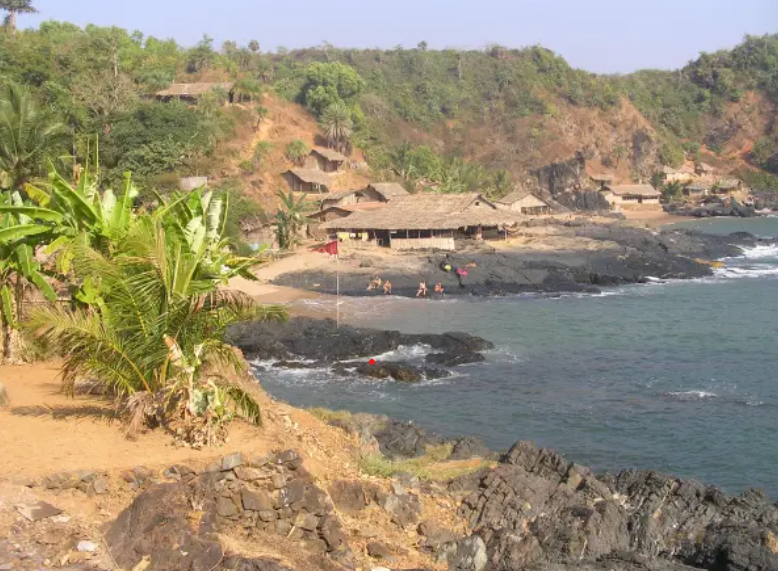
Not so long ago I always stood up to bullies – it was a Lancashire principal instilled in me at a young age – hence me spending most of my chemistry lessons outside Mr Mansfield’s classroom. So today I decided to get ahead of all my tabs, so walk’d into Gokarana Town drew out some money & paid off everyone I owed on the way back – lots of coconut lassies. Anyway, when I got to Muli’s restaurant, suddenly my four bottles of rum had turned into eight, & as I disputed the fact I was thrust into a hornet-swarm of threats, including bamboo massages & my severed hands being thrown about the beach. At first I stood up to him, saying ‘go on then & do your worst,’ kinda stuff – then remembered he’d probably just killed his wife & it was only a few quid for god’s sake. So, I paid up & thought fuck this, I’m off first tomorrow. Besides, I reckon the brain begins to turn to jelly after too much bumming about on the beach & it’s been almost four weeks of sunshine, sea, sand – it’s time to hit the hinterland. Fee tells me Hampi is really cool, so I’ll be heading there tomorrow.
Day 28
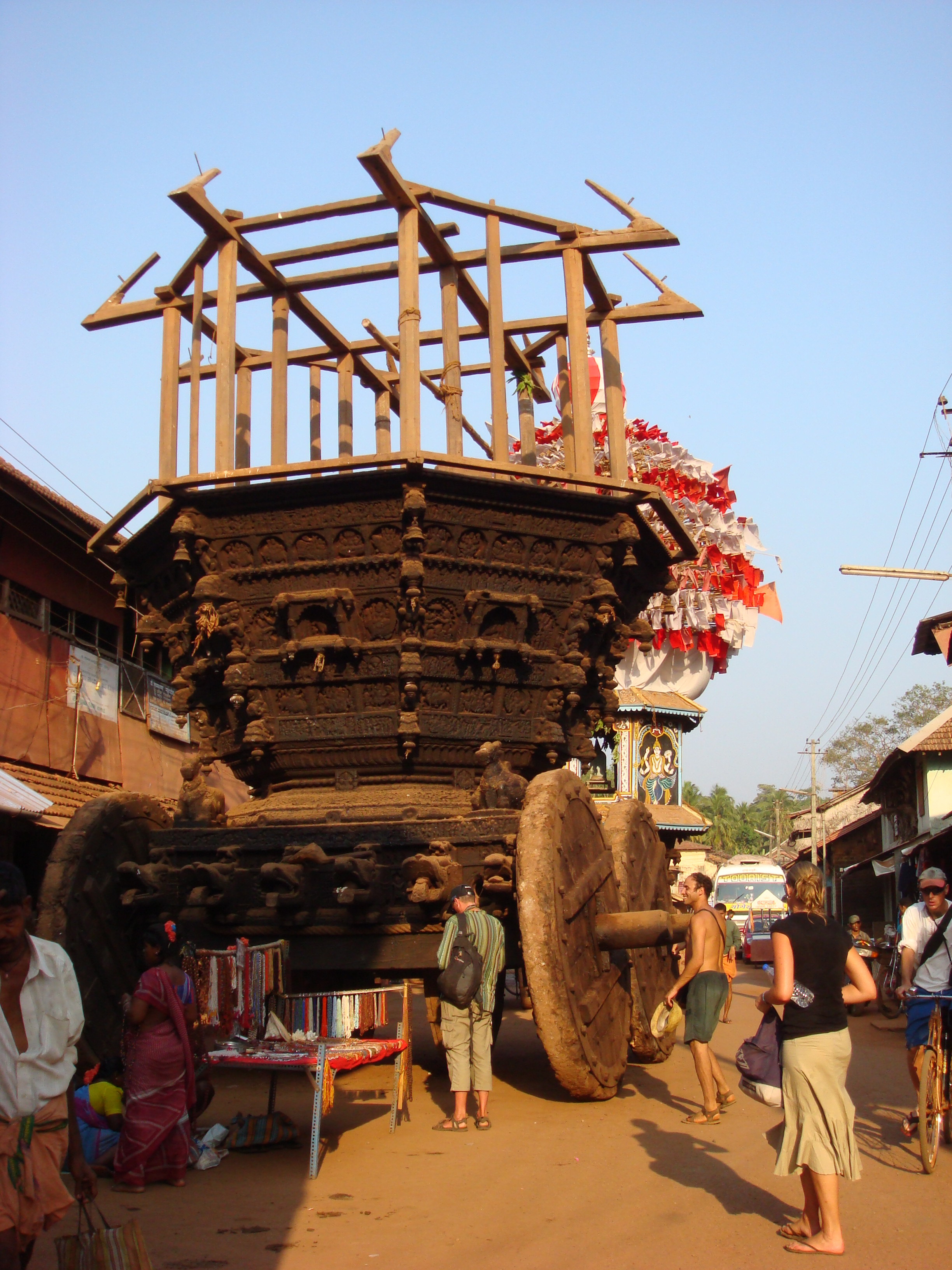
I finally managed to peel myself from those lush, green dolphin shores of golden beaches & the company of all those hedonistic ambassadors of the west. There are only so many lazy hours one can stand with a book & a beer, hot semi-naked babes frolicking in the surf, & spectacular sunsets a man can take before he’s straining for some proper culture.
This morning I set off east on a government bus & was soon trundling thro’ the plush jungles of south Goa, rising steadily up to the Western Ghats, jagged mountains that run for a thousand miles, affording us an incredible palm-laden vista that spread west through as far as the eye can see. We then began to descend into Karnataka, which at first seemed like the undulating agricultural realms of England, before spanning out into a vast plain, something like the steppes of Russia. At one town we were just stretching our legs when we were hit on big time by curious beggar-kid. His upper body seemed to be shifted to the left & his rib cage jutting out of his back forming a hunch. Holding out his gnarly left hand touched the heart strings & I found a few spare rupees. Then the sun began to set, a red-hot cannonball that seem’d to shoot into the eyes & nestle in the brain after only half a glance.
Back on the road was startled to see old Indian women carrying baskets of stones on their heads & others operating a concrete mixer as they were building the road I was travelling on (road? I don’t think smate). Several more hours of numb-bum later, as the fullish moon rose a bloody red, we reached the outskirts of Hospet where a crazy convoy of trucks seemed to go on forever. To amuse myself thro the traffic jam I watched Bruce Lee clips on this Indian’s mobile phone, then a bit of the new Incredible Hulk.
As I reached dusty Hospet, things suddenly got tense. As we pulled into the bus station I was set on by this pack of braying jackals – young rickshaw drivers all braying for my blood. Wherever I went they followed & soon I turned into the Hulk himself – ‘what part of shut the f**k up & leave me the f**k alone don’t you understand,’ kinda thing. Then I resorted to are you stupid / deaf – but still they insisted on following me everywhere. In the end I was forced to take a very dirty room in a lodge just for some peace, where I was subsequently eaten alive by bugs.
 Mumble Words